From Tour Van to Roastery: How One Coffee Founder Chose Savannah
A conversation with the founder of a Georgia coffee roaster about building a brand from scratch in an untested market and learning to share specialty coffee without the attitude.
By Morgan Wood3 min read
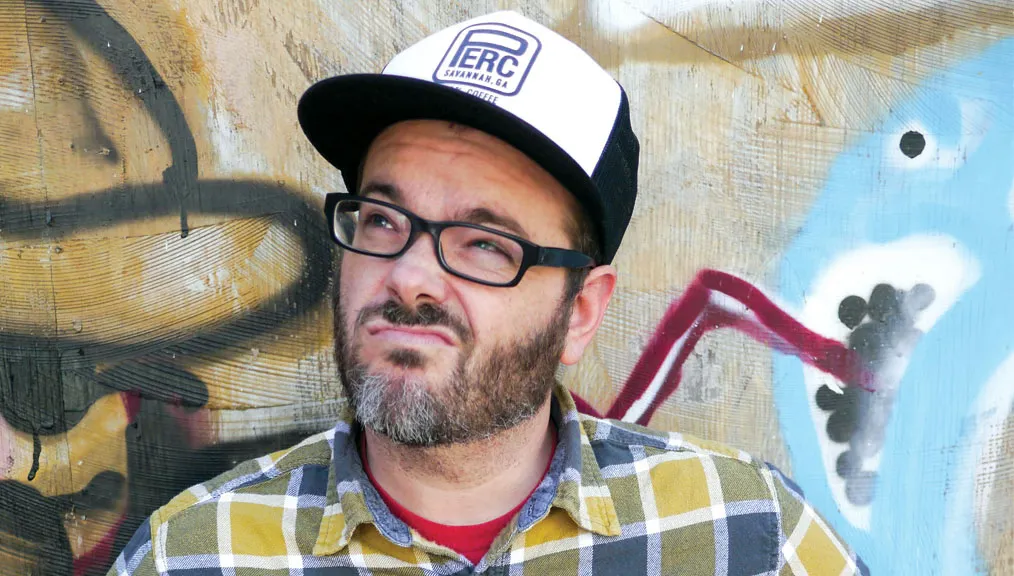
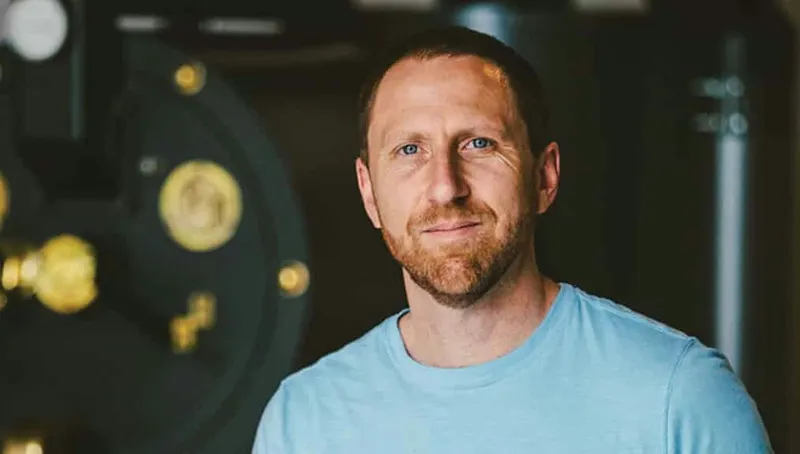
Philip Brown had spent nine years in coffee before he ever touched a trier or learned to roast. Back then he was living in Athens, Georgia and fronting a touring band, working his way from barista to manager to general manager at a café. A two-year roasting apprenticeship at that company followed, and then he stepped into a regular roasting role.
“The moment I started roasting on the big roaster,” he says, “I knew this was what I wanted to do.”
His education came from two directions: the roastery and the road.
Touring through the 2000s, he watched coffee shift. Visits to cafés on the West Coast and in Chicago left him wanting to treat coffee differently—and to do it on his own terms. “I wanted to bring what I saw on tour to the Southeast. I wanted to lead that charge,” he says.
In 2010 he launched Perc with a Diedrich IR-12, a heat sealer, a grinder, and a bike and backpack bought on eBay for deliveries. He deliberately planted the new company in a city that had no familiarity with light-roasted, single-origin coffee.
This interview has been edited for clarity and space.
Why Savannah? You had no real tie there, and the city had no experience with this style of coffee.
My wife and I considered a number of Southeastern cities because we knew we wanted to remain in the region. Nashville and Asheville were on the list, as were Charleston and Atlanta. Among those options, some already had a coffee scene, which made the idea of making an impact seem harder, and others simply didn’t resonate with me. Savannah’s food culture was gaining momentum, and people there were enthusiastic about quality ingredients. That appealed to me as a place where I could make an immediate difference—I could be part of something that was about to take off.
Sales began in 2010, but you founded the company roughly six months earlier. That takes serious bootstrapping.
Yeah. I found an IR-12 roaster for around $7,000. I traded coffee for the bike, so it cost me nothing. The heat sealer was $150 and the grinder about $1,500, which kept my startup costs low. The space I found was listed at $400 a month, but I struck a deal to supply the landlord with coffee and pay $350. That relieved a lot of pressure and gave me room to refine what I wanted to present before I ever handed out a sample. I could get graphic design done and make the brand feel like something. Then a few accounts came in and it started moving. It was just me, working six or seven days a week, sometimes doing pop-ups in the evening.
What was it like presenting coffee to a town and saying, hey, this isn’t like coffee you’ve had before?
It was certainly a challenge. And there’s still some challenges. At that time, I was so bought in and so excited about what I was doing and where coffee was going among the roasters that were inspiring me that I was really of the mind that lighter-roasted coffees and coffees that articulated the way that I was hoping to taste them were the only coffees that were, quote-unquote, good. Now I look at it much differently. Now I realize that there are people who will try coffees that are my absolute favorite and just not like them. I accepted that I was inspired to do something specific. My goal is to get people to go on that ride with me by being super cool about it.
How do you produce something very specific and even rigid without coming off as snobby?
I think one of the biggest problems in third-wave coffee is we put our baristas in a challenging position of presenting a product that is different from what customers are accustomed to, they need to be trained really well. They’ll need to have all the answers and give them while not messing up a pour-over, which can be tricky. I messed up a pour-over just the other week. Often, a barista is so bogged down, checking their scales, checking their times and making sure everything is just right, that they miss the customer. As many people will be excited to do business with somebody they think is cool as they will be to do business with somebody who they think is good at what they do. If we can bring those together, then we’ll have something special.