Staffing & Labor
Safeguarding Baristas: A Guide to Preventing Common Café Injuries
Strategies for café owners to reduce barista strain and injuries through ergonomic design, equipment choices, and staff education.
Strategies for café owners to reduce barista strain and injuries through ergonomic design, equipment choices, and staff education.
A safe and productive café relies on clear, actionable policies—not just good intentions. From anti-harassment rules and service guidelines to emergency protocols, these five measures help ensure everyone knows how to respond when challenges arise.
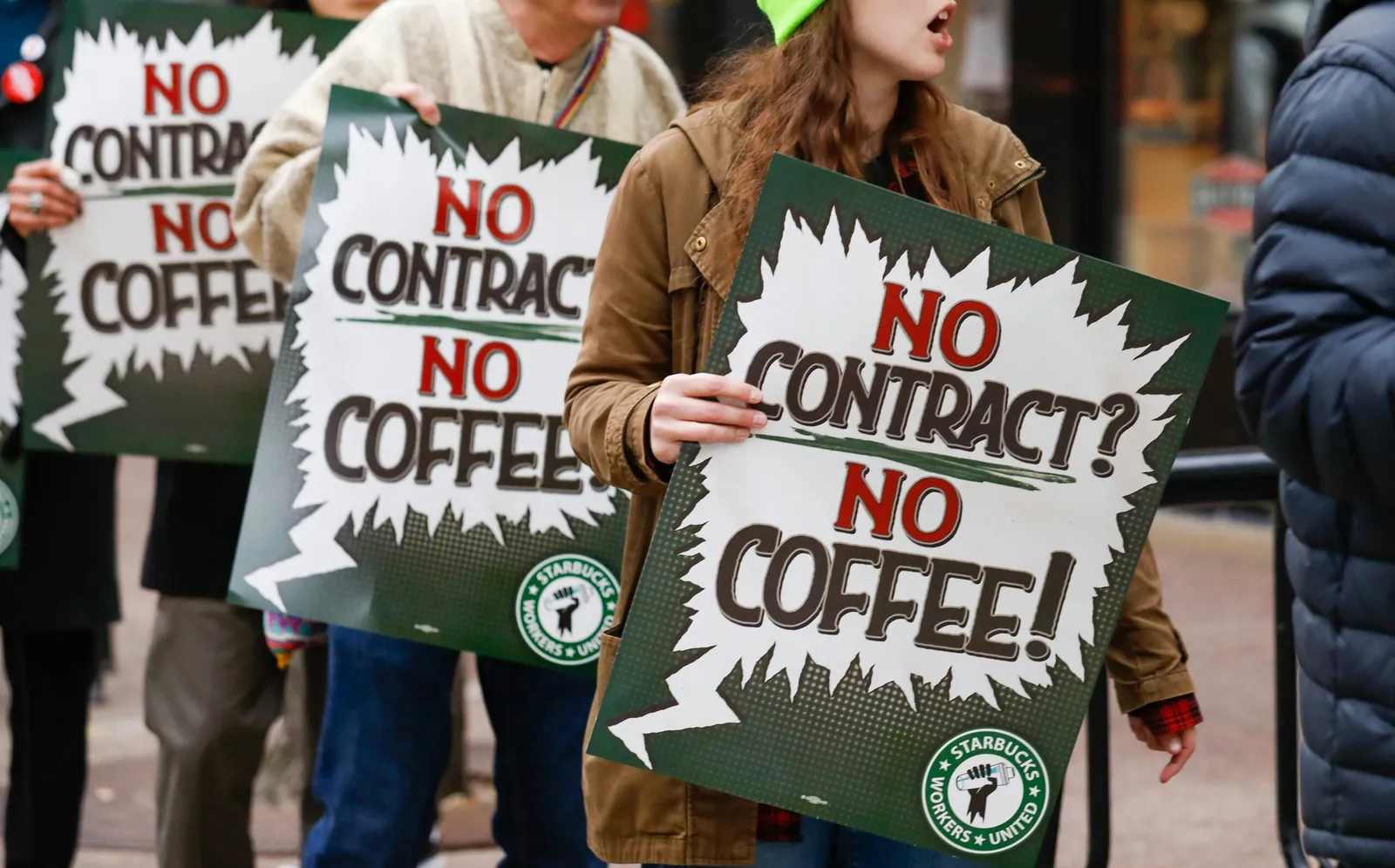
A dispute over pay equity at a Michigan coffee roastery and café chain led to a union drive, a discrimination settlement, and eventually the announced closure of all locations, with employees now considering a worker-owned alternative.
Methodical Coffee, based in Greenville, South Carolina, introduced a profit-sharing plan earlier this year covering all 85 employees—from its four cafes and roastery to support and events staff. CEO Marco Suarez explains how the program works and why he sees it as a path to long-term sustainability.
Baristas and other hourly coffee employees often lack paid time off. We examine the data, the health effects, and what some businesses are doing about it.
A practical look at spotting managerial potential, developing it deliberately, and trusting your team enough to step away from day-to-day operations.
Efficiency is essential for a successful cafe, yet it's also one of the trickiest skills to teach. Here's how to start building efficient practices and passing them on to your team.
Hiring conversations go better when interviewers prepare thoughtful, open-ended prompts and listen for how applicants solve problems, receive criticism, and work with others.
From eliminating tips to creating wellness funds, independent cafés used the disruption of COVID-19 to address long-standing inequities for baristas.
A look at how worker-owned coffee shops in Baltimore are rewriting the rules of employment—and why some are pairing cooperative ownership with union representation.
Employees at Discourse Coffee in Milwaukee and Cat & Cloud in Santa Cruz formed unions with voluntary recognition from their employers. Meanwhile, Kaldi’s Coffee organizers launched a boycott to pressure the company into recognizing their union.
A café or roastery that wants its sustainability and community commitments reflected in daily operations needs employees who genuinely embrace those priorities. Operators describe how they identify and onboard people whose outlook matches the company's purpose, rather than relying only on prior barista experience.