Should Your Café Take the Roasting Plunge?
In-house roasting can cut costs and set a café apart, but it also demands serious capital, patience, and a taste for manufacturing rather than romance.
By Jamie Scott3 min read
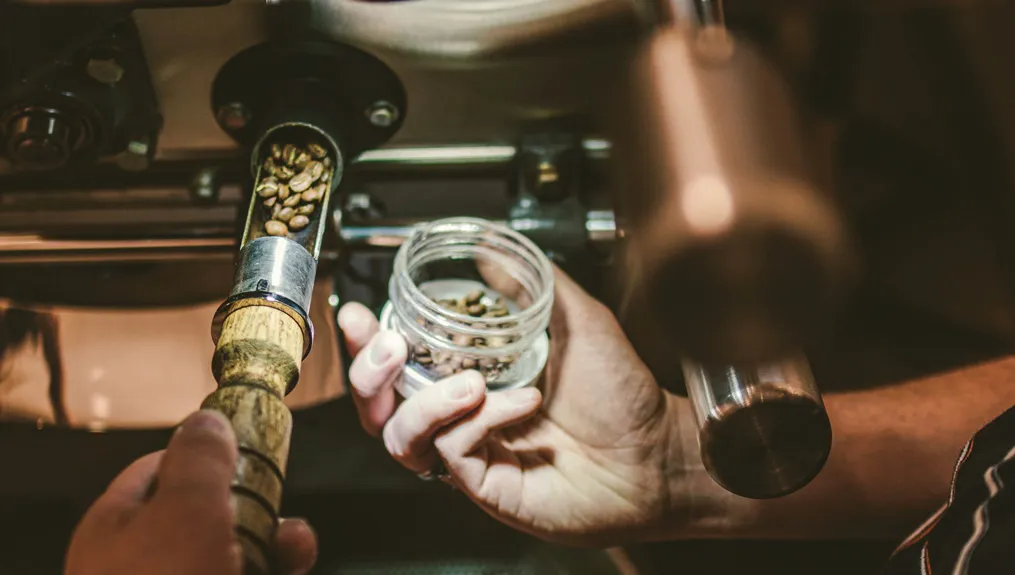
The Lure and the Reality of Roasting Your Own Coffee
At an earlier job with a coffee roaster, I had a running joke: "It's a good time to sell coffee roasters. It's a bad time to sell roasted coffee." It felt like every week brought news of a new roastery opening, or a wholesale client telling us they were going to start roasting for themselves.
It's easy to see why. In specialty coffee, roasters are often viewed as a kind of elite guild—possessors of a secret craft, the literal keepers of the flame.
Yet for all the appeal, café owners who dream of roasting should proceed with care.
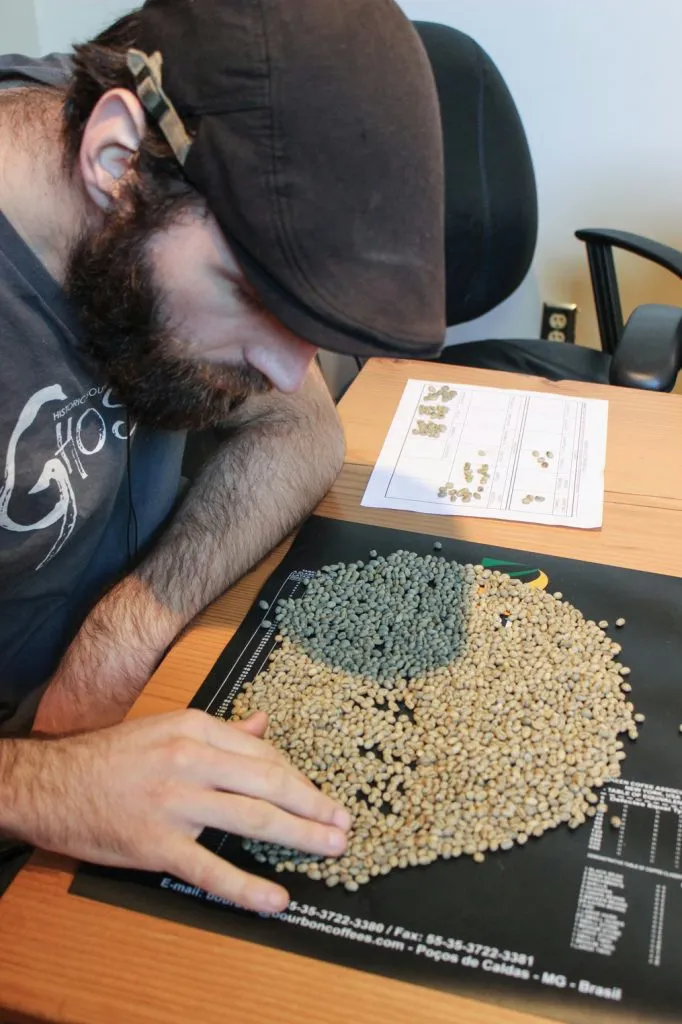
Rob Hoos sorting out green coffee defects.
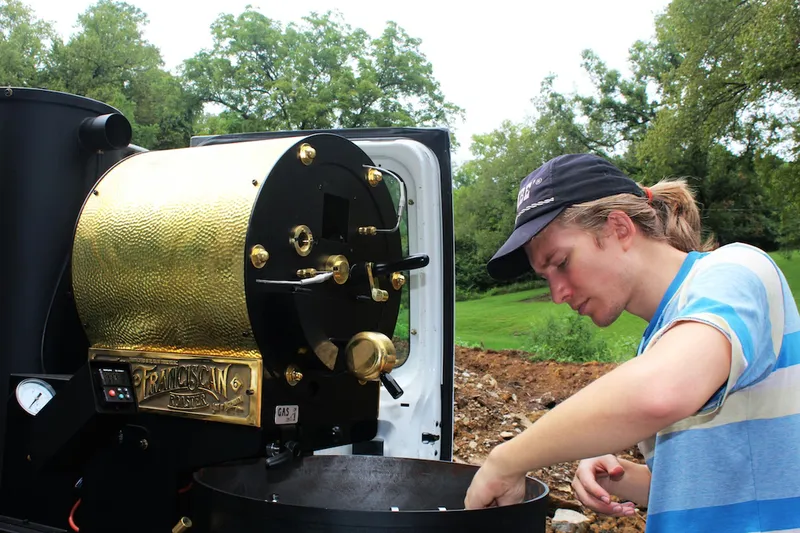
"Roasting coffee is not particularly easy, or romantic," says Rob Hoos, a coffee roasting consultant and author of Modulating the Flavor Profile of Coffee.
His point is that behind the mystique the industry has built up, roasting is essentially manufacturing. It has less to do with artistic flair and more to do with consistency and close attention to detail. Like any other link in the supply chain, it's a skill that requires time and repetition.
"You would not expect someone who has never made a latte before to know how to pour latte art. Nor would you expect someone's first hundred shots of espresso they've ever pulled to be the best espresso you've ever had," says Hoos. "At a certain point you just have to roast coffee and mess it up."
Roasting your own coffee may eventually lower your cost of goods, but the upfront investment can be steep. Beyond the price of the machine itself, Hoos points out that shipping, installation, and inspections tend to cost more and take longer than most aspiring roasters anticipate.
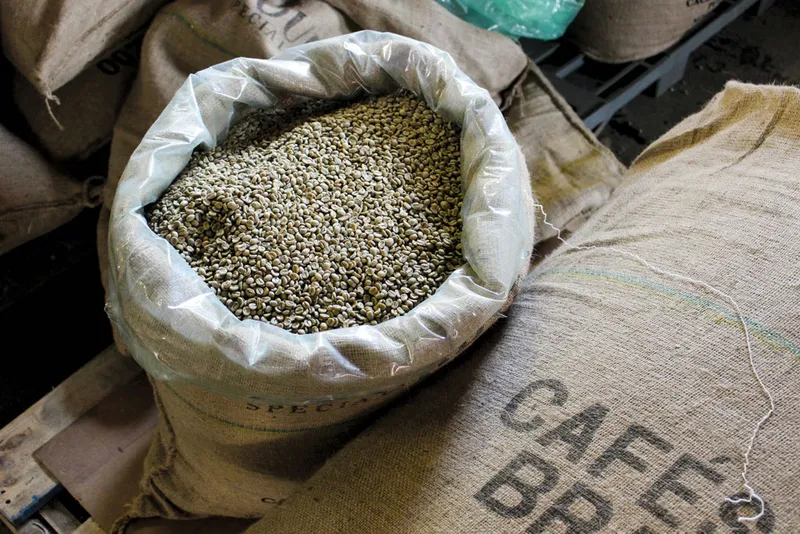
Sourcing exciting coffees is another early hurdle. Many well-known producers have their coffee committed to longtime partners. Companies roasting in smaller volumes often end up buying "spot" coffee—whatever an importer happens to have in the warehouse. In other words, you're left with the lots more established roasters didn't take.
Despite these obstacles, for many cafés the move still makes sense.
"We had been considering different possibilities around roasting, with three shops open and one more on the horizon it was starting to become about time," says Elle Taylor, co-owner of Amethyst Coffee in Denver, Colorado. "When roaster Sam Neely sat down with myself and my business partner, Breezy Sanchez, we knew it was the right move."
Amethyst had operated as a multi-roaster café. Before revealing their own house-roasted coffee, they introduced it under the label "Mystery Roaster."
"There are always challenges," says Taylor. "Cash flow for a roastery is new for us, and that was a bit of a learning curve, but we're settling in now."
Every café's numbers will differ, but roasting typically begins to make financial sense once a café or chain is using 500–600 pounds of coffee per week. That volume allows roaster-retailers to keep a regular roasting schedule and bring down their cost of goods.
Beyond the financial break-even, roasting can help a café set its product apart.
"The two biggest opportunities are to work with unique green coffees which other coffee roasters in the area are not currently working with, and to have complete control over the flavor of your coffee from the point of purchasing green to the final brewed product," says Hoos. "It can also be a distinguishing factor in a marketplace to roast your own coffee."
For Amethyst, there was another consideration as well.
"It allows for some diversity in work we can offer our staff and different kinds of upward motion for people in the future," says Taylor, "so we're really excited about that aspect of it."