How a Copenhagen Roaster Flipped the Direct Trade Script
A Copenhagen roastery has turned the usual certification model on its head by setting standards for buyers rather than farmers, and its founders explain how that approach shapes sourcing and café culture.
By Casey Adams2 min read
A Roastery Built on a Different Triangle
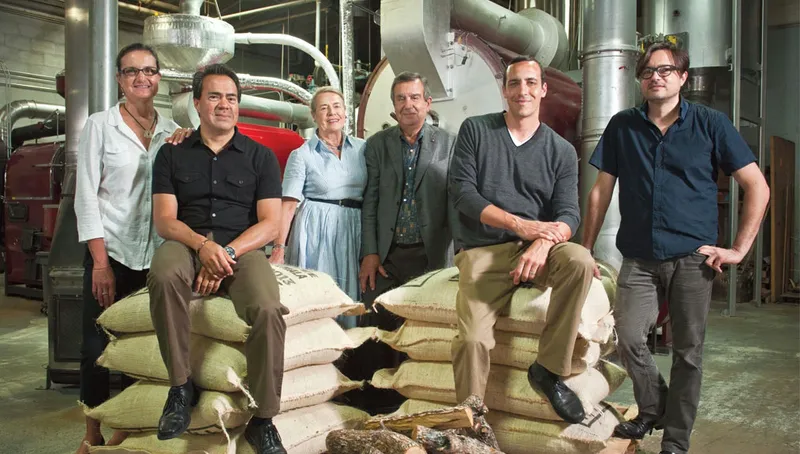
Founded in 2007 in Copenhagen, Denmark, by Peter Dupont, Klaus Thomsen, Casper Rasmussen, and Linus Törsäter, the Coffee Collective began as a warehouse roasting operation. It has since expanded to three cafés and a full roasting and production facility that has earned recognition around the world.
When the founders started out, they could have leaned on their collection of national and world titles in barista and cup tasters championships. Instead, they believed they could contribute more to the coffee world by concentrating on the shared principles at the heart of the company.
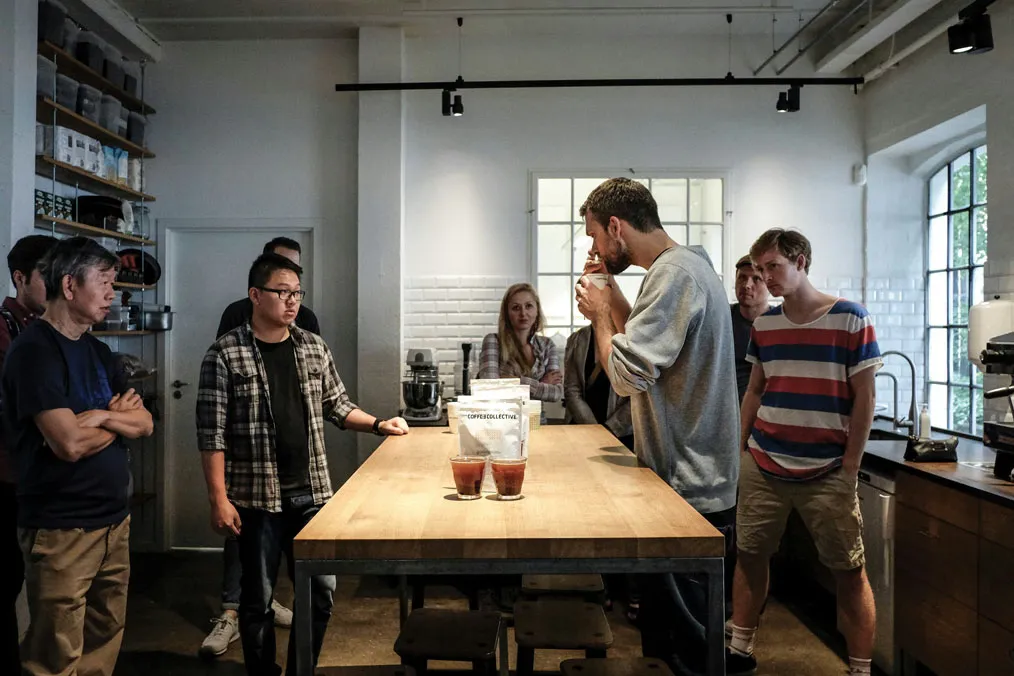
At a recent tour of the Godthåbsvej roastery, Jakob Dupont explained that many people assume the “Collective” refers to the four founders. In fact, he said, it describes a partnership among farmer, roaster, and barista—a relationship reflected in the three points of the company’s triangular logo.
Rethinking the Buyer’s Role
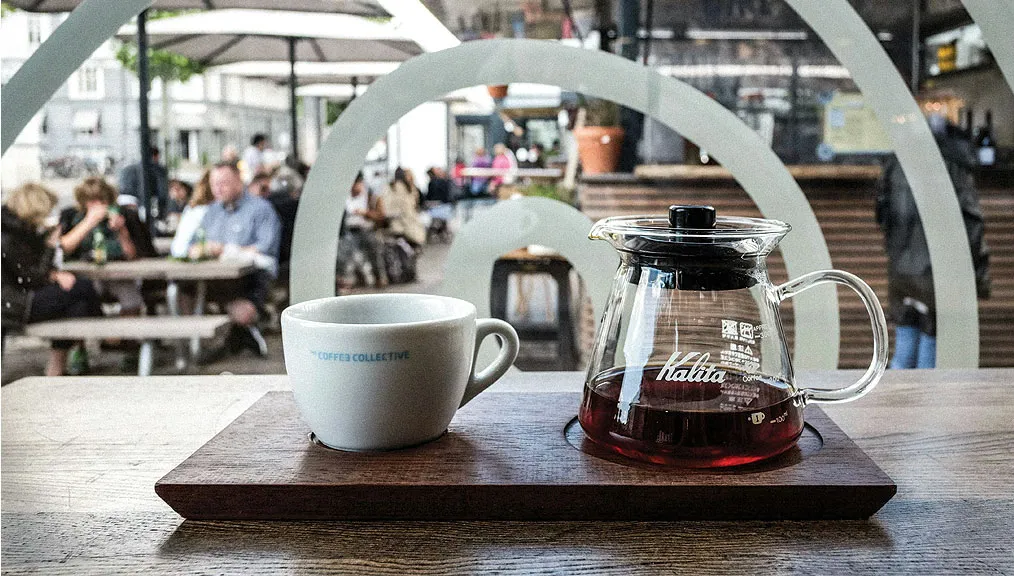
While I drank a pour-over of their Kenya Kieni, Klaus Thomsen sat with me and described how the Coffee Collective’s approach to direct trade distinguishes it. “We wanted to build a business that would focus on more transparency, paying farmers better, and working with a higher quality of coffee, seeing it through all the way to the consumer,” he said. “When we first set out, it was with a set of ideas based on our previous experience buying green coffee. We could tell the market was broken, and there was a paradox in that people in consuming countries were paying high prices for coffee, yet producers were getting less than their actual cost of production.”
The founders aimed to reshape the relationship between roaster and farmer. Thomsen reasoned that if consumers were willing to pay high prices for coffee, there had to be money in the value chain that could reach farmers—provided roasters committed to making that happen.
Instead of requiring farmers to follow rules, as other certification schemes do, the group’s idea was to first establish rules for roasters who buy green coffee. They trademarked the term direct trade to prevent misuse. Thomsen notes that while the name is trademarked, other roasters have been invited to join, “provided they will live up to the same principles of transparency.”
Looking Ahead: Deeper Farm Relationships
As the Coffee Collective plans for the future, it intends to strengthen existing farm relationships by purchasing more coffee from each farmer rather than buying small amounts from a large number of farmers. “[This] provides more stability and a higher income for the farmers,” Thomsen said, “which in turn means better quality for us.”
Three Places to Visit in Copenhagen
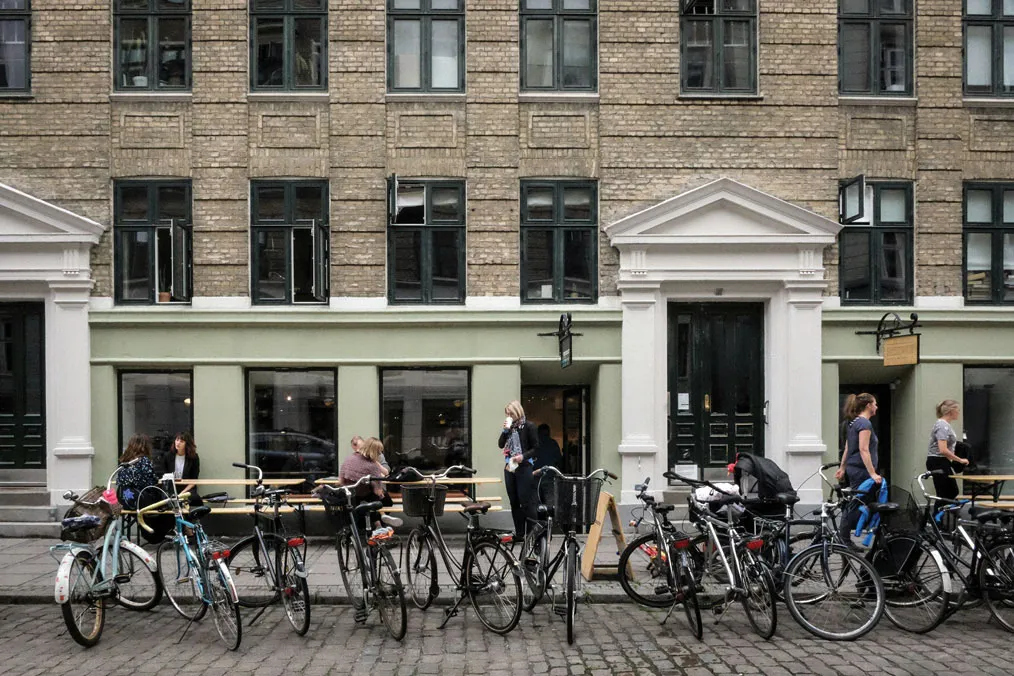
When in Copenhagen, visitors can stop by any of the three retail locations:
- Jægersborggade – the original, a small and friendly space where baristas serve drinks as if from their own kitchen.
- Torvehallerne – an expansive open bar inside the popular, centrally located Nørrebro market and food hall.
- Godthåbsvej – the tranquil neighborhood café that also houses the company’s offices, roasting, and production.
—Elizabeth Chai specializes in design, branding, illustration, and photography for the specialty coffee industry.