How Collaboration and Experimentation Shape Costa Rica's Coffee Sector
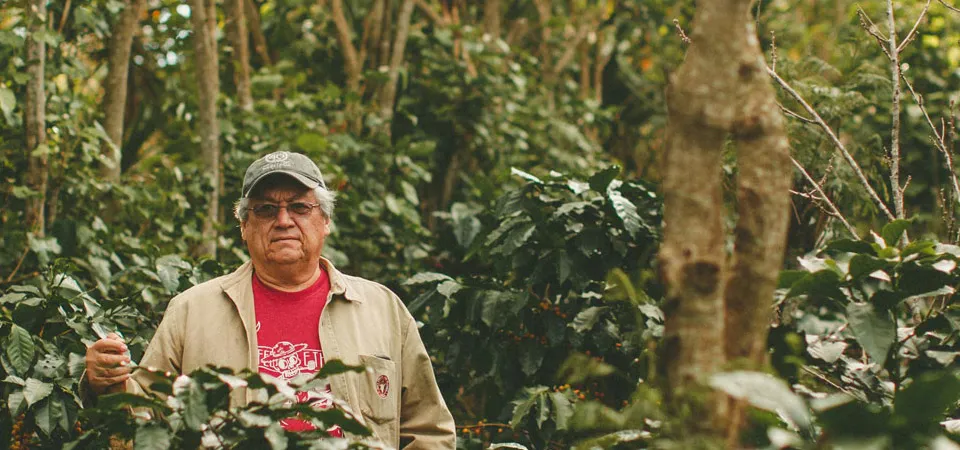
Producers and buyers in Costa Rica are reshaping the coffee trade through joint problem-solving, new processing methods, and a shared drive to improve quality and returns.
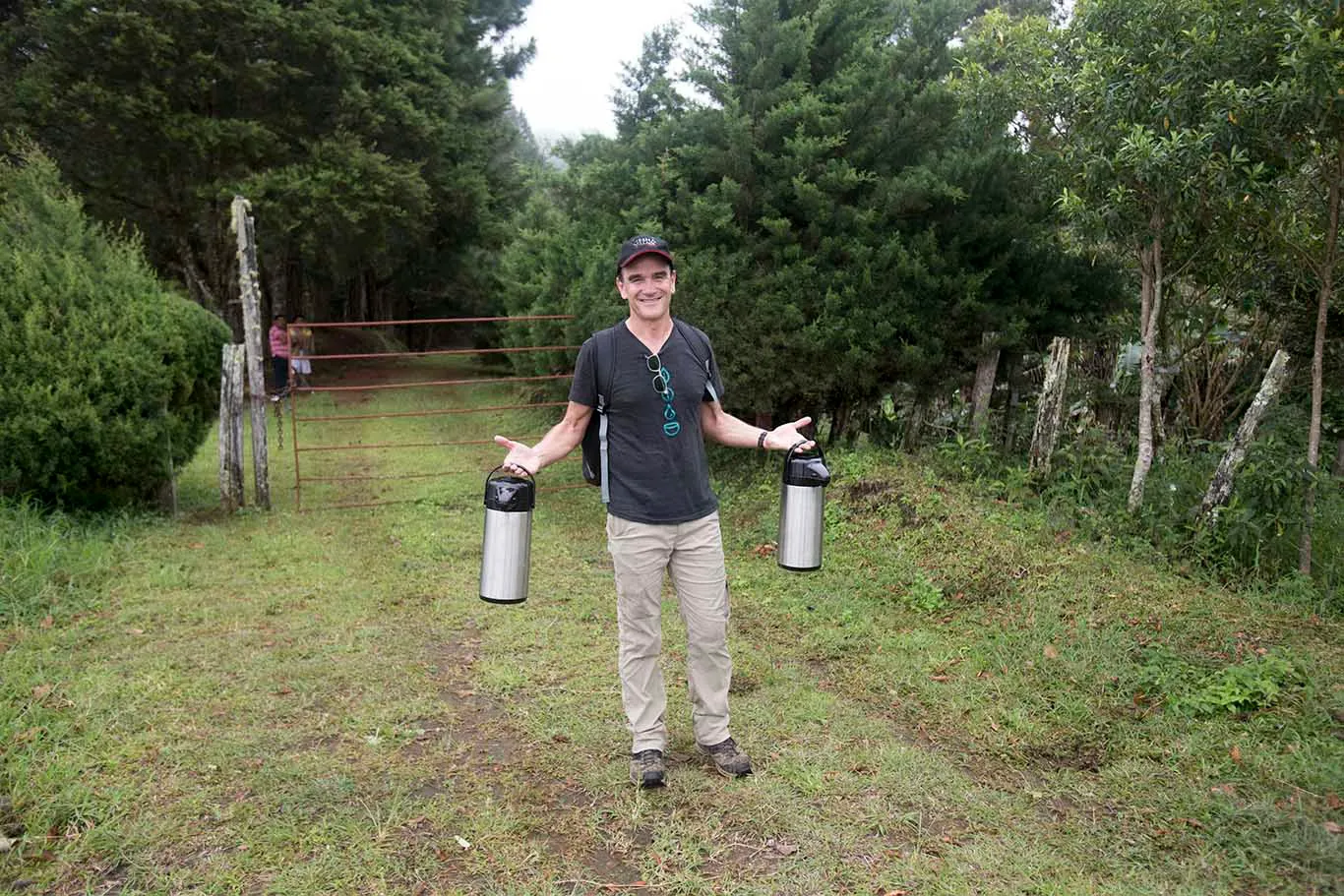
A climb through Panamanian rain to a geisha farm, a cup poured from airpots, and a question about whether wildness should ever be tamed.
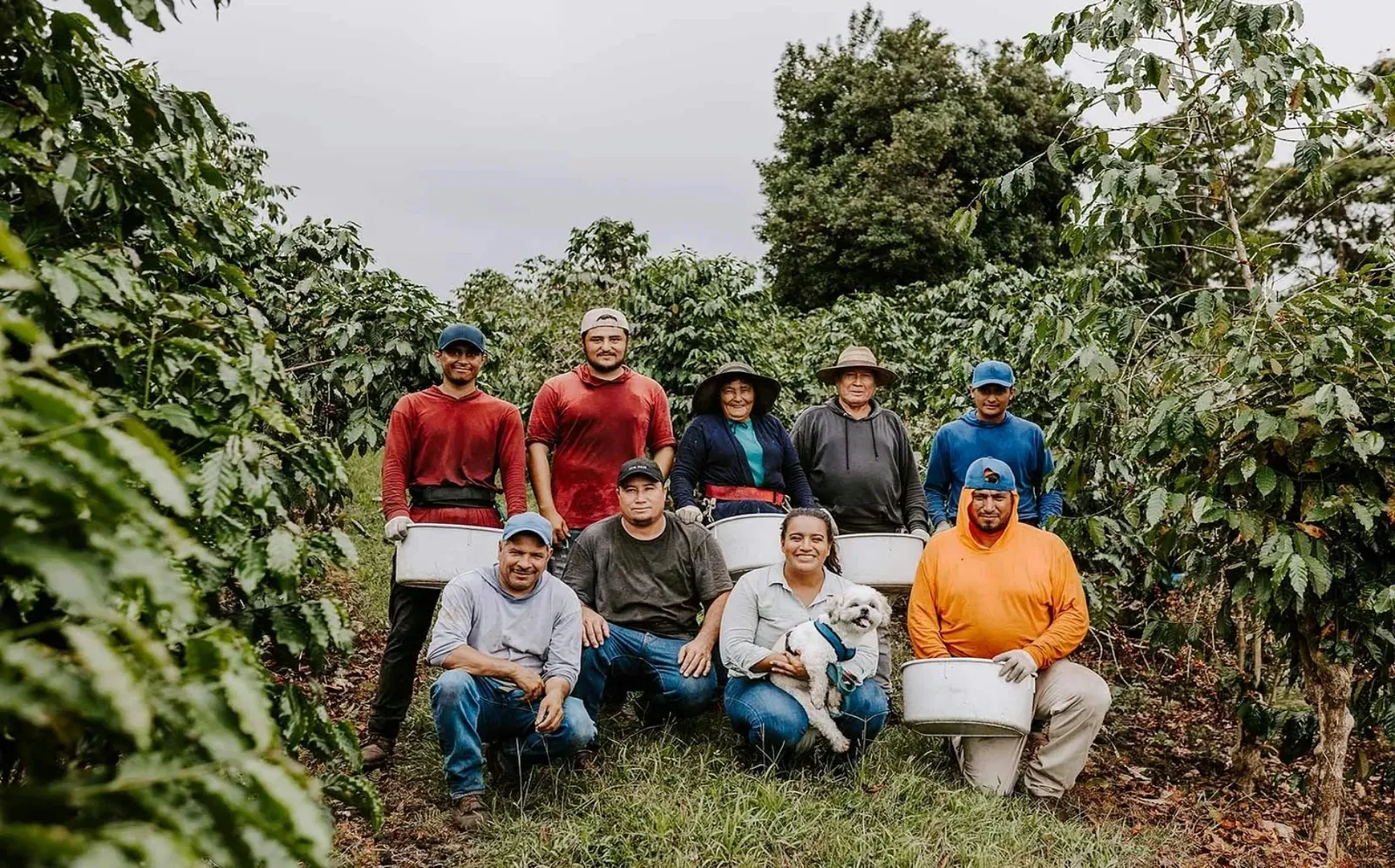
A father's removal from the United States pushed his daughter into a role she had never planned on: running his Big Island coffee operation. Six years on, she has reshaped it and speaks openly about the immigrant workers who sustain American agriculture.
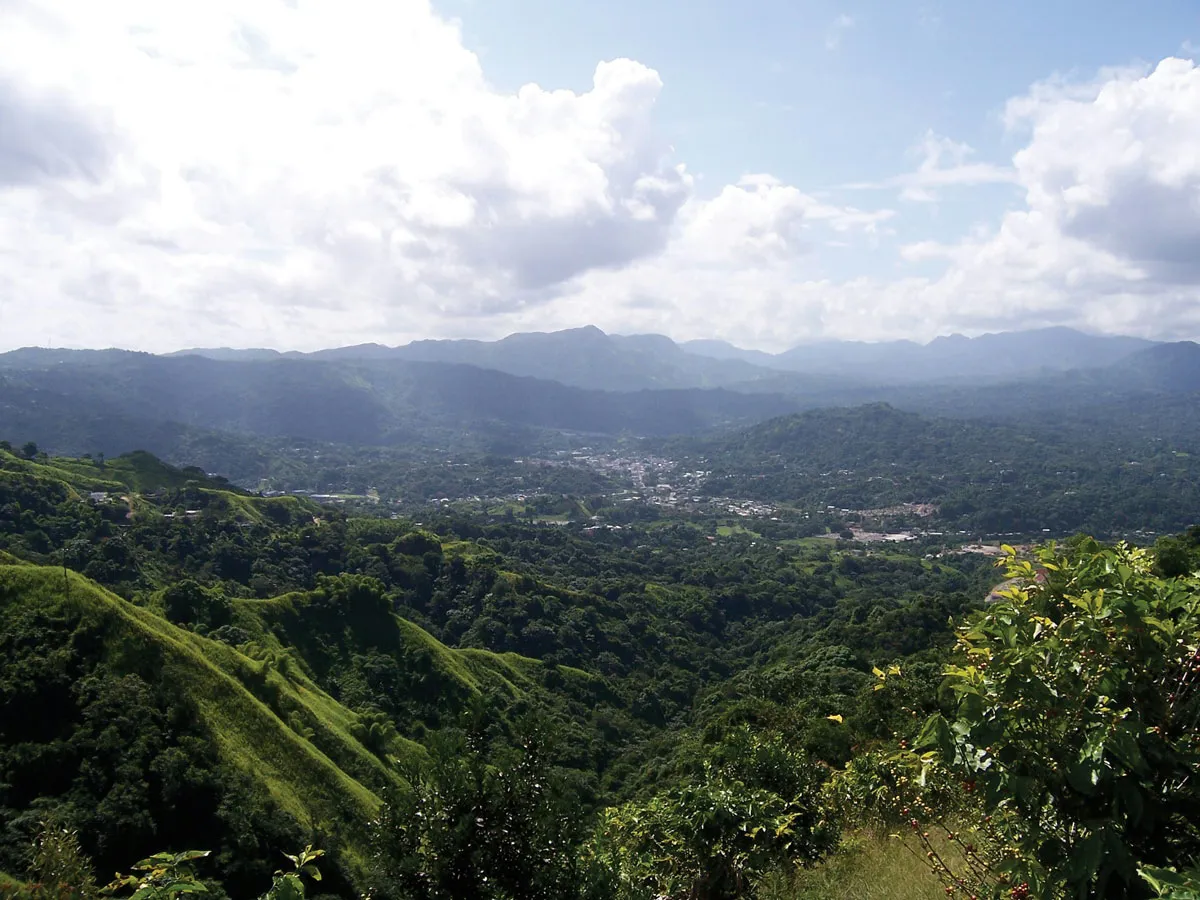
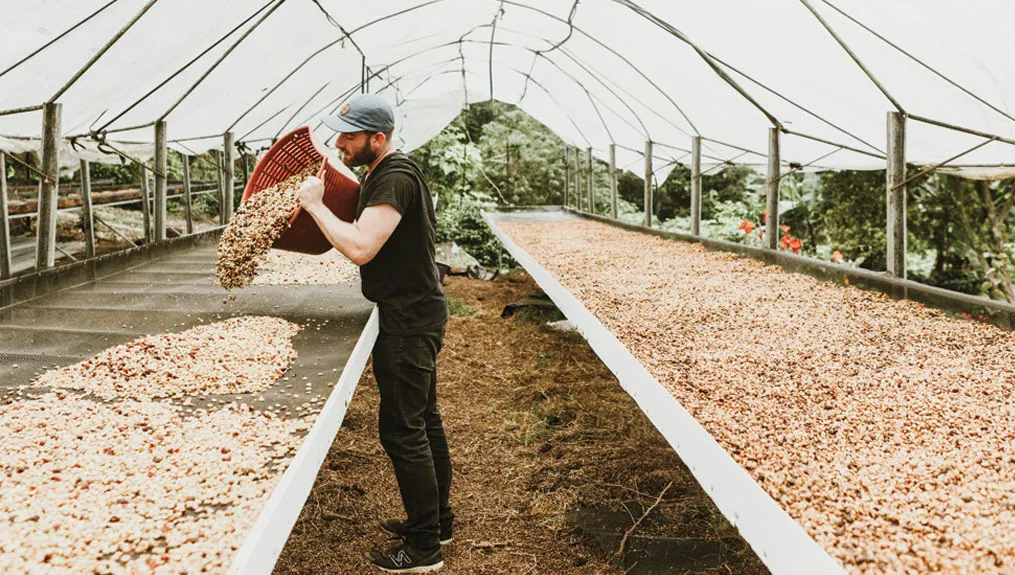
A new university program aims to revive the island's coffee heritage by teaching sustainable production and connecting quality beans to markets.
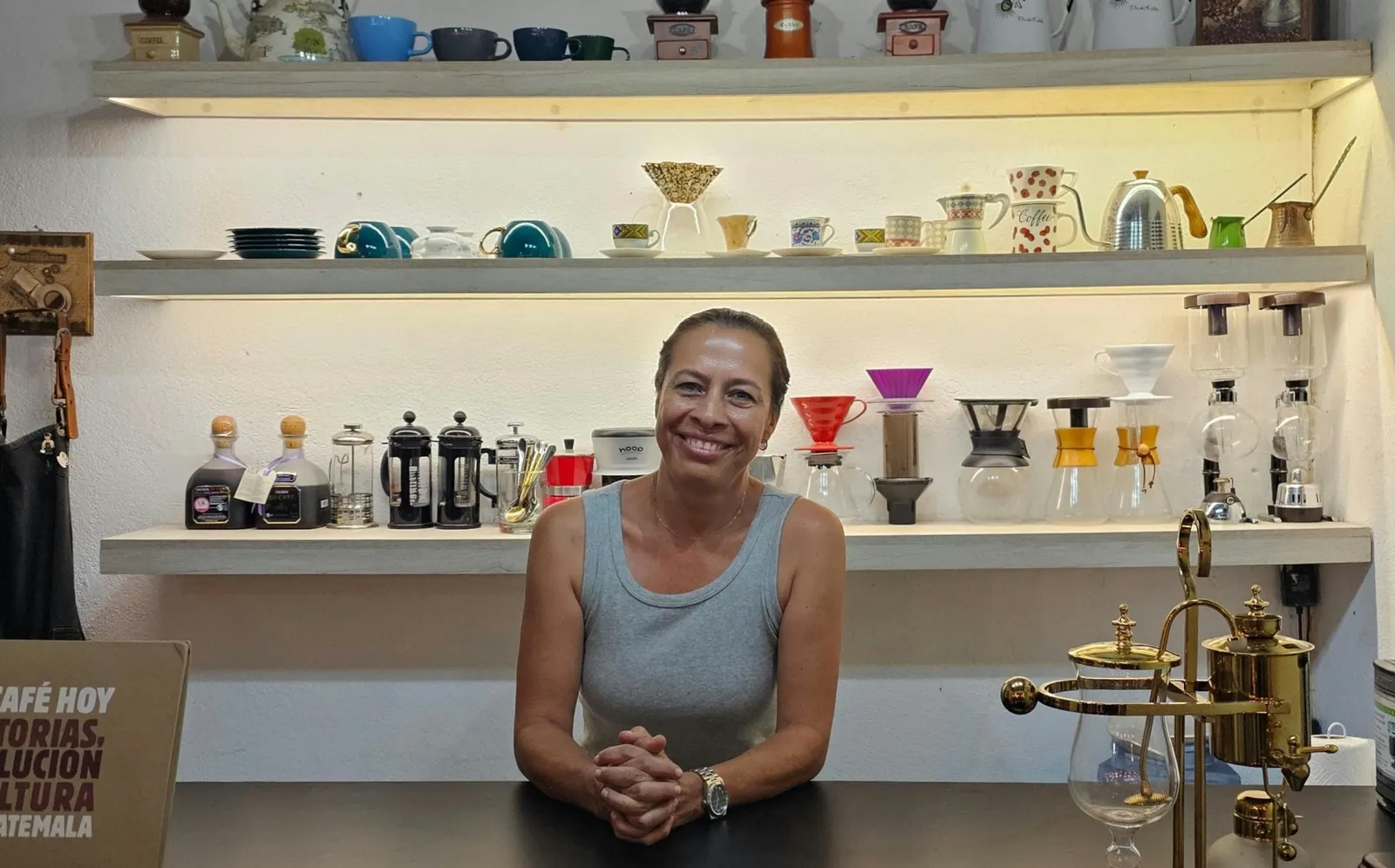
In El Salvador and Guatemala, coffee growers are opening their own cafes to serve coffee from nearby farms. These businesses shorten the usual long journey from producer to drinker and give local customers a closer look at how their coffee is made.
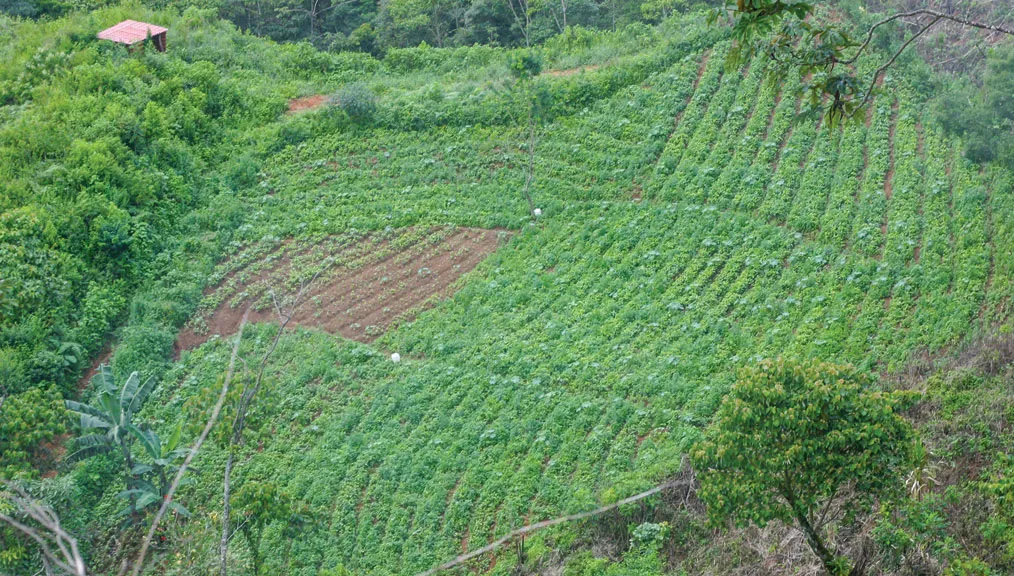
Bill Bayer and Mike Pannell set out to plant coffee on a remote Costa Rican mountaintop. With help from residents of La Potenciana, the venture became a lesson in rural revitalization rather than a quick path to retirement.
On a hillside farm split by the El Salvador–Honduras frontier, a family, a roaster, and an all-woman crew try to outlast coffee leaf rust with old techniques and new ones.
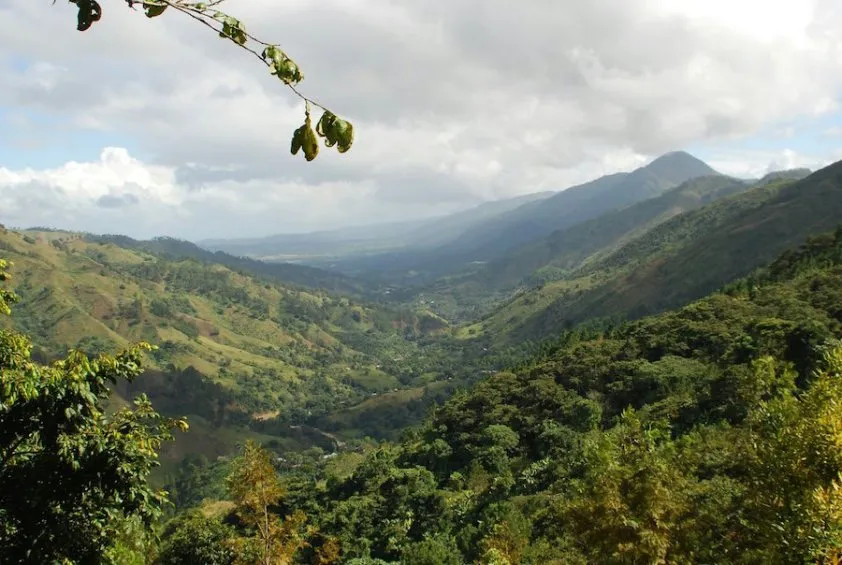
A researcher shares insights from a two-week trip assessing how climate change affects coffee farming in the Dominican Republic, highlighting the role of local roasters and the challenges posed by disease and shifting weather patterns.