Inside Alma Coffee: A Canton Roastery Where the Farm-to-Cup Journey Is on Full Display
At Alma Coffee in Canton, Georgia, a cafe and roastery share one space, letting customers follow each step from green beans to packaged bags while the company’s three pillars—improving lives, sustainable practices, and extraordinary coffee—guide operations from Honduras to the retail counter.
By Jamie Scott7 min read
The Roastery Breakdown series is presented by our partner, Loring.
What does it take to fill a single coffee mug? The liquid in your cup represents the final stage of an extensive journey—one that is often talked about but seldom observed in its entirety.
Alma Coffee, the Canton, Georgia-based roastery founded by Leticia and Harry Hutchins, was created to offer more than just the finished beverage. The company draws on knowledge passed down through generations of coffee growers and links the labor and attention devoted on Leticia’s family farms to the beans roasted and served in its cafe.
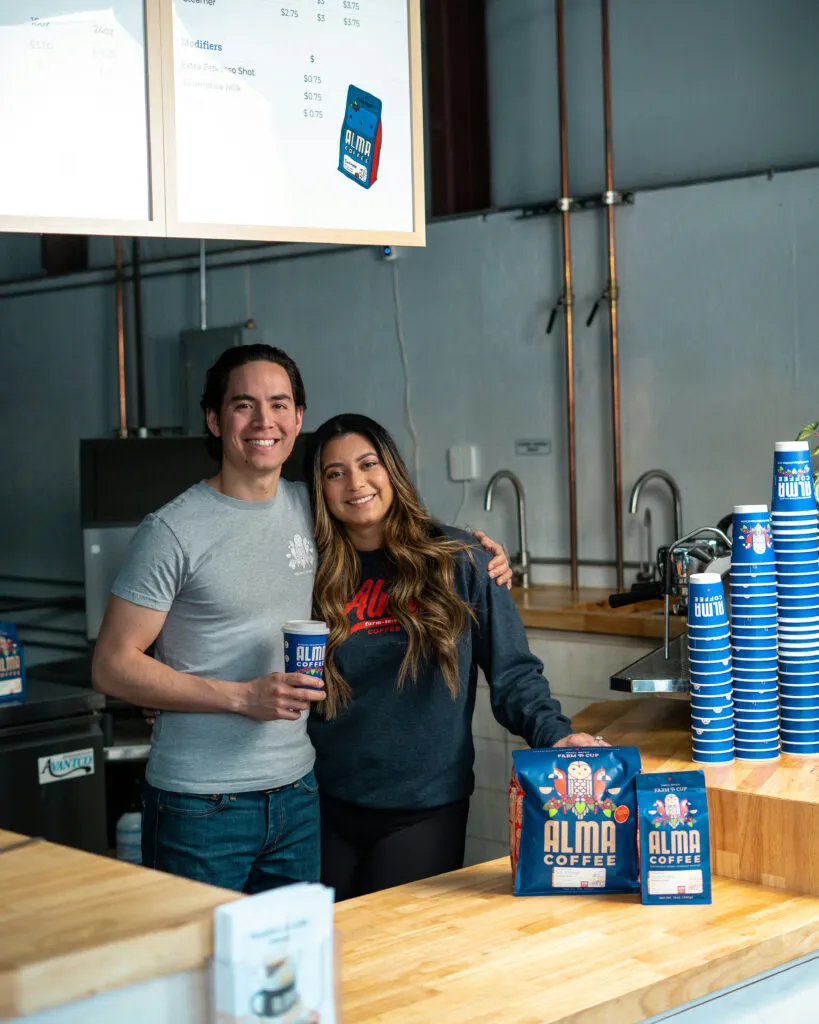
Leticia emphasizes that her family has a hand in every stage of production, from the farm to the cup, and that this comprehensive approach—along with inviting customers to share in the journey—is what sets Alma apart. “Quality is our number one,” she says.
A Step-by-Step Approach
For five generations, Leticia’s family has cultivated coffee and run farms in Honduras. Alma’s origin story, however, begins in Chicago, where Leticia and Harry were living and working as accountants. In 2018, the couple began planning a career change: they would relocate to Georgia, establish a roasting business, and for the first time bring their family’s coffee directly to consumers.
“We went from concept to execution in under a year,” Leticia recalls. The pair left their jobs by April 2018. “We were on a flight to the SCA Expo that April and were willing to learn literally anything we could,” she says. “We had read books, we had googled stuff, but we hadn’t worked in a roastery or operated a machine before, so it was all really new.”
That same month, they moved to Georgia and started looking for a site for their roastery. “In July, we launched our e-commerce business and focused on local pop ups, such as farmers markets, to spread the word about our brand,” Leticia says. “By December, we closed on our current location.”
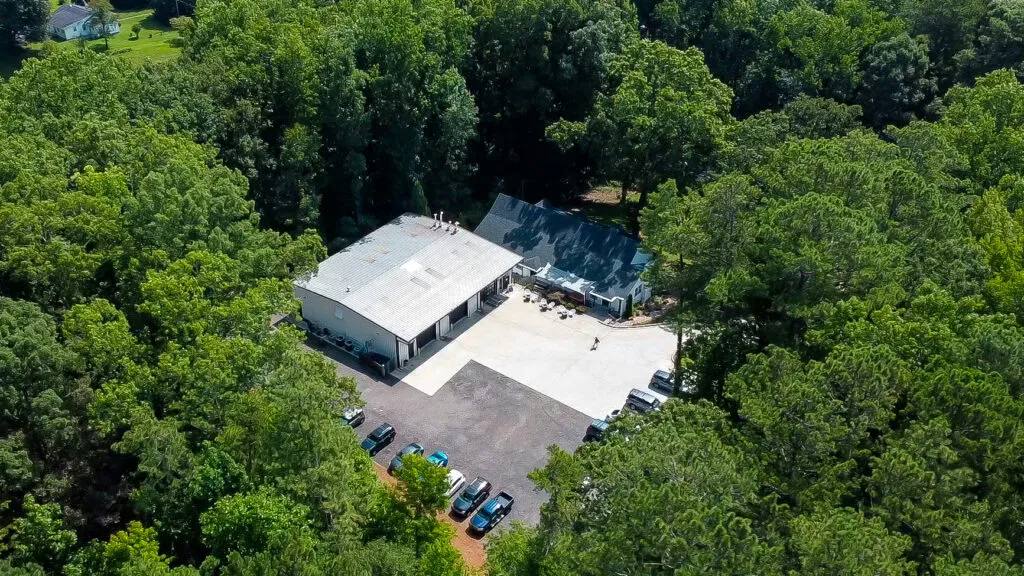
As Alma took shape, Leticia says the couple leaned heavily on a set of principles that guide both the roasting operation and decisions made on the farm. “Any decision we make, anything we are looking to do, we always come back to our three pillars: improving lives, sustainable practices, extraordinary coffee,” she explains.
Improving lives—the first pillar—includes investing in education on their farms. Alma recently built a school for the children of coffee workers in Honduras. “During harvest season, we will have 250 families move onto the farm with us,” Leticia says. “When a family moves, they bring their kids and it’s like, ‘What do the kids do?’” The school is free for all children of workers who come to the farm for harvest.
Alma also pursues its mission to improve lives through a program called Alma-doptions. Under this initiative, the company takes on the harvest of a coffee farm run by people they know and commits to either roasting the coffee themselves or selling it to other like-minded roasters dedicated to ethical sourcing. “We make sure it gets a good home,” Leticia says, “and make sure that they are paid upfront unlike having to wait and do a sort of consignment system.”
On the roastery side, improving lives means investing in culture. “We want everyone to have fun where they work and be able to work hard and see the results of that.” Alma provides benefits such as a paid trip to the Honduras farm after two years of employment and other travel opportunities. Leticia says these experiences allow employees “to see that there’s more to coffee than just what happens in our roastery because it can be really easy to get caught up in what you’re doing every single day.”
Fast Facts
Roastery Location: Canton, Georgia
Square Footage: 4,500 square feet with 3500 square feet of office/quiet seating space
Retail and/or Wholesale Roasting: Retail and wholesale
Environmental Priorities
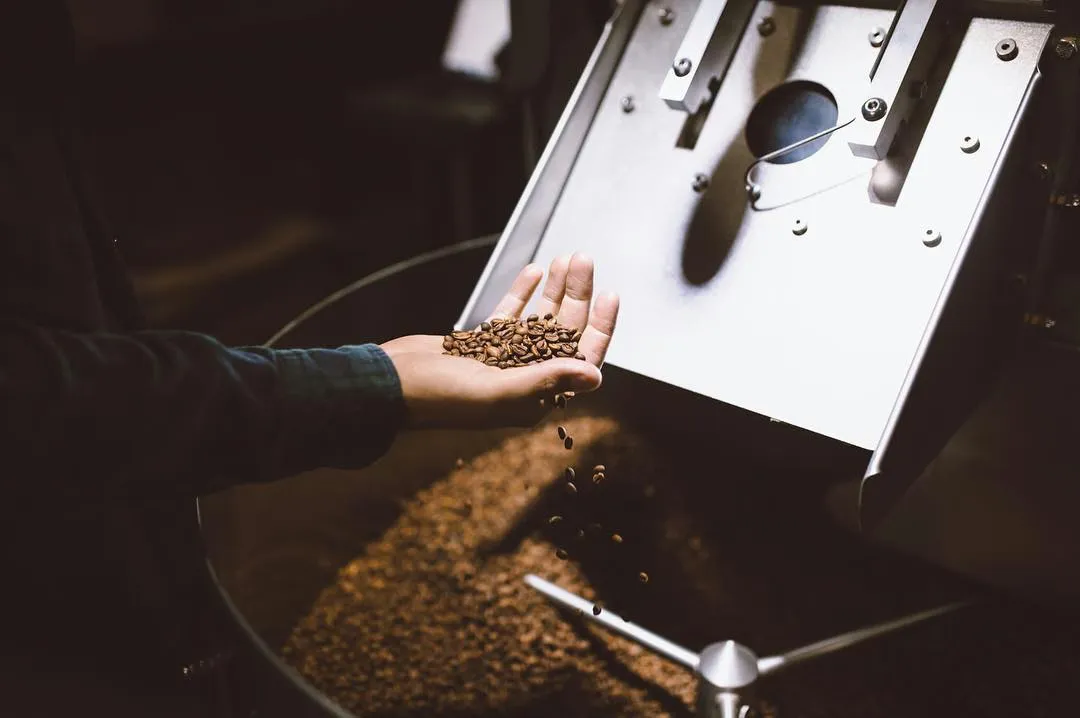
Sustainability is Alma’s second pillar, so environmentally friendly practices are a high priority. Leticia says selecting a Loring roaster was an obvious choice because “they’re super efficient and put out fewer emissions than other roasters.”
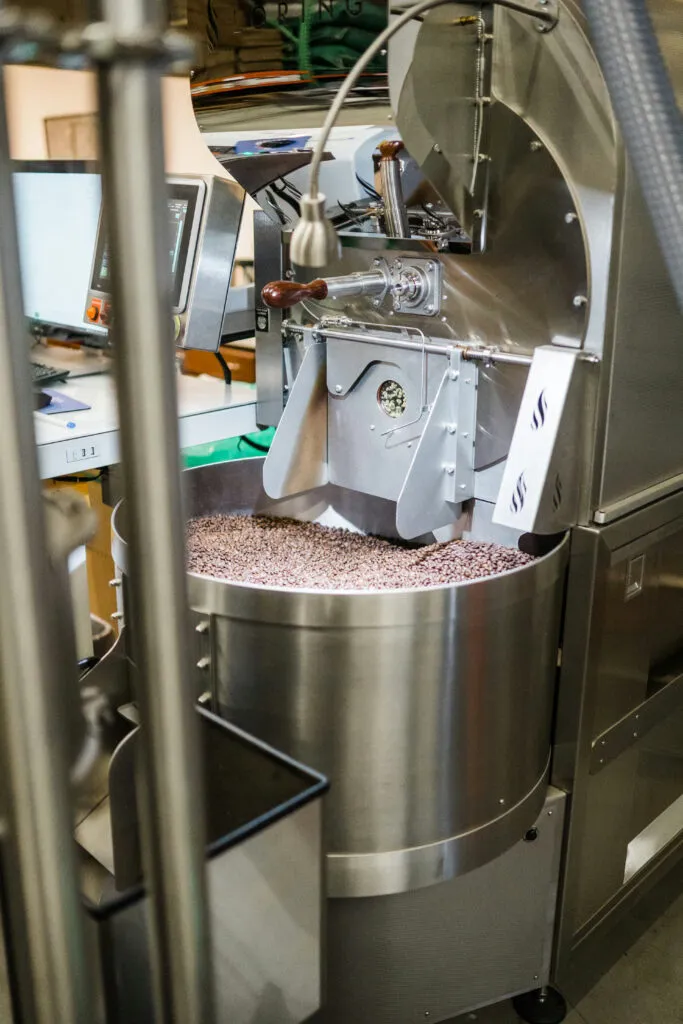
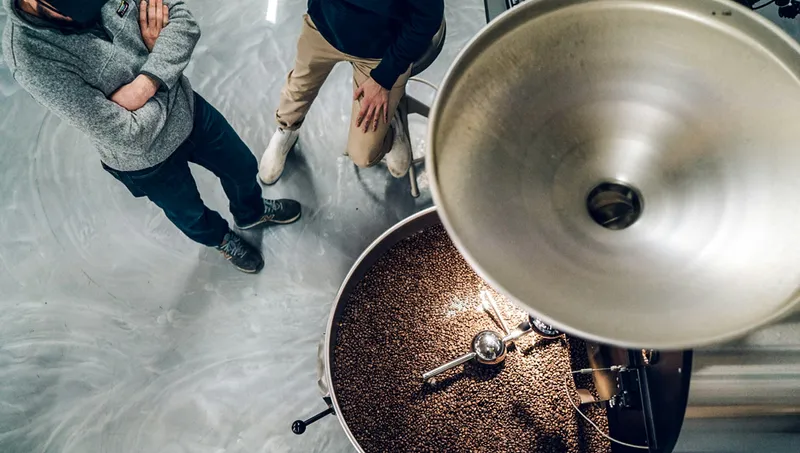
The roasting team began with a Loring S15 Falcon (15-kilogram capacity) in 2018 and added a larger S35 Kestrel as the business expanded. Leticia says the company chose Loring because it aligned with their sustainability initiatives.
Alma also uses 100% recyclable mailers for online orders wherever possible. The eco-friendly mission extends to the farm: their farm is USDA certified organic and they use runoff from the coffee washing station as an organic pesticide.
Openness in Practice
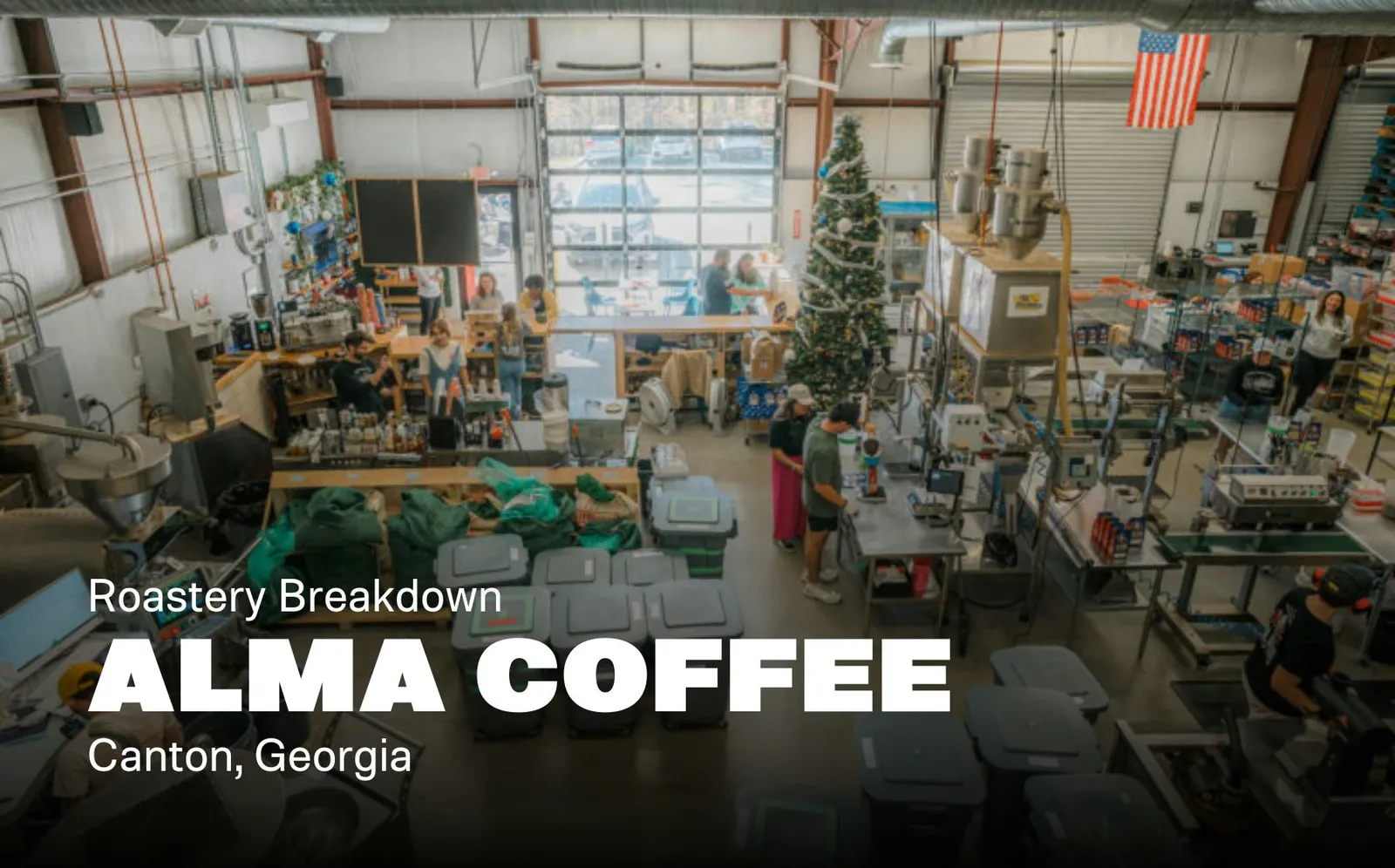
Alma’s coffee shop is located within its roasting space rather than in a separate area. “Originally, we didn’t open a coffee shop,” Leticia says, noting that customers enjoy sipping coffee while watching the roasting process. “We have our regulars, and they just love to come and watch us work.”
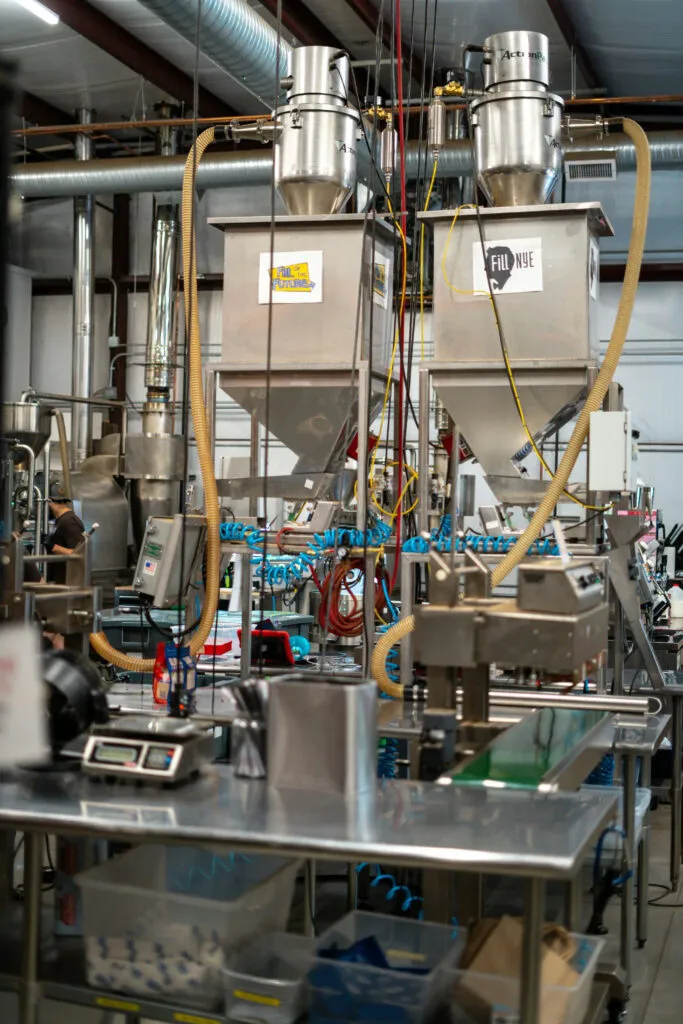
According to Leticia, the visibility of the roastery from the cafe naturally sparks conversations. “Because usually, customers will come in and point at the weigh-fills and be like, ‘Oh my gosh, are those the roasters?’ Instantly, we can be like actually, those are weigh fills, and we can explain how they work, and we can point out the roasters and talk about how they work, so we love that because it’s a way that we can have an education touch point without coming off snooty or like a know-it-all.”
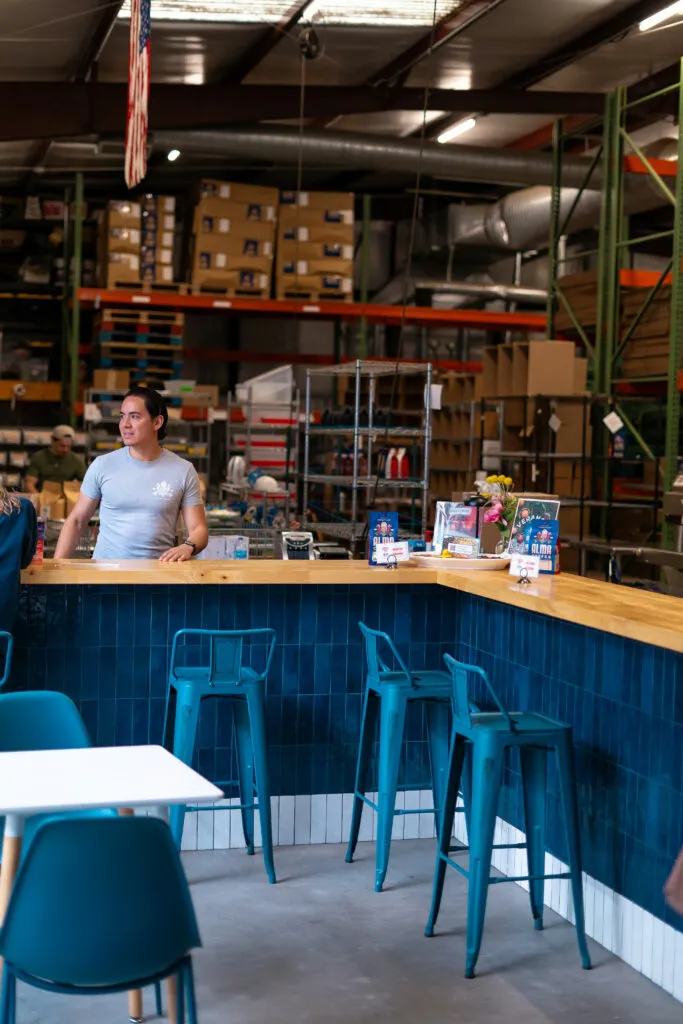
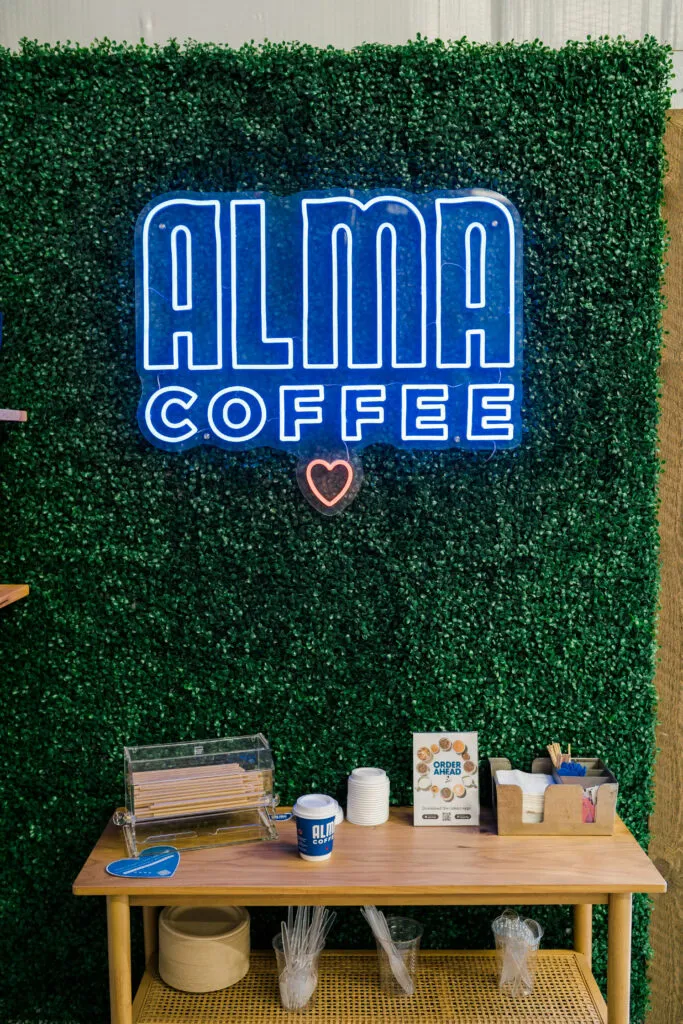
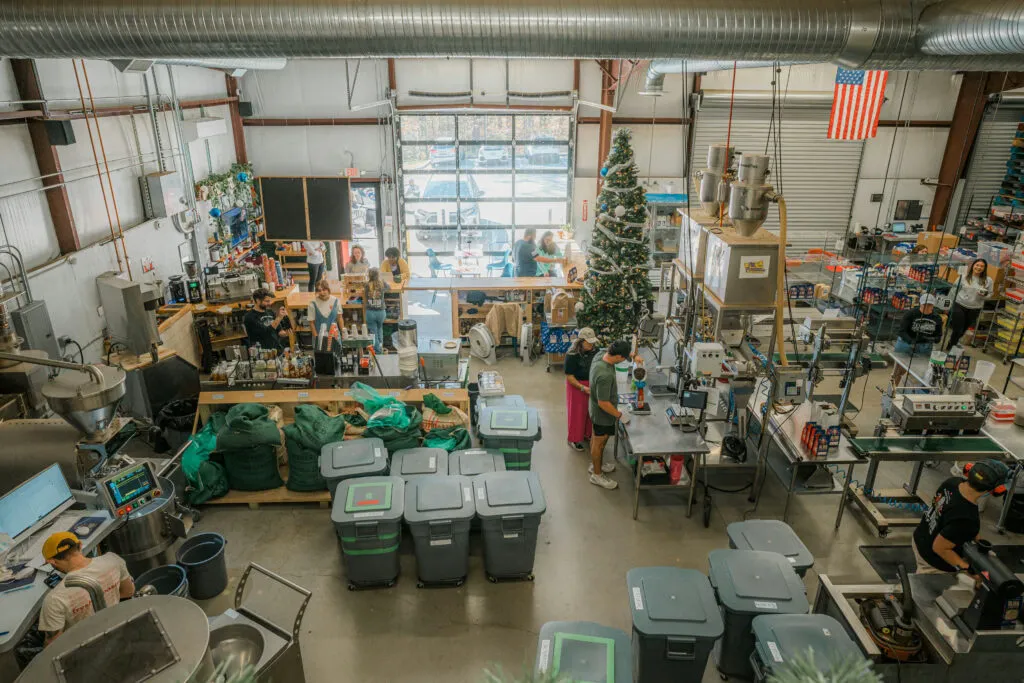
Many design and equipment decisions at Alma reinforce transparency and encourage open dialogue among the roastery, baristas, and customers.
Packed to Order: Visitors to Alma’s cafe and roastery will notice there are no coffee bags on the shelves. In keeping with Alma’s commitment to transparency and freshness, every bag is packed to order. This ensures customers receive freshly roasted coffee and provides an opportunity to share the roasting and packaging process.
Customers can watch their coffee being bagged, ground (by request), sealed, and handed to them. “If you aren’t in this coffee industry, you wonder what that process looks like,” Leticia says. “How do these bags get filled? It’s really cool to see it go from the roaster to you.”
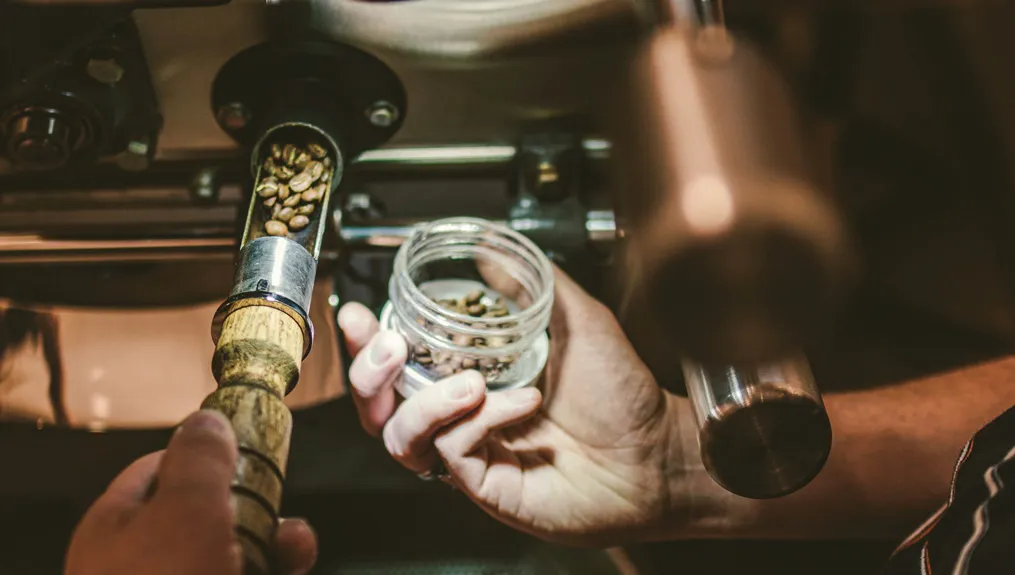
Training and QC Lab: The training and quality-control lab is the backbone of any roastery, especially those doing wholesale business. At Alma, this is where much of the action happens, from cuppings to training—the team even uses the space to make syrups for the cafe.
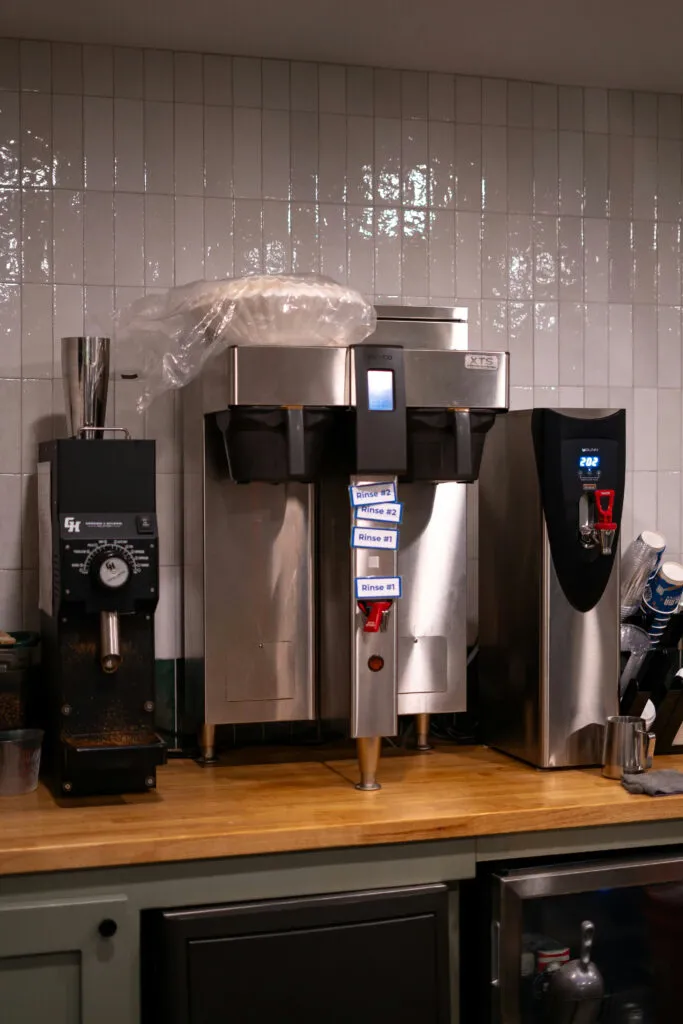
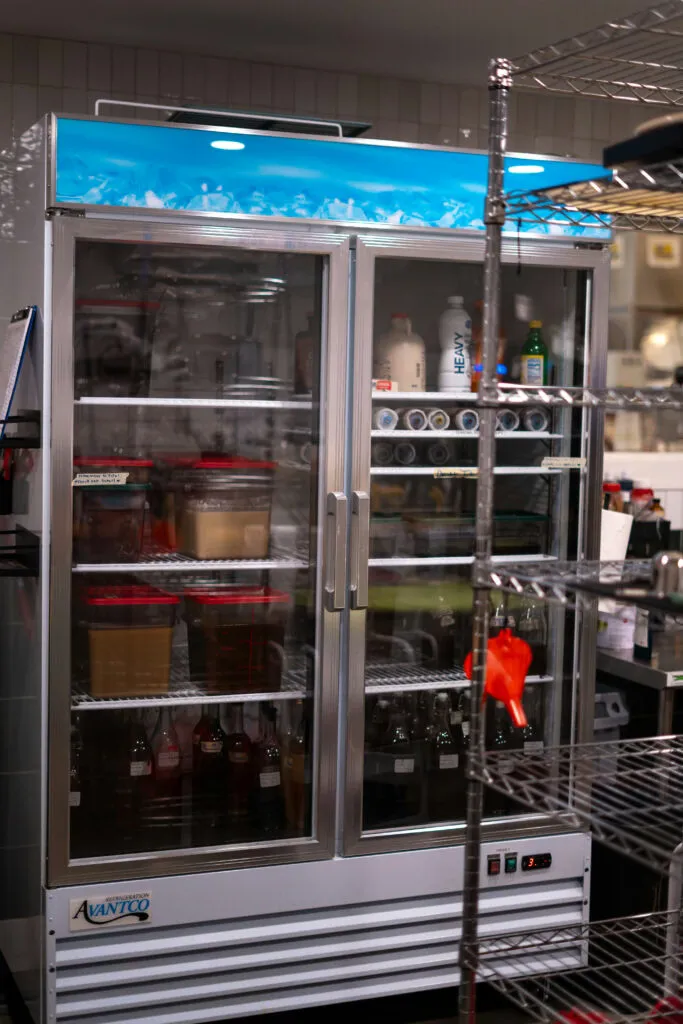
The lab is equipped with two espresso machines, a Slayer and a small La Marzocco, plus supplies for pour overs and cold brew. “We are very loyal to Mahlkonig for all our grinders but,” Leticia says of the lab equipment, “in terms of brewing equipment, we go off relationships we have formed throughout the years with individuals at SCA and other coffee events.”
Weigh Fills: “[Weigh fills are] something that we got two years ago, and before that, we were hand-filling everything,” Leticia says. Weigh fills help the Alma team bag coffee quickly without stopping to weigh each bag manually. “[The weigh fills] have been a huge help in terms of efficiency and posture for our employees. I mean, when you’re bending down, it’s not going to feel good after an eight-hour shift.”
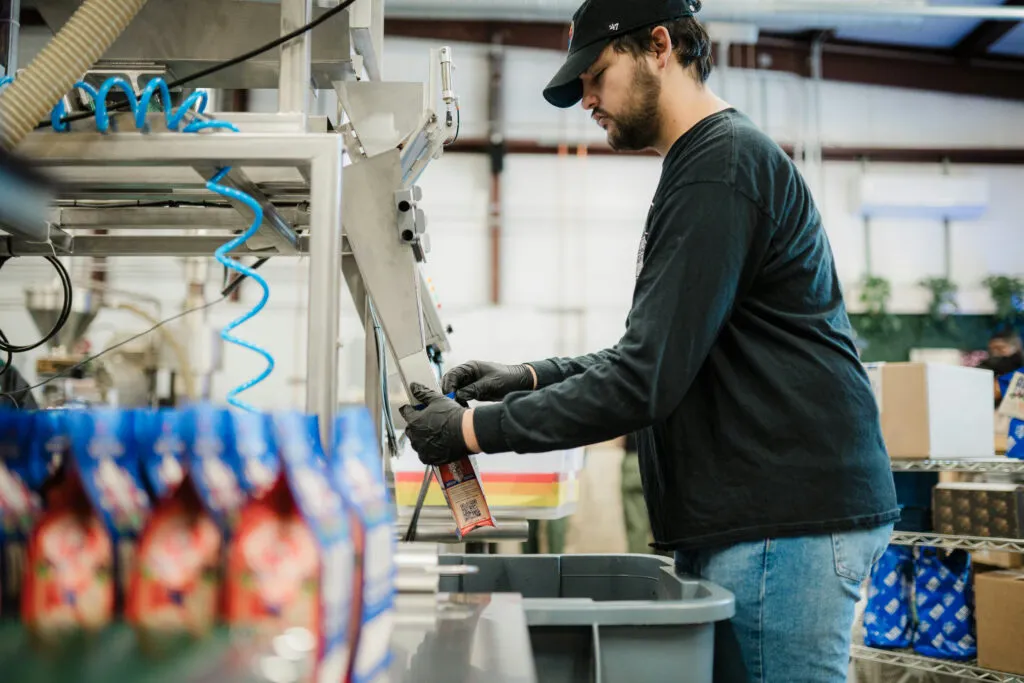
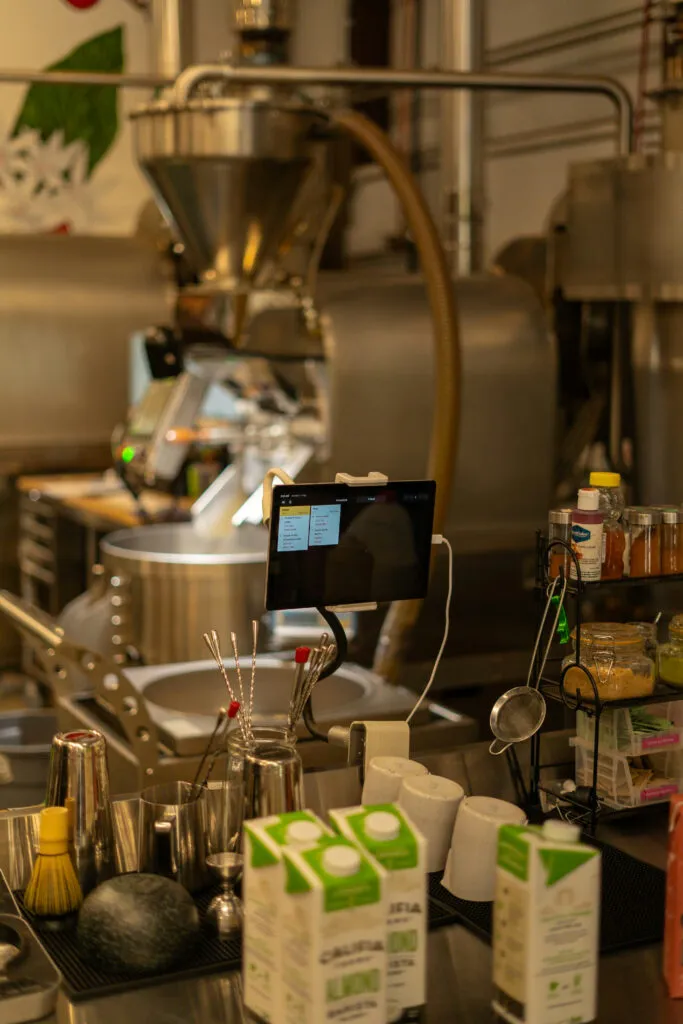
KDS System: A Kitchen Display Screen system is not commonly found in a roastery, but at Alma it helps track orders for coffee bags and refills. “The KDS allows different teams to see exactly what they need to do to take care of that customer in a timely fashion.”
When a customer orders coffee beans at Alma (since there are no retail bags on the shelf), they choose from the current offerings and pay at the register. The order appears on the KDS, and production staff prepare the bag or refill the customer’s reusable canister. “It’s going to be like 3-5 minutes, but it helps our fulfillment team say, ‘Hey, we have a fresh bag coming up.’”
Keep It Cool: Having a cafe inside a roastery means the Alma team must consider climate control. Georgia summers can be hot, and humidity can affect roasting, so the space is climate-controlled with air conditioning splits throughout to keep the temperature as regulated as possible.
Quiet Space: Coffee roasting is noisy, which can be difficult for customers trying to enjoy a quiet cup in the cafe area. “I will say the noise level can get a little high sometimes,” Leticia says. But Alma offers a quiet space away from the noise for patrons to enjoy coffee.
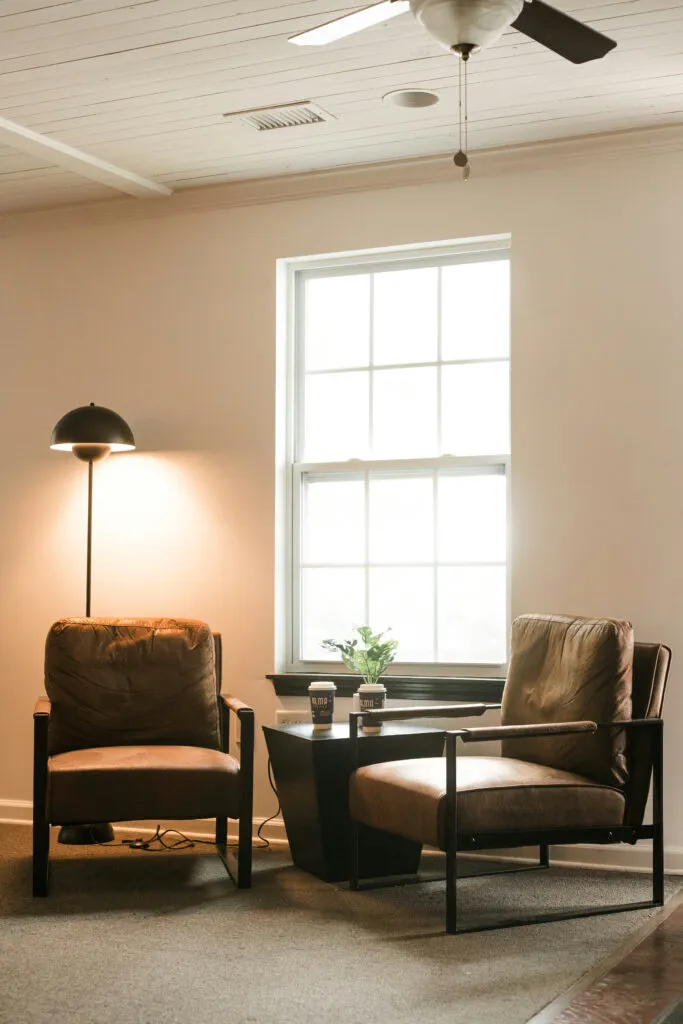
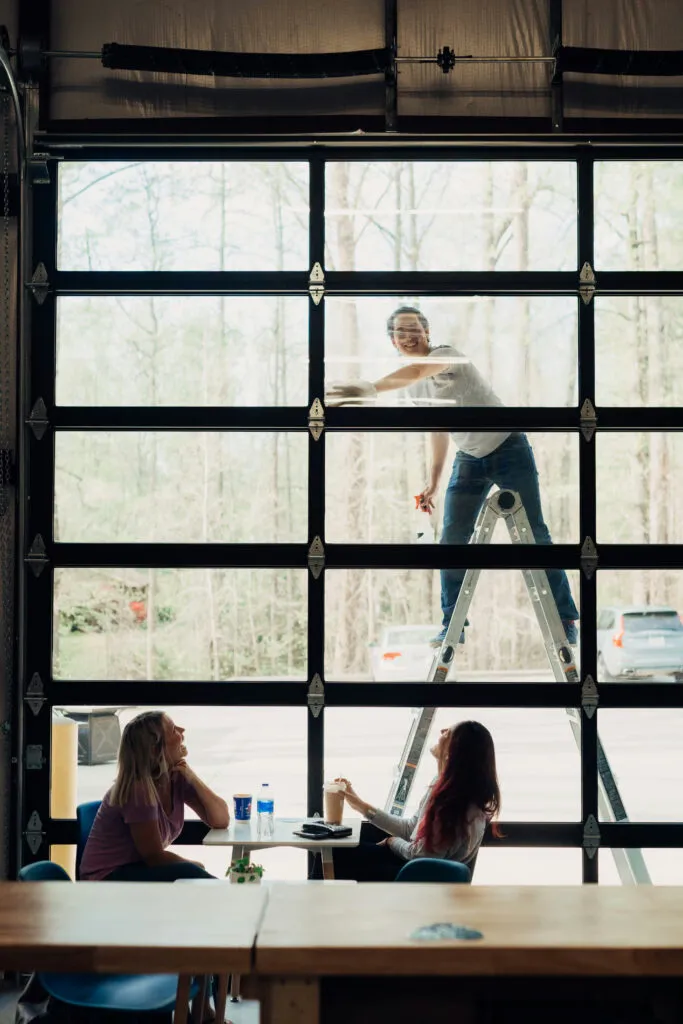
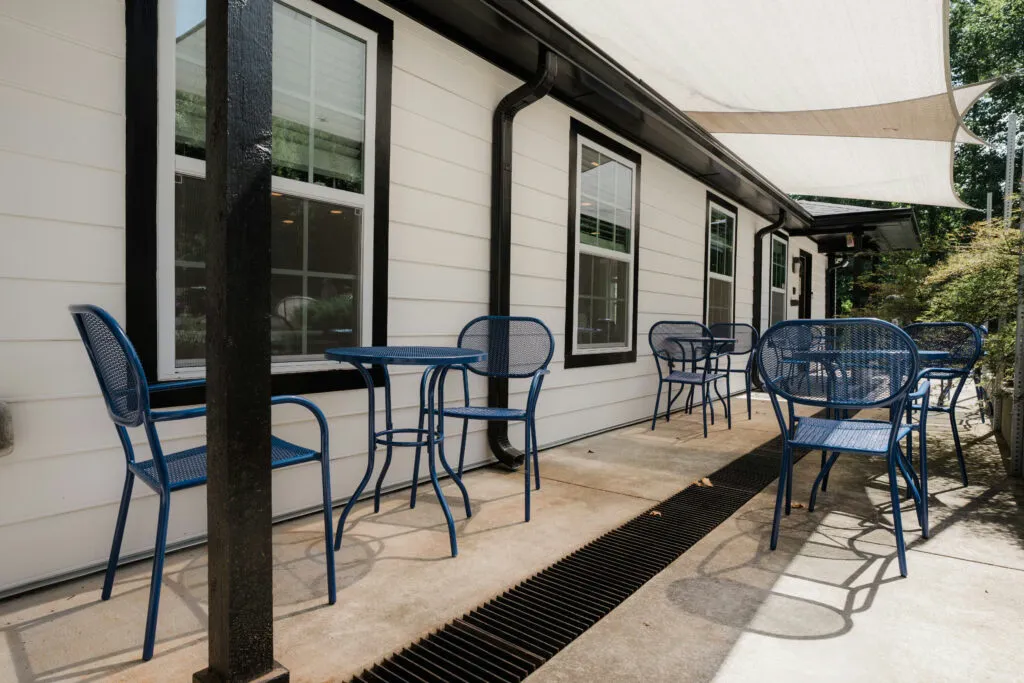
“If you just want to read a book, get some work done, have a zoom call, whatever it is, then you can go in that quieter space. We also have a great outdoor space: a huge patio in front of our office space with Adirondack chairs and fire pits.”
Pursuing Extraordinary Coffee
The final pillar around which Alma built its values is excellent coffee, and every team decision serves that goal. With so many moving parts, staying on top of everything in the roastery can be challenging, but Leticia says it all comes back to adhering to the brand’s values. “If we’re hitting those goals, we know we’re on the right track.”