The Enduring Foundation of Family Coffee Businesses
How one roasting family balanced heritage and market change while staying true to its roots.
By Dakota Foster4 min read
When Carlo Di Ruocco relocated our family from Europe to the Bay Area in the 1970s, he discovered almost immediately that good espresso was hard to find. In Italy, coffee means espresso—it is what everyone drinks, daily, over the course of a lifetime. Not inclined to abandon or simply tolerate the absence of something so fundamental to him, he chose to take matters into his own hands and make it himself.
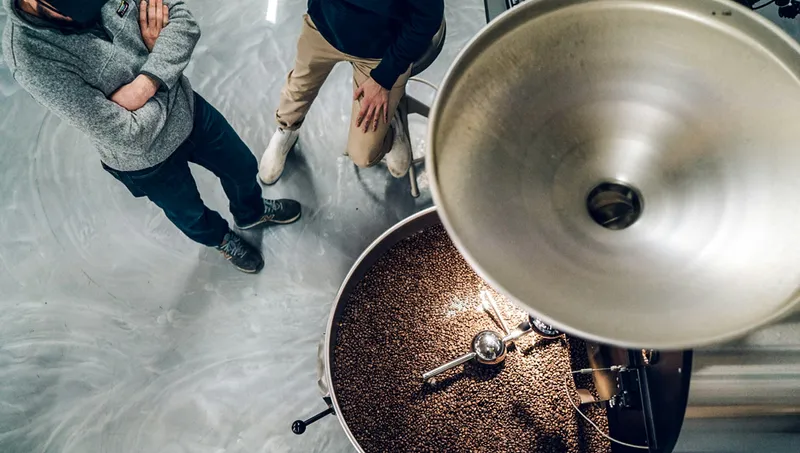
His first aim was to produce, in California, an espresso that expressed the regional style of his hometown of Salerno. Second, once he began roasting, he opted for the old-world method of roasting over an oak-wood fire, a technique he had learned as a teenage apprentice. In this way, the groundwork for our company's legacy was laid very early.
At the time my father arrived in the US, interest in Italian culture and products was on the rise, making it an ideal moment to start a coffee company rooted in a treasured Italian ritual. Espresso was a novelty, and ours matched what people were seeking: a well-balanced, medium-to-dark roast that was smooth and rich in flavor. Demand for my father's classically inspired Italian espresso came from Bay Area chefs including Alice Waters, Paul Bertolli, and Bradley Ogden, and it secured a place for espresso at American dining tables.
During the 1980s and 90s, Mr. Espresso kept growing, and we broadened our range with drip coffees and single-origin coffees, establishing our identity as a blend of Italy and the Bay Area. In fact, Mr. Espresso was an early adopter of fair trade and organic coffee. In 1999, we were roasting organic coffee for Chez Panisse. Together with other pioneers of that era, my father helped raise the bar for quality among American coffee drinkers.
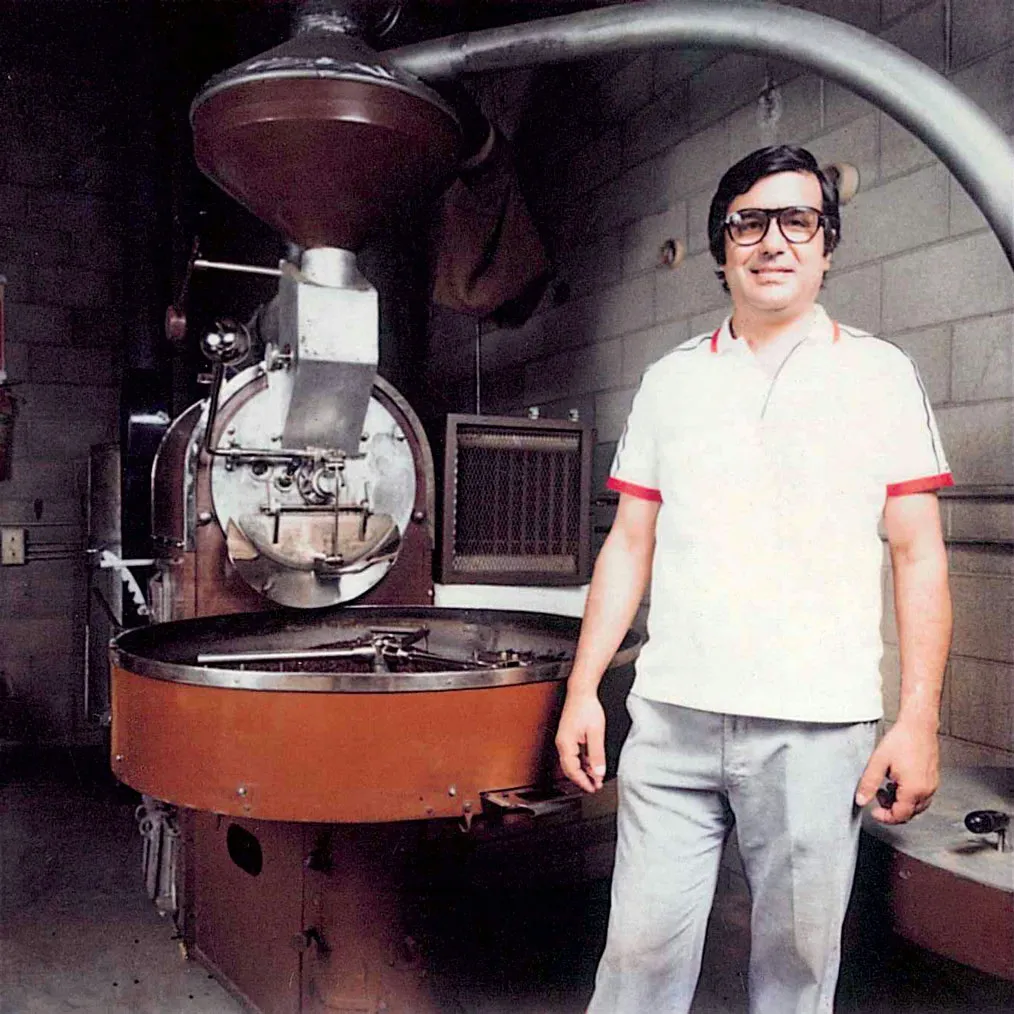
Carlo Di Ruocco roasting circa 1985.
Around that period, coffee prices had fallen to historic lows, and sustainability became an urgent concern in the coffee industry. A shared interest in fair prices and long-term viability for growers therefore fueled a movement that stressed ethical sourcing and traceability. One central goal was to raise consumers' perception of the value in a cup of coffee so that more profit could flow back to farmers.
A new wave of roaster-retailers grew out of this movement. They revived interest in roasting coffees—largely single-origin and lighter—and reintroduced preparation and service methods that placed particular emphasis on detail. These concepts were not new to the industry, but these newer roasters energetically brought them straight to consumers in the marketplace through practices such as single-cup pour overs in cafés.
We saw how the industry was shifting and were eager to adapt and modernize, yet we moved slowly—partly from inertia and partly from caution. As a wholesale roaster, we had built our business around meeting our clients' needs. Lighter roasting and pour-over brewing in particular posed challenges. We had always held that roasting coffees lighter is an excellent way to appreciate fine single-origin coffees, and in the early 2000s we offered about six of them, but our business was also built on variety—a single roast style would not meet the diverse needs of our customers. As light-roasted single-origins gained popularity, our clients wanted to try them but were not always prepared to give up consistency in price and flavor to chase the trend.
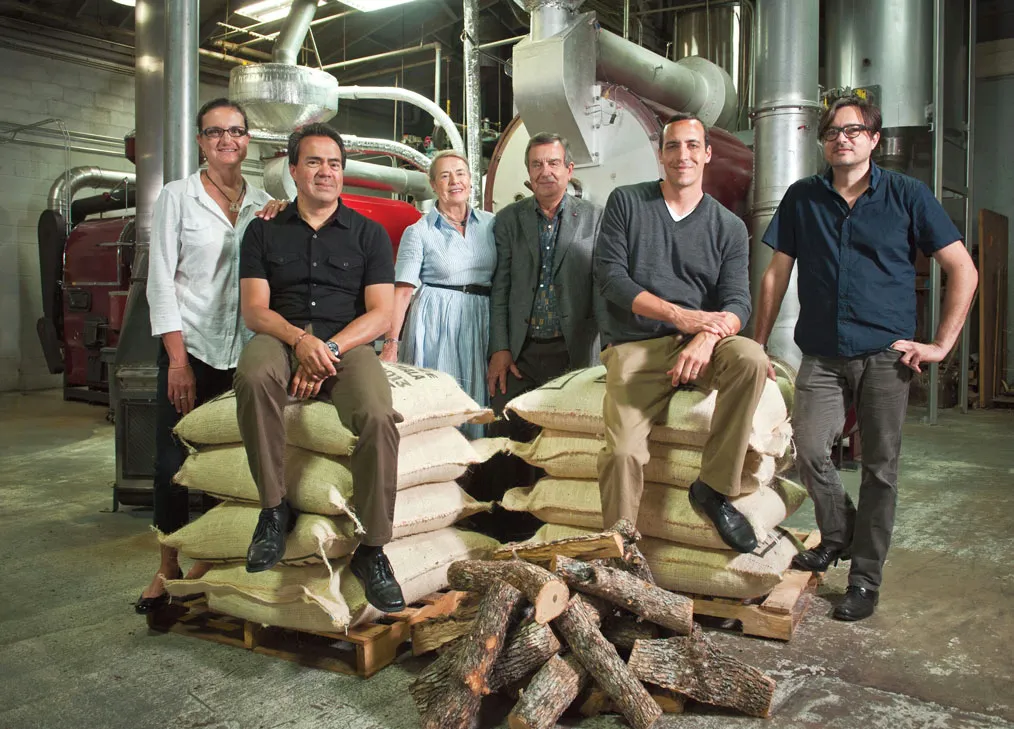
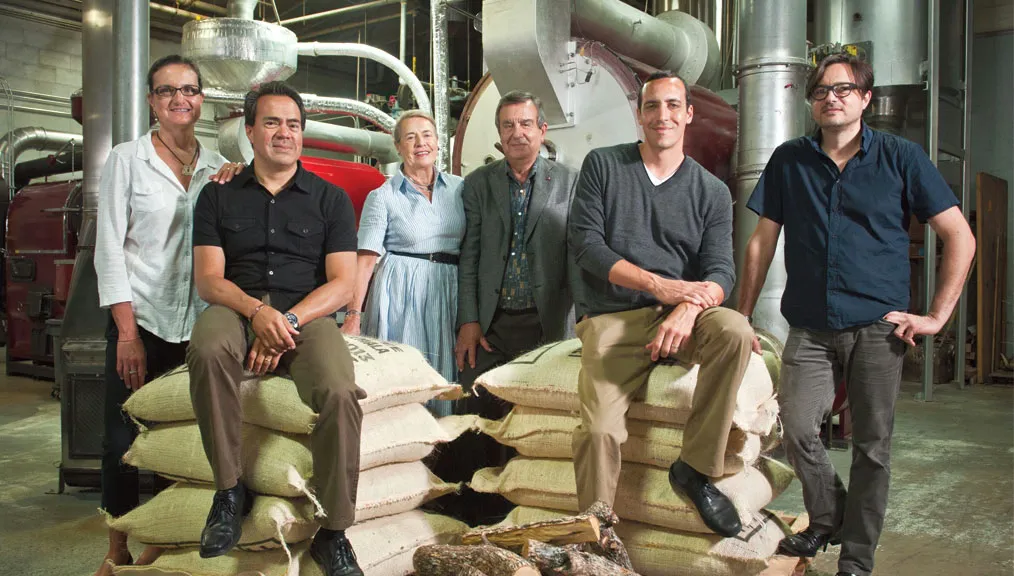
The Mr. Espresso Family: (from left) sister Laura Zambrano and her husband Alex Zambrano; mother Marie-Francoise and father Carlo Di Ruocco; brothers Luigi and John Di Ruocco.
With pour-over brewing, we watched several new roaster-retailers build their businesses around the method. It was impressive, and it pushed us to consider how far we should incorporate it into our wholesale program. Would it amount to chasing a trend? Would it outperform what we already offered our customers? At the time, we knew our benchmark brew standards, achieved through high-quality batch brewers, and we did not feel that we, or our clients, could consistently surpass them with pour-over methods enough to implement pour-over programs systematically.
The newer companies that did innovate and build business on these trends demonstrated that they could succeed. In many respects, we were unable to capitalize on the growth emerging in that segment of the market because we concentrated on preserving our identity for our existing client base. That is the challenge a multi-generation company faces.
Still, it is gratifying to see that as trends keep evolving, customers are returning to us, or new customers are arriving in search of more classic coffees and blends. Today, pour-overs remain part of the picture when it comes to appreciating fine coffee, but they are not dominant as they once were, as batch brewing returns to favor. One reward of being a legacy roaster, we have come to realize, is having the experience to assess trends and decide how to adopt or reject them.
Our experience as a legacy roaster in a fast-changing coffee world has also reinforced for us that we did not need to alter our company's identity—the foundation my father laid proved very durable. While our areas of strength may have briefly fallen out of fashion, competition has taught us to become even better at what we do, as an all-around roaster and a provider of coffee, service, and support to our clients. For us, the ultimate test for adopting anything new is whether it helps improve our quality. With that in mind, we have tried to stay focused on doing things our way, as well as we can.