Climate & Environment
Brewing a Greener Cup: Creative Reuses for Coffee's Hidden Byproducts
From nutrient-rich pulp to earthy chaff, discover practical ways to repurpose coffee's leftovers and reduce the footprint of your daily brew.
From nutrient-rich pulp to earthy chaff, discover practical ways to repurpose coffee's leftovers and reduce the footprint of your daily brew.
The coffee industry is finding new revenue and reducing environmental harm by transforming cherry pulp, grounds, and other byproducts into flour, biofuels, inks, and compostable materials.
Sarah Ali's Brew_Lab project, developed with climate scientists and NASA, simulates the flavors of coffee from three futures—Brazil 2027, Sierra Leone 2080, and Mars 2126—using custom scents to explore how climate change might transform our daily cup.
A two-location coffee company in Illinois moved away from plastic straws before a citywide ban took hold, pairing paper and plant-based options with steel straws, composting, and branded drinkware discounts that turned sustainability into a customer loyalty perk.
Coffee shops distribute roughly 250 billion paper cups annually, most of which end up in landfills. Packaging that claims recyclability can be misleading because recycling infrastructure is costly and unavailable in many areas. A zero-waste program offers a framework for cafés to reduce waste through audits, goal-setting, and practical changes.
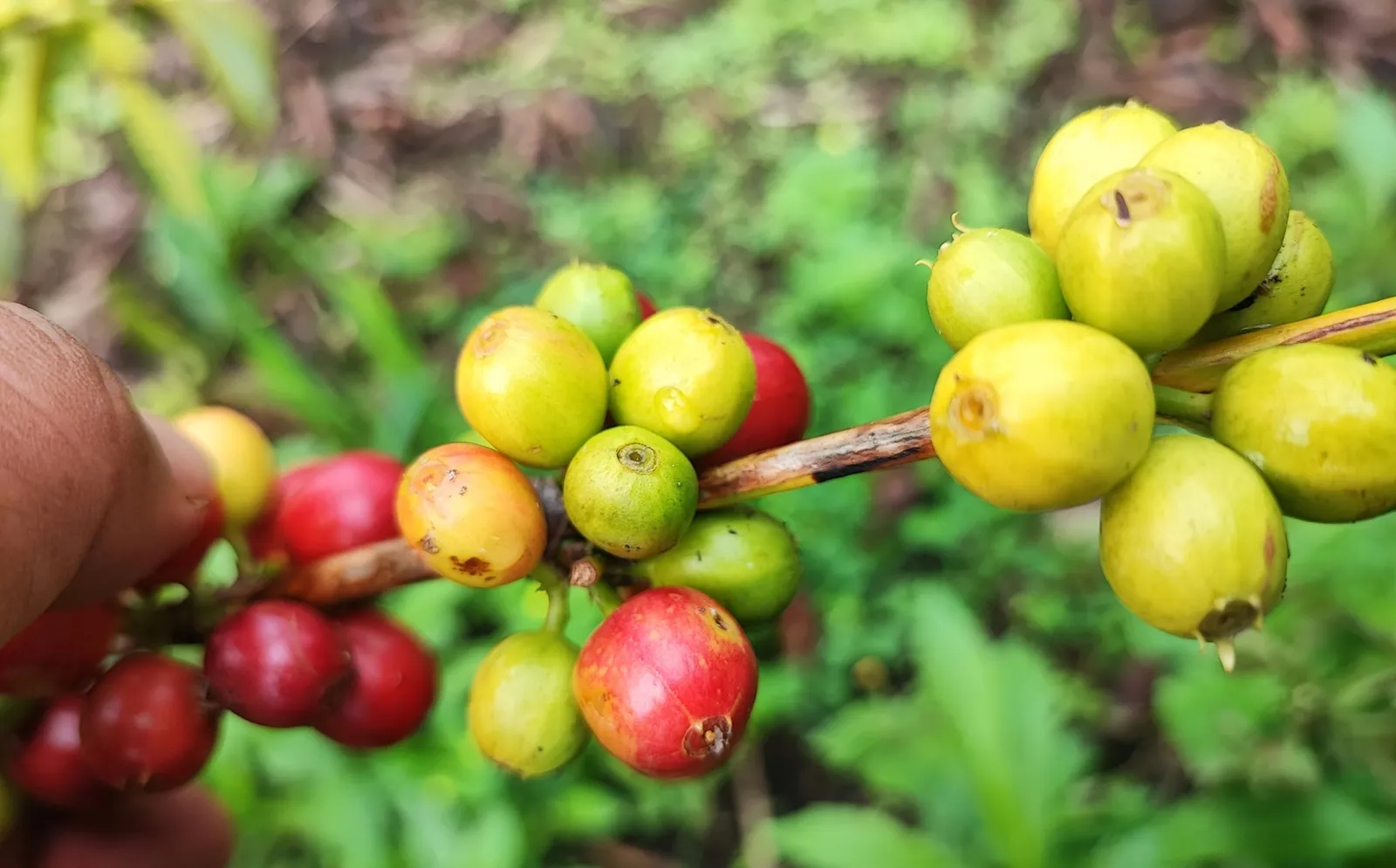
Two producer-led initiatives—one in Mexico, one in Costa Rica—show how coffee pulp, mucilage, and parchment can be turned into valuable resources rather than waste.
Beyond the notorious pests, a range of animals and insects quietly support coffee production, from predatory wasps to pollinating bees and weed-eating amphibians.
From parched farms in India to unpredictable flowering in Peru, drought is stressing coffee plants, cutting yields, and altering bean quality. Producers are adapting with irrigation, agroforestry, and generational knowledge, but the challenges are mounting across the value chain.
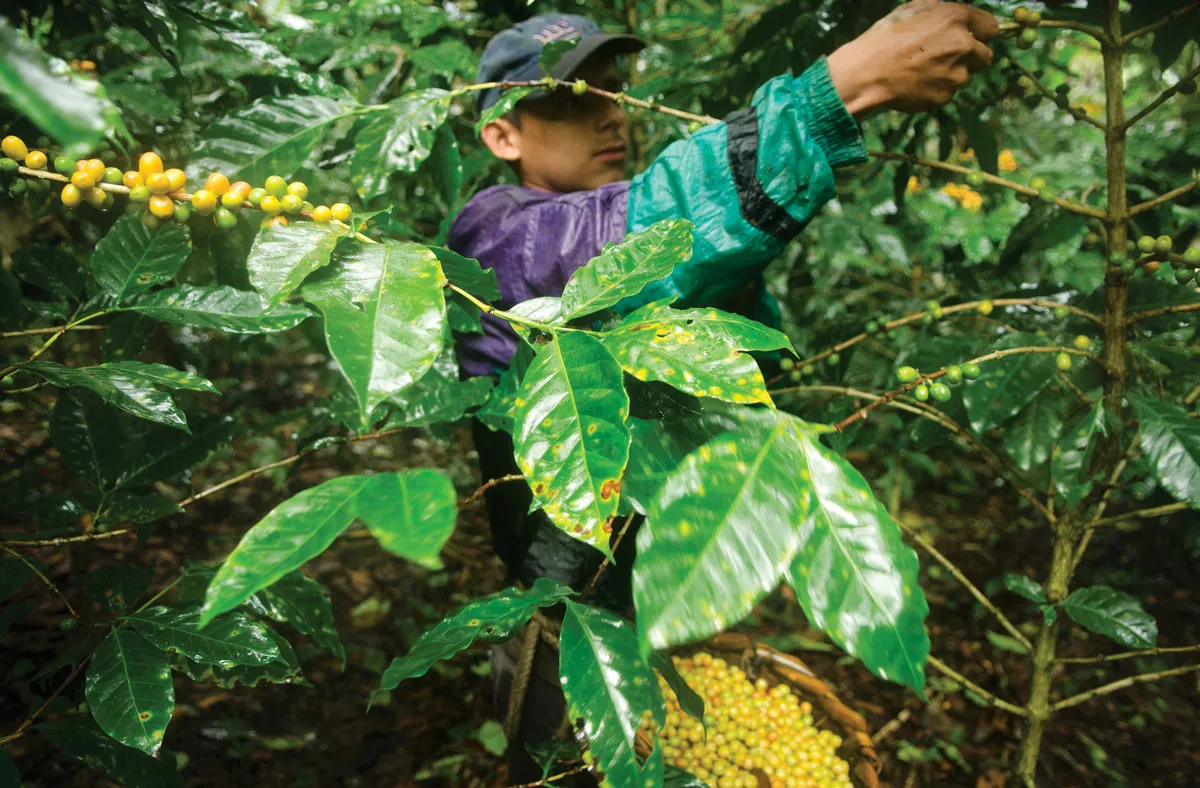
A remote farming community in Nicaragua's Miraflor reserve confronts the coffee rust epidemic, and one family's harvest reveals both loss and endurance.
Coffee drinkers often learn where their beans were grown and who grew them, yet the voyage that brings those beans across the ocean—by far the most carbon-intensive leg of the journey—rarely enters the conversation. A handful of small operators are trying to change that by moving cargo under sail.
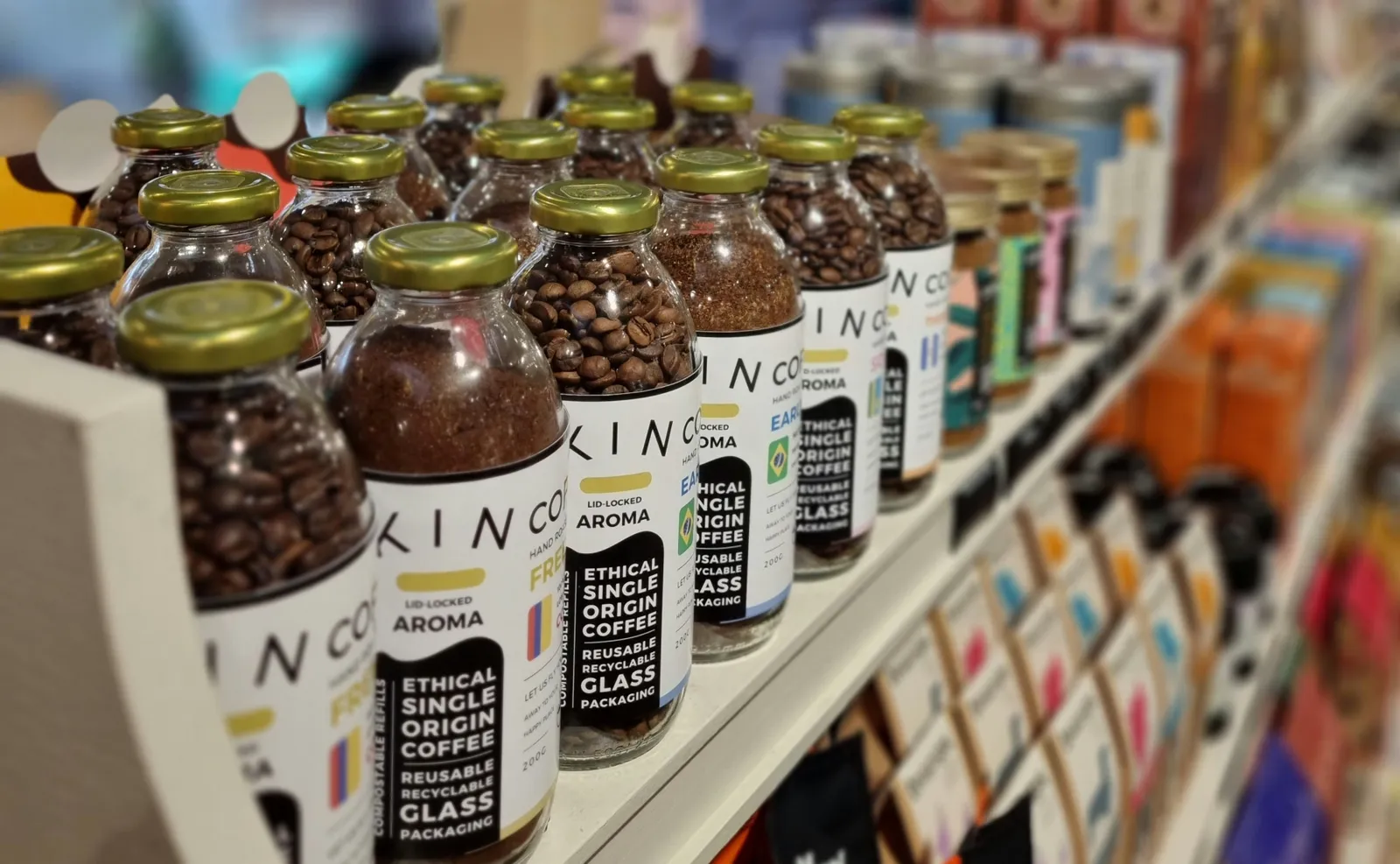
Gregory Salmon and Kate Frost of Kin Coffee, a small roastery in Kent, have learned that sustainability demands constant tweaking—from glass jars to compostable mailer pouches—and they keep adjusting as better options emerge.
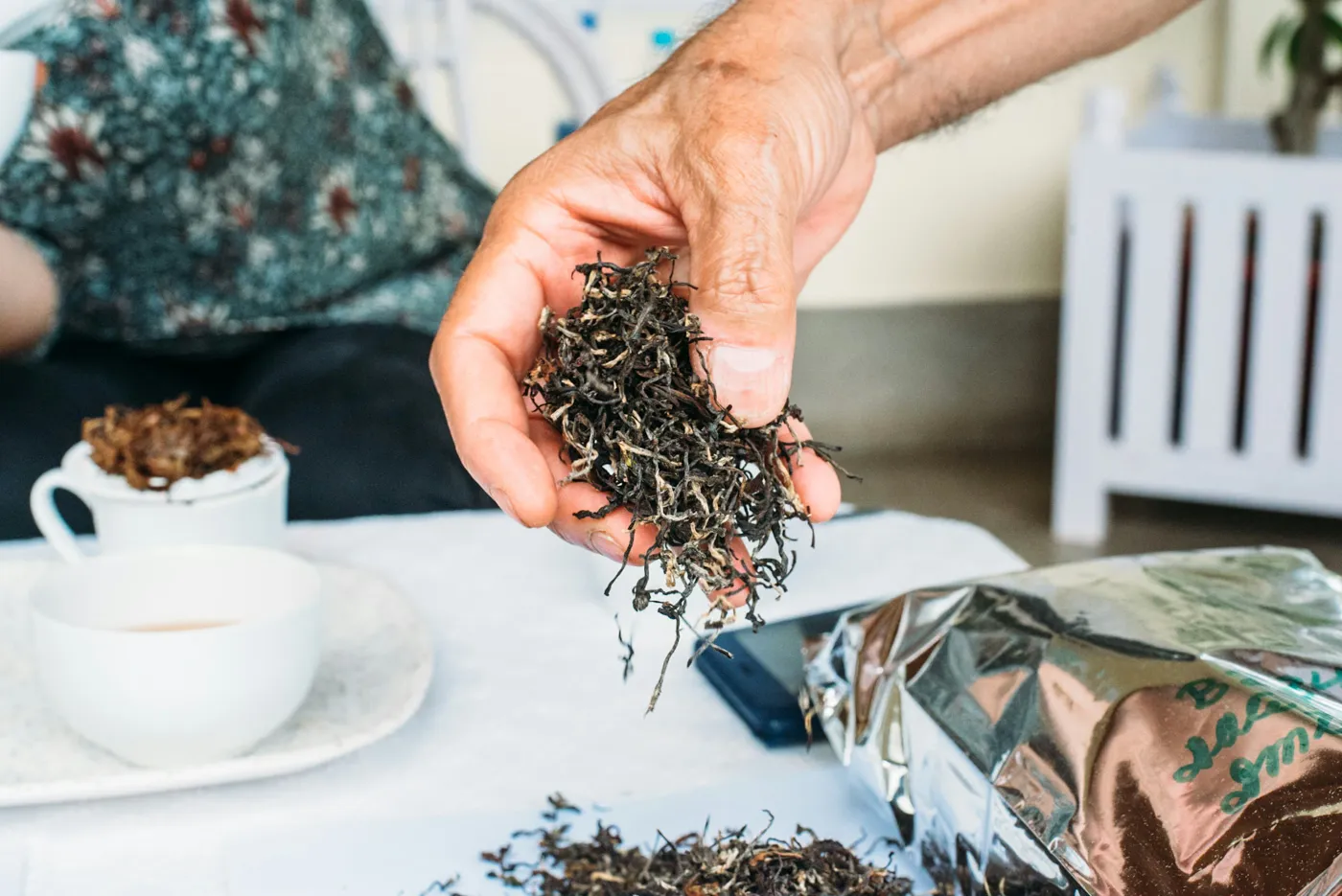
As erratic weather threatens the renowned muscatel character of Darjeeling tea, estate owners are testing irrigation, drought-tolerant clones, organic farming, and new processing techniques, though economic pressures and a lack of government aid complicate these efforts.
Research at two UK campus cafés suggests that simply making plant-based milk the standard, with dairy available on request, shifts customer habits and lowers the average carbon footprint per drink.