Decoding Coffee Certifications: What Those Little Logos Really Tell You
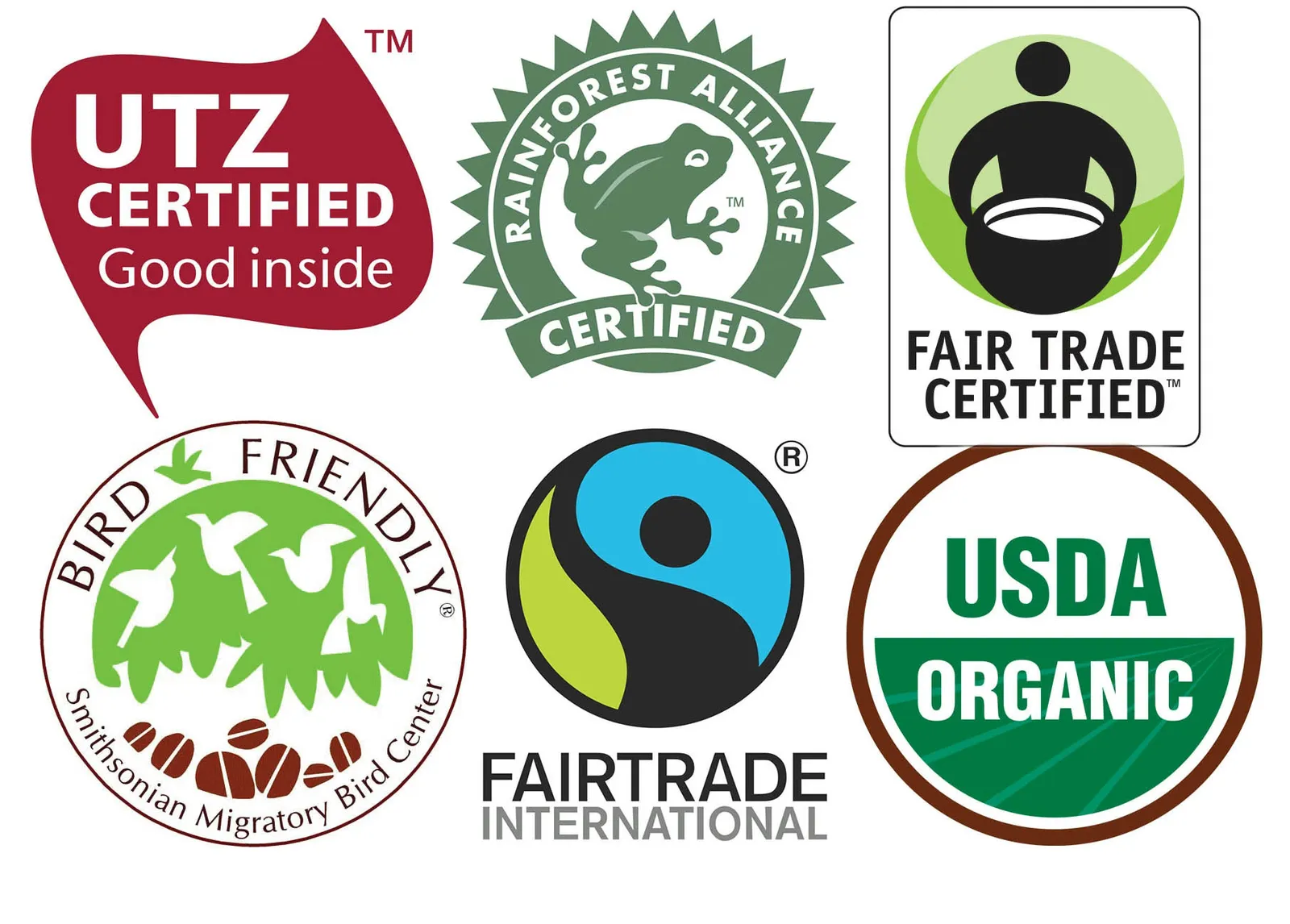
From organic to B Corp, certification seals on coffee bags promise transparency—but understanding their distinct aims and limitations is key to making informed choices.
Section
33 stories
From organic to B Corp, certification seals on coffee bags promise transparency—but understanding their distinct aims and limitations is key to making informed choices.
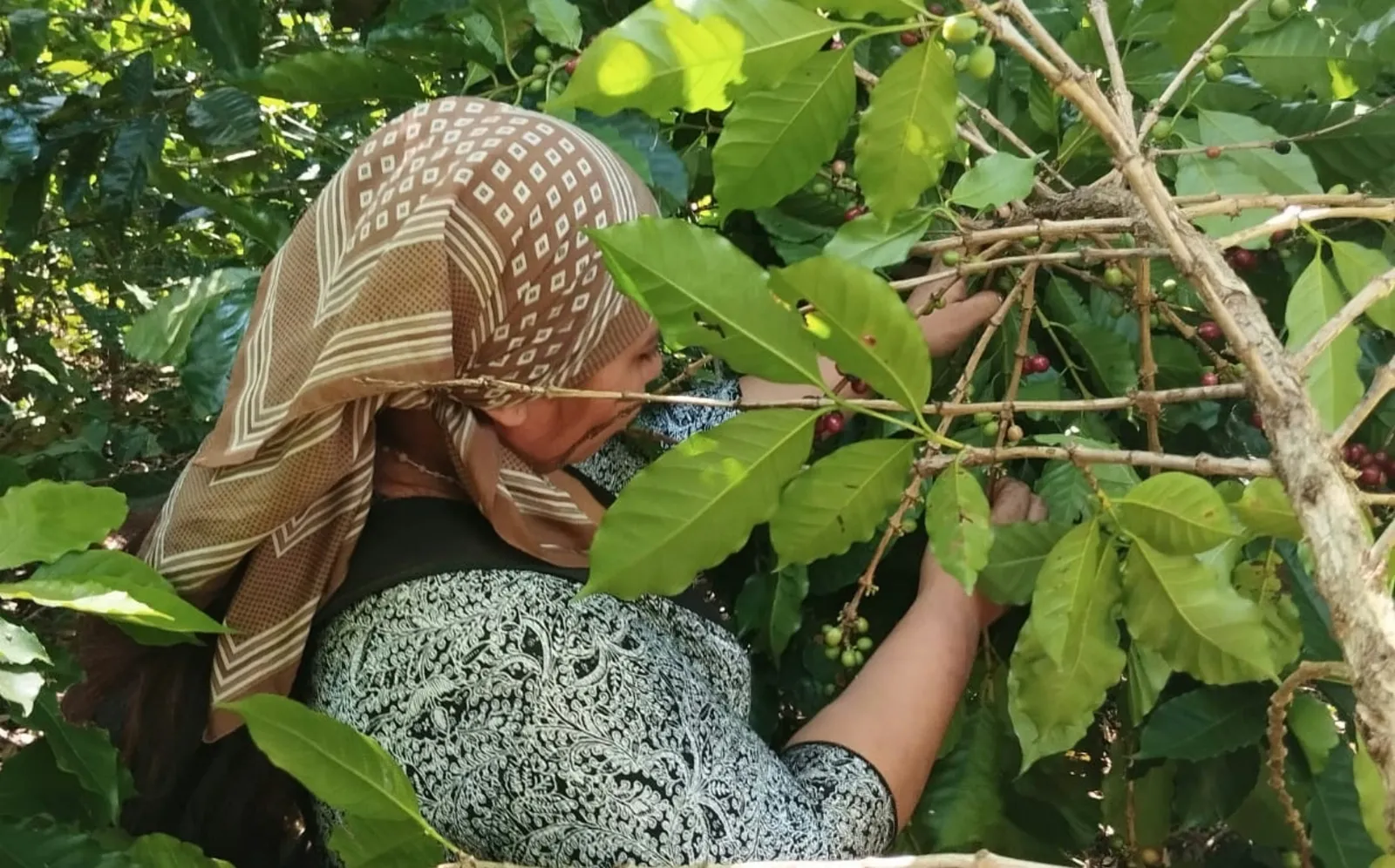
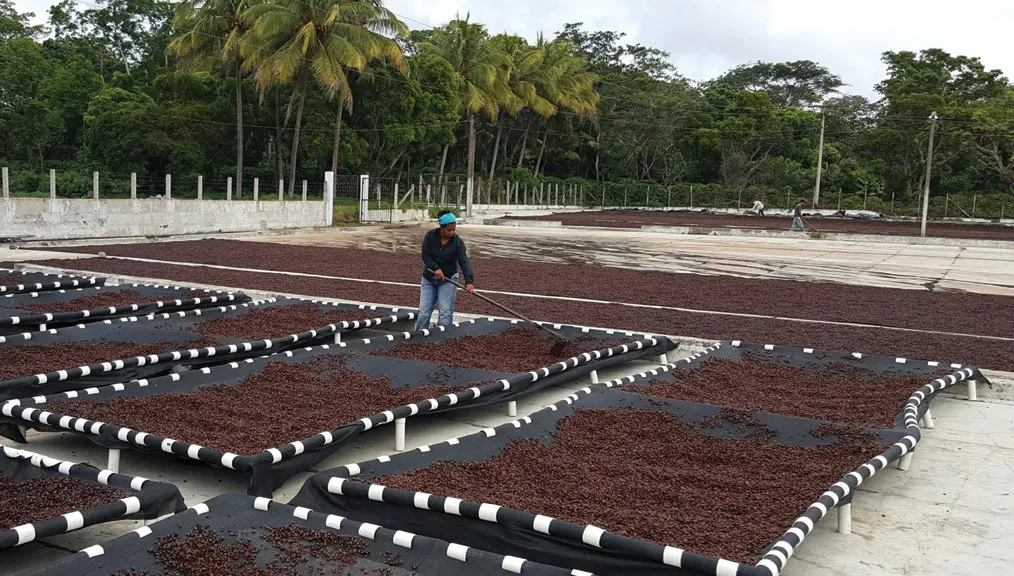
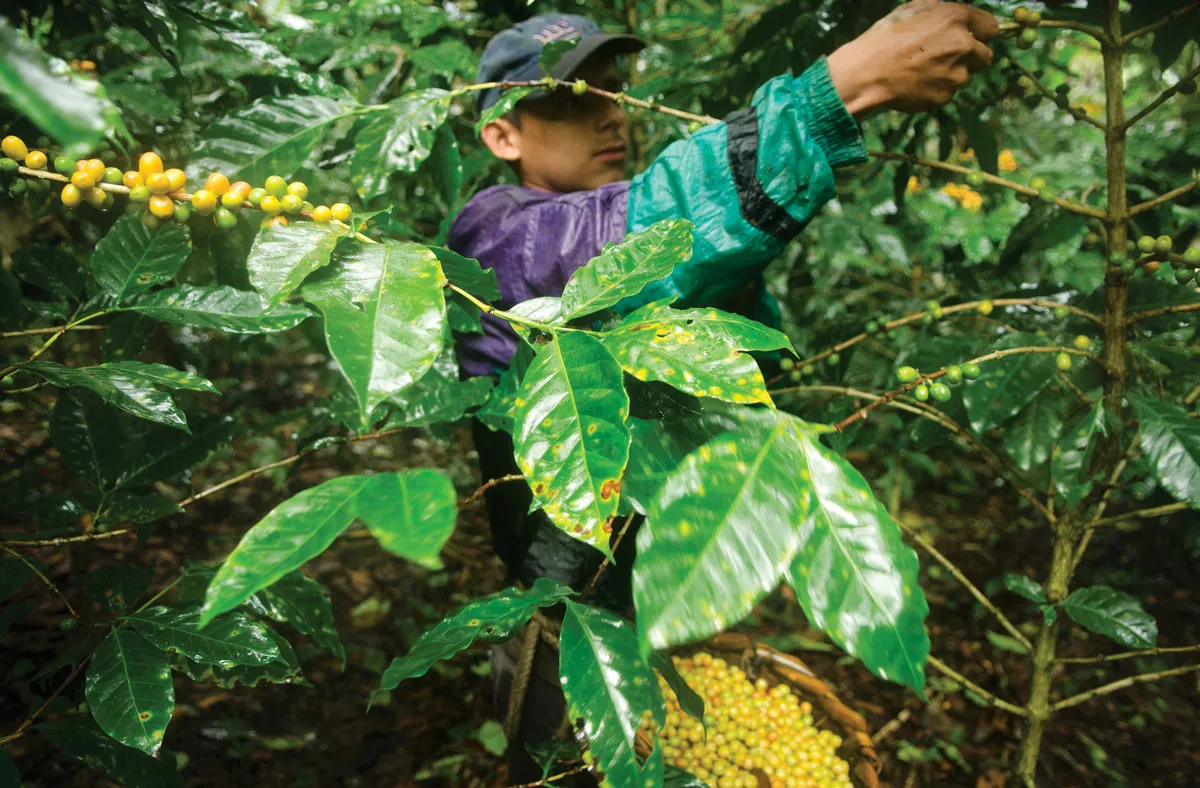
A visit to a Nicaraguan coffee farm reveals how women pickers juggle demanding harvest work with childcare and household duties, often relying on each other for support.
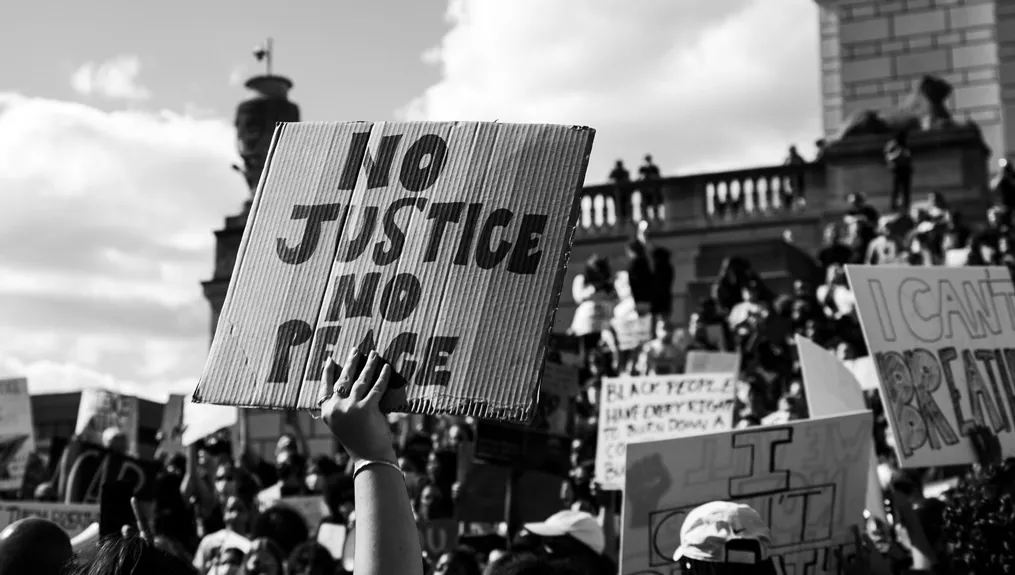
How coffee professionals responded to calls for racial justice, from an open letter that led to a new coalition to roasteries pledging anti-racism and a Brooklyn collaboration supporting businesses owned by people of color.
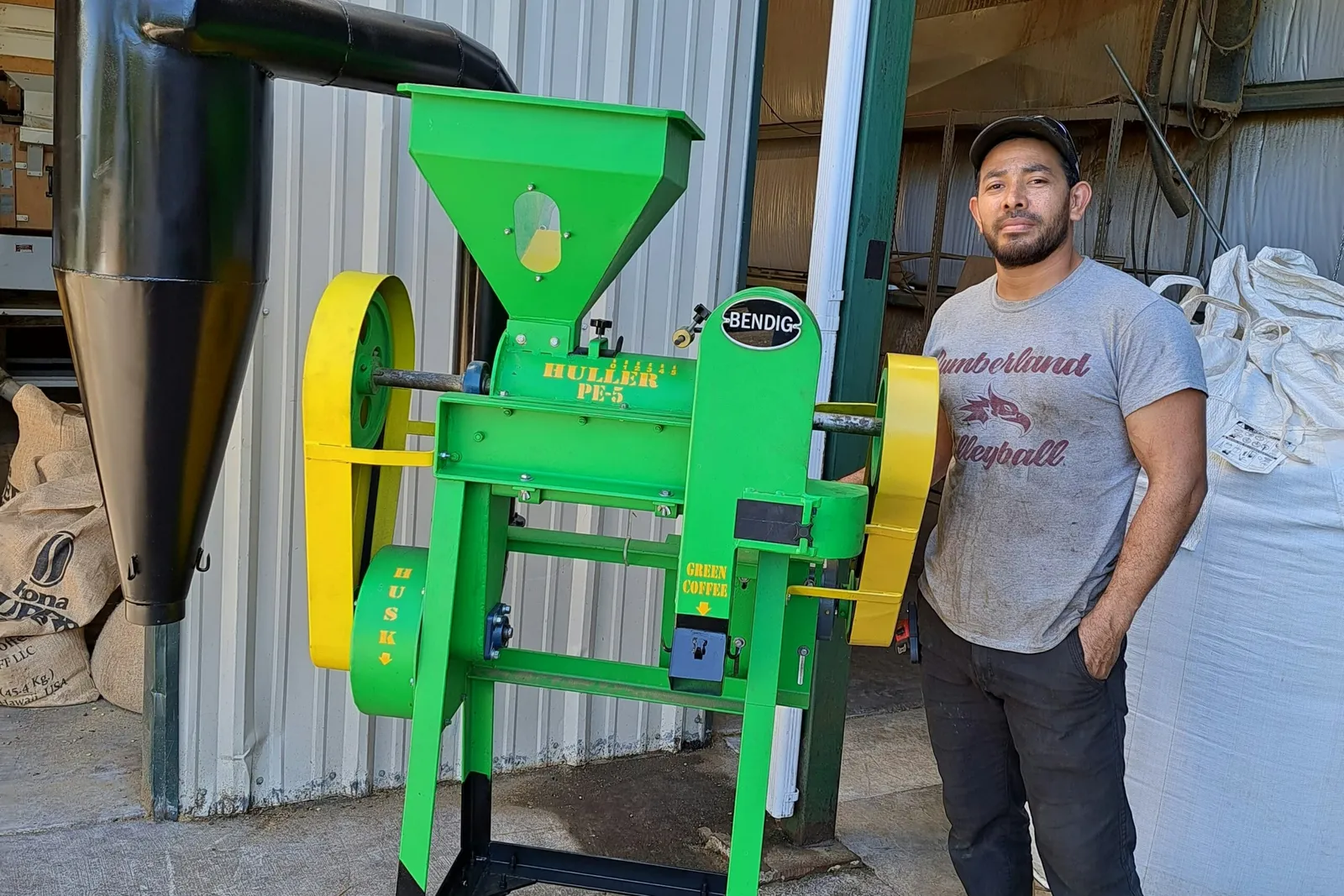
Juan José Estrada Lopez, a Nicaraguan coffee equipment specialist in Hawaii, was taken into custody during his adjustment-of-status interview and held for over five months. His release followed legal action by the ACLU of Hawaii and a judge’s approval of his green card.
From nutrient-rich pulp to earthy chaff, discover practical ways to repurpose coffee's leftovers and reduce the footprint of your daily brew.
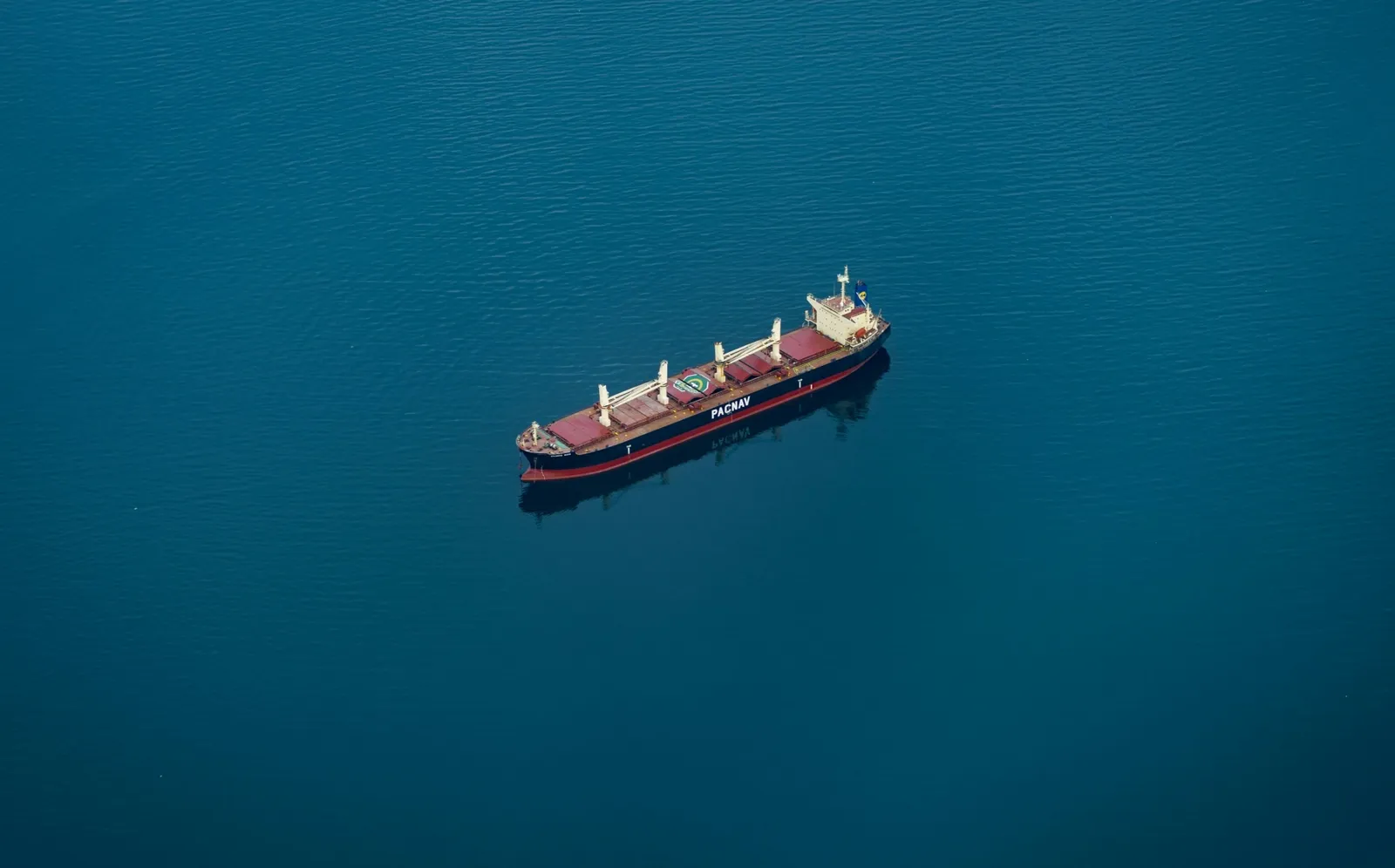
As Houthi attacks disrupt a key shipping lane, the coffee sector focuses on logistics and costs, prompting questions about its ethical stance on the conflict that triggered the crisis.
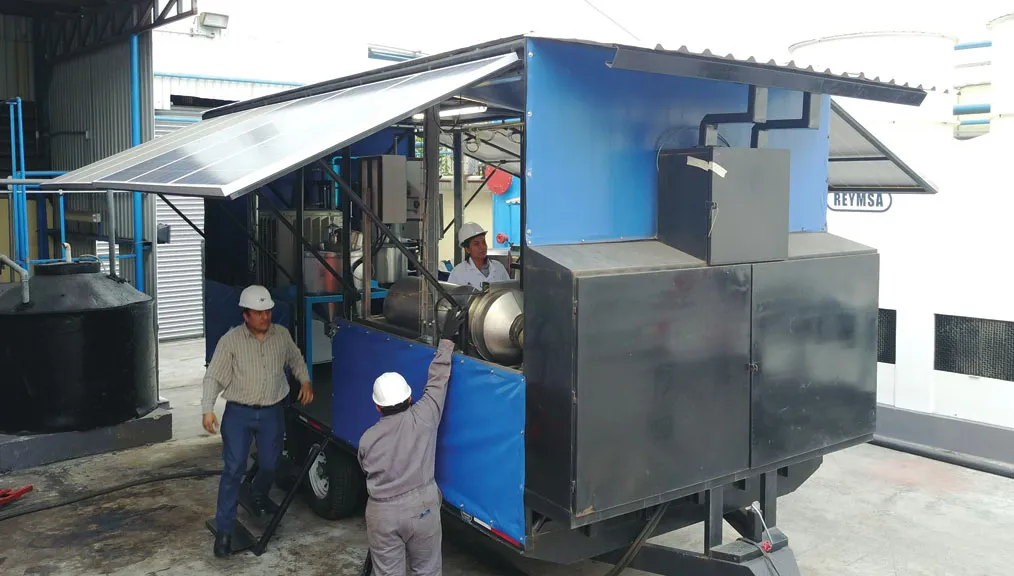
The coffee industry is finding new revenue and reducing environmental harm by transforming cherry pulp, grounds, and other byproducts into flour, biofuels, inks, and compostable materials.
Sarah Ali's Brew_Lab project, developed with climate scientists and NASA, simulates the flavors of coffee from three futures—Brazil 2027, Sierra Leone 2080, and Mars 2126—using custom scents to explore how climate change might transform our daily cup.
A two-location coffee company in Illinois moved away from plastic straws before a citywide ban took hold, pairing paper and plant-based options with steel straws, composting, and branded drinkware discounts that turned sustainability into a customer loyalty perk.
Coffee shops distribute roughly 250 billion paper cups annually, most of which end up in landfills. Packaging that claims recyclability can be misleading because recycling infrastructure is costly and unavailable in many areas. A zero-waste program offers a framework for cafés to reduce waste through audits, goal-setting, and practical changes.
A look back at the forces that reshaped the coffee trade: U.S. tariff policy, volatile futures markets, stalled retail prices, and the SCA's overhaul of quality assessment.
Two producer-led initiatives—one in Mexico, one in Costa Rica—show how coffee pulp, mucilage, and parchment can be turned into valuable resources rather than waste.
A guide to navigating trade transformation, tariff classification, and country-of-origin rules for coffee shipments into the United States.
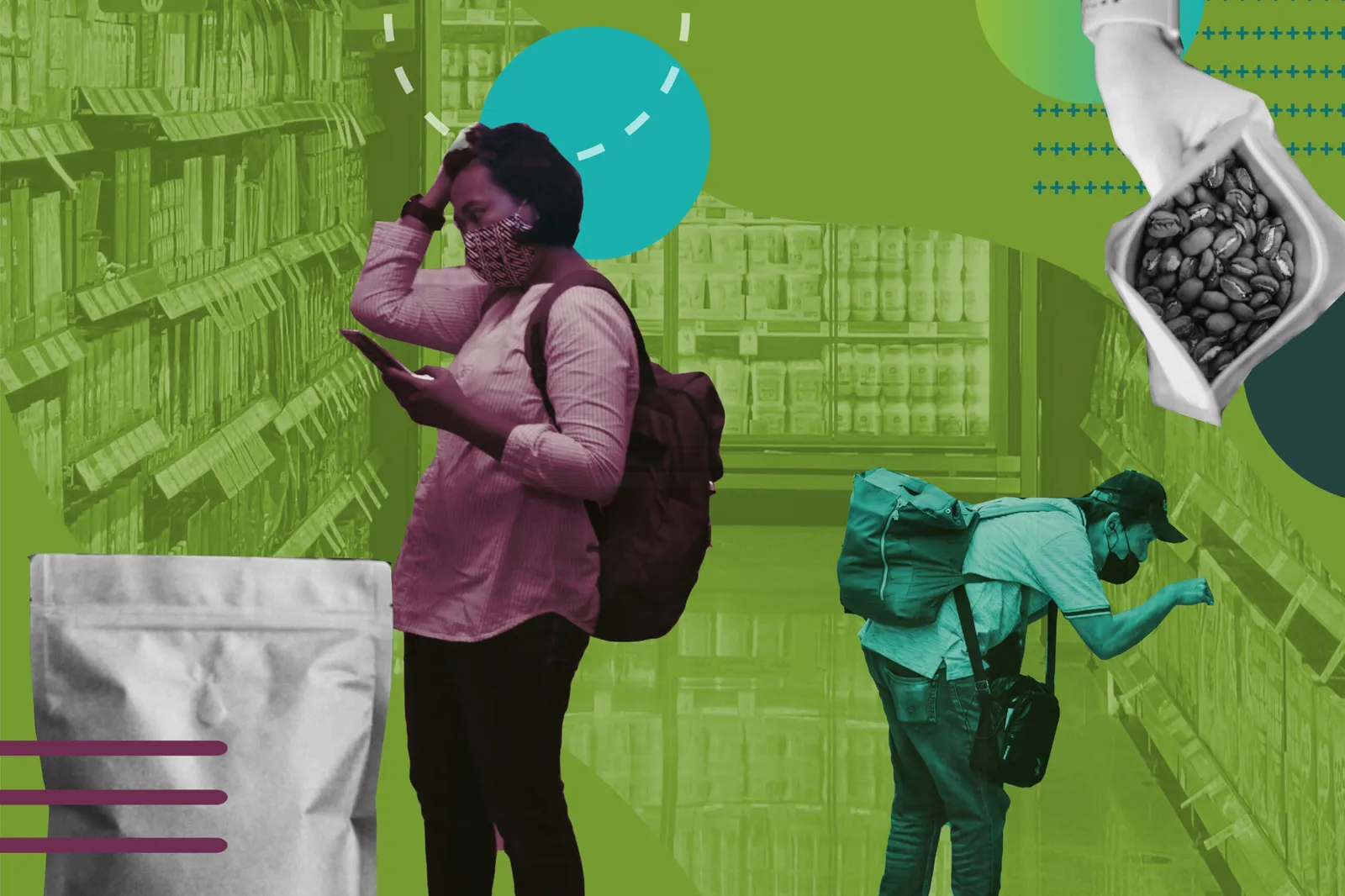
Shoppers may glance past the seals on coffee bags, but the story behind those marks—and whether they sway purchases—is more complicated than it seems.
Beyond the notorious pests, a range of animals and insects quietly support coffee production, from predatory wasps to pollinating bees and weed-eating amphibians.
From parched farms in India to unpredictable flowering in Peru, drought is stressing coffee plants, cutting yields, and altering bean quality. Producers are adapting with irrigation, agroforestry, and generational knowledge, but the challenges are mounting across the value chain.
Digital ledger initiatives are being used to trace beans, connect farmers with buyers and lenders, and open up pricing data—though the technology alone does not ensure fairness.
A remote farming community in Nicaragua's Miraflor reserve confronts the coffee rust epidemic, and one family's harvest reveals both loss and endurance.
Coffee drinkers often learn where their beans were grown and who grew them, yet the voyage that brings those beans across the ocean—by far the most carbon-intensive leg of the journey—rarely enters the conversation. A handful of small operators are trying to change that by moving cargo under sail.
A 74-page report commissioned by three sustainability groups examines how money moves through the coffee supply chain, revealing that extra consumer spending does not automatically reach producers and that family labor is often unaccounted for.