Balancing Act: How Five Roasters Build Their Signature Espresso
From a Bend bike trail to a canyon above Los Angeles, these five roasting companies reveal how they design espresso blends that hold up neat or under steamed milk—and why consistency drives every decision.
By Elliot Lewis5 min read
Espresso anchors nearly every cafe menu. Long-standing convention has associated espresso blends with darker roasting and flavors such as caramel, molasses, and brown sugar, yet a number of roasters are now weaving bolder, fruit-forward profiles into their flagship espresso offerings.
What separates a memorable espresso is equilibrium. The roaster's task is to build something that lingers in the memory whether it is enjoyed as a straight shot or cutting through steamed milk in a latte. Because most cafe revenue comes from espresso-based beverages, striking that balance is among the most consequential choices a roasting company makes: the blend needs to be distinctive, adaptable, and cohesive all at once.
Thump Coffee
Location: Bend, Oregon Espresso: Storm King
Storm King takes its name from a mountain bike trail near Bend, Oregon. The blend pours bright, with berry notes, deep chocolate, and a velvety mouthfeel. Owner Bobby Grover builds it around a single aim: every cup should taste the same.
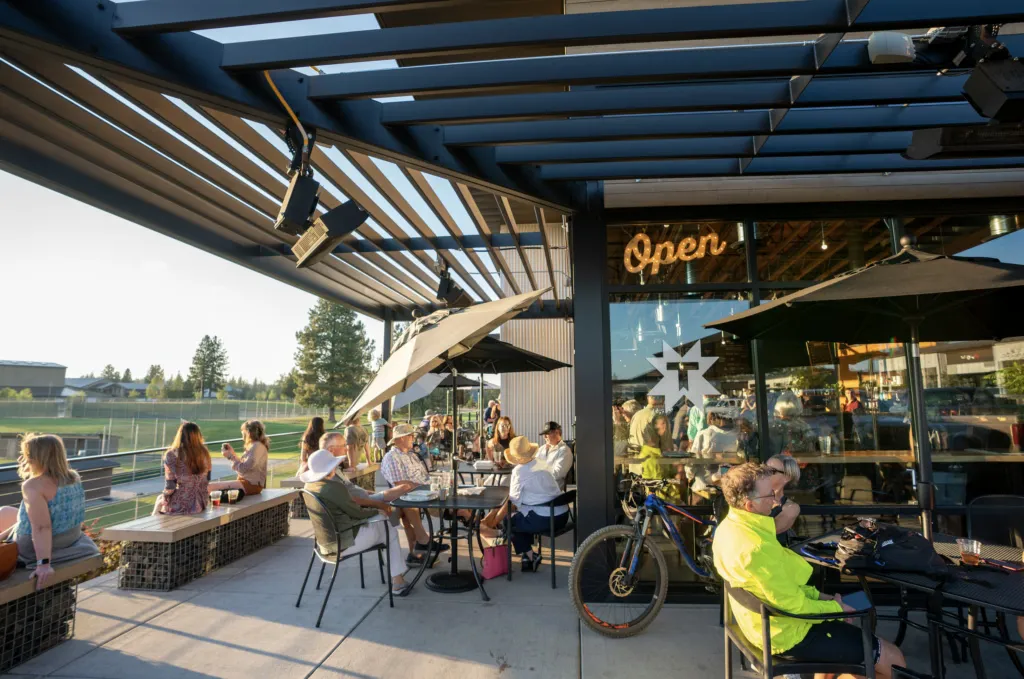
Thump roasts for its own retail shop and also provides coffee to numerous cafes throughout Oregon. According to Grover, his customers prize dependability, and Storm King is the coffee they trust most. The current blend draws on coffees from Colombia, Brazil, and Ethiopia. "We’re trying to get a deep chocolate body with a nice acidity so it pushes through milk well," Grover says. "Everything is roasted at a medium level, which smooths out the coffee."
Grover selects coffees with that flavor target in mind so the blend stays consistent. By focusing on the roast profile instead of becoming attached to particular origins, customers "know what they’re going to get when they buy it," he says. "When we don’t fall in love with origin and stick to our roast profile, it’s always consistent."
Thump also works with coffees that the Specialty Coffee Association (SCA) has rated 85 points or above. "It’s very fresh coffee that’s highly rated," Grover says.
Sweet Bloom Coffee Roasters
Location: Lakewood, Colorado, just outside Denver Espresso: Hometown Blend
Hometown has anchored Sweet Bloom Coffee Roasters' lineup for more than ten years. The medium roast marries Ethiopian and Colombian beans, yielding a cup that plays to the strengths of both origins.
Owner Andy Sprenger points to year-round freshness as one of the blend's advantages. "The base is always from Colombia, so we take advantage of the two harvests," he says, referring to Colombia's unusual two-season harvest cycle. Using Colombian coffee as the foundation lets Sweet Bloom keep the blend supplied with fresh coffee throughout the calendar.
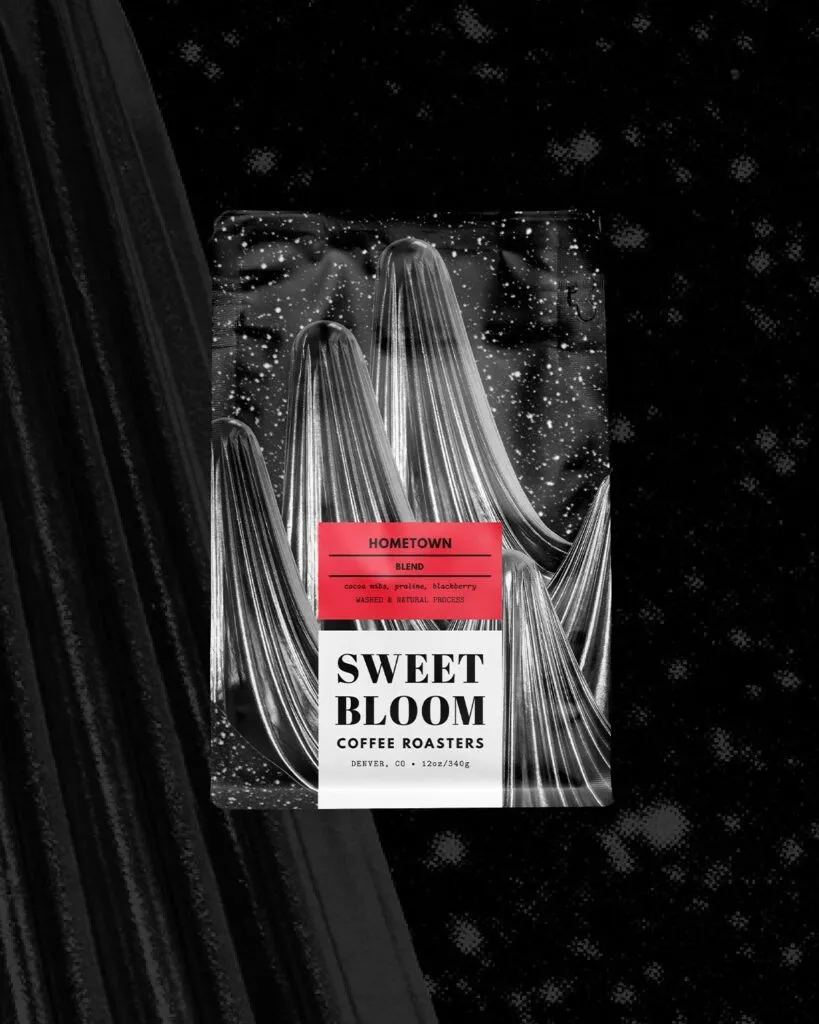
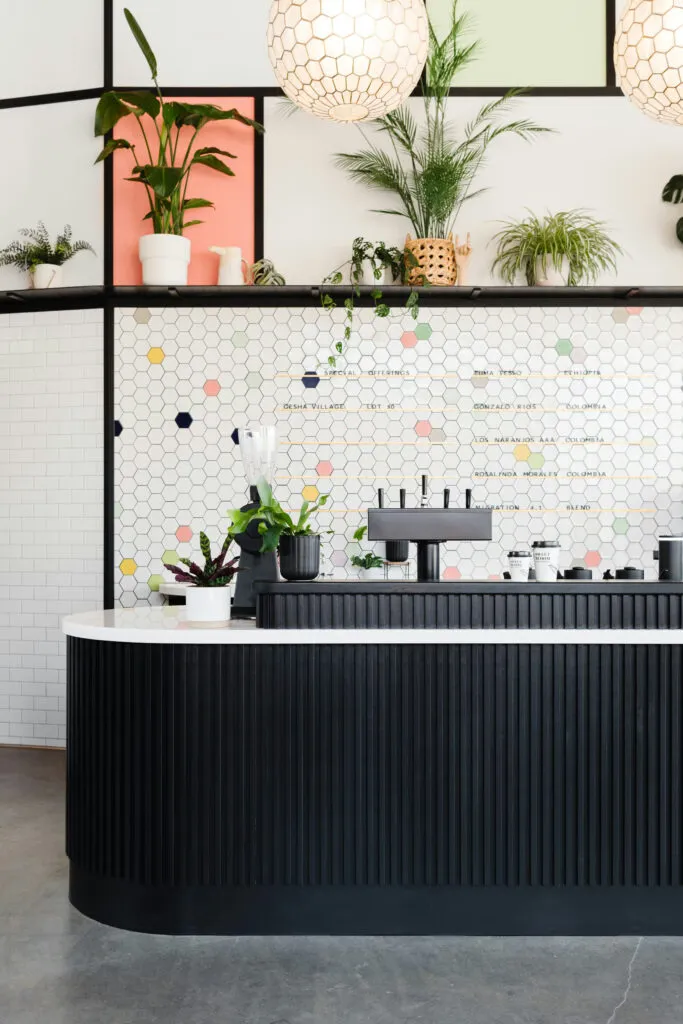
"You’re never going to see Hometown very tired," Sprenger says, adding that new-crop coffees arrive before the green beans begin to taste stale or flat.
Hometown accounts for 40 to 50 percent of Sweet Bloom's weekly roasting. Apart from a seasonal winter blend sold from November through January, it is one of the few espresso blends the company produces. "Hometown is year-round, so it’s become a perennial favorite. There’s a following on retail and wholesale," Sprenger says.
The component coffees in Hometown are also often offered as single-origin releases. "We feel like it’s a high-quality blend. We’re not just finding the cheapest components—it’s a coffee we’re proud of," Sprenger says.
Dave’s Coffee
Location: Narragansett, Rhode Island Espresso: Blind Pig
Blind Pig began as a house espresso blend and grew into a favorite at Dave’s Coffee, where it is served both as espresso and as drip. Owner David Lanning traces the name to the company's early roasting days: "The name stems from the days when we were home roasting and sneaking some of this coffee through the back door for customers to sample."
The blend relies on two naturally processed coffees to arrive at its fruity and nutty character. "Ethiopian coffee brings dark chocolate flavor with a bit of acidity and notes of sweet berries. We add the Brazilian [coffee] to get that reddish crema on top and nutty, sweet milk chocolate notes," Lanning says. "Together, they balance each other out to create a nice espresso."
Lanning designed the espresso with the brand's two cafes in mind, where espresso-based drinks such as lattes and cappuccinos make up most orders. "It makes a great shot just to drink on its own, but it’s designed to shine in milk-based drinks," he says.
Blind Pig has settled into the Dave’s Coffee range as a core item. "It’s one of our most popular coffees at retail," Lanning says. "We also do a lot of subscriptions online and Blind Pig is almost always in [customers’] subscription lists—and it stays there."
Craig’s Coffee
Location: Detroit, Michigan Espresso: Motown Espresso Blend
Craig Batory found himself with spare time in the summer of 2020. An experienced coffee roaster, he began experimenting with constructing an espresso blend, and the tinkering eventually grew into his roasting business and cafe, Craig’s Coffee.
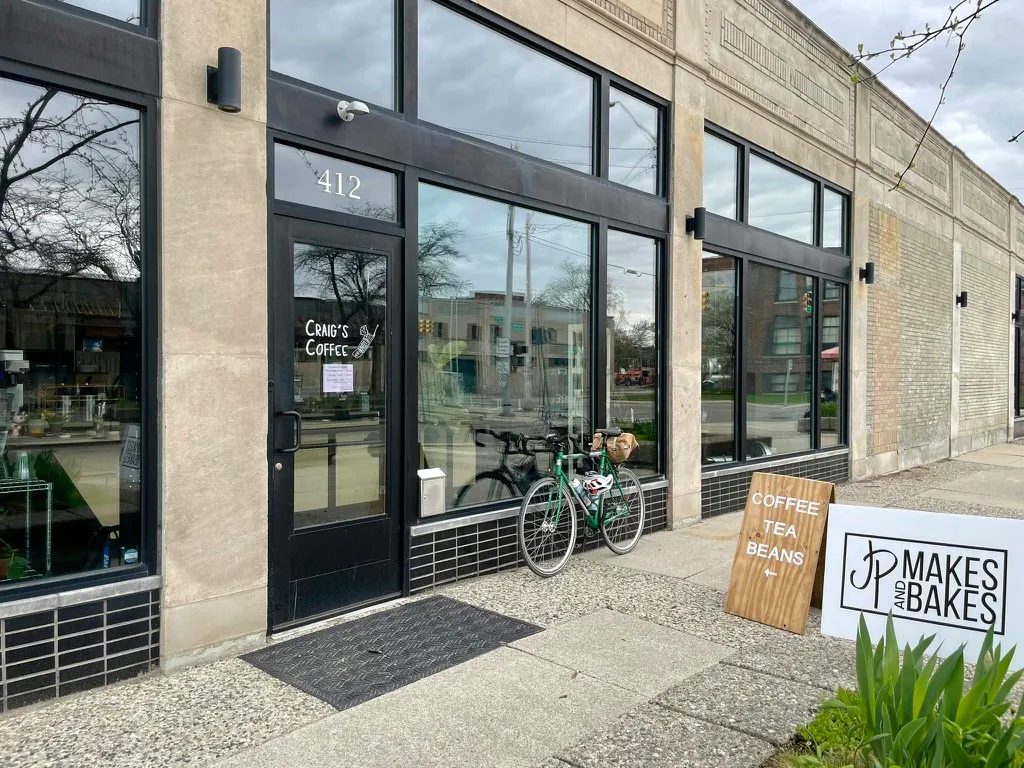
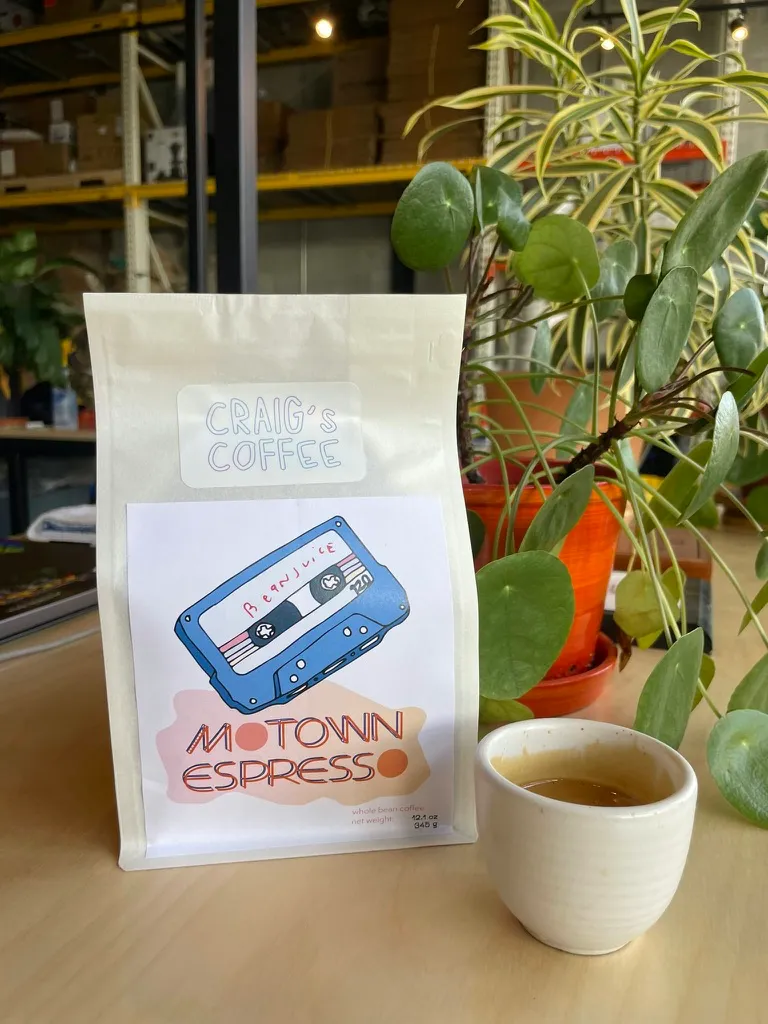
He started by testing roasts modeled on blends he had enjoyed in the past. "I had an idea from a couple of previous roasters I worked at—they all had some exquisite espresso blends," he says. That process gave rise to the Motown blend, which soon became one of Craig’s first staples.
The blend can include as many as six coffees from different origins, with Brazilian and Guatemalan coffee forming the base. "I try to be transparent about what’s exactly in the blend," Batory says.
He also folds in modest amounts of robusta for added body and texture. "I have a lot of customers reach out and ask about the robusta," he says. "Traditionally, I think it has a bad rep, but I’ve been fortunate enough to get this robusta now with a good hazelnut quality. I’ve gotten some lovely robusta from Vietnam, but I found a really nice one from Mexico that we use now."
Batory says he works to keep climbing coffee prices from eroding Motown's quality or swaying his sourcing choices. "The cost of a lot of coffees is going up, but I just account for that and adjust the price as needed," he says. "I want to maintain the consistency I have without having to cut any corners."
Canyon Coffee
Location: Los Angeles, California Espresso: Beachwood
When Casey Wojtalewicz and his partner Ally Walsh founded Canyon Coffee in 2016, they set out to run a wholesale roasting company using only single-origin, certified organic beans.
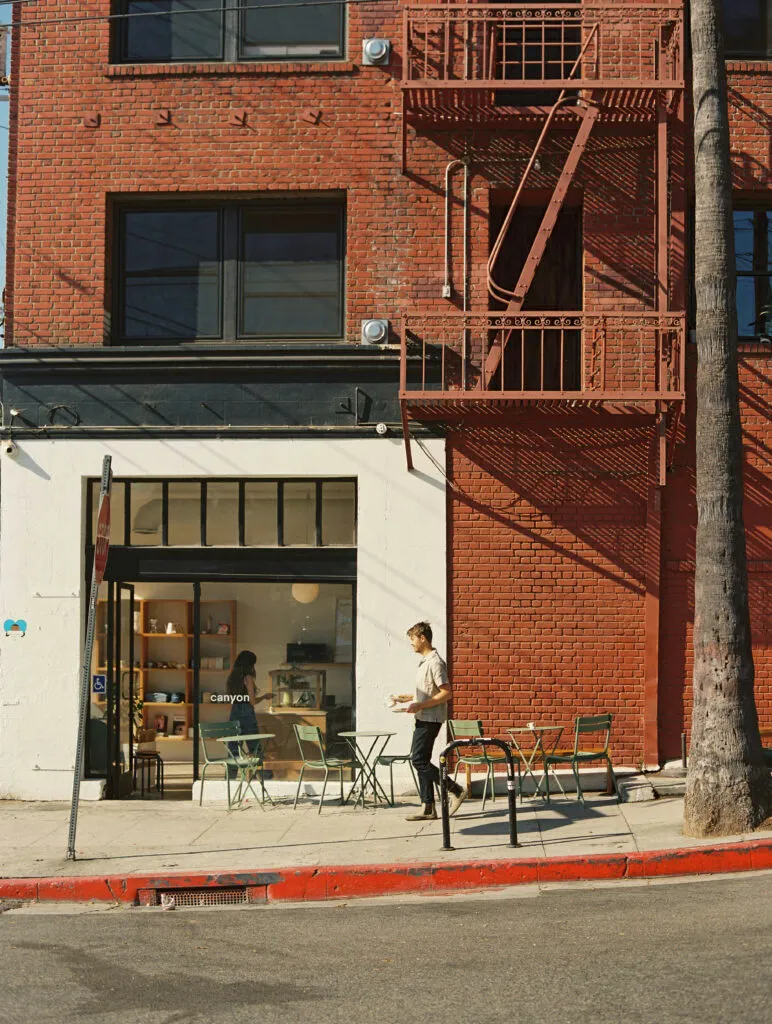
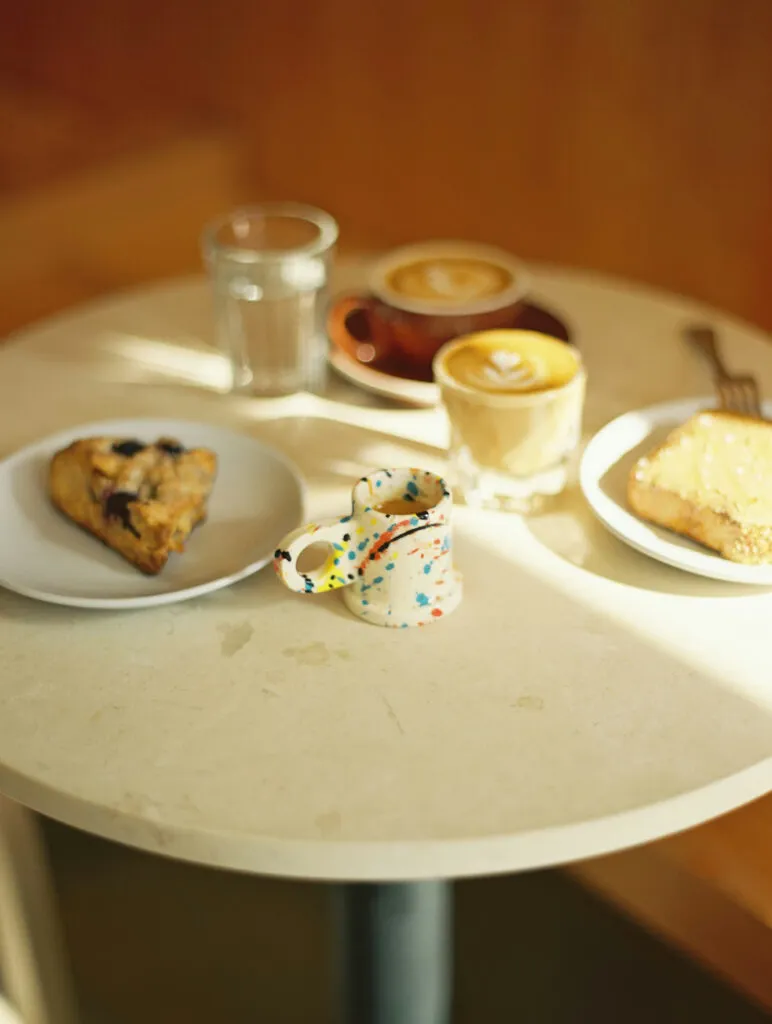
"We have our cafe, but our coffee program is based around selling to other cafes for service," explains Coffee Director Matthew Williams. "Beachwood is by far our top coffee, both wholesale and retail."
Launched in 2018, Beachwood soon became a customer favorite. The espresso, named for the Los Angeles canyon that leads toward the Hollywood sign, is recognized for its milk chocolate notes. "We shoot for a creamy milk chocolate, both in flavor and consistency," Wojtalewicz says. "We’re looking for that caramel quality that gives it a milk chocolate feel versus the darker chocolate notes."
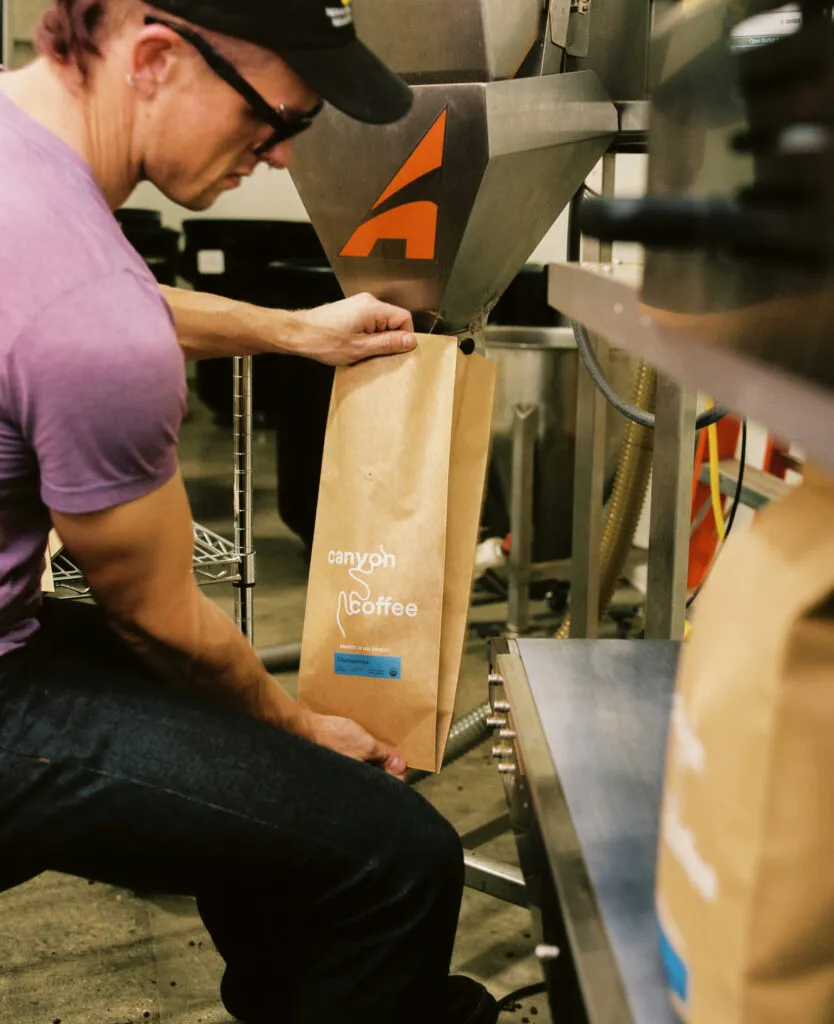
Beachwood's guiding principle has always been to let the coffee's inherent character come forward. The coffee currently used in Beachwood comes from Peru and is known for a creamy body and a sweet finish. "Its caramel [flavor] is our approach to highlighting the coffee’s natural flavor without us taking it too dark," Williams says.
Canyon adjusts elements of the espresso with the seasons to keep it consistent. "We service a wide range of cafes and not all of them go for the bright boutique coffees," Wojtalewicz says. "They just want good coffee that’s easy to work with, and that’s what Beachwood is all about."