Roasting Craft
How Bicarbonate in Water Shapes the Way Coffee Is Roasted
A roaster's account of discovering that the water used for brewing—not just the roast profile—can decide whether a coffee tastes bright or ashy.
A roaster's account of discovering that the water used for brewing—not just the roast profile—can decide whether a coffee tastes bright or ashy.
From a Bend bike trail to a canyon above Los Angeles, these five roasting companies reveal how they design espresso blends that hold up neat or under steamed milk—and why consistency drives every decision.
In-house roasting can cut costs and set a café apart, but it also demands serious capital, patience, and a taste for manufacturing rather than romance.
Purchasing green coffee from a warehouse on an as-needed basis carries a reputation problem. Importers and traders explain where that perception came from, what has shifted, and why buying landed coffee is a legitimate way to operate.
A coffee wholesaler explains how customer demand for dependable espresso pushed the company to reconsider a long-held single-origin-only stance.
A green buyer's perspective on why the beans you choose set the boundaries for what a roast profile can achieve, and how to plan sourcing around that reality.
American specialty roasters can recite Arabica roast curves from memory, yet mention Robusta and the room goes quiet. Recent experience in Southeast Asia suggests that careful roasting—often slower and smarter than expected—can reveal a side of this species most drinkers have never tasted.
How a roast-to-order collaboration with a celebrated Italian restaurant began with a meal, a café visit, and an unexpectedly blunt flavor brief.
Roasters can deliberately influence the weight and texture of a coffee in the cup by managing the Maillard reaction, giving them a tool—and a responsibility—when developing profiles.
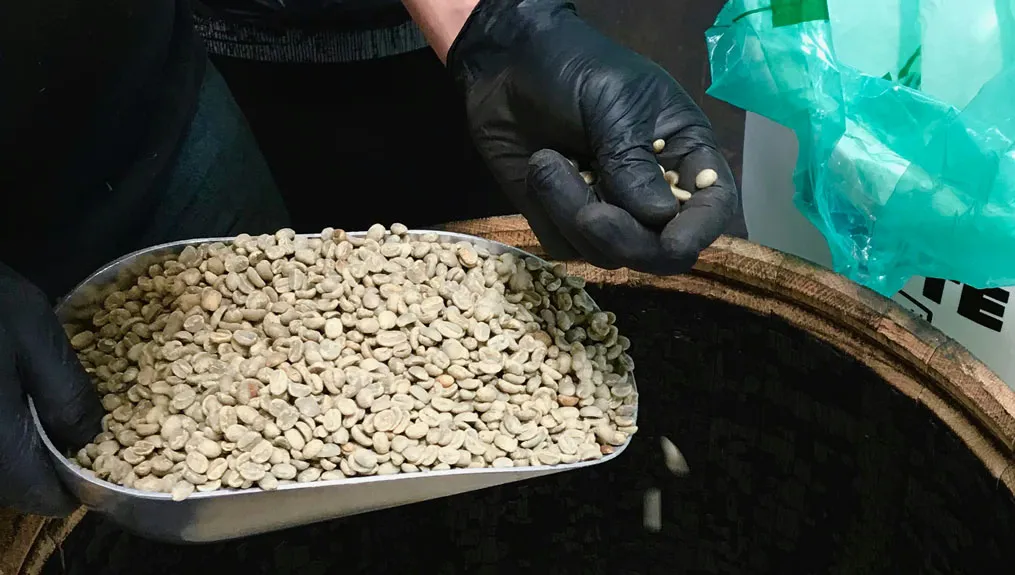
Roasters are putting green coffee into spent spirits casks to build limited-run lots with layered flavor. Here is how the process works, what it means for café menus, and what a barrel actually costs.
Once dismissed as commodity filler, Robusta is earning renewed attention for its quality potential — and for the structure, sweetness and body it can contribute to a blend.
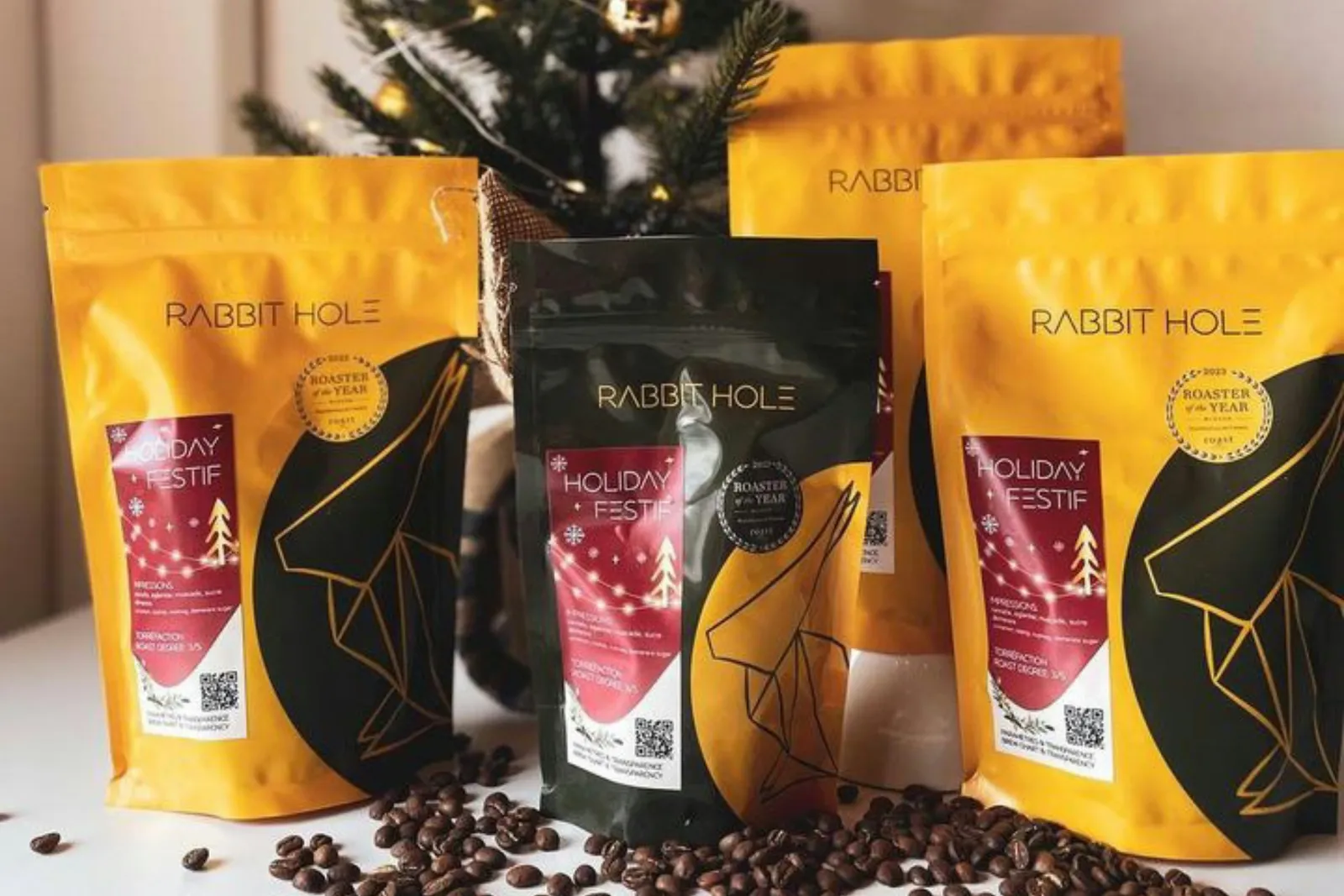
Roasters from three specialty coffee companies explain how they design winter blends that capture the flavors of the season—from mulled wine and baked pie to chocolate and jammy fruit—and how careful sourcing and blending turn a simple bag of beans into a holiday tradition.
Transitioning from café owner to roaster-retailer involves more than passion—it requires careful evaluation of economics, training, equipment, and market positioning.