Behind the Cup: The Daily Lives of Women Coffee Pickers in Nicaragua
A visit to a Nicaraguan coffee farm reveals how women pickers juggle demanding harvest work with childcare and household duties, often relying on each other for support.
By Parker Morgan4 min read
A Quiet Farm, A Busy Morning
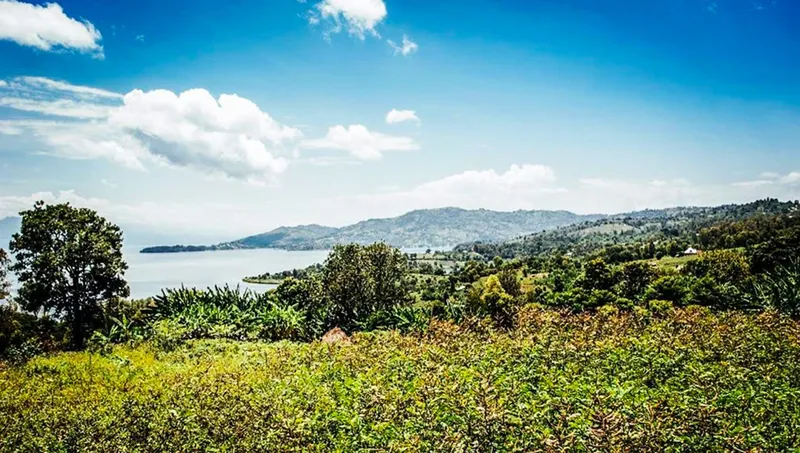
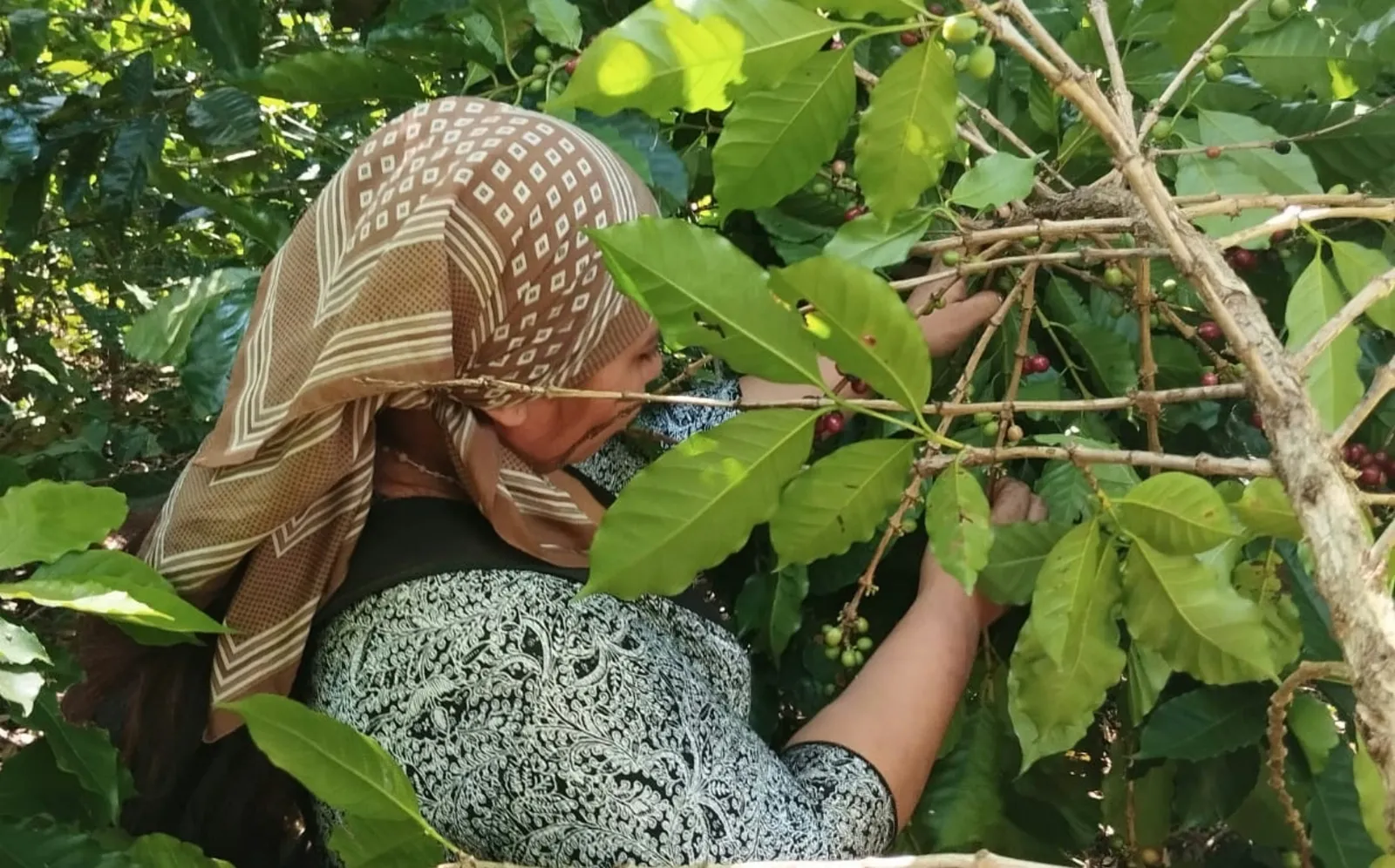
On the outskirts of Volcán Casita, a volcano northwest of Managua, Nicaragua, sits Bella Vista, a coffee farm where a warm breeze stirs the trees and birdsong mixes with the rustle of leaves. As I approach the farmhouse, I hear workers at the wet mill processing freshly picked red coffee cherries. Inside a small kitchen, women are brewing coffee on a stove that is a century old.
For many people, coffee is an automatic part of the morning routine. Yet the stories of those who make that cup possible—especially the women who pick the cherries—often go untold. Pickers are essential to coffee production: they remove the cherries from the plants, which are then processed, exported, roasted, and eventually enjoyed by drinkers around the world. Women make up an estimated 70% of the labor required to produce coffee, and in addition to the physically demanding picking work, they frequently shoulder most family obligations, child-rearing, and housework.
Much of this labor goes underreported, so I decided to speak with the women pickers at Bella Vista to learn more about their lives and the challenges they face.
Juggling Work and Family
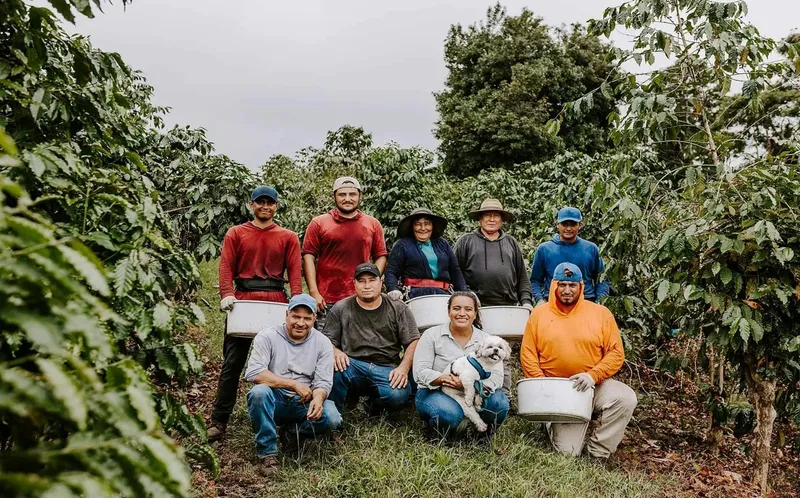
During harvest season, about 60 women work as coffee pickers at Bella Vista. Some live on the farm; others come from nearby communities. Picking is often a family affair—many women bring sisters, mothers, and other relatives who help with the harvest and with childcare during working hours.
Celina Diaz, 46, has worked on the farm since she was 14. She wakes at 4 a.m. each day to make breakfast: rice, beans, and plantain—the standard breakfast, lunch, and dinner for most coffee workers there. “Sometimes we add cream or cheese called cuajada to our breakfast,” she says. Norman Barrero, the farm’s manager, notes that beans are also grown at Bella Vista to feed the workers.
For Belkis Hernandez, 22, and Darling Silva, 38, the morning also involves cooking for their children and husbands, who are also pickers on the farm. Women are often expected not only to pick coffee but also to keep rooms tidy, wash clothes (usually with a washboard), and make sure the children are fed and bathed.
Hernandez is one of the newer pickers. She has a one-year-old daughter and, along with picking coffee, manages household duties and childcare. Her mother, also a picker, helps with her daughter when Hernandez is in the field. “I come home with my basket at noon to heat the food for the family while my mother goes out to the fields and continues picking coffee,” Hernandez says. “We take turns to help each other.” Sometimes she carries her daughter in a sling and occasionally breastfeeds her while picking.
Many pickers leave their children with relatives while they work. “Raising children and working was difficult,” says Maylin, a picker at Bella Vista since 2017. “But in the end, all we want is our children to be happy and healthy, and the best way to give them a better life is to show them to work hard.” Maylin trusts her children are in good hands, but like many women I spoke with, she still worries about them while she is away.
Diaz, who started as a picker and now cooks on the farm, relied heavily on her mother when her children were young. “My mom would help me with my small children while I worked outside the home; she would help raise them,” she says. She tries to accomplish a lot before her day begins. “I make sure our living quarters are spotless and wash clothes for the next day,” Diaz says. “I also prepare food for my family early, so they just need to heat it.”
The Workday Unfolds
Once breakfast is made and the children are settled, the women head to the fields. The day is long: many are picking by 5:30 a.m. At lunch, I see some pickers gathering avocados from nearby trees. The day usually ends around 3:00, when the pickers prepare the cherries they’ve harvested to be transported and weighed.
While the pickers are out gathering cherries, Diaz cooks for more than 100 workers, making sure they are fed and ready for the day.
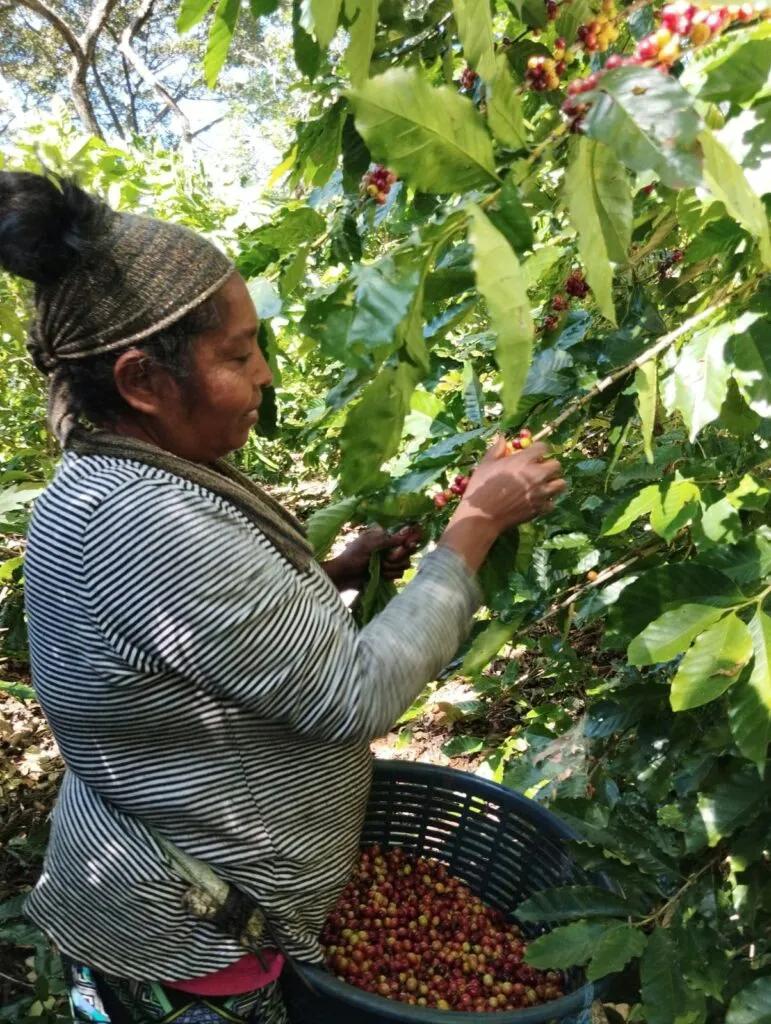
Socorro Guzman, a picker at Bella Vista, picks coffee cherries and places them in a basket.
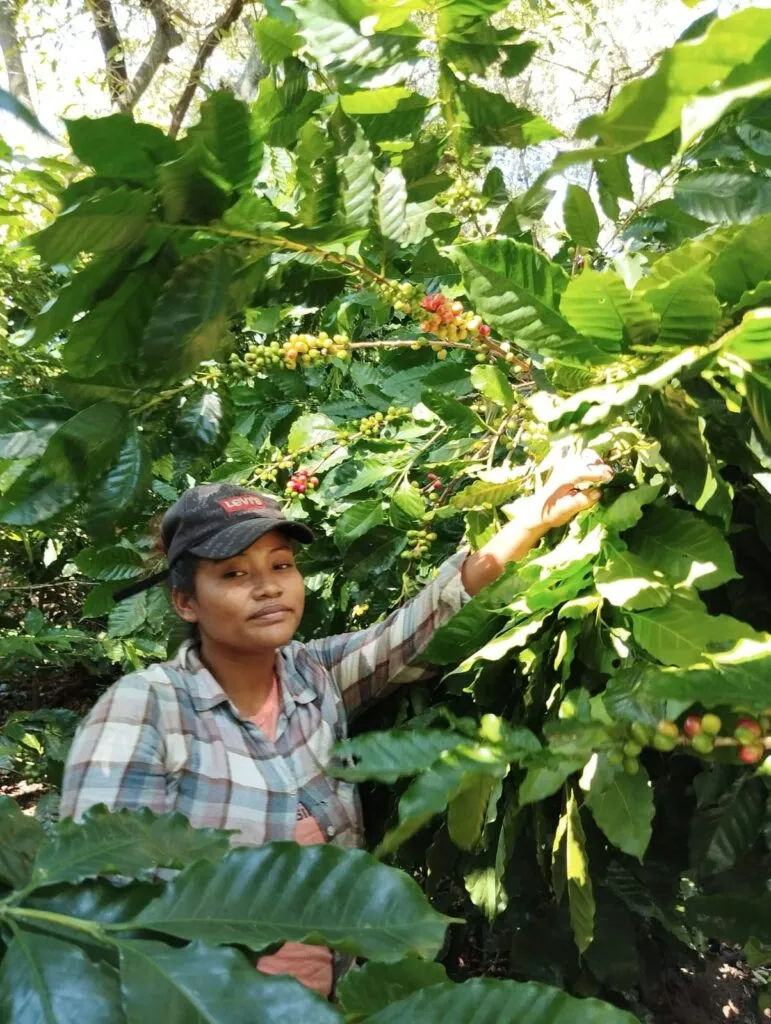
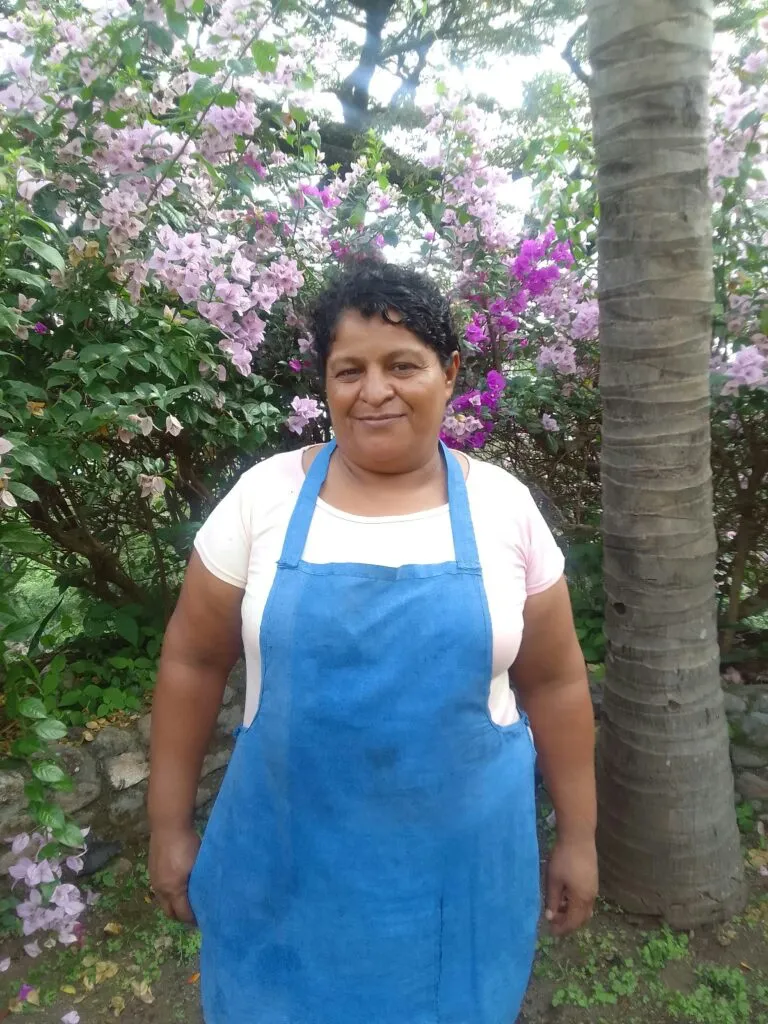
Maylin (left) and Celina (right) pose for photos.
There is a strong sense of trust and camaraderie among the pickers who live on the farm. At Bella Vista, an unspoken rule governs childcare: “If a fellow woman asked me to look after her children, I would do it because we help each other,” says Silva, one of the more senior pickers. She has two children, ages 5 and 18, and knows any of her fellow pickers would help with her kids. “Although we are not family, we are a true community.”
Barrero says Bella Vista is constantly exploring new ways to become more sustainable and to provide more work and income for women pickers. The farm also grows ojoche, or breadnut, and many women pickers want to harvest it because it bears fruit more frequently than coffee plants. “Ojoche is another tree that gives us more jobs so that we can earn more,” Maylin says.
If you’re drinking specialty coffee, chances are that someone handpicked every single bean to make your cup. Yet the lives of those who pick coffee—particularly women—are often ignored. These are just a few moments from the lives of the women coffee pickers at Bella Vista. For me, this glimpse into their daily lives reveals the profound human connection behind each cup of coffee.