Blockchain Platforms Aim to Give Coffee Growers a Stronger Supply Chain Role
Digital ledger initiatives are being used to trace beans, connect farmers with buyers and lenders, and open up pricing data—though the technology alone does not ensure fairness.
By Alex White5 min read
Digital ledger initiatives are being used to trace beans, connect farmers with buyers and lenders, and open up pricing data—though the technology alone does not ensure fairness.
Coffee growers have been hit hard by the coronavirus pandemic. With cities under lockdown and cafes and restaurants shuttered, sales fell sharply, and farmers worried that prices would drop too. Research from Hanns R. Neumann Stiftung, a German nonprofit that supports grassroots projects on coffee farms worldwide, found that 68% of growers in coffee-producing regions listed the price of coffee among their biggest concerns, while 21% named COVID-19 as one of the most serious problems facing smallholder farmers.
Growers also faced supply chain upheaval: workers fell ill with COVID-19, processing facilities closed, exports were held up, and farmers lost access to key international markets.
A relatively new technology—blockchain—may offer some relief. The protected digital ledger can supply the kind of transparency that helps everyone from farmers to roasters spot and head off supply chain disruptions. It may also help growers simplify operations and raise revenues.
According to Alexander D. Barrett, CEO of the data verification firm iFinca, blockchain is a secure digital ledger: once information is entered into the platform, it cannot be changed.
“If you write something down on a piece of paper, hand it to someone else who writes something down and it goes to eight more people who all write something down on the same piece of paper,” he explains. “With blockchain, the tenth person who receives that piece of paper knows that nothing has been changed.”
A report titled Food for Thought: Mapping the Food and Beverage Supply Chain with Blockchain observes that “Rather than being stored in one place, data is distributed on an open, peer-to-peer network…creating a permanent data log that can easily be tracked and referenced.”
Blockchain existed well before the global coronavirus pandemic. Today, these platforms are helping growers innovate and adjust by sharing data, linking farmers directly with shippers, distributors, and retailers, and moving funds.
Four companies have built blockchain platforms intended to support coffee growers.
FARMER CONNECT: farmer connect is an agritech start-up and supply chain technology provider. Its traceability platform runs on IBM Blockchain and is designed to improve transparency, efficiency, and fairness in the coffee supply chain. The Farmer ID app lets growers verify their identity and income for lenders, which can make it easier to obtain loans. The platform also lets growers store and share product information with co-ops, exporters, importers, and traders on a secure system.
Major coffee organizations—including The Colombian Coffee Growers Federation, Sucafina, Yara International, and RGC Coffee—have worked together on the blockchain solution that farmer connect launched earlier this year.
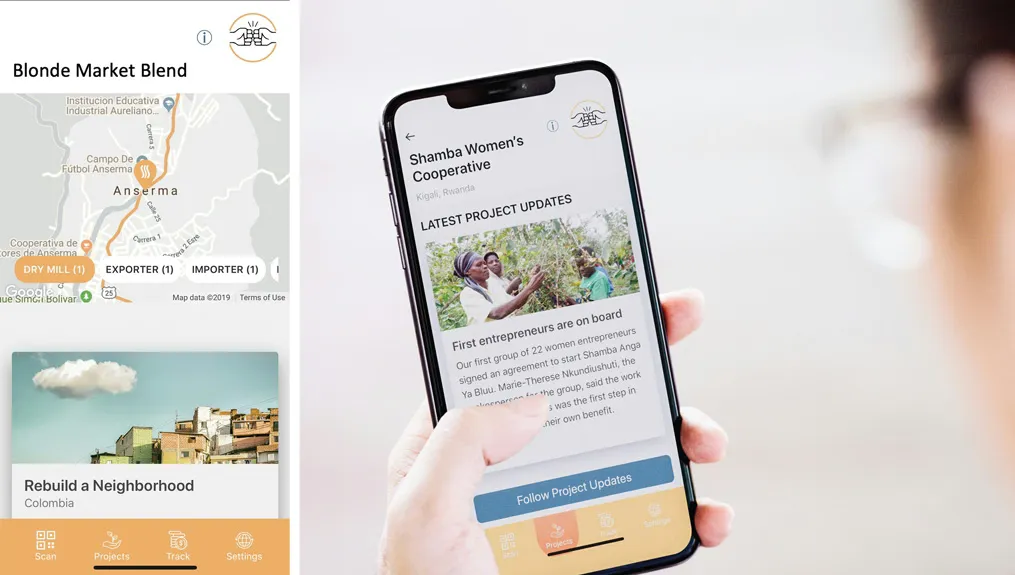
farmer connect blockchain platform
Through a partnership with J.M. Smucker, farmer connect is being used to trace a single-source coffee brand. Buyers of Folgers 1850 single-origin Colombian coffee can scan the QR code on the packaging to see where the beans came from, roasting dates, shipping ports, and other details. The platform also provides information about projects such as sustainable agriculture initiatives and other sponsored efforts to support coffee producers.
“The aim is humanizing each coffee drinker’s relationship with their daily cup,” says David Behrends, head of Sucafina and founder and president of farmer connect, in a press statement. “Consumers now can play an active role in sustainability governance by supporting coffee farmers in developing nations. Through the blockchain and this consumer app, we’re creating a virtuous cycle.”
STARBUCKS: In 2019, Starbucks announced a partnership with Microsoft to trace beans from farm to cup and to share that information with consumers.
The international coffee company works with 380,000 coffee farms around the world, and blockchain can provide secure data and real-time traceability to consumers who want to know more about where their beans originate. The technology also helps farmers by showing where their beans go after leaving the farm.
In a press statement about the initiative, Starbucks quotes Marcel Kadende, a coffee farmer from Kigali, Rwanda, who used blockchain to trace coffee from his farms to the United States.
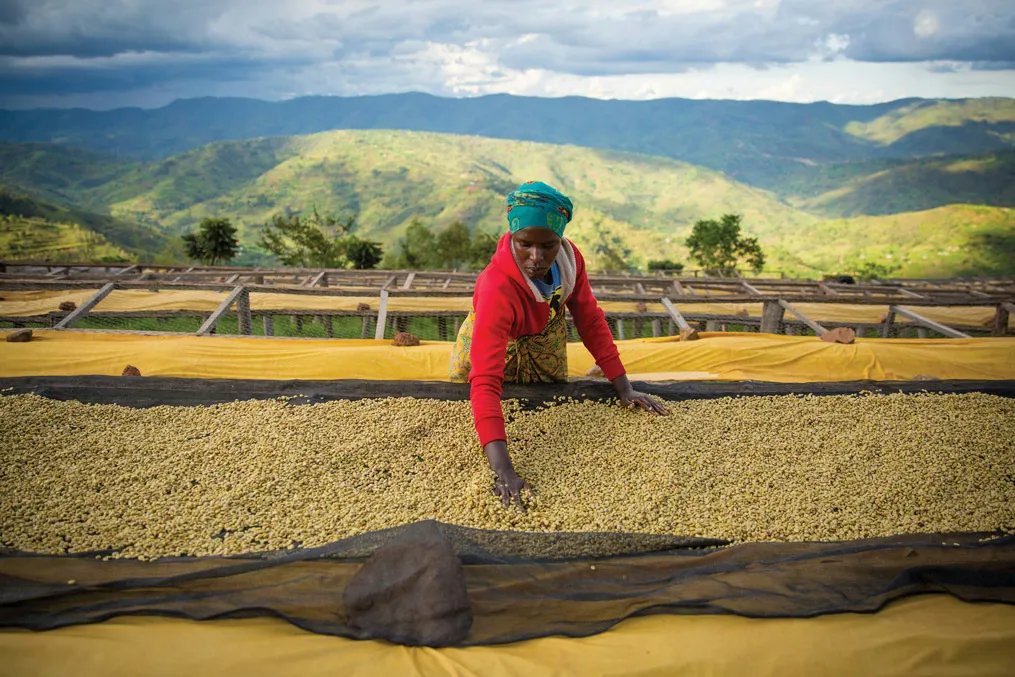
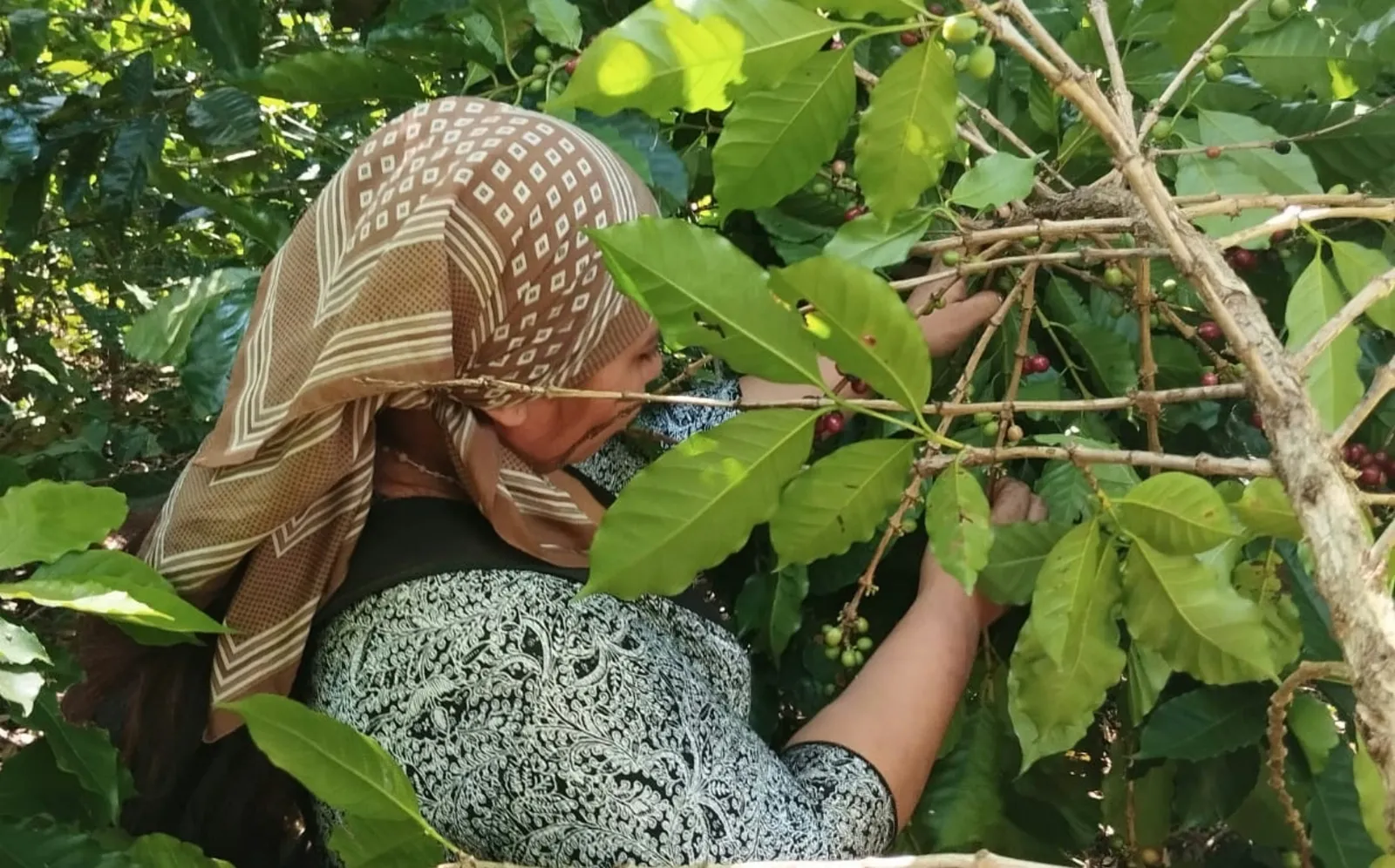
Rwandan coffee farmer.
“I didn’t know my coffee left the country,” he says. “Access to knowledge is powerful….A farmer who doesn’t know their coffee left the country might not know their coffee is export quality. Knowing your coffee quality as a farmer is important.”
Michelle Burns, Starbucks senior vice president of Global Coffee & Tea, says that to make sure blockchain would benefit the farmers supplying Starbucks, “We’re…interviewing coffee farmers in Costa Rica, Colombia and Rwanda, learning more about their stories, their knowledge and their needs in order to determine how digital traceability can best benefit them.”
Starbucks made its blockchain technology tool available to consumers in August.
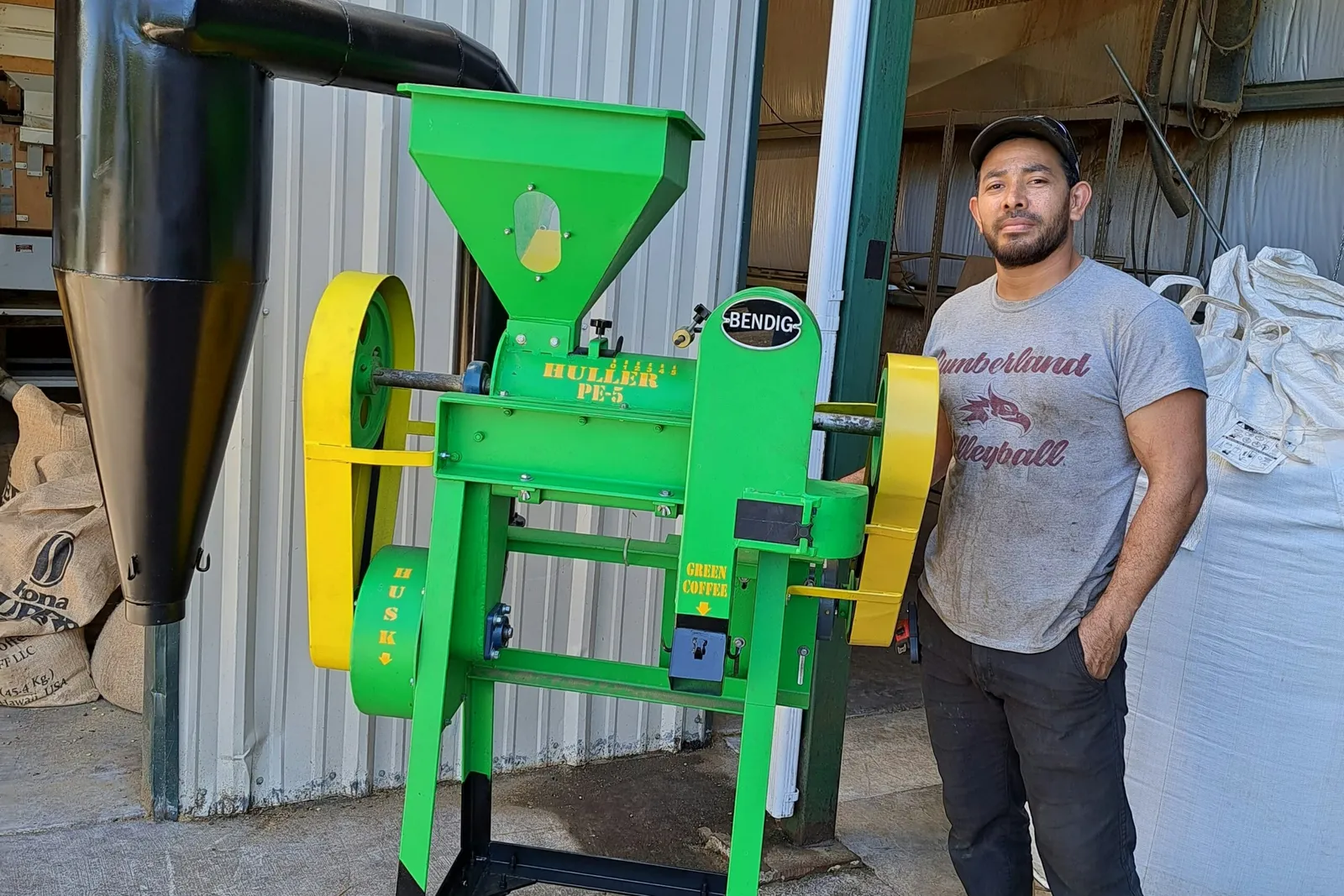
GRAINCHAIN: Honduran coffee farmers have long dealt with falling prices, scarce investment, and unstable markets; a blockchain-based tool aims to change that.
GrainChain uses blockchain to reduce risk and encourage reinvestment in Honduran coffee farms. The platform includes a digital wallet, so farmers in remote areas without bank access can apply for loans and banks can confirm that capital goes to projects that improve farming conditions and crops. Insurance companies can use tools to automate loan underwriting, and exporters can use the platform for contracts and settlements. Farmers can also bypass middlemen and sell directly to buyers, which can increase their earnings.
An estimated 10% of Honduran coffee growers have signed on to use blockchain in their operations, and the platform has completed more than 84,000 transactions representing in excess of 5.2 million pounds of coffee.
“Our platform provides guarantees and visibility through the entire process, which empowers growers and vendors while reducing risk to bankers and buyers,” says Luis Macias, CEO of GrainChain, in a statement. “We believe that building agricultural industries with blockchain tools will encourage reinvestment and improve quality throughout by giving people a single platform they can trust.”
IFINCA: Blockchain solutions can track a complicated paper trail, creating a digital file that records prices, moisture levels, weight, and cupping notes and follows coffee beans through the entire supply chain.
The iFinca platform launched in October 2019 and has grown to include more than 14,000 farmers as well as 38 exporters, 14 importers, 26 roasters, and 19 cafes in seven countries: Colombia, Guatemala, El Salvador, Ethiopia, Uganda, Haiti, and the Dominican Republic.
Barrett believes that a single, accessible ledger for verifying purchases and reducing inefficiencies could help coffee farmers capture a larger share of the overall value of their crop. The biggest benefit, he says, is access to farm-gate prices.
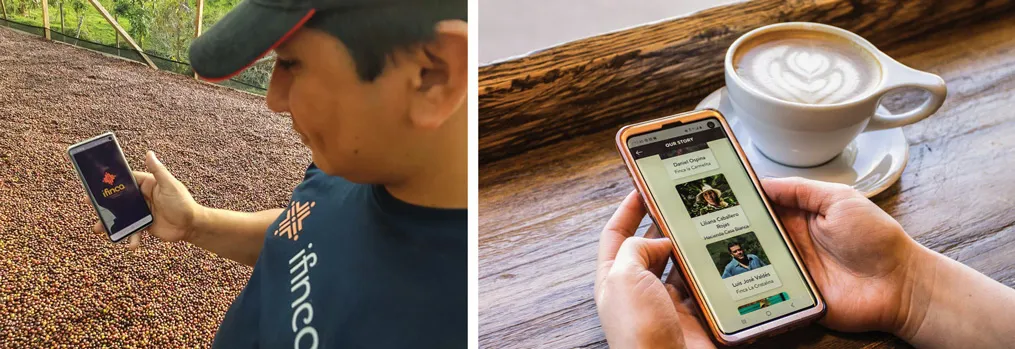
iFinca app connects the consumer to the farmer behind their cup using blockchain technology.
iFinca is aggregating data about prices by country, varietal, and cup score and is working closely with CoffeeChain to disclose prices so farmers can see pricing data. Barrett compares the tool, which rolls out later this year, to the Kelley Blue Book pricing for cars.
“We want farmers as equal stakeholders; they get information on pricing that gives them a much more powerful position for bargaining; it levels the playing field,” he says. “When consumers can see what the farmer was paid, they don’t mind paying an extra five cents on their $4 cappuccino.”
Blockchain does not guarantee transparency or traceability; it simply provides protected data. But Barrett notes that, when properly leveraged, it could be used to help ensure that farmers are properly compensated for their coffee beans.
“I’d love to be able to touch all of the small stakeholders globally,” he says. “This will be a new industry standard.”