Direct Trade: Promise and Practical Hurdles
The appeal and the real-world difficulties of sourcing coffee directly from farms.
By Parker Campbell4 min read
Why Direct Trade Appeals to Roasters
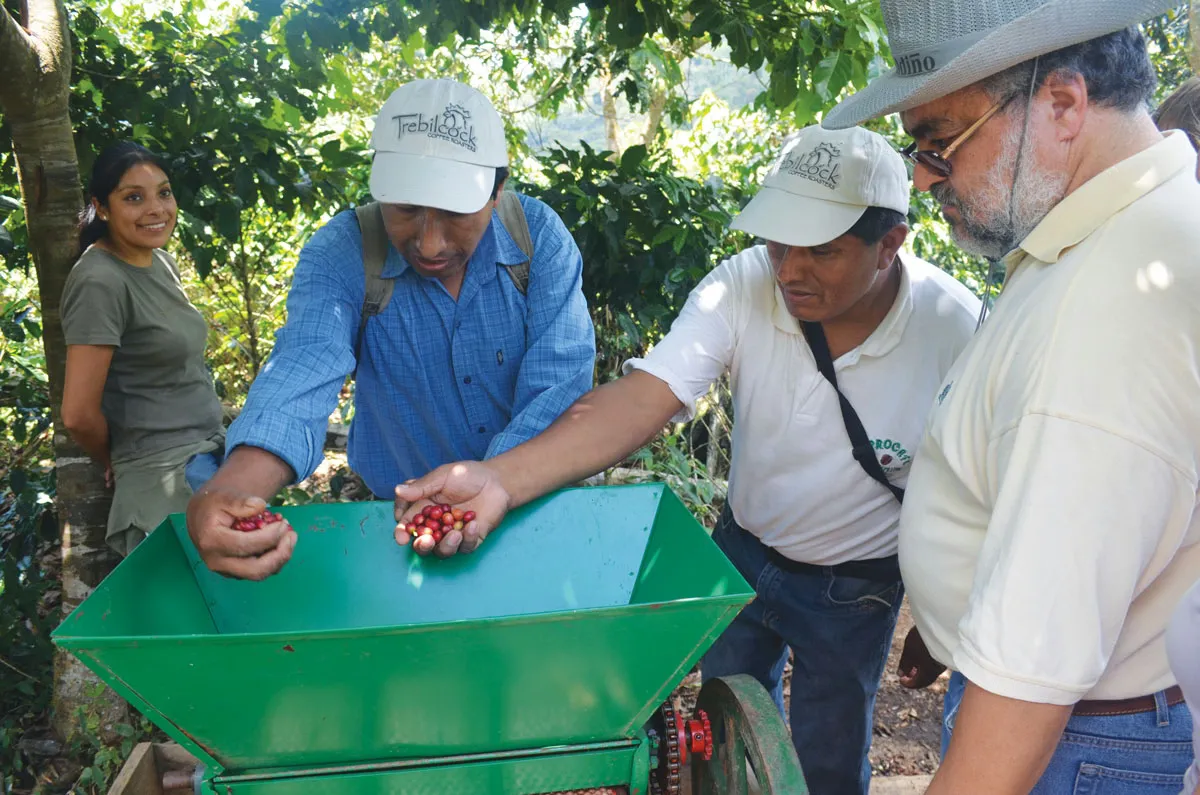
Many independent coffee roasters are drawn to direct trade because it reflects the values that led them to roasting in the first place: a passion for finding outstanding coffee, respect for the many people and steps that bring a bean from farm to cup, and a commitment to social and environmental progress throughout the supply chain. For a great number of roasters, selecting coffee personally and buying it straight from a farmer is the ideal sourcing approach.
Consumers increasingly seek out and take pleasure in coffee that can be traced to a specific person and place, much as they value produce from a farmers’ market. On the other side, producers can benefit greatly from having steady buyers who order routinely and offer detailed, helpful feedback (as well as a human connection) in a global coffee market that otherwise reduces transactions to anonymous prices and figures.
It can be ideal to have loyal buyers who purchase regularly and provide detailed, useful feedback (not to mention a human connection).
Yet despite these advantages for growers, roasters, cafés, and consumers, direct trade in practice is difficult and frequently impractical.
Lessons from an Export-Import and Roasting Business
Our export-import company, Invalsa Coffee, and our micro-roastery, Valverde Coffee Roasters, share a base in Boston and in Nelson Valverde’s hometown of La Paz, Bolivia. Nelson’s brother Jorge, a co-founder, runs our export operations in La Paz. Through him we can source and export Bolivian micro-lot coffees, including supplying ourselves as a US importer. We also bring in coffees from other countries, mainly in South America, via direct producer relationships we have built while serving as judges and organizers in nearly a dozen Cup of Excellence and other origin competitions. Our business and our customers have taught us much about the rewards, possibilities, and difficulties of direct trade.
The Logistics: Scale and Commitment Matter
From a logistical standpoint, direct trade functions best for roasters large enough to employ buyers who travel internationally to develop new direct-trade partnerships and sustain existing ones. Equally critical, direct-trade roasters need the capacity to commit to buying sufficient coffee—at least fifteen to twenty bags—to make the effort worthwhile for a producer.
For even the most successful direct-trade roasters, maintaining consistent quality demands far more attention and dedication than a single weeklong visit each year to check in and take attractive photographs.
A dependable buyer does increase a grower’s motivation to improve coffee quality, but it does not guarantee that the grower receives the ongoing technical assistance and support needed to keep quality stable as production and market conditions shift. When a direct-trade buyer receives coffee that falls short of the previous year’s quality, she confronts a difficult choice. Finding ways to preserve and support quality at the farm is one of the most delicate parts of direct trade, and each grower faces distinct challenges. A direct-trade partnership calls for regular contact and support from the buying side.
Challenges for Small and Medium Roasters
Direct trade is most demanding for small- to medium-sized roasters that lack a substantial travel budget (or any travel budget at all) and are not bilingual. Roasters in this situation who try their own origin trip often end up speaking only with English-speaking exporters and purchasing whatever those exporters have on hand. Although roasters may call this direct trade, they frequently never met the farmer or her family. This approach differs little from buying beans from a transparent importer that has its own direct-trade relationships.
There are ways for smaller roasters to have a better direct-trade experience, including participating in specialized origin trips such as Cup of Excellence.
Smaller roasters can improve their direct-trade experience in several ways, such as joining specialized origin trips like Cup of Excellence and local origin competitions. These events not only rank and showcase excellent coffees but also link producers directly with buyers. Still, such coffees are inherently limited in supply, and their cost—while beneficial to growers—may be out of reach for smaller and newer roasters. Even so, some roasters succeed in turning a producer relationship that started with a competition purchase into one that endures for years.
A Promising Path for Smaller Roasters
We acknowledge our bias toward our own model, but we believe the most promising route for smaller roasters to connect their businesses with coffee farmers is to collaborate with exporters and importers that specialize in “storied” micro-lots and identifiable coffees, while being transparent and honest about the roaster’s actual role in sourcing. Specialized traders of this kind act as the sole intermediary between producers and roasters. Crucially, their stable presence provides a channel for delivering quality-focused technical assistance to farmers.
Significant obstacles to expanding direct trade in the coffee industry remain. As technology-driven transparency increases in the sourcing and operations of all coffee businesses, we believe that broad consumer interest in the stories behind their coffee will continue to allow roasters, producers, and traders to weave personal connections and direct relationships into their business missions.
—Christina and Nelson Valverde work at family-owned Invalsa, an importer-exporter of coffee and cacao.