Decoding a Chef's Palate: The Human Side of Building a Restaurant Blend
How a roast-to-order collaboration with a celebrated Italian restaurant began with a meal, a café visit, and an unexpectedly blunt flavor brief.
By Parker Bailey3 min read

The Human Ingredient in Custom Blends
Designing a signature blend for a chef is frequently a matter of psychology as much as coffee craft. In any strong collaboration, ego tends to be the leading obstacle. A chef is fluent in flavor and subtlety, and is also accustomed to directing a brigade to carry out his wishes. The roaster, by contrast, knows coffee well but might feel less at home in a kitchen or less confident describing palate impressions to someone outside the coffee trade.
When Vetri — a restaurant that has earned a James Beard award — asked me to build a custom blend reflecting its cooking and its genuine Italian character, I felt excitement and anxiety at the same time. I had developed custom blends previously, but this request carried real prestige. I was already an enthusiastic fan of the restaurant and deeply respectful of the kitchen's standards and the skill of its chefs. At the same time, I knew the chef to be strongly opinionated, headstrong, and rather blunt in how he spoke.
So how do you find a blend the restaurant will love and you will be proud to put your name on?
Begin With the Plate, Not the Cup
In restaurant work, the first rule is simple: start with the food. To create a blend for a chef, you need to eat there. Until a chef sees that you have tasted what she is trying to convey through her cooking, she will not believe you understand her or her perspective.
Spending time with the restaurant and the experience it aims to produce yields valuable insight. Watch how service is conducted. Is it formal and rigid, relaxed and quick, or attentive and anticipatory without being intrusive? Then consider the cooking: is it classical and rich, light and health-oriented, fussy and plating-driven, or flavor-first and well balanced? The beer list is often revealing — in my experience, a person's beer preferences are a solid clue to what they enjoy in coffee.
Ultimately, this process is about building your grasp of the chef's palate, her limits, and her ambitions both for the restaurant and for the coffee it serves.
Take the Chef Out for Coffee
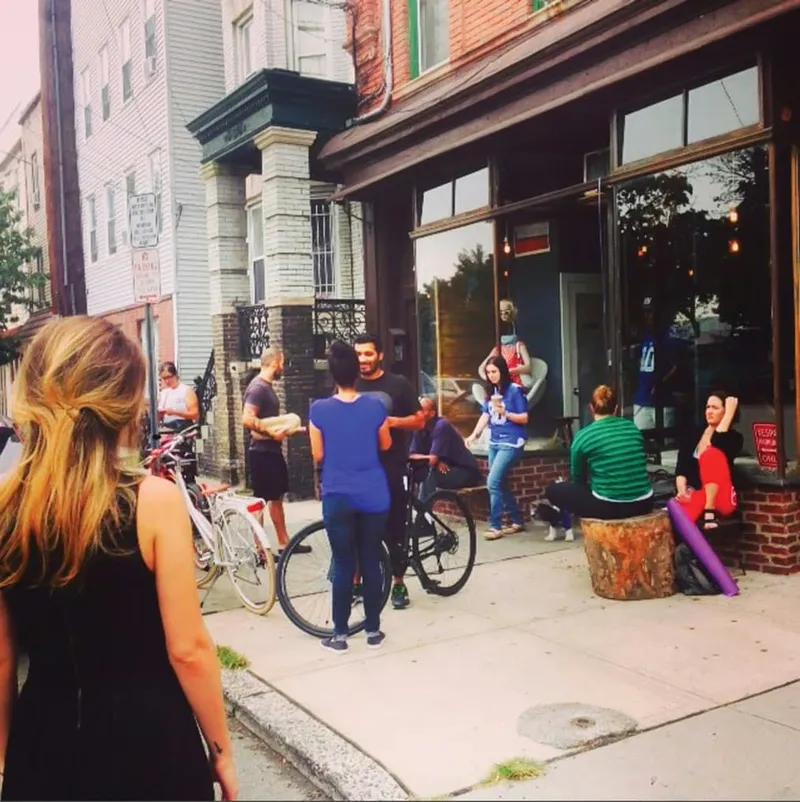
After the meal, invite the chef for coffee. Choose a café you like or, better still, a good café whose coffee you disagree with. If you are a traditional Italian-style roaster, for instance, visit an operation such as Intelligentsia — a house whose philosophy is the opposite of yours. Order an espresso and a brewed coffee with the chef, then ask direct questions about flavor profile, body, and finish. What appeals to her? What does she dislike? If she loves the coffee you hate, the partnership may not be a good match.
This exercise serves to map the chef's palate, boundaries, and goals for the restaurant and its coffee program, and it ultimately saves time. Arrive with two or three blends out of the blue and you will meet a frustrated chef, then be sent back to roast sample after sample before reaching the point you could have reached by first learning her tastes.
A Blunt Brief From the Kitchen
I already knew Vetri's cooking and had a sense of the chef, so I opened with a creative conversation about the feeling he wanted the blend to carry. Was it to be a showpiece or a pleasant complement to the meal? What kinds of coffee did he normally enjoy? As for roast, light-and-bright or dark-and-bold?
Every question drew a clipped answer. “Of course it's a complement, the food is the showcase! I enjoy good coffees. It should be strong and smooth.” Then came the punchline: “We want it to taste like gas station coffee in Italy.”
Not exactly what a roaster dreams of hearing. Still, I had visited Italy several times, and the coffee at those gas stations was actually quite good — it was gas station coffee. At least I had a starting point.
More next week.