From Street Cart to Storefront: Lessons in Mobile Coffee Entrepreneurship
Travas Clifton and Justin Hicks built Modcup Coffee Co. by first selling from a cart and a 1969 Citroën H Van near a New Jersey transit hub, then expanding to a café and roastery in Jersey City Heights. Their experience shows how mobile operations can lower the risk of opening a fixed location.
By Toby Mitchell3 min read
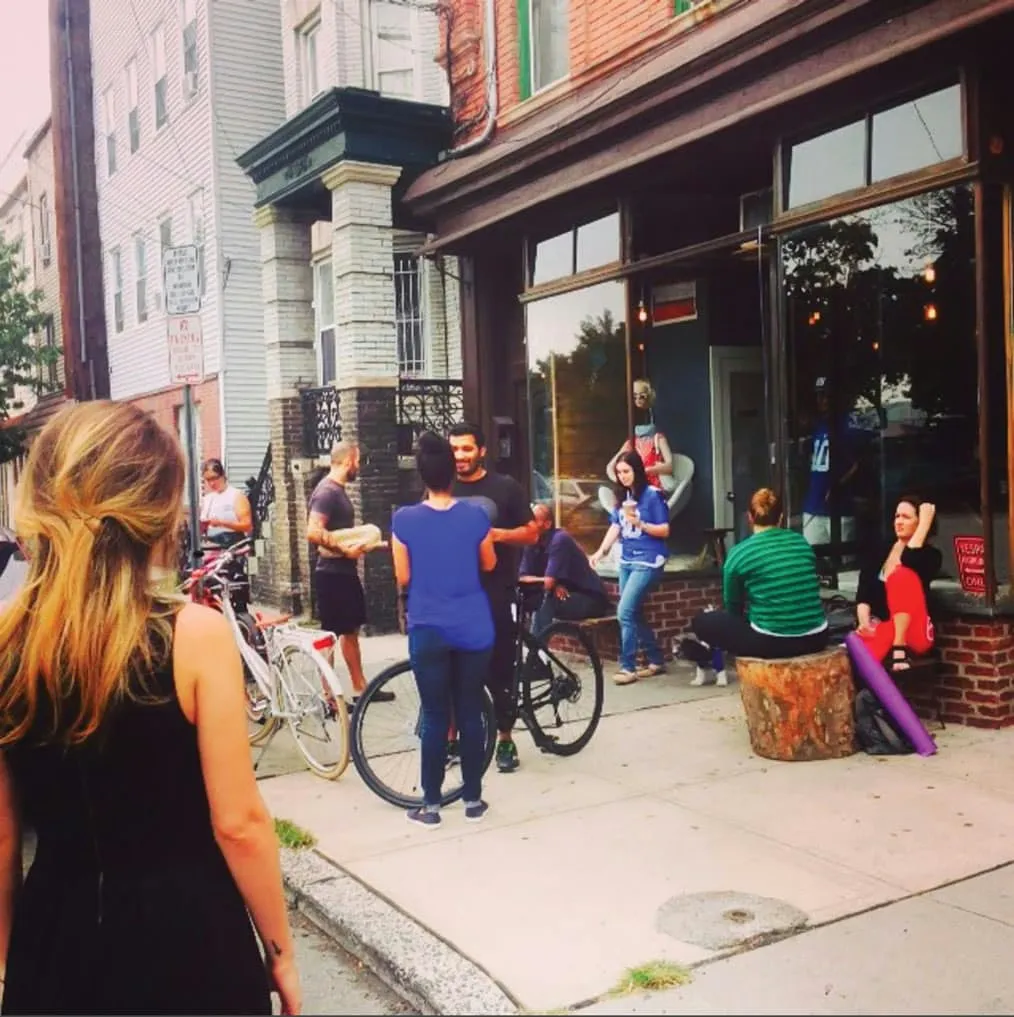
In real estate, the familiar adage is "location, location, location." For coffee businesses, securing the right spot is especially difficult when property values are high and established brands dominate the area. The challenge isn't just construction costs—it's finding a way to enter the market and build a loyal customer base.
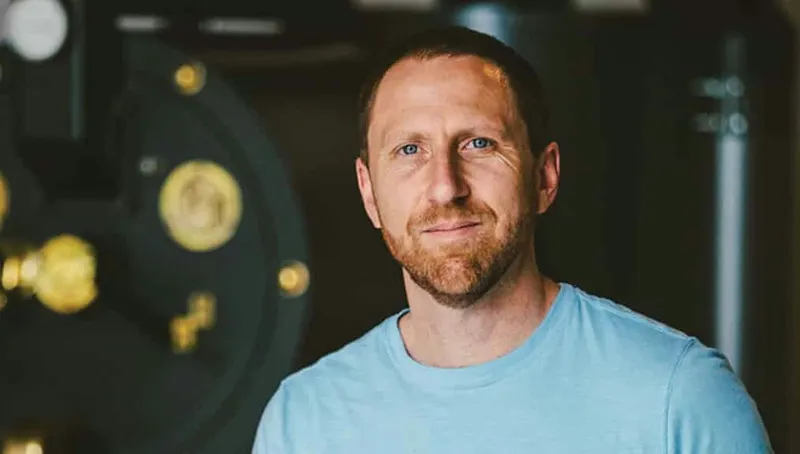
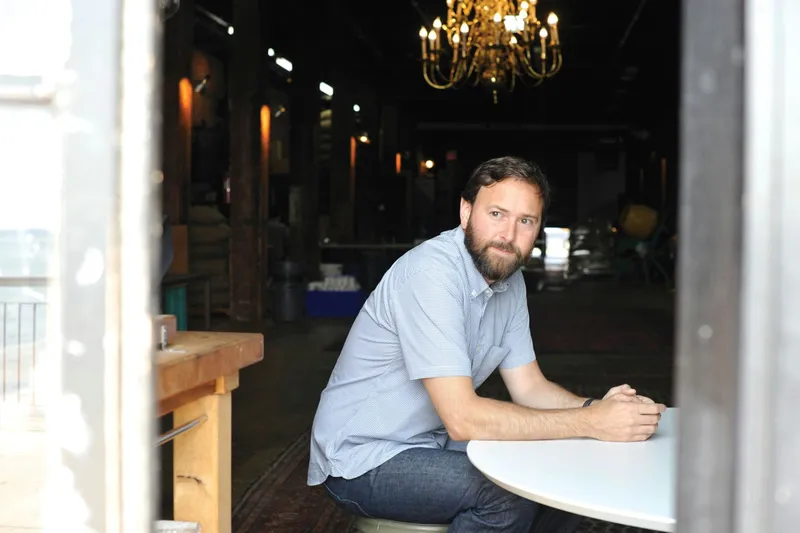
Modcup founders Travas Clifton and Justin Hicks met during a Willem Boot coffee course in San Francisco. They launched their business by rising early and hauling a coffee cart to Hoboken, New Jersey—just across from New York City—near a busy transit hub and office district.
Before long, they brought on other coffee professionals, including Ryan Foster, to help grow the company. Customers at Modcup Coffee Co.'s first mobile shop encountered what looked like a converted hot dog cart, outfitted with an enigmatic lever-pull espresso machine, a pour-over bar, and the full styling of a distinctive coffee shop.
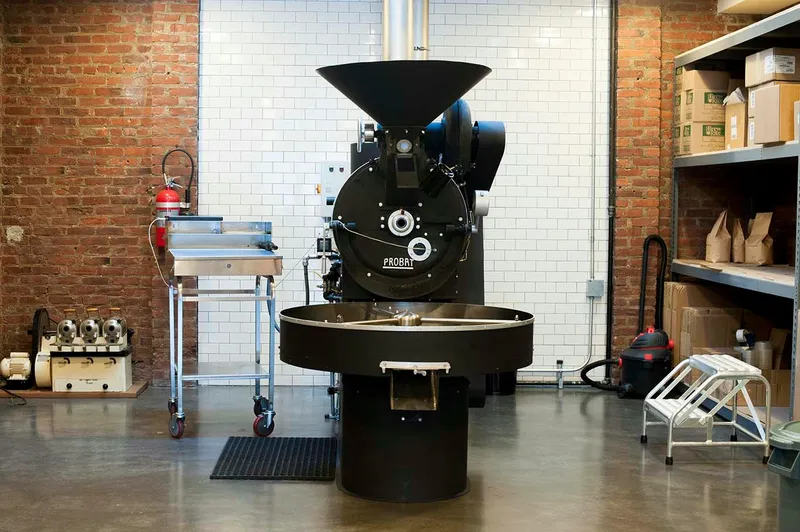
Over the past three and a half years, Modcup has continued operating on the road with a 1969 Citroën H Van and various mobile setups, including a modified version of the original mobile café. The company also opened a café in the developing Jersey City Heights neighborhood and a combined roastery-café to supply its growing cafés and wholesale partnerships.
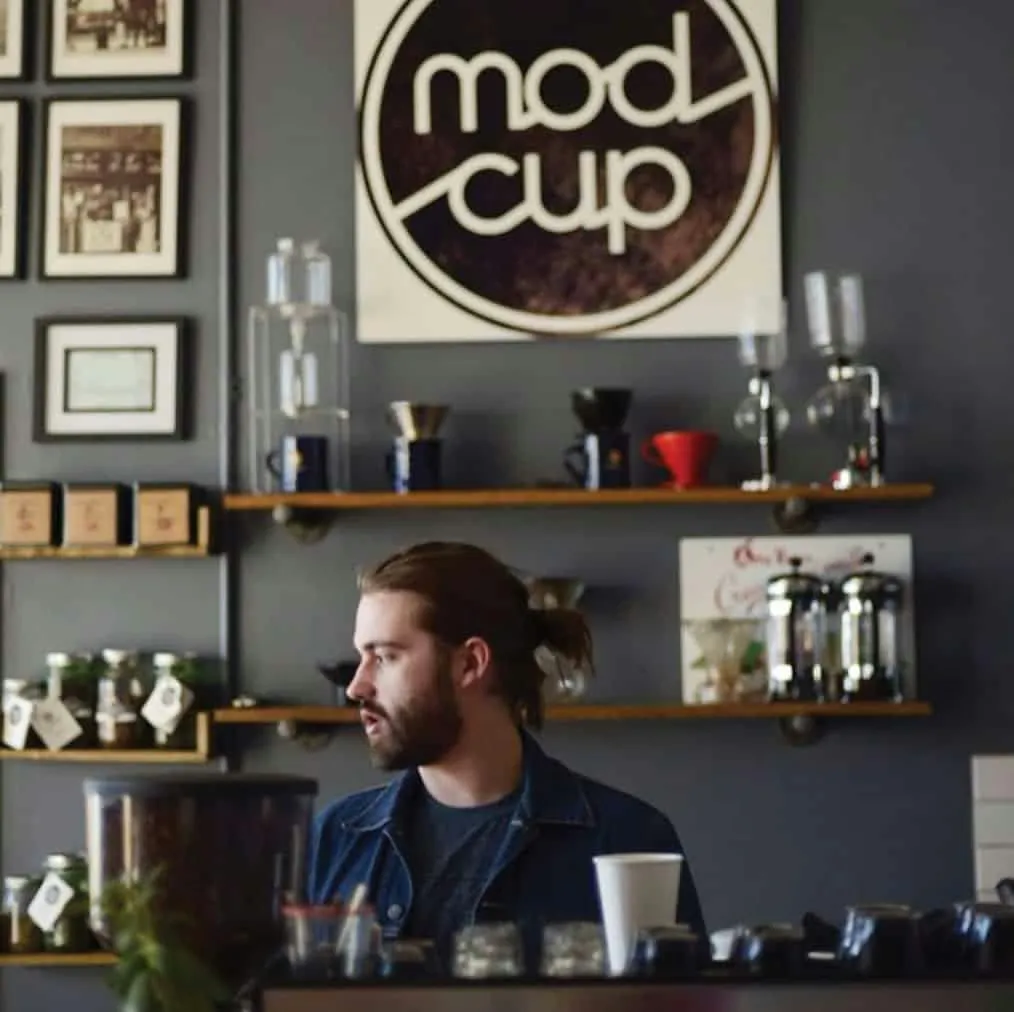
Even as older projects mature and new ones take shape, everything rests on what Clifton and Hicks learned on the streets: adaptability, frugality, and personality.
When outside temperatures drop below forty degrees, fingers go numb, and electric kettles struggle to reach temperatures hot enough for pour-overs, the romance of being "out there" with a business gives way to hard work—along with ample frustration and expletives.
In mobile operations, problems seem to appear out of nowhere, forcing immediate solutions to keep things running. The drive to persist comes not only from the mobile operation supporting your livelihood but also from the likely line of ten severely under-caffeinated customers waiting for their fix. There's no time to call a technician—you are the technician, jury-rigging stubborn equipment to keep customers happy and the books balanced.
Whatever the Modcup team did in those hectic moments usually resulted in a permanent fix, but the challenges taught them important lessons about each component of their operation. They learned to adapt their designs and models to surrounding conditions, a lesson that continues to drive every aspect of the company.
Beyond adapting to physical demands, mobile operations taught the Modcup team how to responsibly assess the demands of the markets they were most drawn to. For many food and beverage businesses, the struggle is the risk of taking on a new location. When you factor in rent, build-out costs, and other expenses, success isn't guaranteed—even with an outstanding product.
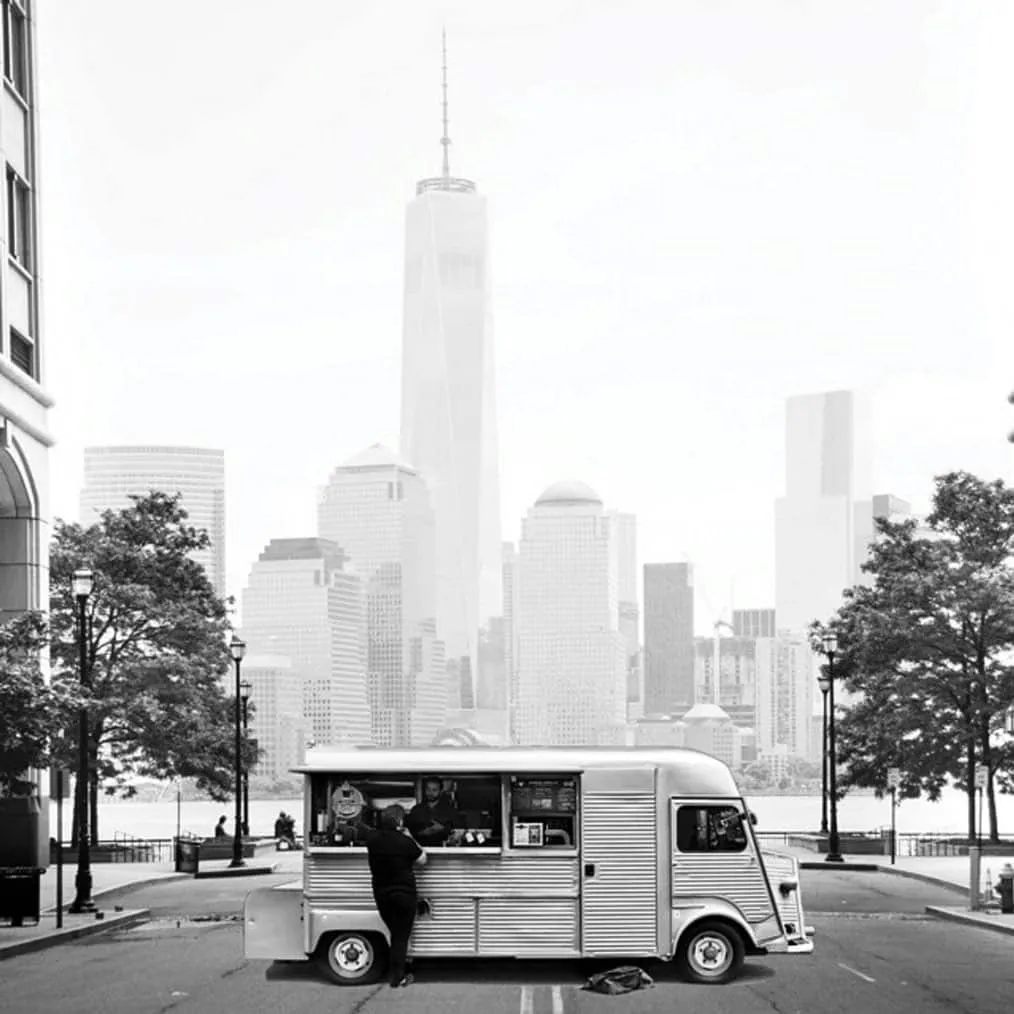
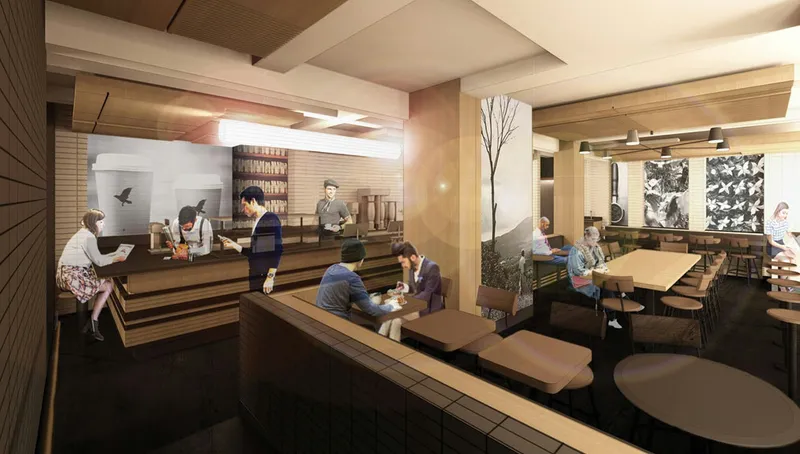
What gave Modcup the confidence to open their first brick-and-mortar café wasn't just a space with an amazing view of New York City, but the knowledge that they were about to open across the street from where their mobile operation launched in the neighborhood farmer's market.
Before signing a lease or starting build-out payments, the team had already built a local client base, discerned the neighborhood's character, and determined the direction the café needed to take for success.
While they noticed how many cafés in and around NYC tried to attract customers by boasting state-of-the-art equipment, familiar third-wave roasting companies with good reputations for quality, and the ubiquitous fedora, Modcup set out to create a unique identity for their brand. They adapted the café to welcome customers and invite them on the company's growth journey.
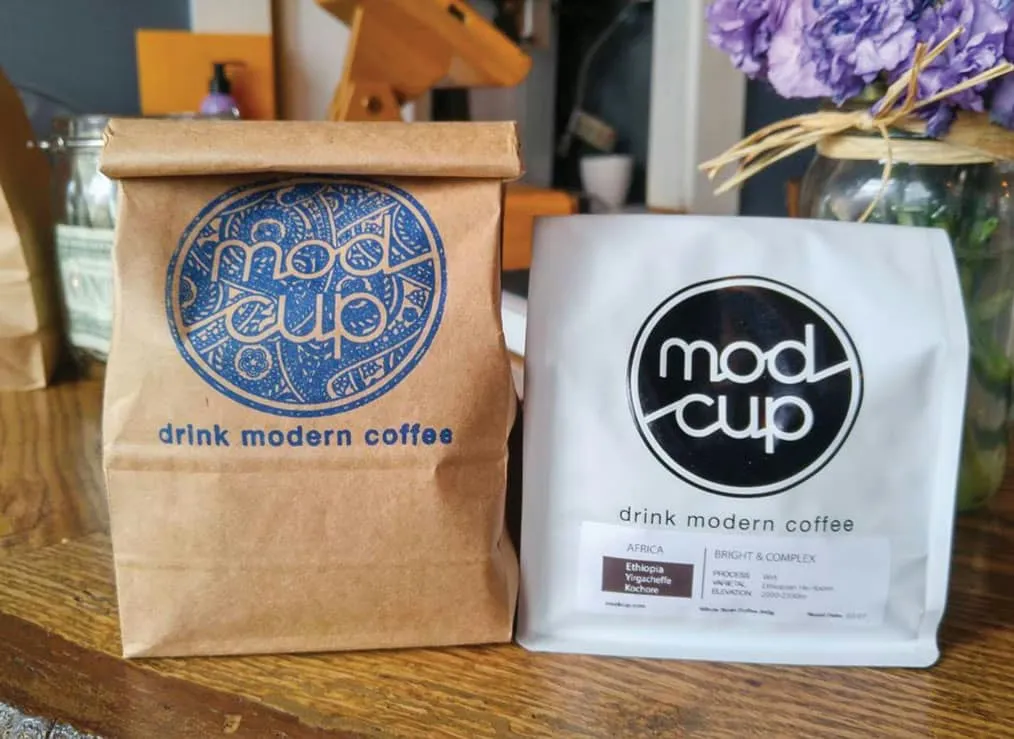
Clifton, Hicks, and Foster encouraged engagement with the Modcup brand through a slogan that said "unplug and connect," alluding to their decision not to provide Wi-Fi. Not only was this a request from many local patrons, but it changed the way people regarded the café as part of the specialty coffee movement. Spunky record player tunes replaced the muted world of hipsters with earbuds and iPhones, warm conversation cast out any air of a co-working space, and people excitedly discussed coffee, the neighborhood, and everything else that brought them together in the small space with a great view.
Even as the Jersey City Heights neighborhood changes, as many neighborhoods on the cusp of large metropolitan areas tend to do, the Modcup team is open and ready for those changes—including competing with several coffee purveyors in the area. While the café started as a combination of a local coffee shop and a well-sought destination for coffee geeks in the region, it's a great testament to the lessons learned by starting on the streets.