Roast House Coffee: A Tasting Room That Doubles as a Training Hub
How a Spokane roaster turned an open warehouse door into a tasting room, cupping lab, and hands-on classroom for wholesale clients.
By Reese Ross3 min read
From Open Warehouse to Organized Tasting Space
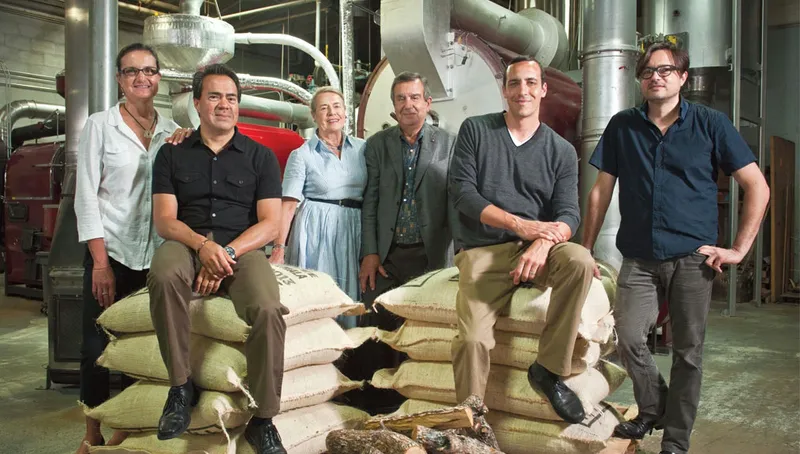
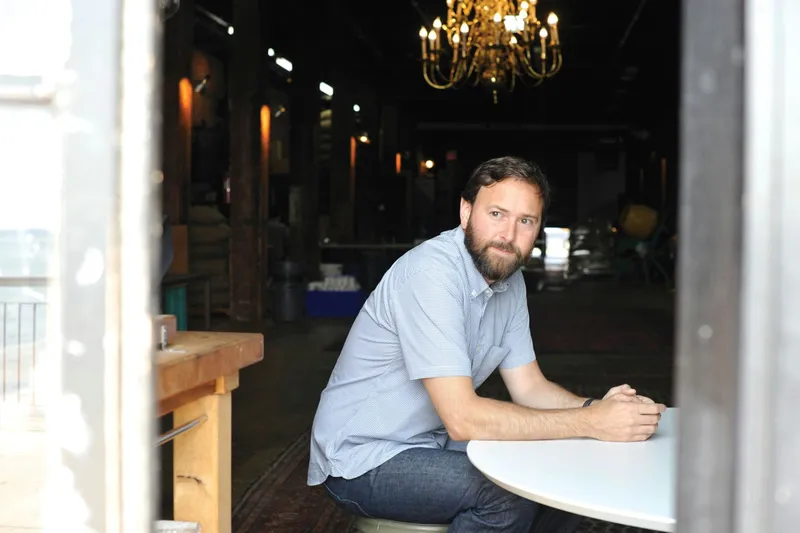
Five years after Deb Di Bernardo, owner and roaster of Roast House Coffee in Spokane, launched an open-door policy at the roastery, the operation has evolved. The original approach literally meant opening the warehouse doors so that passersby and customers could walk in, observe the roasting process, and purchase a bag of freshly roasted beans if they wished. Josie Di Bernardo, Deb’s daughter, explains the motivation: “Because mom is Italian and hospitable,” she says, “she would make them a latte while they waited.” Over time, however, the open door created bottlenecks, and the single hopper made it difficult to accommodate requests for samples of different coffees.
A Tasting Room That Serves Multiple Purposes
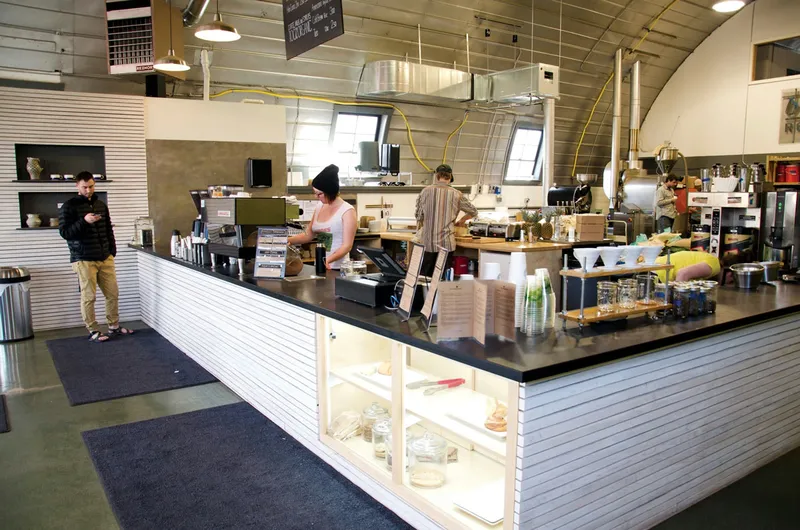
This past April, Roast House opened a tasting room designed to organize visitors and offer a wider selection of the coffees they roast. “It’s been so functional, I don’t know how we managed to get by before,” Josie wrote in an email. “And people are stunned and delighted that their cup of coffee is still free.” According to Josie’s estimate, about twenty percent of their visitors come specifically for a coffee-tasting session, while the rest are regulars who want to buy beans directly from the source. Hardly any are looking for a free brew without making a purchase.
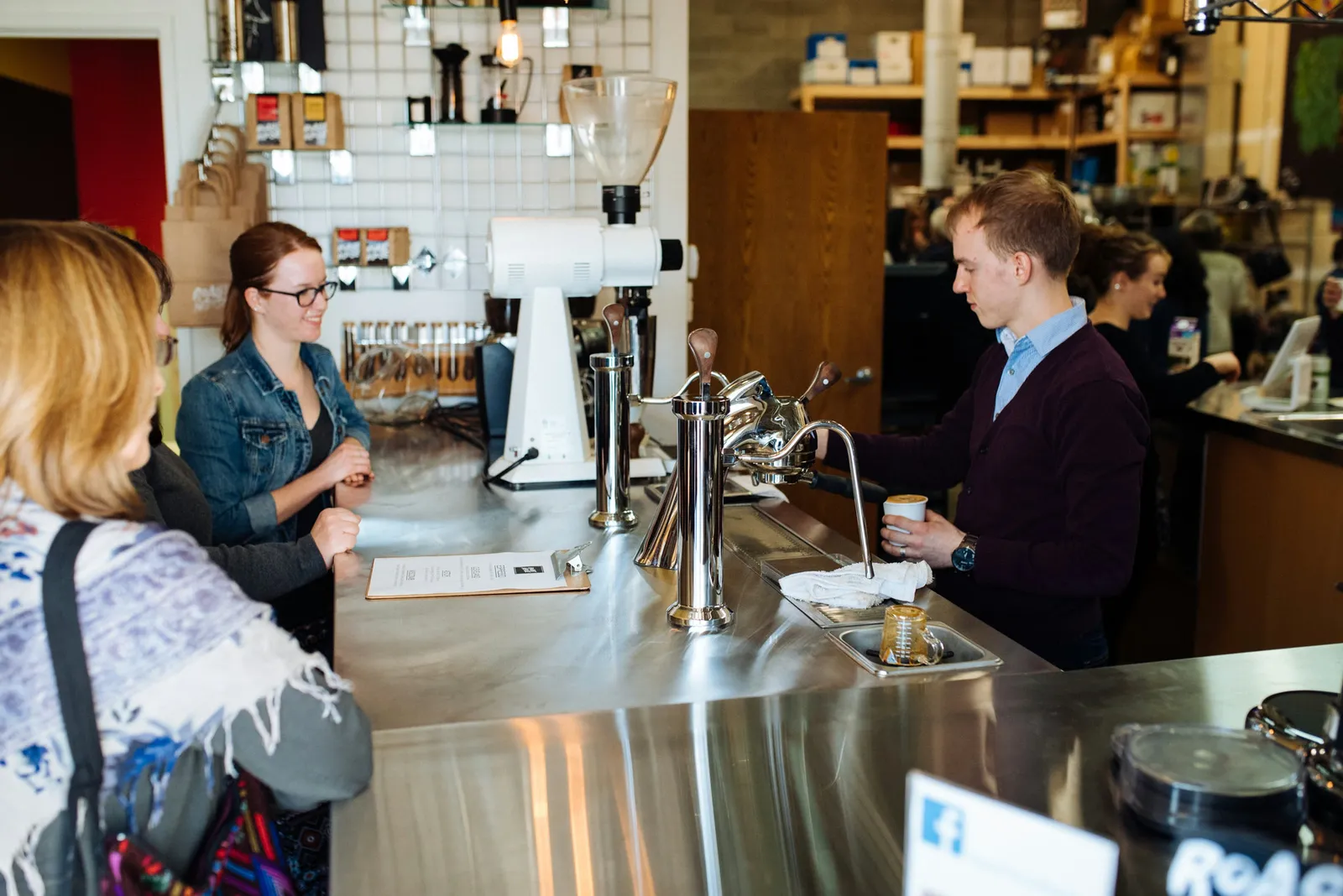
The tasting room does more than serve as Roast House’s public face. The back bar functions as the roastery’s cupping space, and account training takes place on the Modbar. It also acts as a working model to demonstrate setups for their wholesale customers. “We’ve found that a visual, hands-on experience teaches more than a 2-D map and really emphasizes the importance of sufficient (and) efficient space and high-quality equipment,” Josie says. The bar was built with this in mind, and they even included more space than they need so they can show café owners where pastries, syrups, teas, and other café accoutrements would go.
Hosting Events and Building Community
In May, Roast House hosted its first throwdown, and Josie notes that Inland Northwest TNT would not have approached them if not for the new space. Like many wholesale roasteries, Roast House is not located in a prime walking neighborhood or operating its own café. But through its openness and now the tasting room, it has found a way to connect not just with cafés but with coffee drinkers.
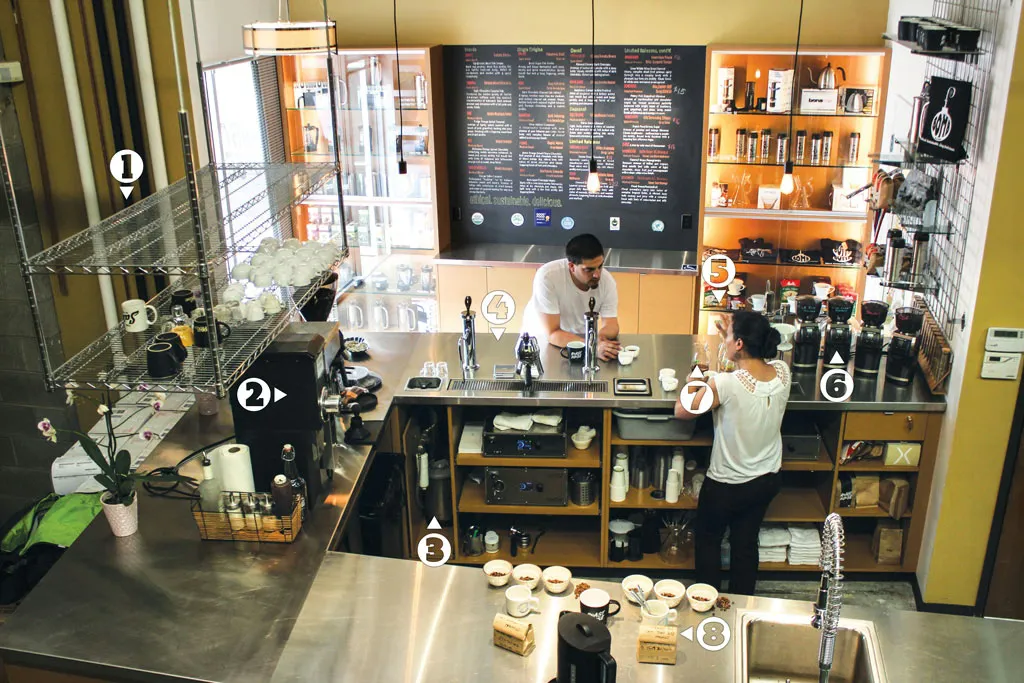
1. Too Much Shelving: A hanging inverted chef’s rack provides ample cup storage—more than the tasting room requires—to show wholesale clients the shelf space they’ll need.
2. Sidebar: A heavy-duty grinder and Fetco don’t get used much, but are more examples for outfitting a café. Two grinders, a Baratza Forte and UNIC M731, hold rotating and house espressos, respectively.
3. Hard Water Fighter: Spokane’s hard and chlorinated water requires heavy filtration; the system slides out of the bar for demonstrations.
4. Demo Bar: A Modbar espresso system allows full views of training from both sides of the bar.
5. Slow Bar: Customers can have their coffee prepared using a Chemex, Melitta, Eva Solo, or AeroPress.
6. Tasters Row: Four Baratza Vario grinders hold two to three limited release coffees, available only to warehouse visitors, and one darker coffee.
7. Favorite Tool: Josie Di Bernardo, Roast House Coffee’s general manager, says wet erase markers have become the team’s favorite tool. They label their Hario decanters with each coffee’s name as customers go through a tasting.
8. Cupping Lab: Roast House cups their coffees on the back bar. Behind the bar, visitors have a view of the roastery.