Building Coffee Culture Where the Beans Are Grown
In nations that export coffee, local roasting ventures are creating new consumer markets, adding value at origin, and giving farmers their first taste of their own crop—though equipment, staffing, and unfamiliarity with coffee present real obstacles.
By Reese Scott4 min read
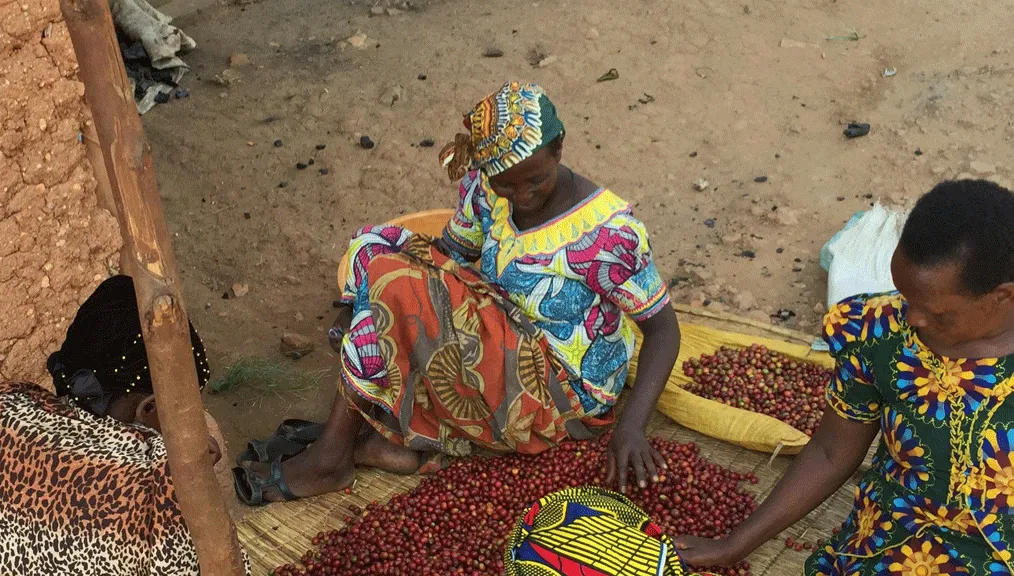
Specialty roasters are appearing across many coffee-producing nations, echoing the quality-coffee boom long seen in the United States. Colombia, Brazil, Peru, El Salvador, and Mexico each host lively specialty scenes. By Brazil's own reckoning, the country now ranks as the world's second-largest coffee consumer. Firms such as Azahar Coffee in Colombia, Café Sublime in Mexico, and Café Verde in Peru are building energetic local markets and gaining international recognition—one sign being Alejandro Mendez of El Salvador, who took the 2011 World Barista Championship while employed by Viva Espresso.
Governments in producing countries are putting money into developing domestic consumption. Rwanda's government has directed capital toward infrastructure, among it a roasting plant able to process 6,500 pounds a day. The aim is to add more value-added coffee products to the market, including coffee roasted for local buyers and for export.
That was the setting in which I relocated to Rwanda, working with Sustainable Harvest Coffee Importers to launch and grow Question Coffee, a specialty roaster in Kigali.
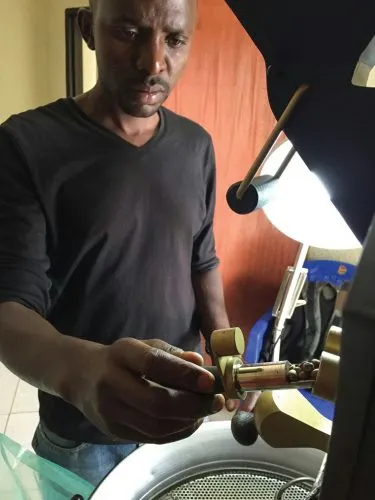
Jean Bosco Safari.
I hold that specialty coffee can do genuine good in the world and that cafés matter as public spaces. I have seen how coffee, when sourced responsibly, can better the lives of those who grow it. In Rwanda I built a roasting operation that kept profits inside the country, generating extra income for growers. Question Coffee also set out to let producers taste the coffee they cultivate and to serve as a showcase of specialty coffee for Rwandans.
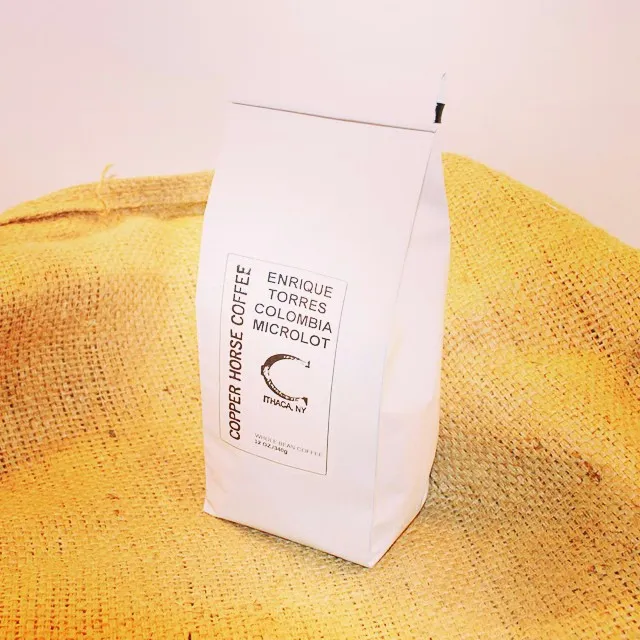
Such aims are not unusual in producing countries. Mariana Proença, publisher of Revista Espresso, a magazine covering Brazilian coffee culture, reports that the expanding specialty scene there has led more farmers to cup their own coffees and to discover the distinctive qualities of what they produce. The result has been more farmers making more microlots for specialty niches.
Azahar Coffee operates as a vertically integrated business: it roasts in Colombia, exports to global markets, and retails in Bogotá. Farmers are paid according to cup quality, consistency from one year to the next, and the cost of production. This transparent model ultimately delivers value to consumers.
Still, establishing a specialty roasting business in a producing country comes with many hurdles. In Rwanda, for instance, quality propane gas for the roaster is hard to obtain, and packaging, sealers, and other equipment are costly to procure and ship. Staffing a coffee company in a country without an existing coffee culture is another difficulty.
Fortunately, Rwanda—where local coffee consumption is nearly nonexistent—has a small but lively barista community. From that group I hired Dan Sibomana as Question Coffee's first barista. Only a handful of people in Rwanda have roasting experience, and most know only sample roasting or have roasted low-grade commercial coffee for the existing consumer market.
Finding and training an experienced roaster interested in high-quality coffee was essential. I had met Jean Bosco Safari, a Rwandan coffee roaster, years earlier when he lived in Portland, Oregon, and roasted for Stumptown. He had since gone back to Rwanda, and I brought him aboard as roastmaster.
With equipment and staff settled, the next obstacle was finding customers. Rwanda has scarcely any coffee-drinking culture, let alone a specialty niche. Local coffee was often low-grade, roasted very dark, and pricey. Most Rwandese drink tea, which is both more popular and cheaper than coffee. Having never tasted quality coffee and facing high prices, Rwandans were understandably reluctant consumers. Success required coffee that was both high-quality and affordable—a challenge when aiming to pay producers a fair price.
Many Rwandese grow up believing coffee is somehow unhealthy, often asking, "Won't it make my heart race?" or, "If I drink coffee, will I be able to sleep?" The task is not merely finding a market but developing one that is entirely new. By sourcing delicious coffees, roasting them artisan-style, and grinding and brewing fresh to specialty standards, Question Coffee has built a local following among expats and Rwandese alike.
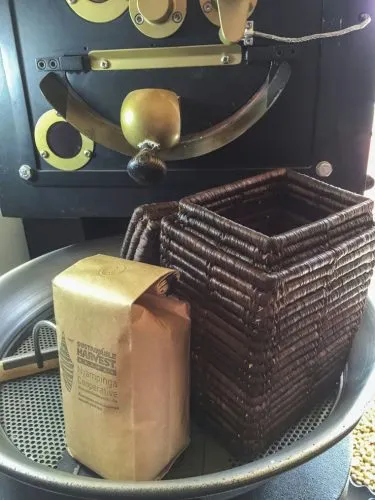
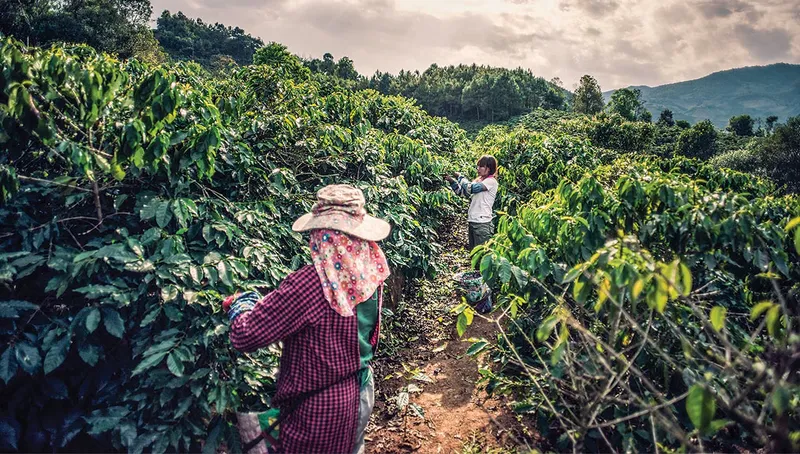
Progress has been slow, demanding attentiveness to the local market and drinks that appeal to new coffee drinkers. One key to Question Coffee's success has been drinking coffee together with the farmers who grow it. Beginning with high-quality green coffee, exceptional roasting, and skilled baristas, farmers who have grown coffee all their lives are now tasting their coffee for the first time and discovering its sweetness and nuance. This has stirred enthusiasm among producers, who now actively promote their green coffee to international buyers and help market roasted coffee to their local communities.
The rise of specialty coffee in producing countries is exciting. It gives me hope that quality will keep improving. When coffee growers and producers experience their product in the same ways those of us in consuming countries do, everyone benefits.
The tasting experience aids communication about quality between buyers and sellers and helps ensure producers understand the true value of their products. Consuming coffee in producing countries also brings in additional revenue from roasting and retailing, and—call me hopeful—makes it more likely that some of those proceeds will be returned to the original coffee growers.