Bonanza Coffee: The Berlin Roastery That Started a Coffee Awakening
How a former artist and her business partner introduced specialty coffee to Germany's capital, one meticulously sourced bean at a time—and why their minimalist approach still matters.
By Casey Adams3 min read
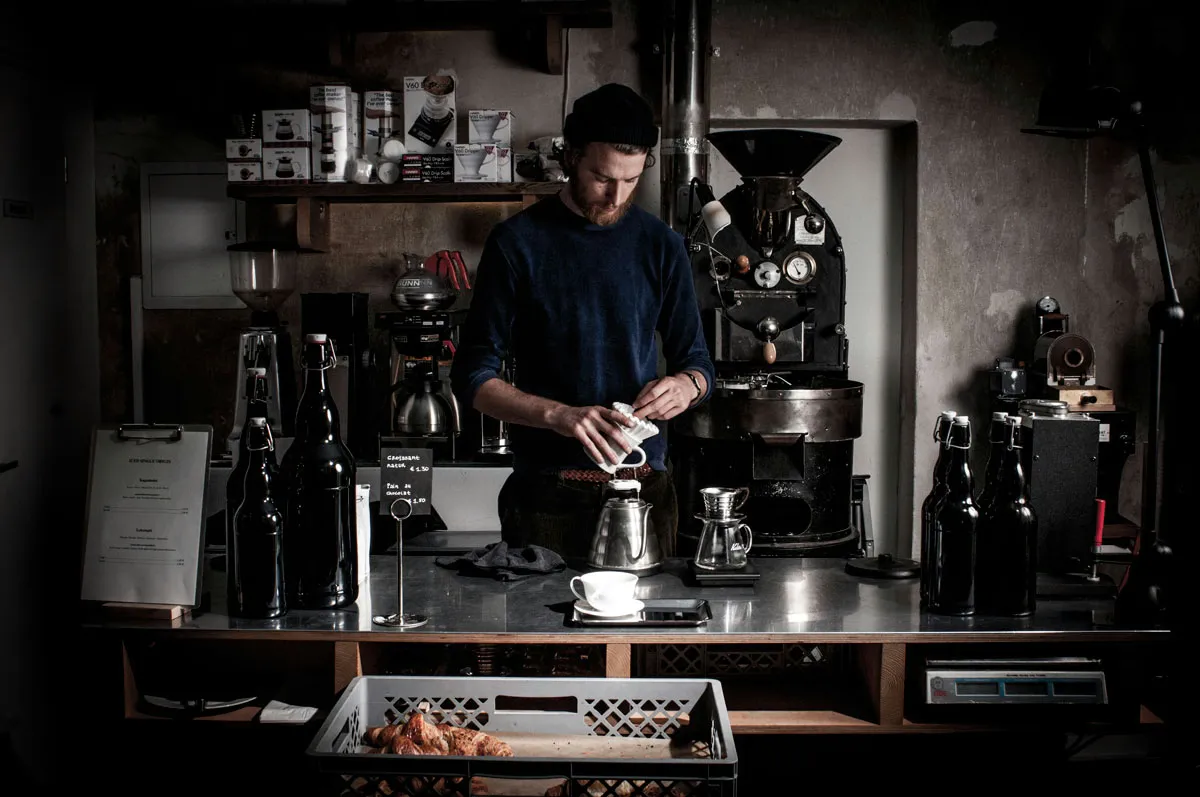
On a gentrified street in what was once East Berlin, a short walk from the old path of the Berlin Wall, a plain gray brick facade hides one of the city's pioneering coffee spots. The sign—a faint neon script reading "Bonanza Coffee Heroes"—is easy to miss. Yet behind that unassuming exterior, Bonanza Coffee Roasters has spent nearly a decade building a reputation as Berlin's original roastery, setting standards for the capital's coffee scene.
Founded in 2006 by Berliner Yumi Choi and her business partner Kiduk Reus, Bonanza Coffee Roasters (originally called Heroes) was the first of its kind in the city: a boutique roastery determined to bring quality coffee to a public that had few options. Even after the Wall fell, good coffee remained scarce in Berlin. Before the mid-2000s, finding a decent cup was a challenge.
Yumi recalls her own coffee origins with a laugh: “I loved coffee. I was one of the people who hung out in coffee shops,” she says. “But I must confess I drank really bad coffee. I was feeling existential and sipping on really disgusting latte macchiatos.” She credits Berlin's expat community with helping to import food and drink culture. By 2014, the city's culinary landscape had become remarkably diverse—a stark contrast to just five years earlier, when a taco seemed like an alien artifact.
The turning point came during a visit to Monmouth Coffee Company in London. Known for roasting beans from single farms, estates, and cooperatives, Monmouth was one of the UK's first acclaimed specialty coffee shops. Trying it for the first time was a revelation for Yumi. “You cannot drink other coffee. After that you can never go back again,” she says. “It was a journey of awareness of the different aspects of this everyday product.”
At the time, Yumi was working as an artist in Berlin, and Kiduk persuaded her to take the leap. They dove into the coffee scene, researching a business model that would fit their vision. Eventually they moved away from fair-trade certification in favor of paying more for higher-quality beans. “I think for some people it works,” Yumi says of fair-trade sourcing, “But we’d rather focus on quality and pay for that, than for realizing a political idea.”
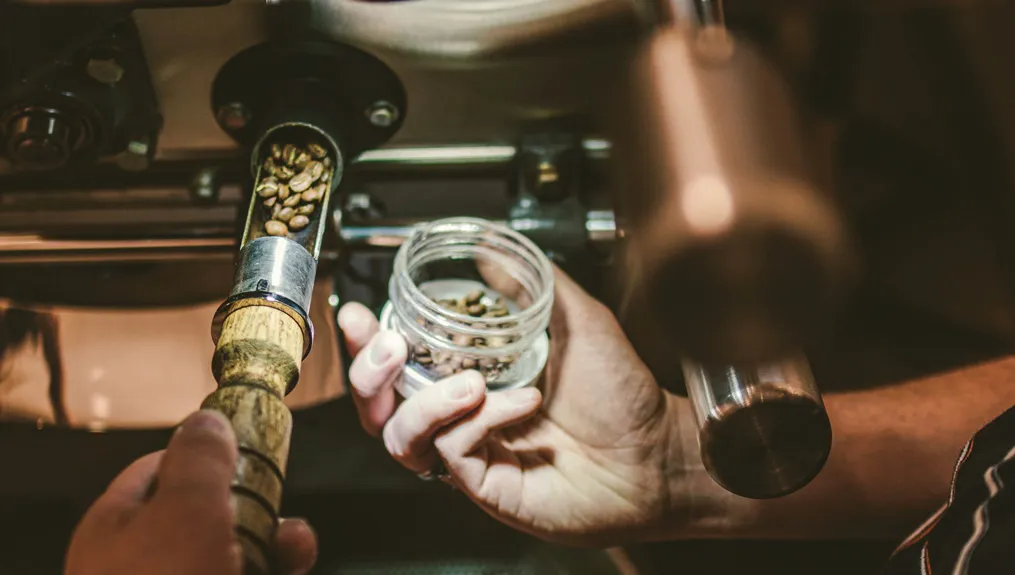
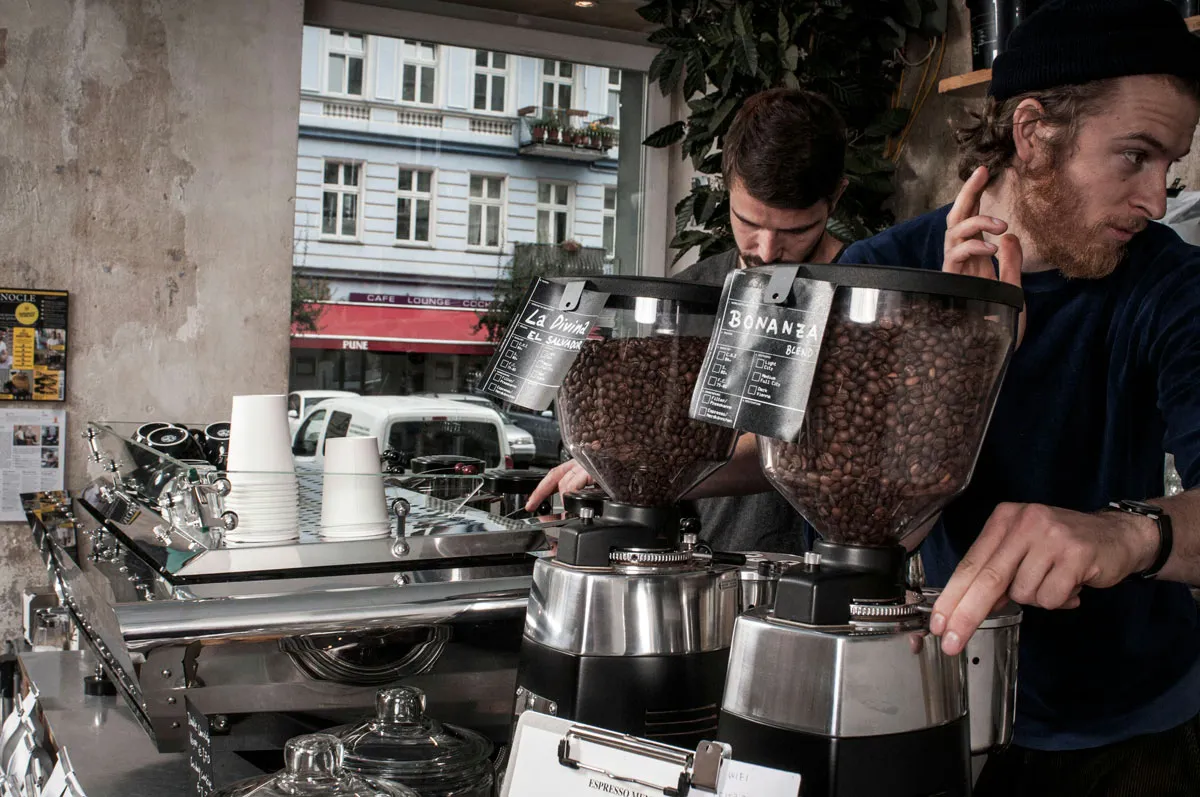
Bonanza sources boutique beans from Ethiopia, Guatemala, El Salvador, Kenya, Indonesia, and Colombia, paying premiums well above fair-trade prices. Yumi regularly visits cafés and roasters across Europe, bringing back sample beans that are also sold in the shop. “That’s what we’re here for, to showcase how coffee can taste, but also to share what’s going on internationally in the coffee world,” she says.
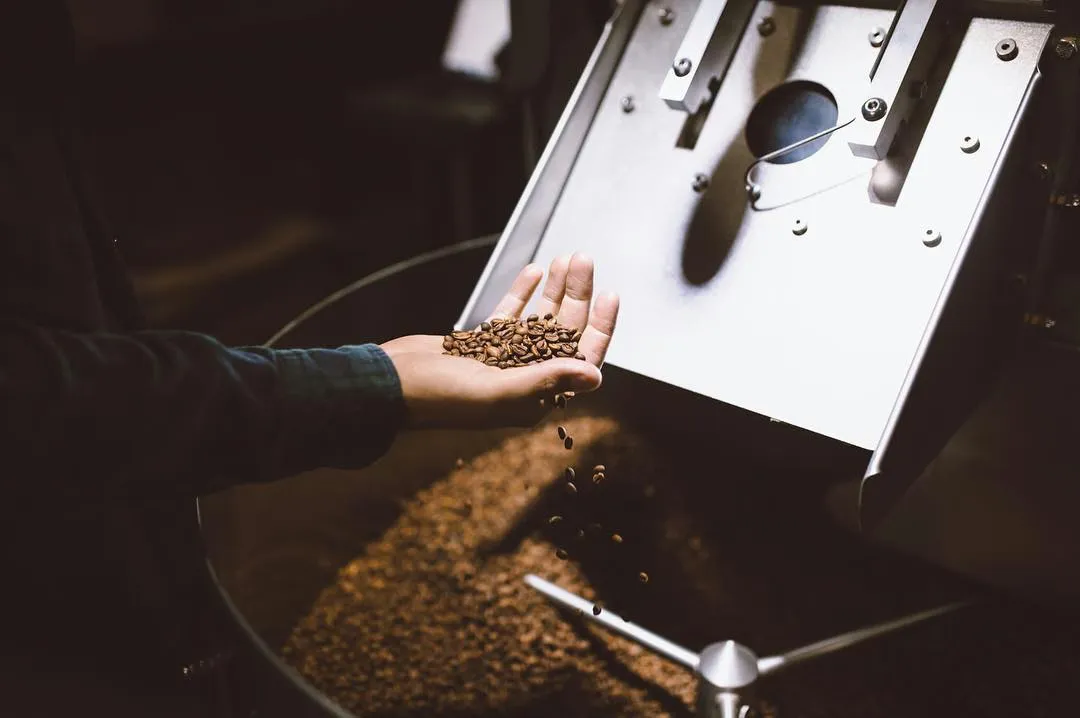
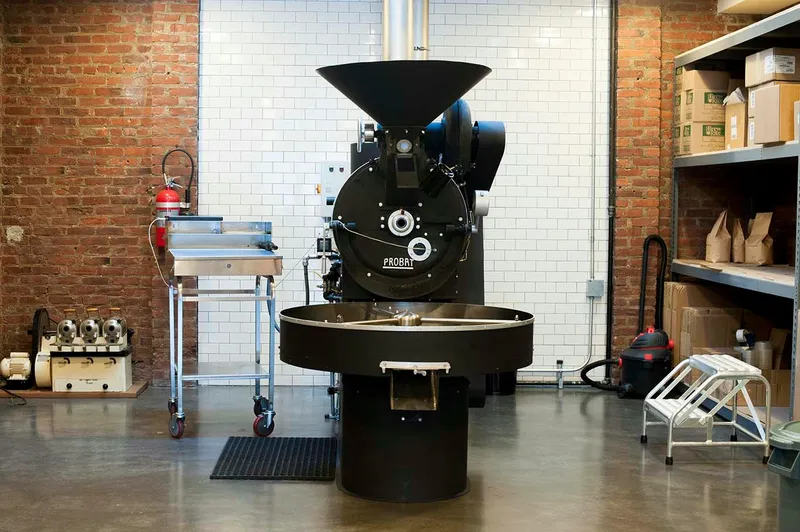
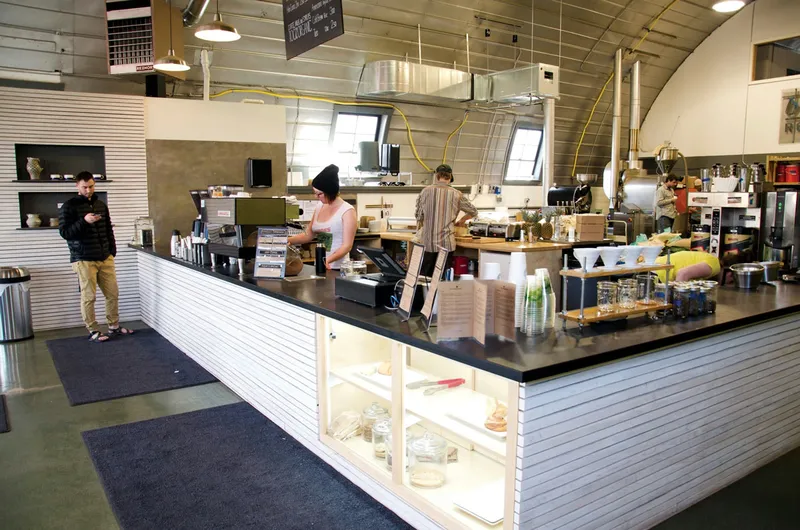
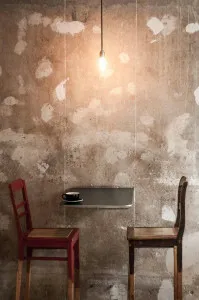
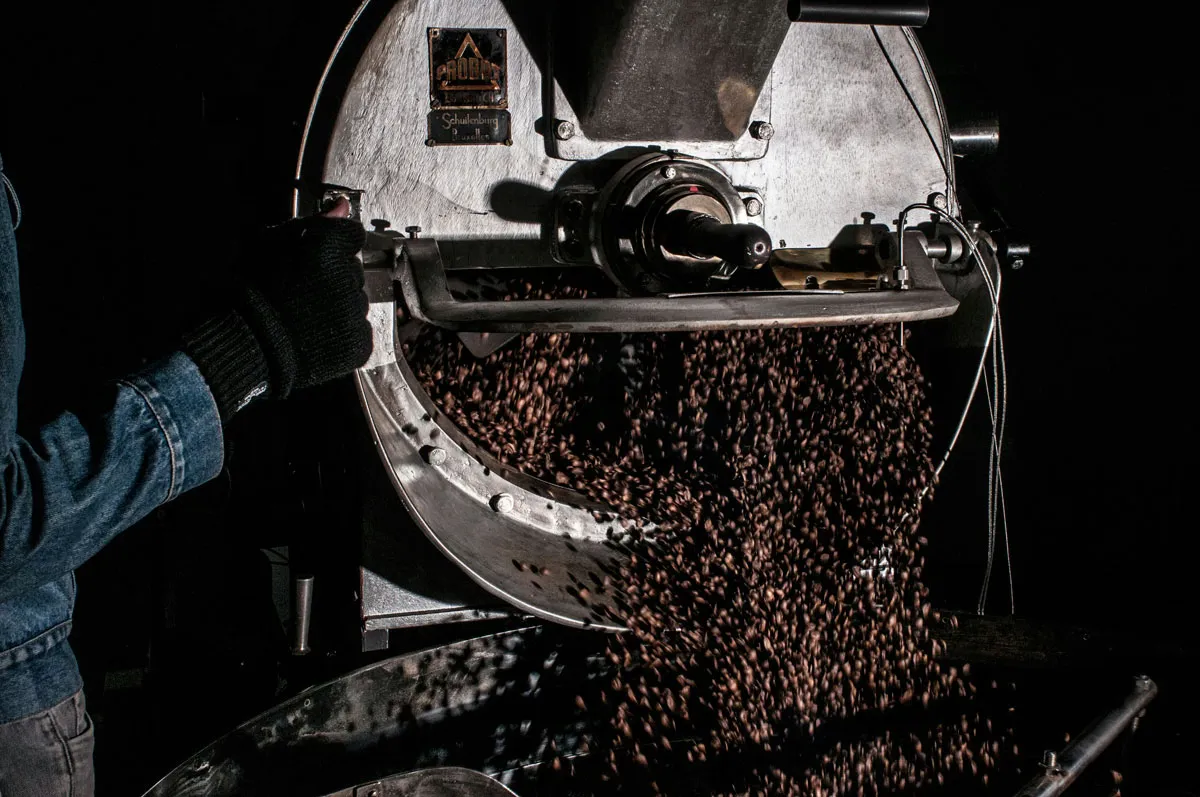
While wholesale and consulting are central to Bonanza's business outside the shop, inside the focus is squarely on the aromatic appeal of freshly roasted coffee. There is no food menu—Bonanza is not a café in the traditional sense. The space is minimalist: a few small tables and a window-side counter facing the pedestrian-filled street. The rest is occupied by a 1918 Probat roaster with a three-kilogram capacity. A separate roasting production facility operates in Wedding, north of Prenzlauer Berg.
“Because we don’t have a lot of space, we really had to focus,” Yumi explains. “We have the luxury to just do coffee. I think a lot of cafe owners don’t have this luxury—they need to offer food and the whole package. But we always had the intention to open a roaster and focus more on what happens behind the scenes.”
Bonanza roasts for and supplies a number of Berlin cafés, but consulting is their key to spreading success. Other companies seek Bonanza's advice on opening their own cafés and incorporating the latest coffee developments. “When we opened we made all the mistakes you could make. We can speak from experience,” Yumi says with a laugh.
Bonanza's customers are a mix of German- and English-speakers from around the world—an attractive, cosmopolitan crowd with a discerning palate. Today, Berlin's roasters and coffee connoisseurs have formed a network called the Berlin Coffee Society. And while Bonanza may have been first in the neighborhood, its clientele now has plenty of choices in one of Europe's most vibrant capitals.
“There’s a healthy competition, and I think in the last year it really popped up. But it’s really good for the people of Berlin because they get such good coffee to choose from,” Yumi says with a grin. “So they’re kind of spoiled for a good price.”
—Photos by Rodolfo Ruffatti Batlle.