Where Swedish Coffee Culture Meets Colombian Beans in Redondo Beach
A new California café invites patrons to linger over direct-trade coffee while honoring the farmers who grow it.
By Reese Hayes4 min read
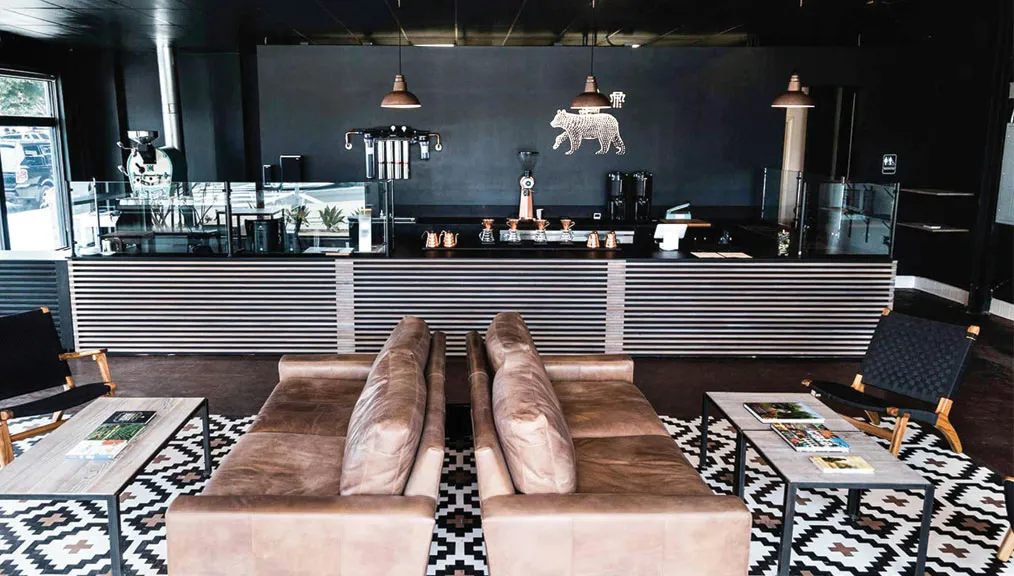
A Space to Slow Down by the Pacific
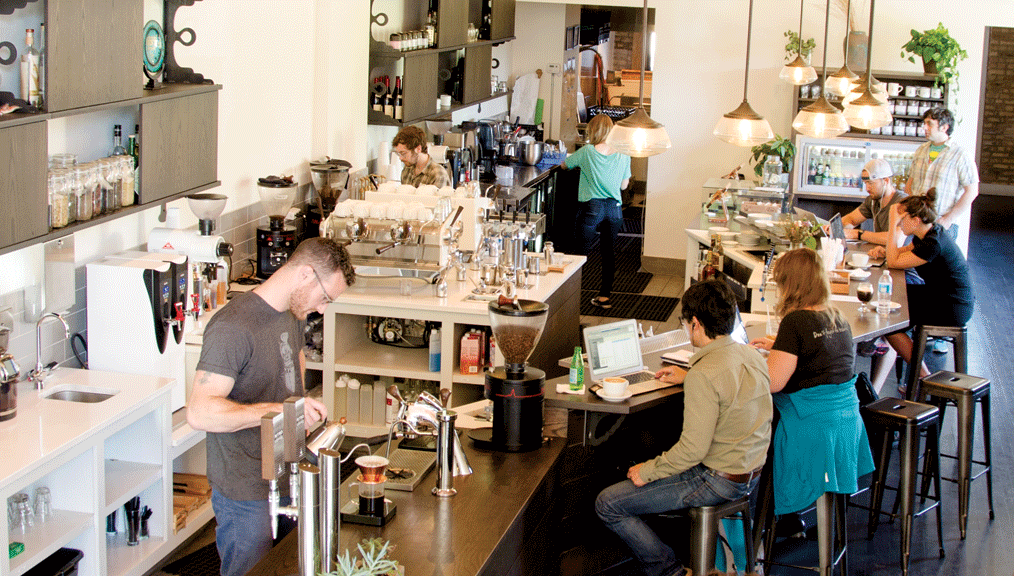
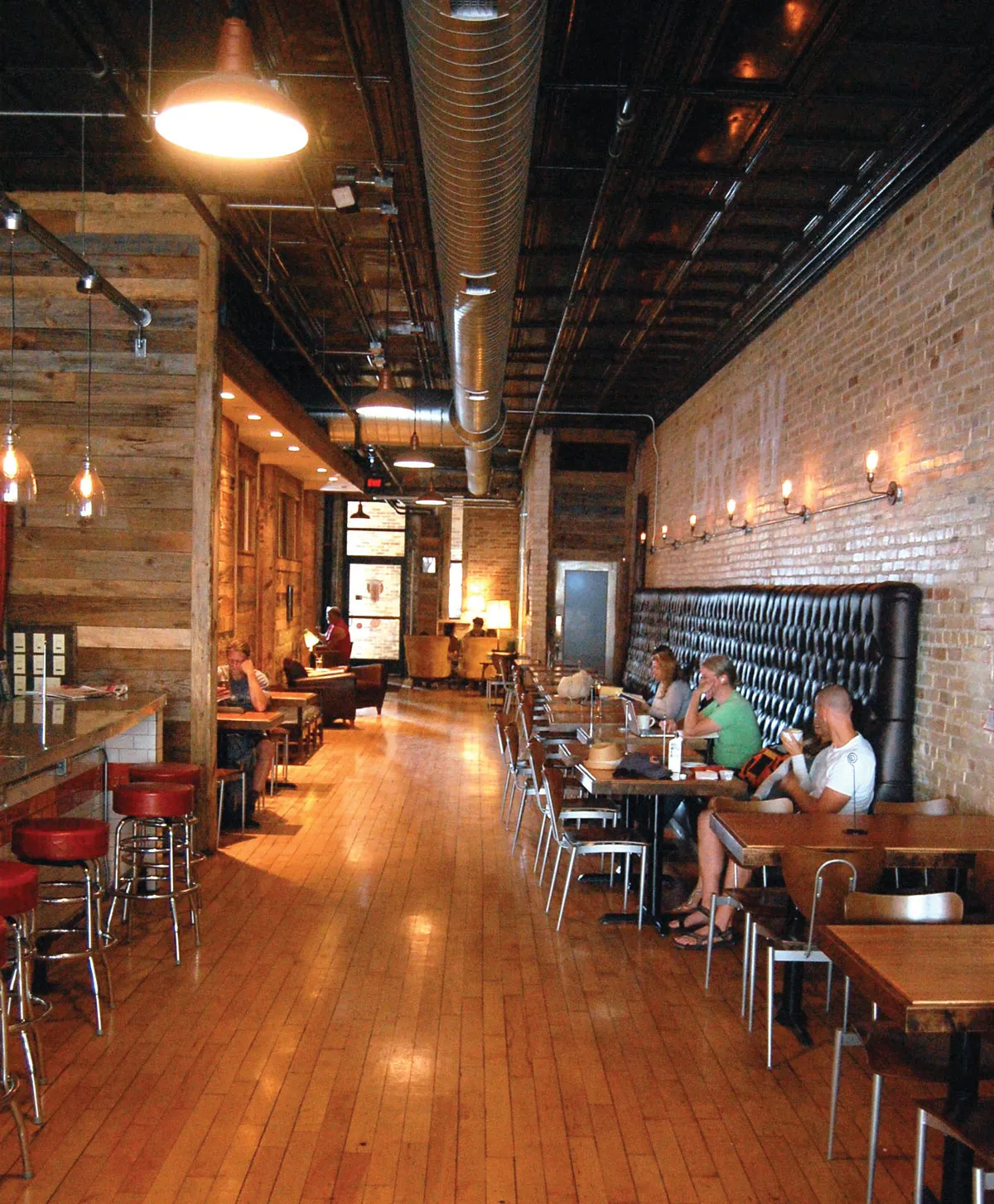
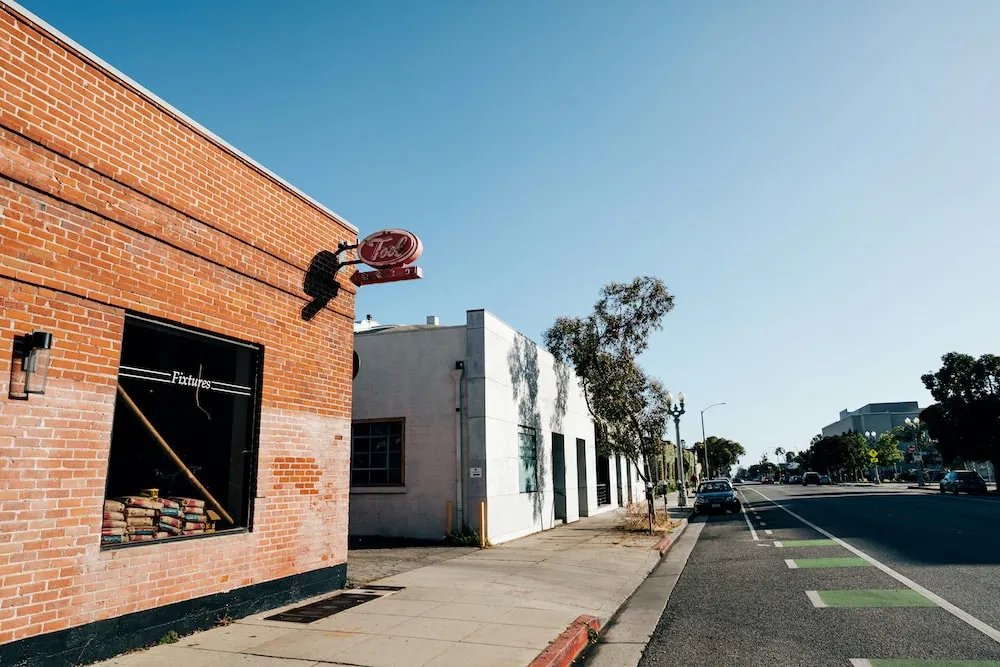
In a beachside corner of Los Angeles where many coffee drinkers rush through mobile orders, Andres Pineros is taking a different approach at his new café, the Fika Company. He wants customers to settle in and stay a while. "We try to have soft chairs and nice design and chill ambience," he says. Comfortable seating is just one aspect of the café’s contemporary look. Located just off the Pacific Coast Highway in Redondo Beach, the Fika Company merges Swedish and Colombian influences in this coastal community.
Pineros grew up in Colombia, but his appreciation for coffee took root after he moved to Sweden. "Being in the culture of Sweden, I learned how to drink coffee—the coffee was super good," he recalls. Upon returning to Colombia, he reconnected with friends in the coffee trade and started planning a business of his own. As he puts it, "Everyone is connected and everyone knows almost everyone in the coffee industry in Colombia."
From Colombia to California
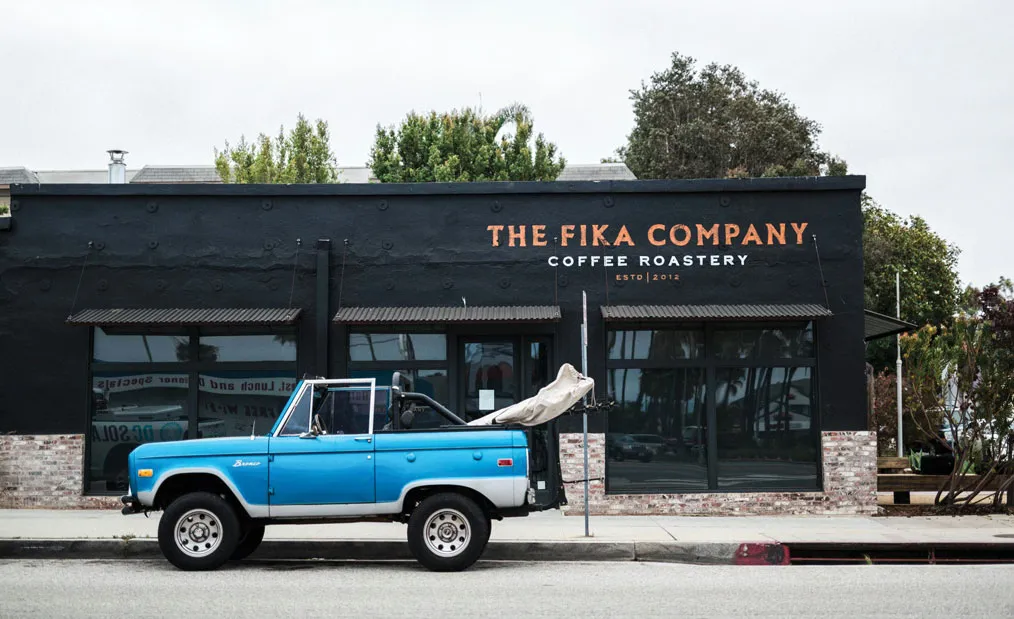
In 2012, Pineros launched Café Fika Company in Villavicencio, Colombia. The initial venture drew on local coffee networks, which allowed him to build ties with farmers in the region. Yet Pineros had ambitions beyond Colombia. He had attended music school in Los Angeles and long hoped to return to California to build a career. After the Colombian café’s successful debut, he felt the moment was right to move the operation to LA. The company’s first US location opened in July of that year, under the simpler name the Fika Company.
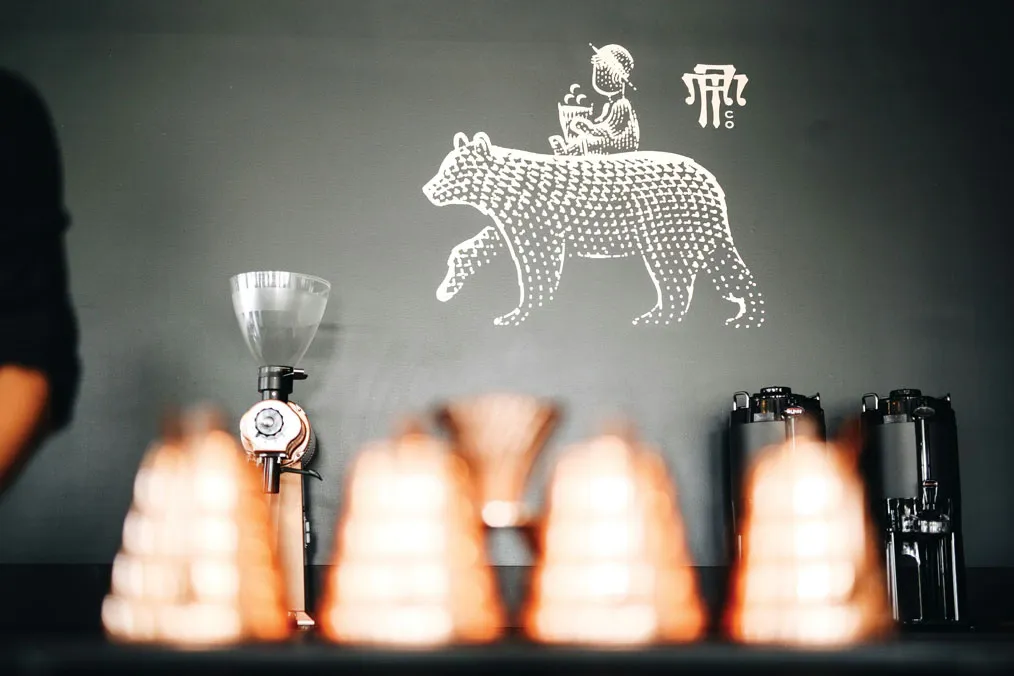
Inside the Redondo Beach shop, a custom matte-black La Marzocco Strada EE echoes the interior and exterior color scheme. A copper Malhkönig EK 43, along with Kalita Wave pour-over brewers and kettles, adds metallic highlights throughout the space. Interlocking wooden slats warm the bar’s facade, harmonizing with the soft brown leather sofas and picking up the chocolate-toned flecks in the geometric rugs. This aesthetic stands in contrast to the white, minimalist spaces common among specialty coffee shops, and the difference is both striking and welcoming. So too is the relationship the Fika Company nurtures with its farmers.
Direct Relationships with Farmers
"The concept is bringing the farmer as close as possible to our customers," Pineros explains. The Fika Company sources directly from three Colombian farms: Cruz del Eden in northern Tolima; El Reposo in Santander; and Bello Horizonte, situated twenty minutes from Pineros’s hometown of Villavicencio. Working with these farmers over the past four years, Pineros says, has given him a level of consistency and quality that less direct sourcing methods could not provide.
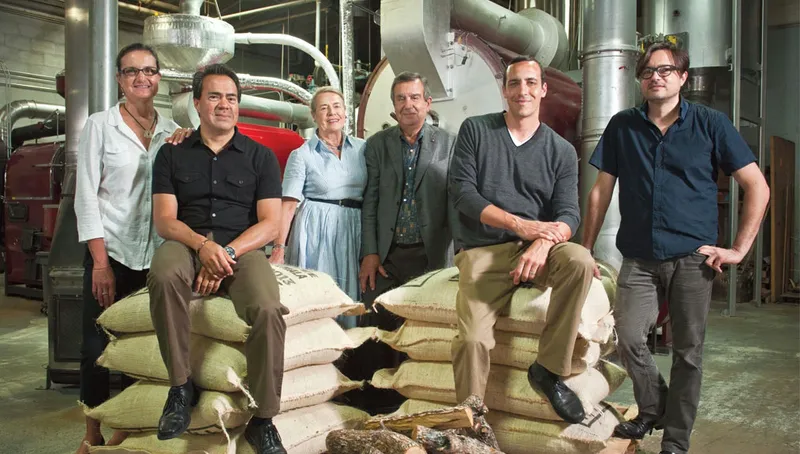
These producers also reflect a new generation’s approach to agriculture: they don’t merely grow coffee—they roast and brew their own harvest as well. Pineros intends to bring each farmer to Redondo Beach, following the model he used in Colombia. During these visits, he plans to have them roast on the Diedrich IR-5 (painted black, naturally) that sits among the equipment behind the bar. He likens a farmer’s visit to adding another roaster and another barista to the team. While the farmers gain firsthand experience of the café side of the business, customers get the uncommon chance to have their coffee prepared by the very person who grew it.
This close connection creates an open line of communication that helps farmers refine their methods and enables the Fika Company to serve better coffee. "We can tell them, ‘Oh, customers didn’t like that coffee that was a fifty-hour fermentation, let’s cut that,’" Pineros says. "It’s a total constant feedback that makes us better."
The Meaning of Fika
Yet the remarkable transparency of the Fika Company’s sourcing is only one part of its identity. The name reflects the other. Pineros first fell in love with coffee in Sweden, where he encountered fika—a Swedish practice he describes as taking time to drink coffee with people who matter. Swedish workplaces encourage the custom, and many people take fika five to six times a day.
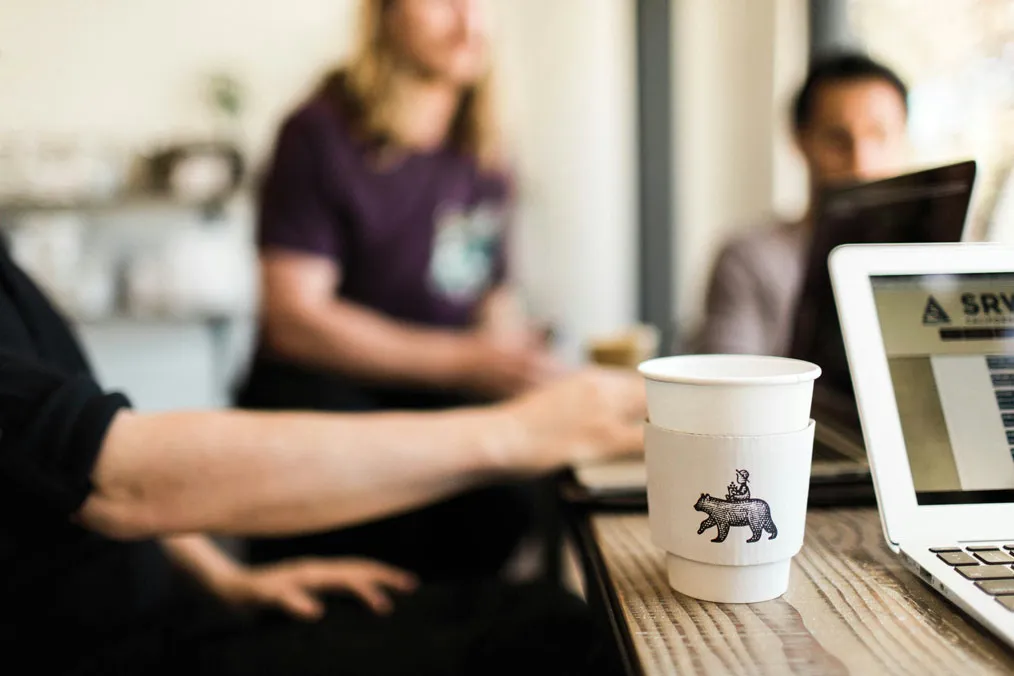
When customers hesitate over the question "for here, or to go?" baristas step in and urge them to stay and discover what fika is about. "When people decide to sit for ten minutes, they’ll often end up staying for thirty minutes or longer. It’s an eye-opening experience for people," Pineros says.
Whether they stay or leave, customers can enjoy authentic Swedish pastries made locally. The shop also offers other baked goods from Larder Baking Company, plus vegan, soy-free, dairy-free, and gluten-free options from neighboring GinaMia’s. The Fika Company also house-brews its Nordic Lights cold brew, made from a blend of direct-trade coffees and steeped for twenty-four to twenty-six hours.
Early Response and Future Plans
The Fika Company has been open only a few months, but it has already received an overwhelmingly positive response from the community. Pineros hopes to keep sharing his vision—from encouraging people to pause and enjoy good coffee together to fostering stronger connections between farmers and the cafés that roast and sell their beans.