The Enduring Appeal of Pre-1958 Probat Roasters
These cast-iron classics from Probat's UG line are coveted for their history and character, but acquiring and maintaining one demands commitment, expertise, and a willingness to get your hands dirty.
By Sam Morgan4 min read
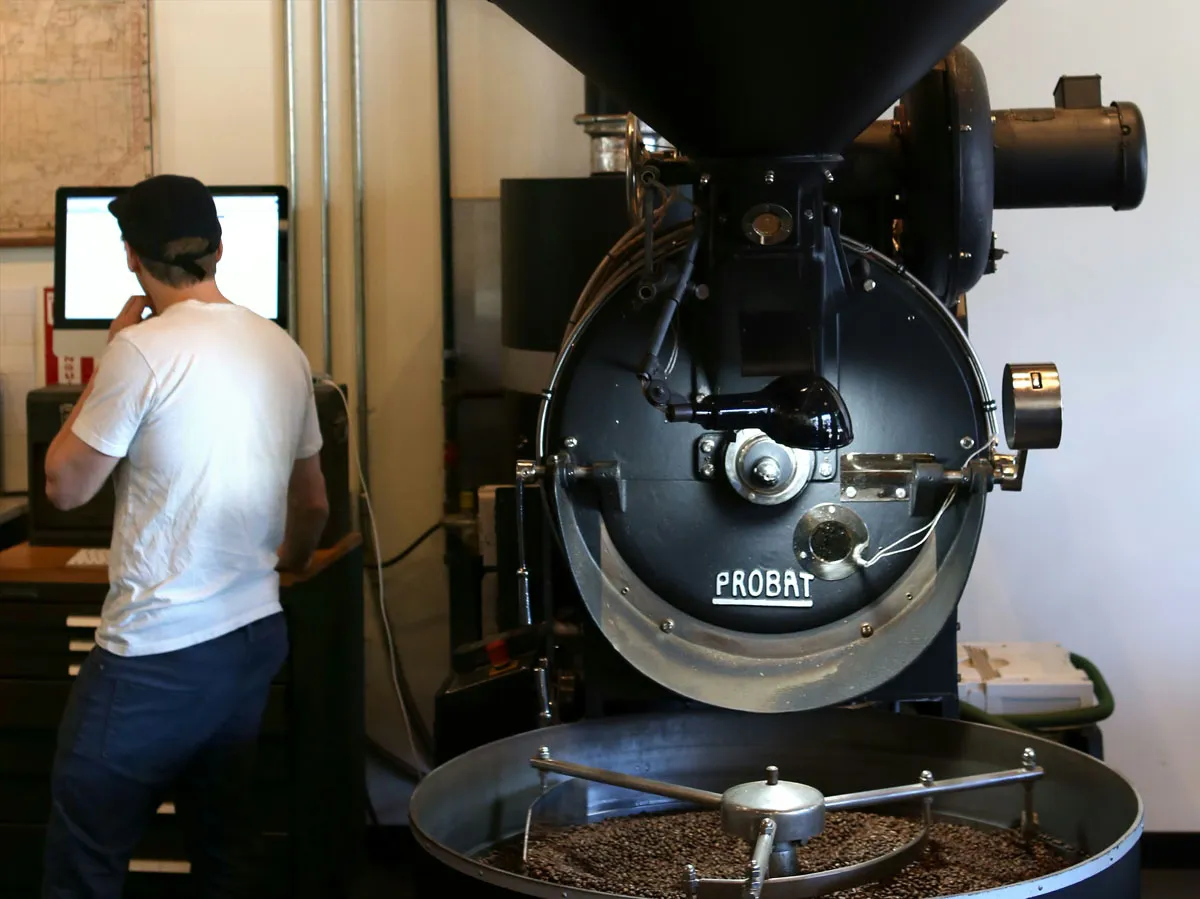
Step into many contemporary coffee bars and roasting facilities, and you may encounter a large, smiling Probat roaster with a well-worn discharge handle and the brand name displayed in sans-serif lettering like a mark of distinction on a weathered faceplate. The cooling sweep has a certain majesty, and countless stories seem embedded in the metal and cast iron. What you're looking at could be a Probat UG-series machine—possibly the crown jewel of the roasting operation. And you might find yourself drooling.
“An old Probat, pre-1958? Now that’s something to get up and die for.”
Manufactured until 1958, the Probat UG-series cast-iron roasters were offered in capacities of five, twelve, fifteen, twenty-two, thirty, and forty-five kilos. Locating one today may prove more difficult than tracking down an original Matamp guitar amplifier. Respected roasters such as Temple, Square Mile, Heart, and Caffe Vita produce exceptional coffee daily on these vintage masterpieces. Jay Endres, director of Coffee Tec, puts it plainly: “An old Probat, pre-1958? Now that’s something to get up and die for.”
What are the prized features of these remarkable machines, and how does one go about finding one? Once acquired, how should the inevitable rebuild and long-term upkeep be handled?
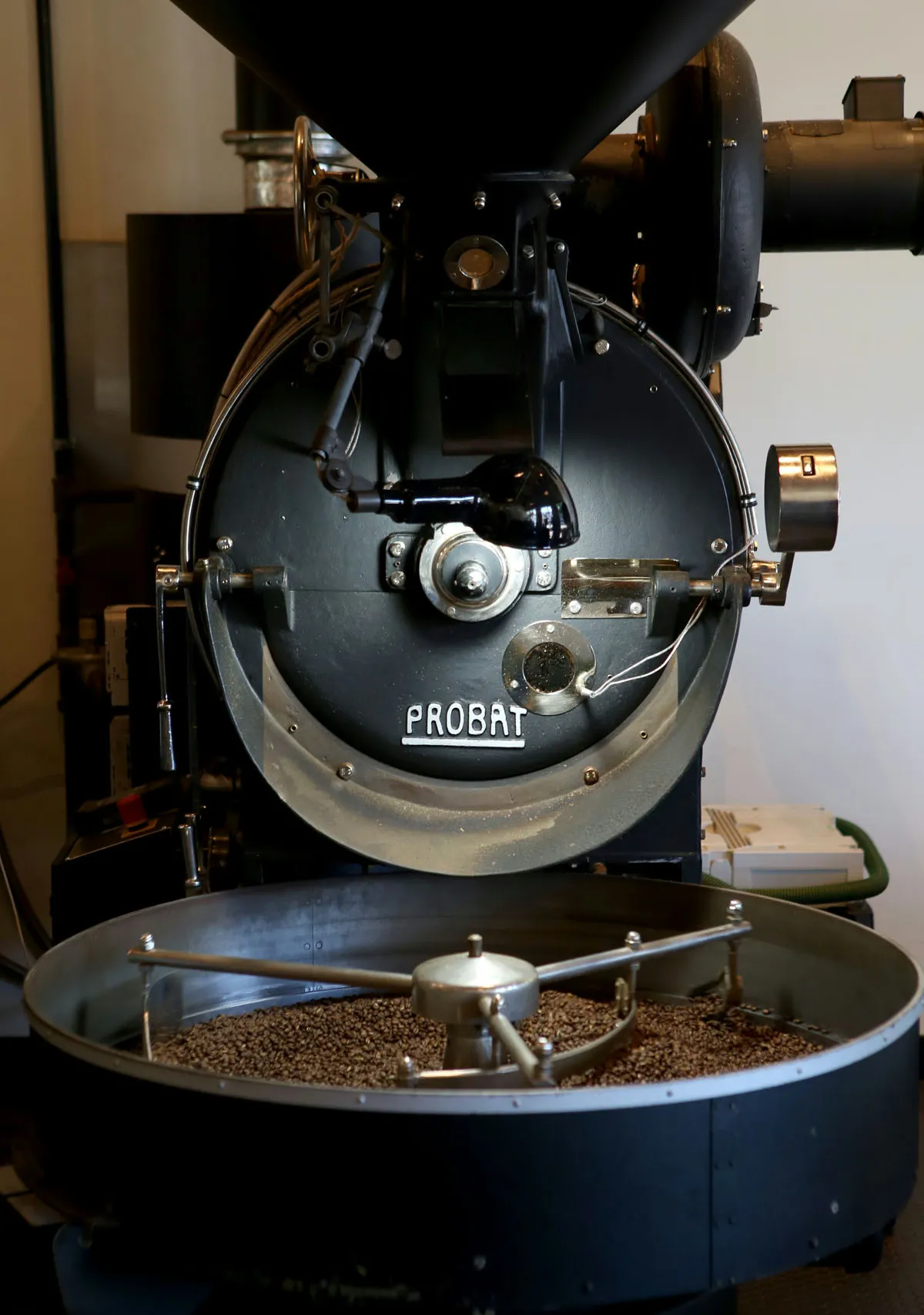
A Probat UG fifteen-kilo roaster at Heart Coffee Roasters.
Endres explains that the story is straightforward: 1958 marked the final year Probat produced roasters with a predominantly cast iron body and its patented air flow system. Marty Curtis, founder and owner of Combustion Systems Sales & Service Inc, notes that the cast-iron components included front and back faceplates, drum spokes, the exhaust blower housing, and a side plate on the cooling blower, while the remainder was sheet metal or iron. In 1958, the roasters transitioned to a combination of steel and cast iron. Dan Jolliff, President of US Roaster Corp, adds, “Dual fans were almost always in use on the UG-series, and there were multiple fire rate settings on their burners instead of just a thermostat control.” With a hint of the nostalgia that the UG-series tends to evoke, he continues, “All those old roasters might have had exposed gears, fifty pulleys, and be leaking grease, but they still roasted great coffee.” That nostalgia is central to the mystique surrounding the UG series: there is little information or specification available to guide a new or aspiring owner. Performance is certainly not guaranteed, so everyone tends to project their own longing onto its metallic bulk.
As for finding your own private piece of Probat to boast about, good luck! “Fifteen to twenty years ago they were just sitting around in barns,” says Jolliff. “No one wanted them!” Today, the mystique and artisan-oriented character of these roasters has driven demand high. Expect to pay well above the price of a new cast iron roaster, and then to invest additional thousands in rebuilding and ongoing maintenance. Marty Curtis adds, “It can be hard to find parts for those old UGs. Certain parts, if you don’t know where to get them, you might never get it running again.”
“It can be hard to find parts for those old UGs. Certain parts, if you don’t know where to get them, you might never get it running again.”
Bring along someone familiar with these vintage roasters, take plenty of photographs, and “don’t be afraid to kick the tires a bit,” advises Jolliff. Remove the drum and inspect for a hole on the side of the interior drum—a common issue on UG-series machines after years of service that will need repair. Check the exterior for burn marks indicating past roaster fires, listen to the bearings, and if you cannot bring a knowledgeable technician with you, send photos of everything to one.
Endres observes that many roasters in the market for a Probat UG are primarily seeking the ego boost that ownership provides, and he counsels that owning one of these industrial masterpieces is really for those who are seduced by the roasters, fascinated by their history, and not trying to outdo the neighbors. Living with these roasters requires fortitude, mechanical aptitude (or good friends who possess it), and a strong maintenance budget. The machines can be loud enough to interfere with shop operations, and a rebuild might take six to eight months. Roasting on them will demand a significantly steeper learning curve. On the financial side, however, Curtis notes that resale values for these roasters hold up much better than those of new roasters, so if you are prepared to see the project through, it can be a sound investment for your business.
The reality is that the Probat UG series, much like a ’65 Corvette, is a project to be undertaken with love, ample cash, and a long-term perspective. Done well, the roaster will reward you with a measure of renown, tank-like durability, and a presence reminiscent of that ground-shaking Matamp.