Reviving Vintage Coffee Roasters: Rewards, Risks, and Realistic Costs
A practical look at what buying and restoring an antique roaster actually involves—from inspection and parts sourcing to code compliance and long-term upkeep.
By Quinn Hill4 min read
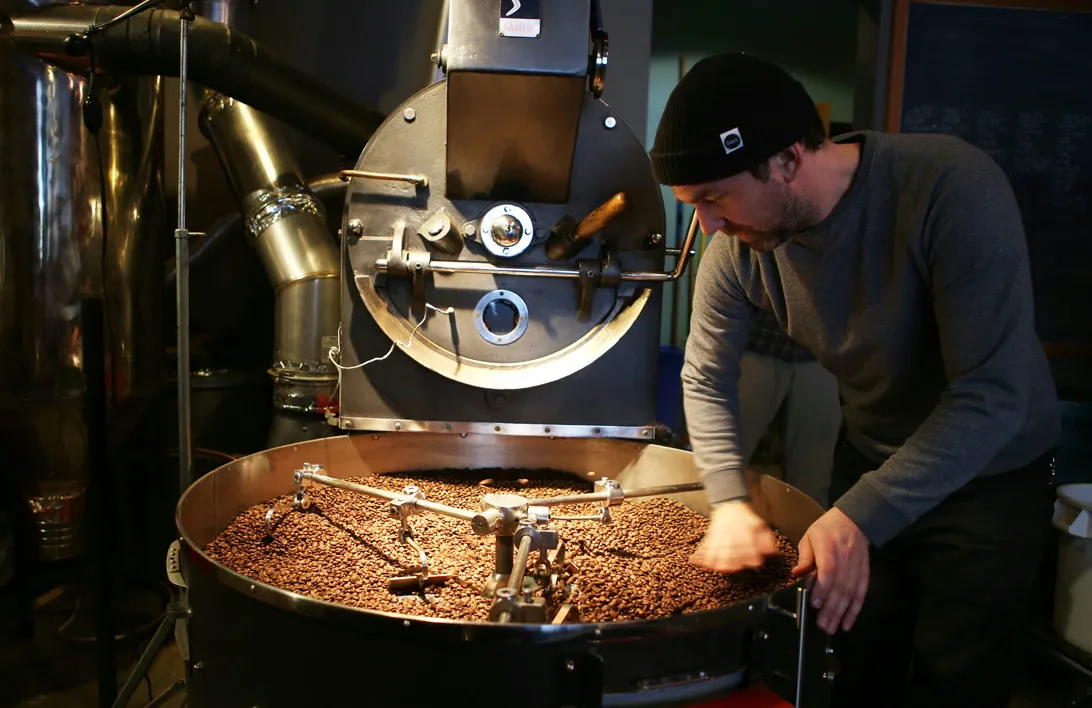
The past arrives in fragments—a whiff of old iron, the crumbling handle of an antique trier, pulleys and leather belts and gears coated in dust.
Vintage roasters seem to carry the aura of another era: the accumulated sheen of generations of craftspeople, and the legacy of coffee professionals from other places and other times.
Vintage Machines Are Back in Demand
It wasn't always this way. Dan Jolliff, president of US Roaster Corp, recalls that two decades ago, dozens of these old machines sat idle in barns and garages. Nobody would repair them, and nobody wanted them.
The coffee business has been transformed over the past twenty years. Interest in old roasters has climbed sharply—partly because certain roasteries that rebuilt vintage machines have drawn attention, and partly because people have come to appreciate the quality and heritage these machines represent.
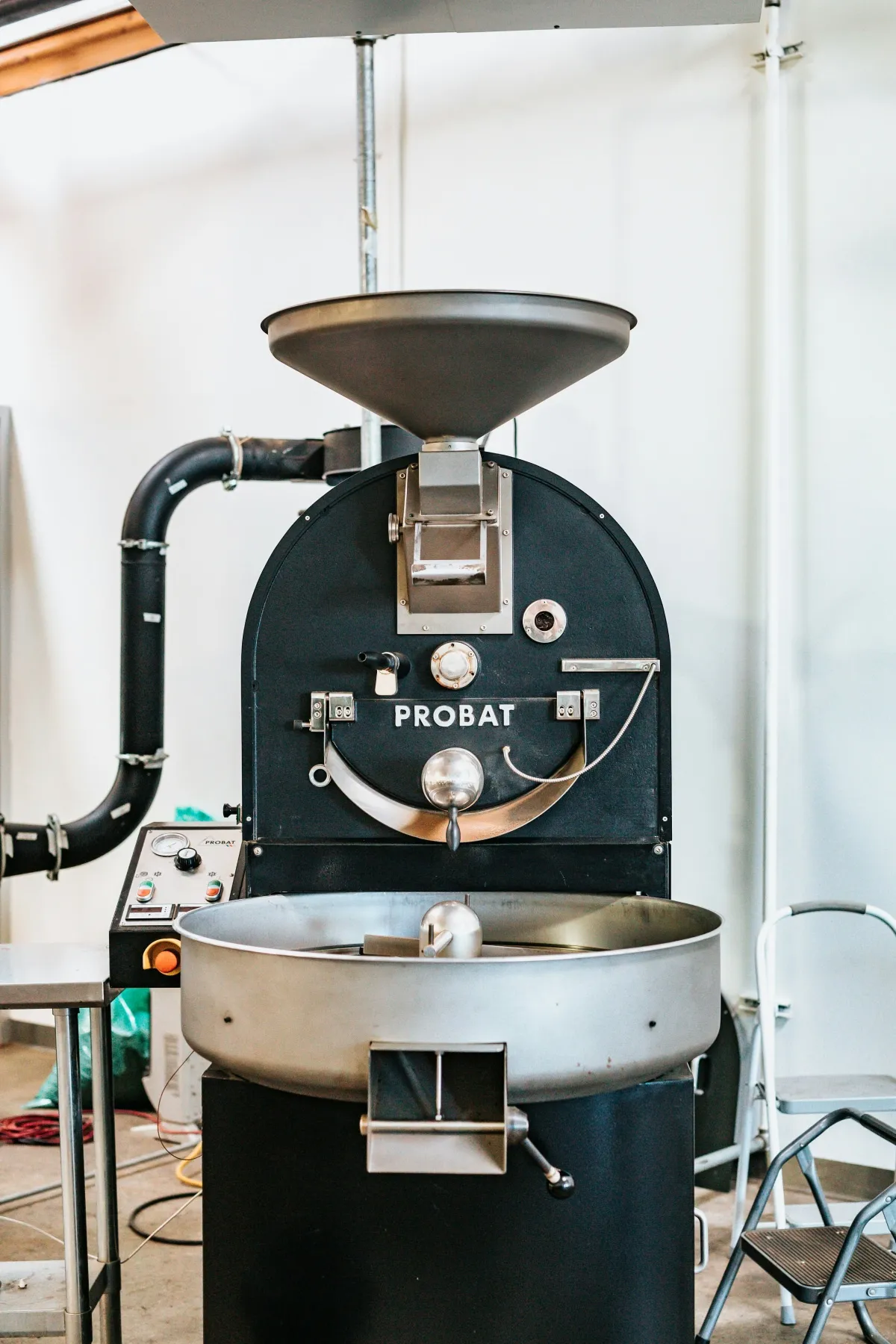
That enthusiasm can create trouble, according to Jay Endres, director of Coffee Tec. “When people look for an old roaster that they can restore or fix up, they think they’ll get by cheaper—but it will cost more to rebuild an old classic than to buy a new cast iron roaster,” he says. “It doesn’t do much good to look for old classics because everybody else is looking.” Demand has outpaced supply, pushing prices higher, and a lack of knowledge can leave an aspiring roaster facing serious mechanical problems.
Like old cars, old roasters demand continual attention. Many components are no longer manufactured, a good deal of the technology is outdated, and worn—possibly heavily used—parts can fail suddenly and catastrophically at the worst possible time. Endres says many of the people who contact him want an old roaster simply so they can appear cooler than the roaster down the street.
“They don’t have the fortitude, the mechanical aptitude, to sustain the difficulties.” Even so, a vintage machine is an ideal fit for a roaster who wants to bring a piece of coffee's past into the business and is prepared to invest the time and money in rebuilding it and then keeping it running.
What to Look For
So you have the right motivation and are ready to begin the long labor of love involved in rebuilding and operating an antique roaster: where do you start?
If you are considering a vintage machine, Jolliff advises bringing someone with strong mechanical skills and taking plenty of photos to share with a knowledgeable roaster technician. Plan on several visits to examine the roaster, and power it up to see which parts still move—understand clearly what problems you are taking on, and begin building relationships early with the people who will help you solve them.
“First thing I’d do is to inspect the outside to see if there are any cracks on the castings because if so, they’ll take some real talent to repair,” says Marty Curtis, founder and owner of Combustion Systems Sales & Service Inc.
“The next thing is to see if the machine has been modified,” he says. “If it has and you’re not a good mechanic, you might not want to buy it. Then, determine if this machine has any approvals—UL, FM, ATC, etc.—because once you move it from its current location, it will be much easier to install in your facility.”
Checking critical components matters just as much—confirming, for instance, that the drum is not warped. “Ask a lot of questions, take a lot of pictures, find out all you can,” says Jolliff. “Be aware that most of the electrics and gas on the old roasters no longer meet current specifications for cities, so you’ll probably have to make a new control system. You might need to replace motors, bearings, and rusted metals, add a chaff collector, etc. Make sure your builder can provide those parts and have a traceable process with what he did so you can replicate those steps.”
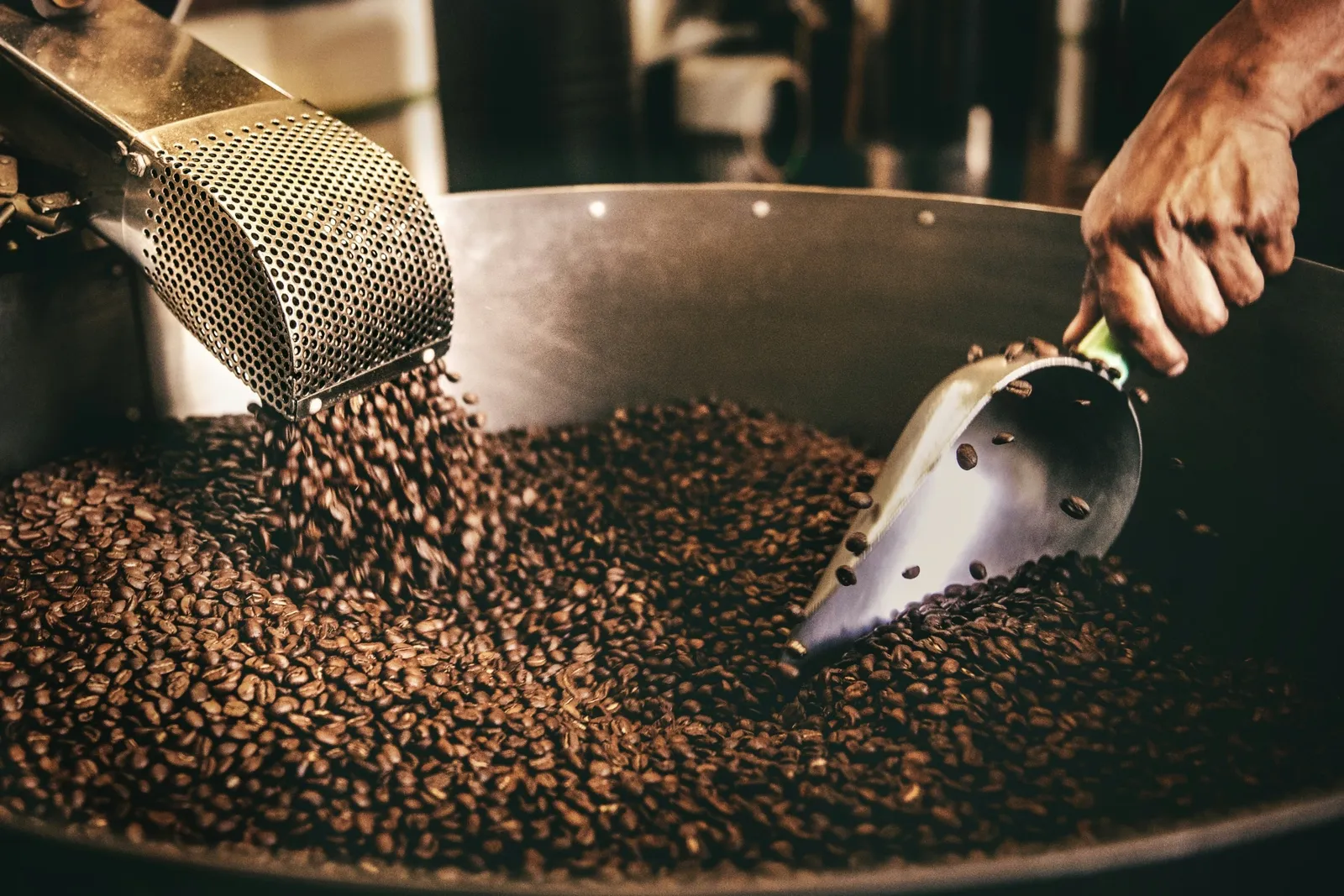
Every expert we spoke with urged prospective buyers to research thoroughly. A roaster's manufacturing year can affect what it is worth to modern artisans; the Probat UG series (pre-1958), for instance, is sought after for its all-cast-iron construction and well-known airflow design. But be clear about why you are buying vintage, and don't pay a premium simply for something old and worn.
“Assuming you’re looking for a cast iron vintage roaster, get a picture in your mind of a current model, and never spend money just because something’s vintage—but because it’s doing something a modern roaster won’t,” says Endres. “Remember that it almost doesn’t matter what you’re looking at because you can tear apart that vintage roaster and rebuild it the same as new.”
Consider every stage of restoring and installing the roaster. What air quality rules apply in the facility you have planned? “Learn to play with the rules,” says Curtis. “New laws are always coming out, and you need to understand that many of these antique roasters, without a properly set up burner and combustion equipment, may not pass inspections.”
The challenges and complications of rebuilding a vintage roaster can be intimidating. With knowledge and determination, an antique machine can bring together history and modern function in one captivating package.