The Risks and Rewards of Experimental Coffee Processing for Producers
Fermentation-driven processing has captured the specialty coffee market's imagination, but for farmers the decision to adopt these methods carries financial and technical uncertainties that deserve closer scrutiny.
By Parker Campbell5 min read
Beyond the Bag: What Experimental Processing Really Means on the Farm
You've likely encountered coffees marketed with unusual process names—"strawberry processed," "thermal shock," and the like—that fall under the broad label of experimental processing. These methods have become a visible part of specialty coffee: according to reporting from the industry, 80% of the coffees used in the 2024 United States Barista Championship had undergone some form of anaerobic fermentation, and Colombia has been a leader in experimental processing for years. Many specialty cafés now feature at least one experimentally processed option, sometimes at a higher price point than their other offerings.
But what exactly does experimental processing entail, and who decides the names printed on a bag? For farmers, these methods often demand changes to long-standing practices and a reassessment of how coffee is handled after harvest. Amid the consumer-facing excitement, the risks and the potential upside for producers can be easy to overlook.
The Economic Pull
Rodrigo Sanchez, who operates Finca Monteblanco in Colombia, produces a range of fruit-infused, extended-fermentation coffees with lot names such as "Coconut Lemonade" and "Passionfruit." His process involves fermenting beans—either in cherry or in parchment—with fruit for more than 180 hours. Sanchez says his interest in intensive fermentation grew out of his admiration for winemaking. "Managing to adapt that theory of wine in my coffees allowed me to overcome standards that failed to recognize the true talent that each of these beans holds," he says.
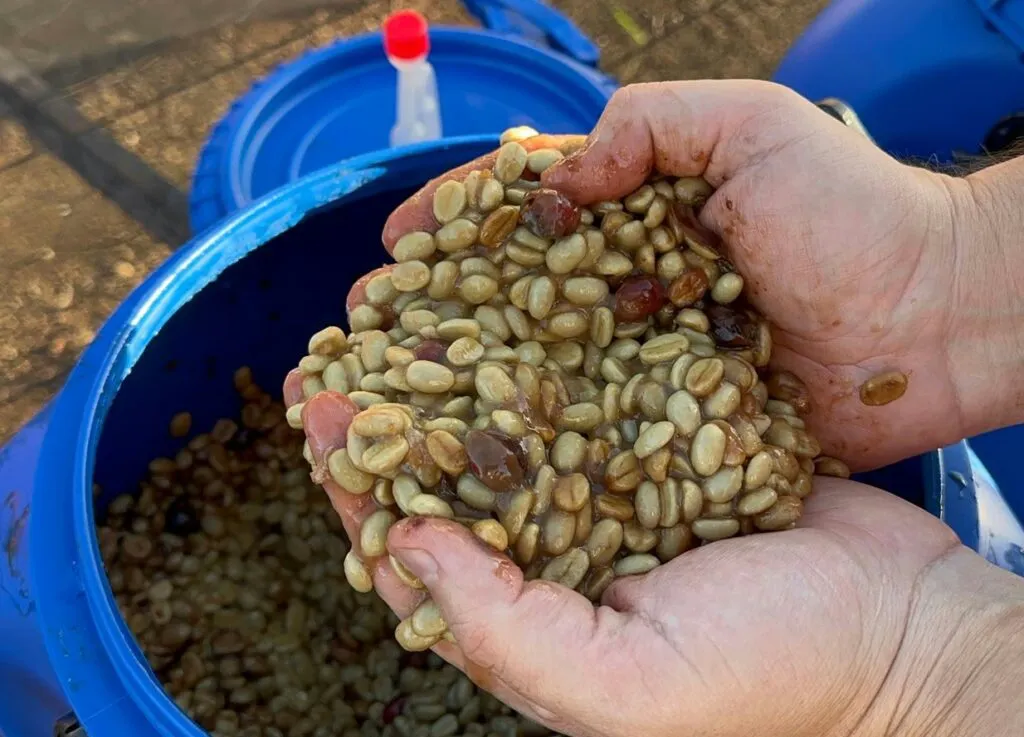
For other producers, the motivation is straightforward: experimentally processed coffees draw attention and can command higher prices. Alongside their prominence in barista competitions, these coffees have made inroads in quality contests. The Cup of Excellence (COE), held in many coffee-producing countries, has seen growing numbers of entries using experimental methods. The competition introduced an "experimental" category in 2023, first tested during Brazil's COE. Coffees were sorted by processing type—wet, dry, and experimental—and the winning experimental lot, from Fazenda Rio Verde, fetched $50.50 per pound at auction.
Luiz Saldahna's path to experimental processing was driven by practical necessity. In 2004, he and his wife, Flavia, bought Finca California in Paraná, Brazil. The land was highly fertile, but heavy rains during much of the harvest period created problems.
"It doesn't match with the concept of coffee from Brazil where the majority of areas have six months of drought," he said. "That's why Brazil is known for naturally-processed coffee."
In most Brazilian coffee regions, long dry spells allow cherries to be sun-dried. In Paraná, wet harvest weather raises the likelihood of defects such as mold and phenol. At Finca California, leaving cherry out to dry was too risky, so the Saldahnas needed an alternative.
Saldahna traveled to other coffee-producing countries in Central and South America, learning from farmers in Honduras and Guatemala who also had to adapt processing to rainy harvest conditions. Those trips exposed him to new methods he would later adapt for his own farm.
"During a trip to Honduras, I visited a cooperative doing a double fermentation process with…a dry fermentation to grow microbes and then a wet phase to… slow down fermentation. I thought that was brilliant and I attempted the protocol on our farm and called it a double fermentation process." The first step of his double fermentation method meant that Saldanha could more easily dry his coffee with fewer risks of defect, while the extended fermentation helped him create and express new flavor characteristics in the coffee.
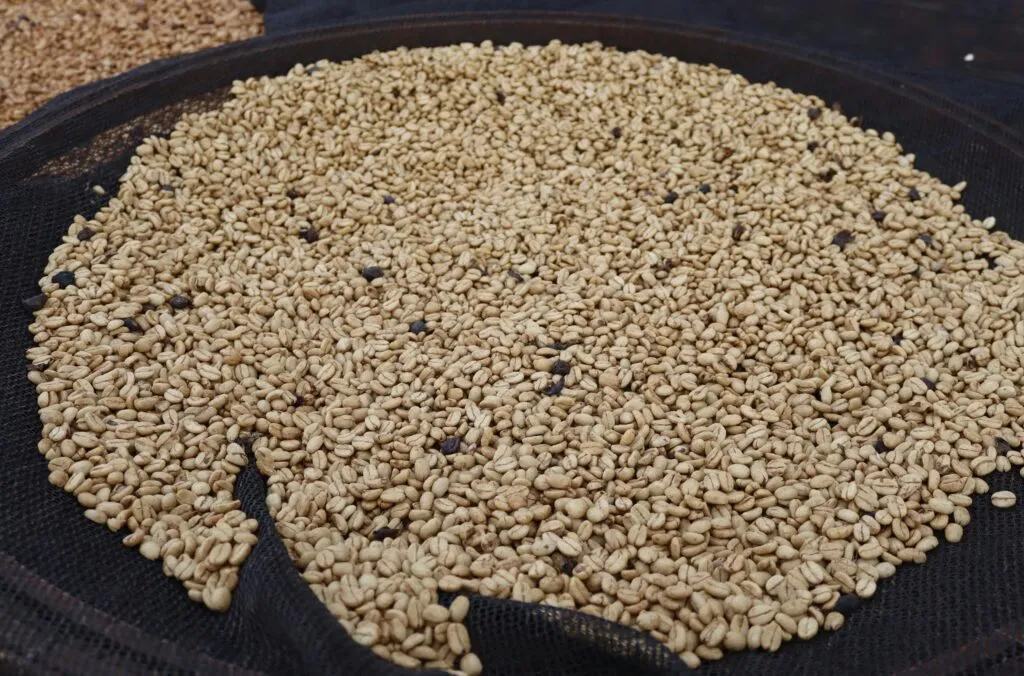
For Saldahna, the results helped him reach a new market. He entered his first double fermentation lot into a local cupping competition and placed first. In 2012, he exported his first coffee, processed using the double fermentation method he developed, to a US-based roaster.
Now, Saldahna continuously experiments with processing. He comes up with names for these techniques based on a mix of trying to summarize what's happening in the processing tank and personal narrative. He finds that these unique names also add value to the beans.
For instance, he has a coffee called "Cold Soul," processed using colder water temperatures and low-oxygen conditions. The name is an homage to his daughter, who loves the Disney movie Frozen, and encapsulates "all the soul I placed in this coffee."
"The market loved it," he says. Roasters often keep the names he comes up with and market them on their bags.
Beyond the Experimental Label
While both have benefited from experimental processing, Saldahna and Sanchez caution that investing in unfamiliar methods is risky.
"It is important to have knowledge of what is being done," says Sanchez, noting that fermentation utilizes live microbes to impact coffee and is thus fundamentally untameable. "I say that there is no such thing as controlled fermentation."
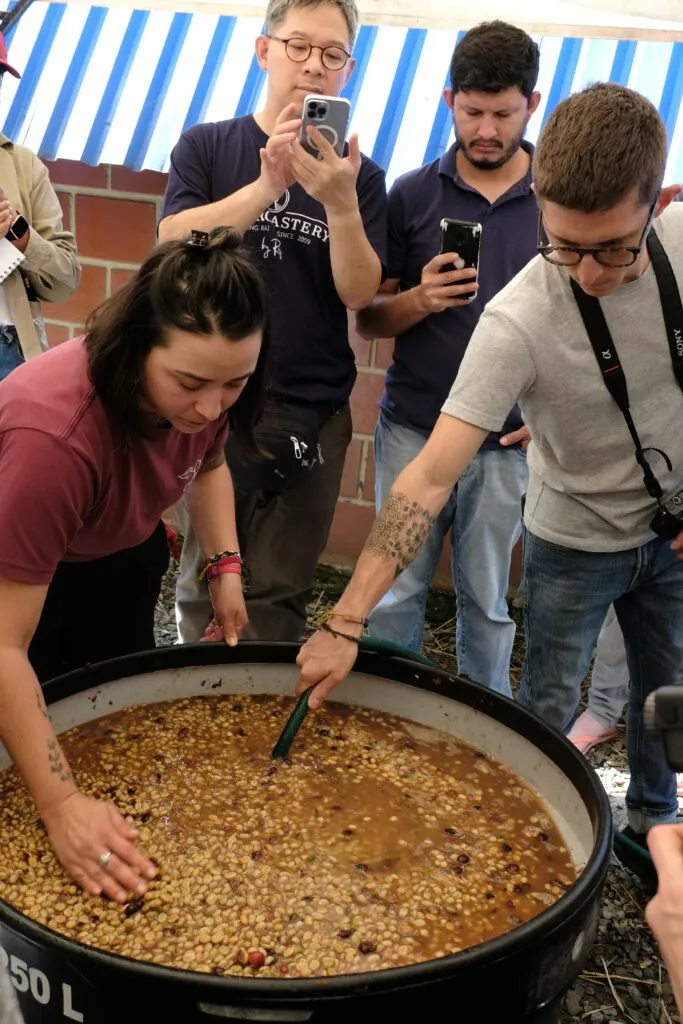
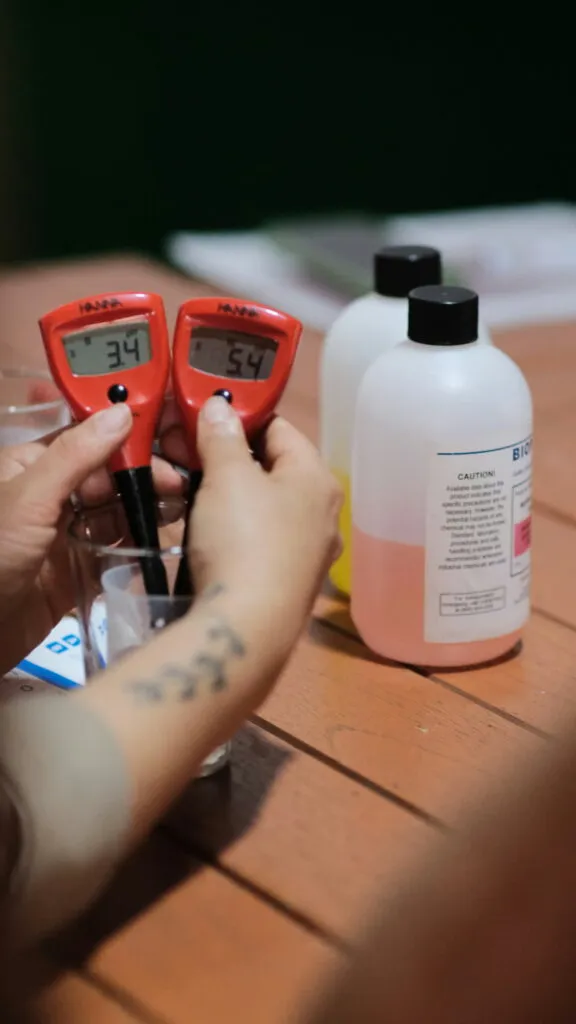
Courtesy of Lucia Solis
"Do not risk your income," says Saldanha. "It's gambling, and as coffee farmers, we cannot gamble; we have a lot of risk to manage." For those intent on trying experimental fermentation, he says to "start on the small scale and offer that to the market to test the idea. And then only scale up the things that work and you will find a market for."
However, perhaps concentrating on the "experimental" part of processing is focusing too narrowly on the potential of fermentation—getting back to basics can also yield powerful results. Lucia Solis is a coffee processing specialist who uses her microbiology experience to support coffee producers with simple, practical fermentation techniques that can improve their coffee.
Solis runs a series of Fermentation Training Camps that focus on practical fermentation methods. She believes that the current focus on experimental processing highlights a fundamental fault in the coffee industry—we're still not paying farmers enough. "By talking about processing, it obscures the issue that we haven't been paying fair prices since the beginning," she says. It gives us a cover that now we're willing to pay more. But now producers have to do even more."
Saldahna agrees that these lots require producers to do more work and provide more information to roasters. "It's not just about the flavor; it's about adding flavor and value to the whole construct," he says.
For Solis, sound coffee processing doesn't have to be complicated or risky. The most significant value she feels she can add is helping producers understand the fundamentals of processing. By demystifying fermentation, "my hope is that they come away questioning experimental processing," she says, "and that they know that great processing isn't that hard."
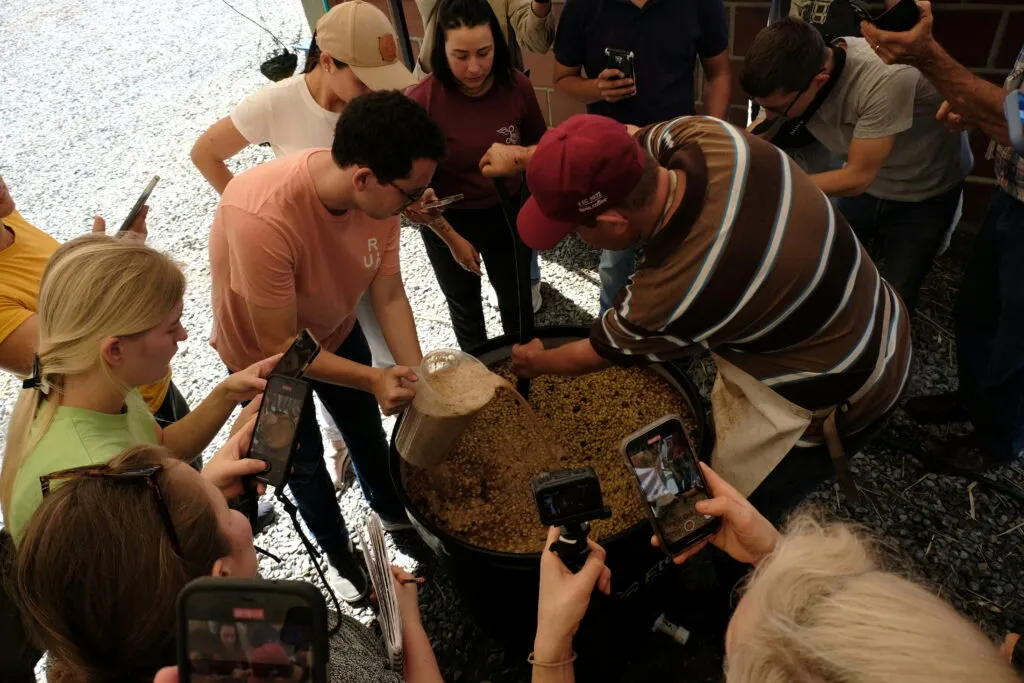
For example, she teaches producers how to use microbes to shorten fermentation times. "Because long fermentation times can impact the producer's bottom line. If you have to wait 100 hours for fermentation, you can't produce that much coffee." Additionally, longer fermentation means more considerable risks. "There's many more things that can go wrong in that time. Having this very long processing can be damaging to the structure of the bean."
While experimental processing methods are exciting and can offer farmers an opportunity to increase their income, they shouldn't be the only tool in a producer's toolkit. Solis' techniques show that fermentation doesn't need to be experimental—or have a new name—to increase quality and provide value.
Cover photo courtesy of Luiz Saldahna