From Whispered Legend to Shelf Staple: The Real Story of Congolese Coffee
Long overlooked by roasters and importers, coffee from the Democratic Republic of Congo is gaining ground as both a standalone offering and a blending partner — though logistics and cost remain hurdles.
By Elliot Bailey5 min read
"I assumed Congolese coffee didn't actually exist."
Those words came from an instructor at a workshop run by a prominent New York City roaster, shortly after I mentioned that the coffees I import come from the Democratic Republic of Congo (also called DRC or Congo).
Her reasoning was simple: she had repeatedly heard enthusiasts praise Congolese coffee and had caught murmurs about how distinctive it was, yet she had never encountered it in person. Having spent years studying and working in coffee without ever tasting it — and never seeing it on offer — she had come to regard it as something closer to legend than product. As someone still new to the trade (Mighty Peace Coffee marked its second anniversary in September), I found her remark startling.
To be fair to her, Congolese coffee has long been missing from the lineup at most roasters and on most importers' offering sheets. Those familiar with it tend to love it and want more, but inconsistent supply and the logistical headaches of working in DRC frequently leave them frustrated. I have also heard painful accounts from importers and roasters about past shipments that arrived significantly late.
Even so, there is broad agreement that once logistics are resolved — as we have done at Mighty Peace Coffee — Congolese coffee is poised to become a staple in the United States, thanks to its unusual range both as a single origin and as a component in blends.
Separating Fact From Fiction
The legendary aura around Congolese coffee — and around the Democratic Republic of Congo more broadly — tracks with how long the country's people and landscapes have captivated storytellers and mythmakers in literature and Hollywood. Joseph Conrad's Heart of Darkness, published in 1899, is among the best-known examples; it drew on the horrors Conrad witnessed while traveling through what was then the Congo Free State under Belgium's King Leopold II.
Literary critic Harold Bloom has noted that Heart of Darkness has been studied more than any other work of literature at universities and colleges. In Hollywood, Congo, a blockbuster about killer gorillas starring Laura Linney, arrived in 1995 and took in more than $150 million at the box office.
King Leopold II — whose regime cut off the hands of Congolese who failed to meet rubber production quotas — is soon to be the subject of a Ben Affleck-produced film titled King Leopold's Ghost. Virunga, one of DRC's best-known national parks and home to endangered mountain gorillas, was the focus of a documentary Netflix released in 2014; Leonardo DiCaprio and Barry Jenkins have signed on to produce a movie adaptation of it.
Oscar winner Ryan Gosling traveled to Congo as photographer for Congo Stories, a 2018 book recounting the lives of Congolese activists and leaders. Golden Globe winner Robin Wright narrated When Elephants Fight, an award-winning documentary produced by Mighty Peace Coffee Chairman JD Stier about the influence of tech companies on supply chain transparency in mining. The Congo River — Africa's second-largest after the Nile — and its rainforest, the world's second-largest after the Amazon, have long drawn explorers and storytellers, all of whom have fed into the Congo myth.
Consequently, fact and fiction tend to blur where Congo is concerned.
Where Congo Sits in the Global Coffee Picture
Before sorting fact from fiction about Congo and its coffee, it helps to understand where the DRC currently stands in the global coffee landscape.
Estimates suggest that more than 70% of the coffee grown in the DRC is smuggled into neighboring countries — Rwanda and Uganda most prominently — where Congolese farmers can earn 15% more than they would selling locally.
That only partly accounts for why Congo's share of global coffee exports is a mere 0.14%. High operating costs are a major factor: they can run 66% to 133% higher in DRC than in neighboring Uganda. In a sector where everyone along the value chain is preoccupied with thin margins, those costs explain why many steer clear of Congo.
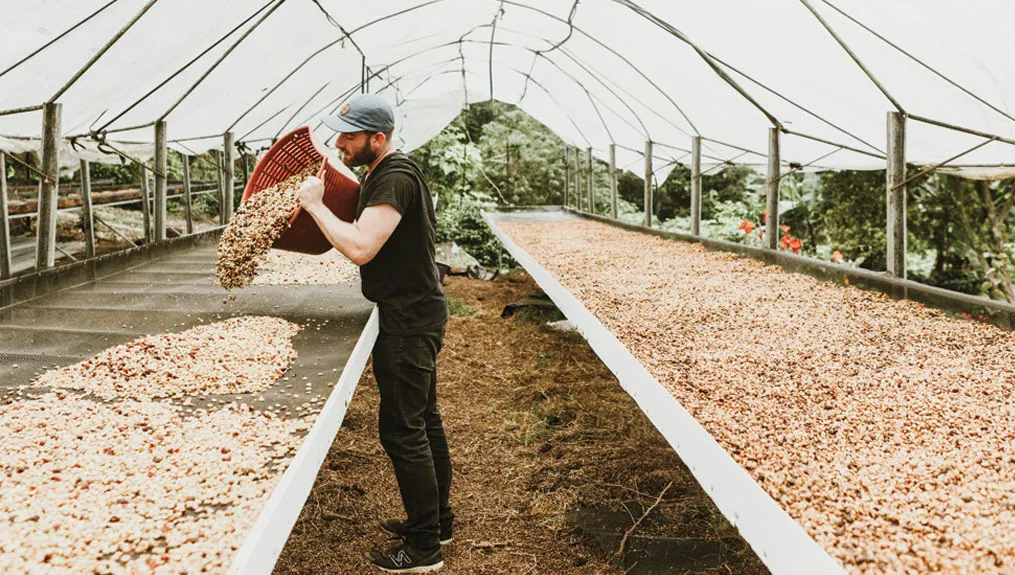
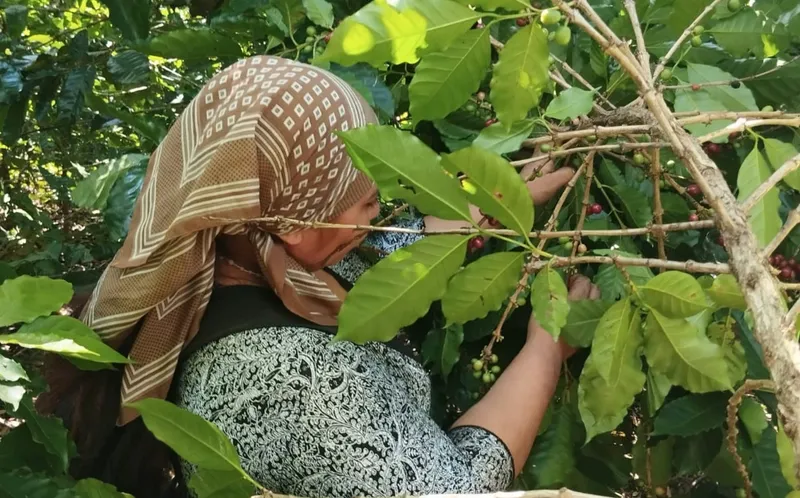
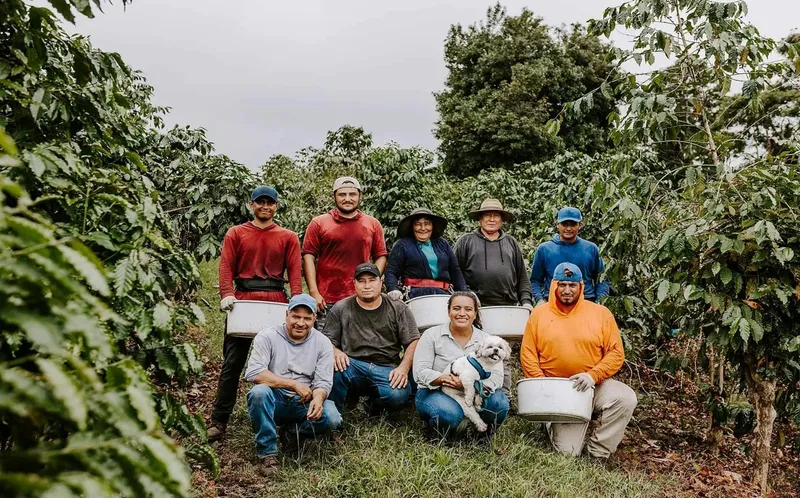
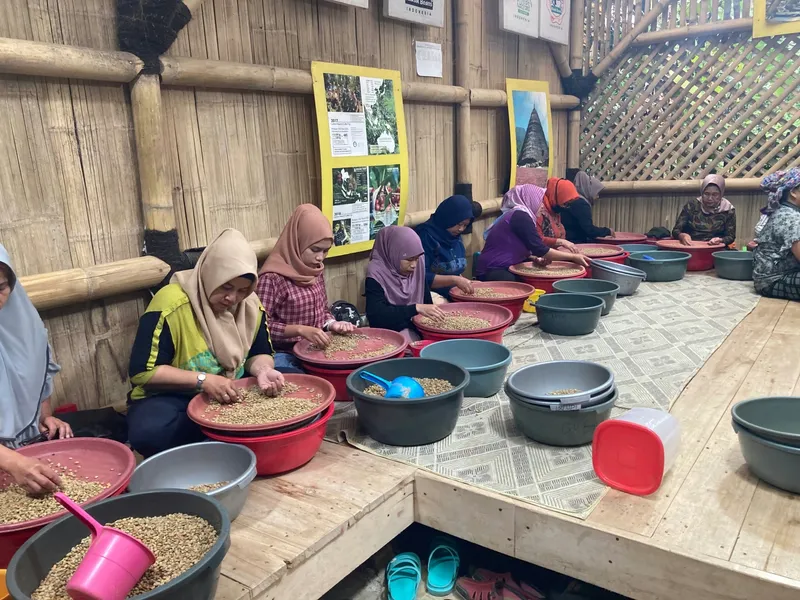
Some avoid the DRC entirely, while others have put money into Congolese coffee and its infrastructure. The Eastern Congo Initiative, the Howard Buffett Foundation, USAID, UKAID, ELANRDC, Starbucks and others have funded research, built washing stations, and delivered training programs to cooperatives and farmers. Higher Grounds in Michigan and Counter Culture in North Carolina were among the early adopters in the United States. Saveur du Kivu, the country's flagship coffee festival, has been financed by Higher Grounds; the event gives farmers and cooperatives a valuable chance to present their latest harvests to international buyers.
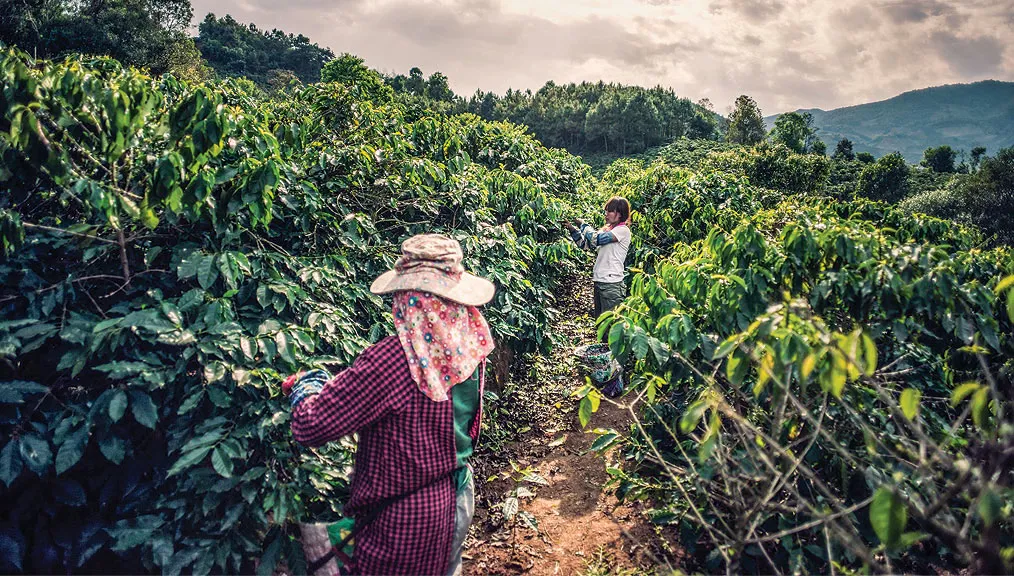
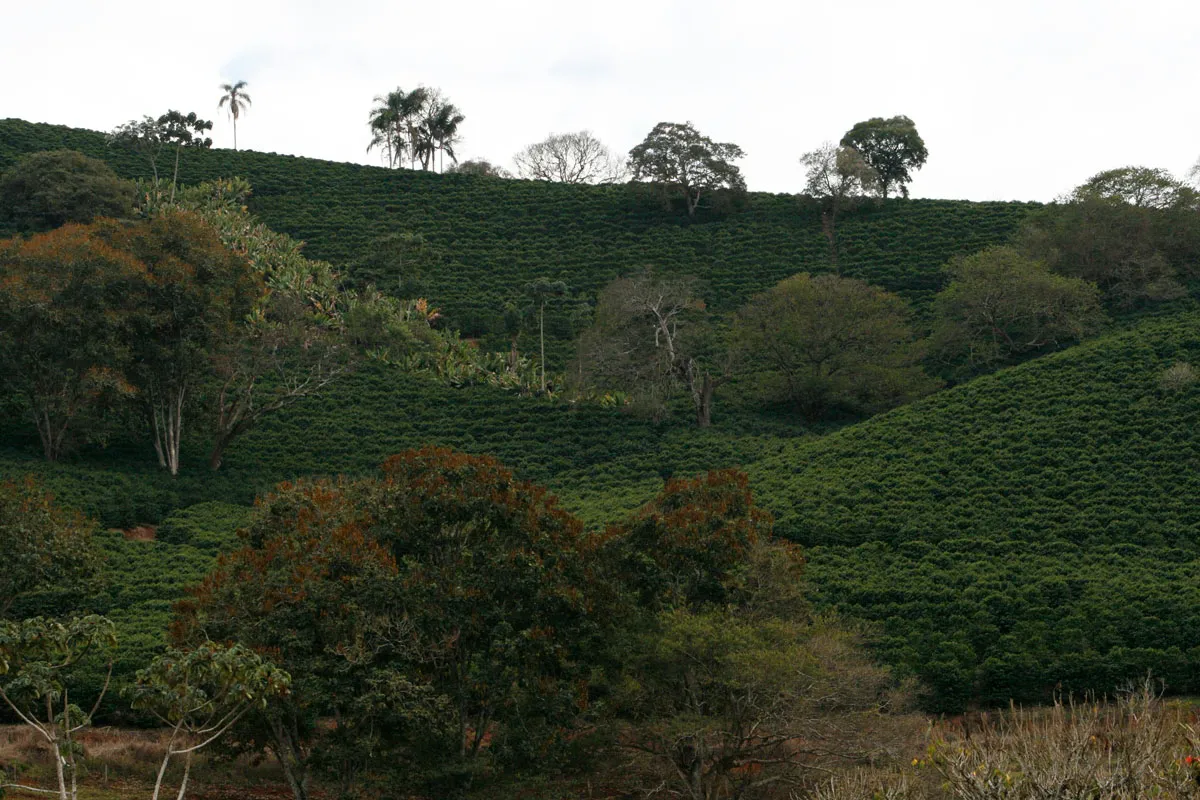
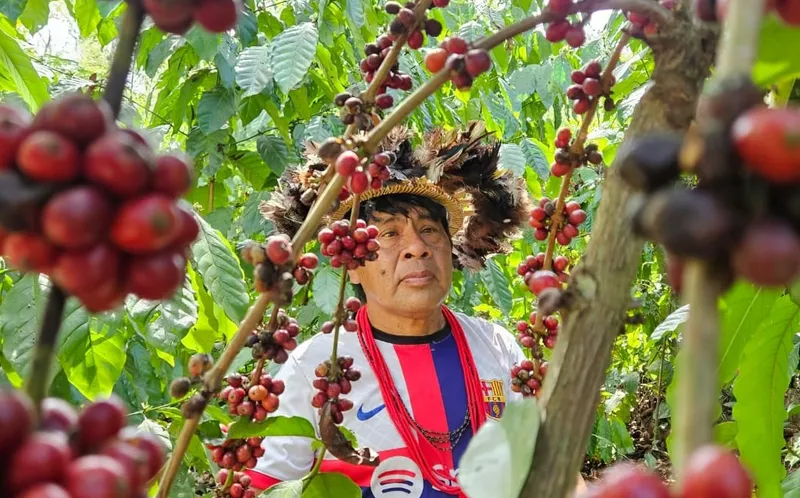
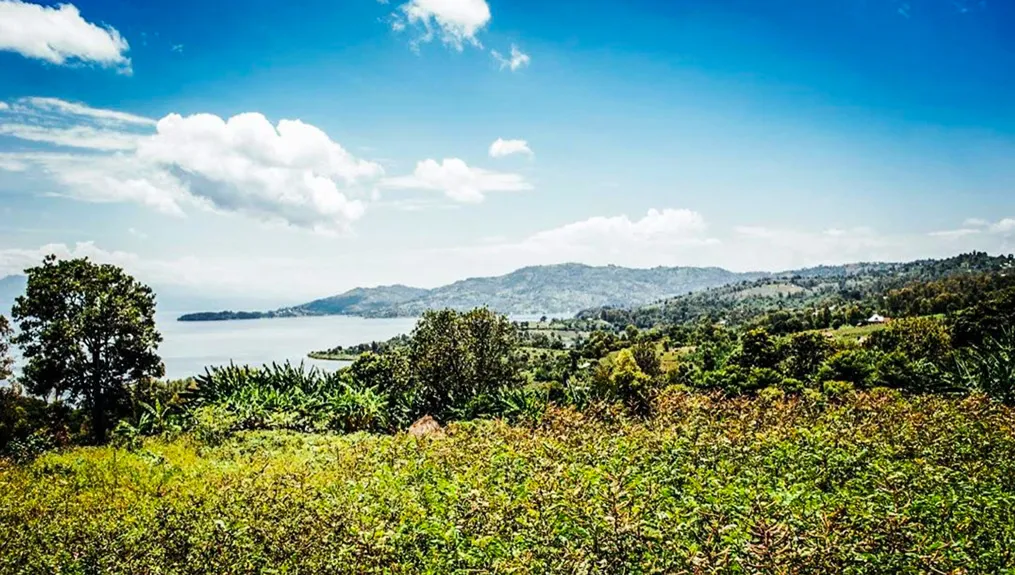
Congolese coffee is remarkably versatile. Its flavors range from fruity — red plum, cantaloupe, stone fruit, plum, cherry and licorice — to creamy white chocolate, vanilla and hazelnut notes. It holds up on its own as a single origin and works well as a complement in blends. Volcanoes, elevation, Lake Kivu and rich, fertile soil together create ideal conditions for distinctive beans.
Some roasters I have introduced to Congolese coffee liken it to standout Guatemalan and Ethiopian coffees. Such comparisons say more about our habit of measuring the new against the familiar — the way people compare LeBron James to Michael Jordan. As familiarity with Congolese coffee grows, we expect those comparisons to fade and for people to assess it on its own terms rather than against other great coffees.
A Vision for Growth
Congolese coffee will not remain a myth to many for much longer, and it is beginning to show up on more offering sheets. In conversations with fellow importers around the country, they say they intend to bring in more of it in 2021, and several have asked for details on Mighty Peace Coffee's supply chain given our on-the-ground presence in the country. There has also been a recent run of announcements about investments and initiatives in Congo from Nespresso and other importers.
As a Congolese immigrant who now lives in New York, I want my country's coffee to stop being an afterthought or an exotic option that roasters sample once every few years, and instead to become a mainstay for coffee brands nationwide.
I am working to make that vision real because I know coffee can act as a catalyst for inclusive economic transformation. A cash crop like coffee cannot be the sole engine of development, but it can play an essential part. Investing in the DRC's coffee will spur skilled job growth, industrialization and private-sector-led economic expansion that broadens the country's story. That is why I entered the industry, and why we launched a social impact importing startup two years ago.
This vision for inclusive economic growth will be realized through the legendary Congolese coffee bean.