Brewing a Greener Cup: Creative Reuses for Coffee's Hidden Byproducts
From nutrient-rich pulp to earthy chaff, discover practical ways to repurpose coffee's leftovers and reduce the footprint of your daily brew.
By Jordan Scott6 min read
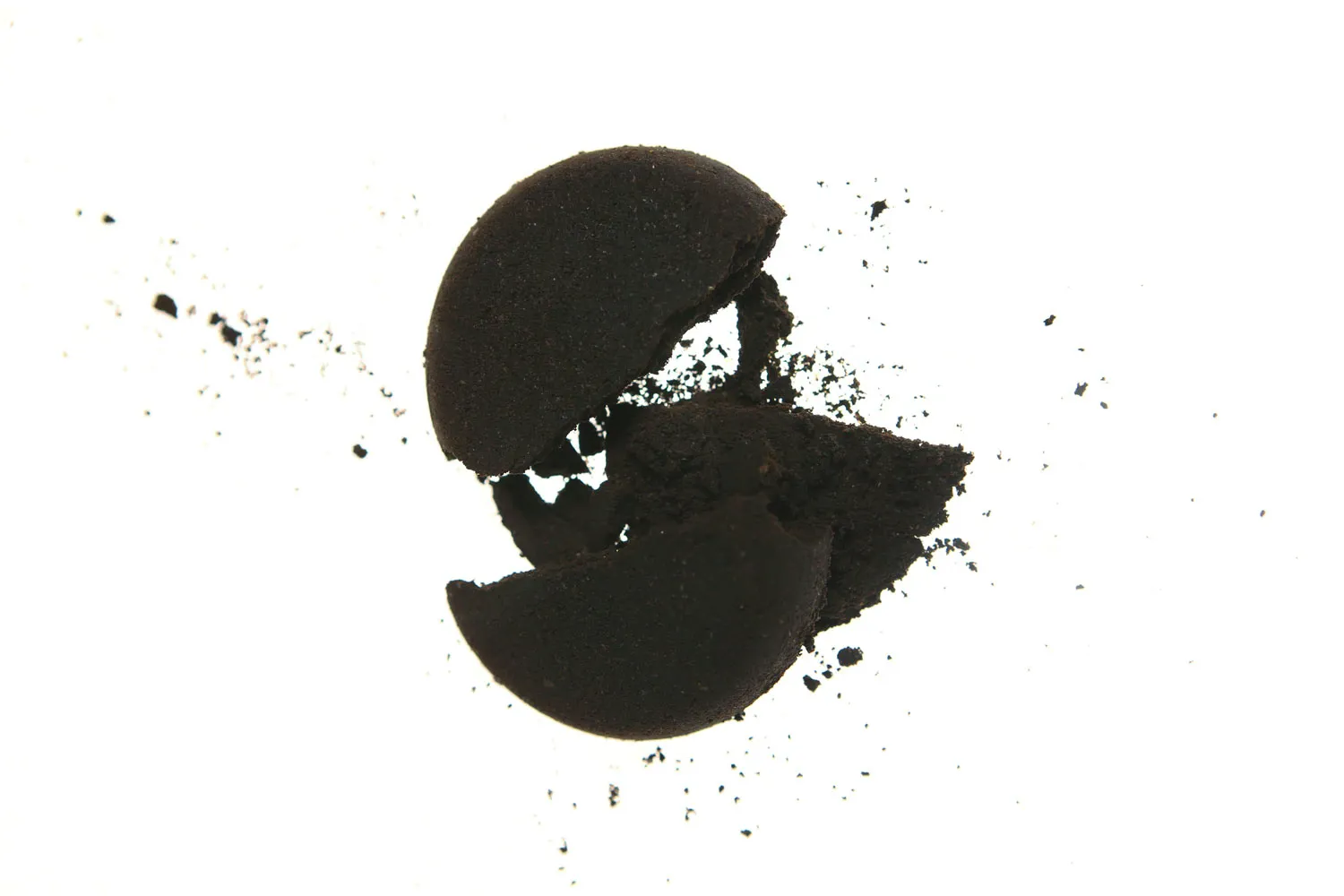
Every cup of coffee comes with a hidden cost—a trail of byproducts left behind from farm to café. Fields yield pulp, husks, and wastewater; roasteries produce chaff and burlap sacks; and baristas toss out countless espresso pucks. This waste isn't unique to coffee—restaurants everywhere generate similar refuse—but the specialty coffee sector, known for its eco-conscious streak, is actively seeking solutions.
The challenge? Not every café has access to municipal composting, and not every roaster is surrounded by farmers eager for free jute bags. So what can be done to make coffee production less burdensome for the fragile regions where beans are grown? Plenty of ideas exist—some can cut costs for farmers, others might eventually create new revenue for cafés, and one even puts food on the table.
Pulp and Husks
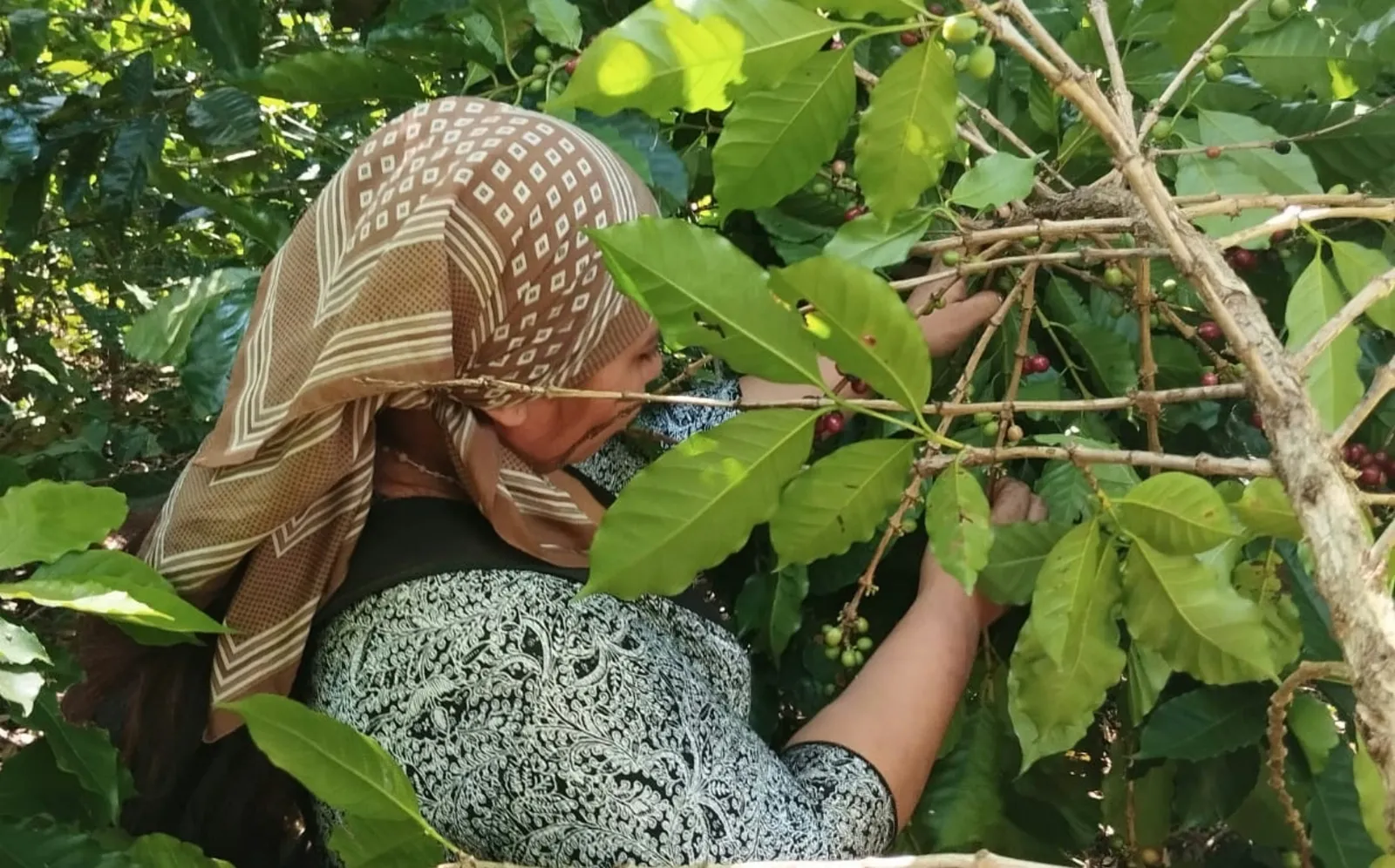
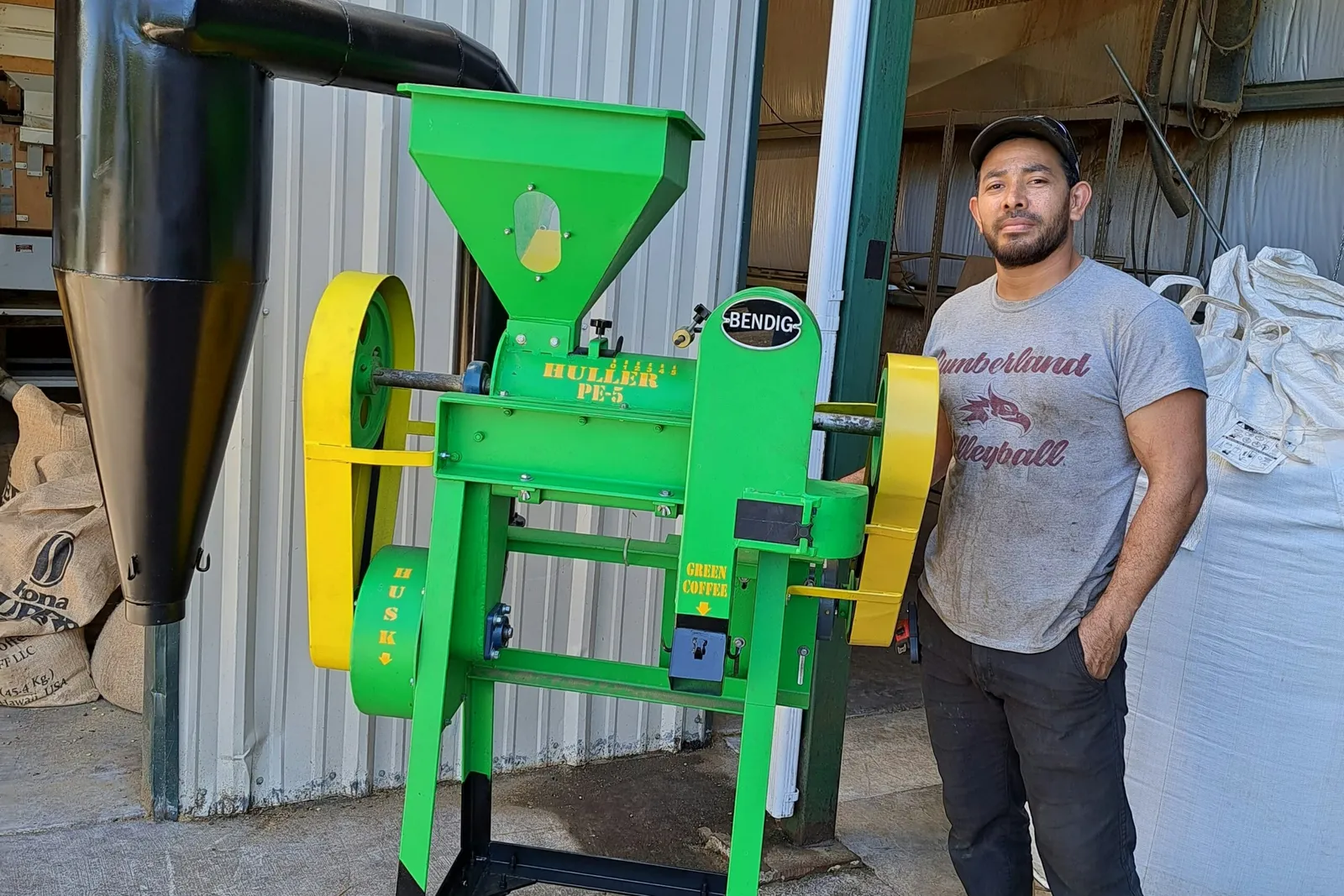
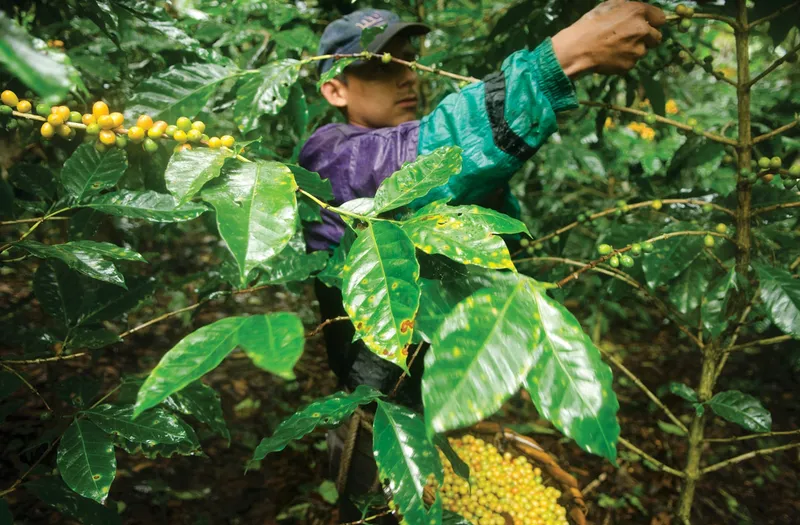
Once coffee cherries are picked, removing the flesh in a pulping machine slashes their weight by roughly 80 percent. Figuring out how to use that massive leftover has become a worldwide quest.
For decades, researchers—particularly in Africa—have tried turning pulp into animal feed. The material brims with energy, but its high tannin and caffeine levels have derailed project after project. Mixing pulp with other silage doesn’t fully solve the problem, and decaffeination processes often make the result too costly for feed use.
If livestock can’t stomach much pulp, humans have found another way: growing mushrooms on it. Across many coffee-growing regions, pulp is pasteurized, dried, inoculated with spores, and packed into plastic bags. Within weeks, a flush of oyster, shiitake, or other familiar mushrooms can be harvested.
For coffee husks—the dried cherry remnants left after dry processing—options are narrower. Traditionally, husks become cascara, often brewed as coffee cherry tea. In Uganda, Lafarge, the world’s largest cement producer, burns coffee husks to fire its kilns. While not exactly a green win, the practice cut the plant’s fossil fuel use by 45 percent.
Wastewater
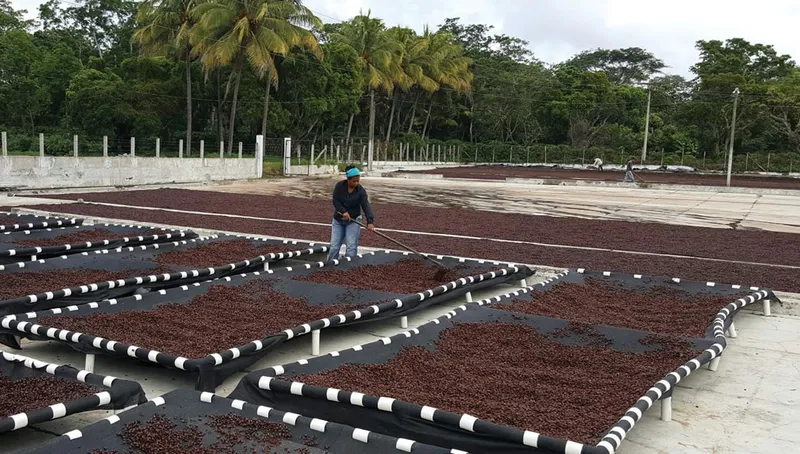
Wet processing, or the washed method, generates enormous volumes of water laden with organic matter. This effluent is frequently dumped into drinking water sources, posing a direct risk to human health. Untreated wastewater also emits methane, a greenhouse gas far more potent than carbon dioxide.
Yet that methane hint at a solution.
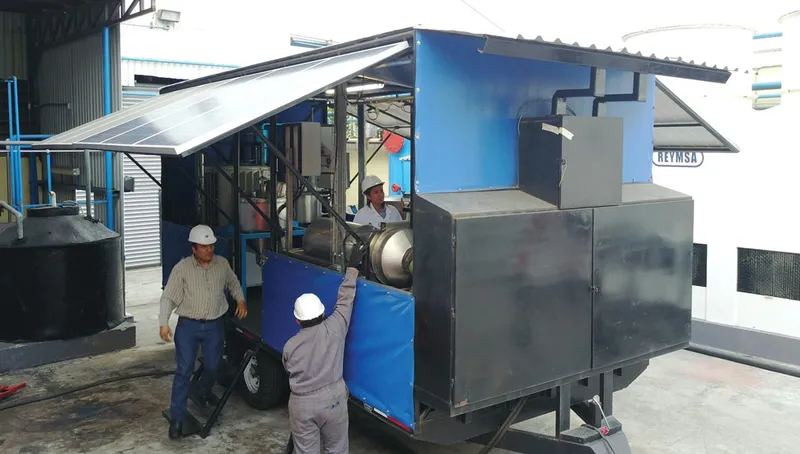
In 2010, UTZ Certified—an international program promoting sustainable farming—launched a water-management initiative called Energy from Coffee Waste. Operating in several Central American countries, the project aims to treat coffee wastewater and convert it into energy. Methane captured in treatment systems becomes biogas that powers pulping machines at production facilities and fuels kitchen stoves and other appliances for farmers. The program includes 19 production facilities, some run by large companies and others by farmer cooperatives.
Grounds
It’s hardly news that coffee grounds make excellent compost.
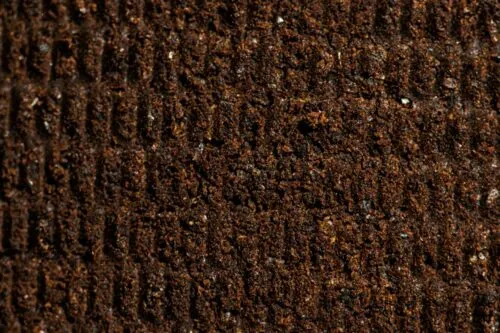
Spreading the word isn’t the problem for most cafés—finding enough people to take the daily pounds of grounds is. Not every coffeehouse operates in a city with a composting program or sits in a restaurant-dense area served by commercial composters. Giveaway programs can quickly become complicated, which makes the dead-simple approach at Kobos Coffee stand out. “A barista came up with the idea to make a bin and put a ‘free’ sign on it,” says Kevin Dibble, production manager at Kobos. “As soon as we drop a full bag off, it’s gone in ten minutes.”
While neighborhood gardeners may still be the main takers, recent years have seen a surge in novel uses for grounds—thanks to science.
In 2012, researchers at the University of Navarra in Spain discovered that spent grounds retain much of their beneficial compounds after brewing. With processing, they could become a profitable source of antioxidants for supplement makers—unless the coffee was brewed in a Moka pot.
Late last year, Portuguese scientists distilled alcohol from coffee grounds. A tasting panel found the resulting spirit less than palatable, but aging it in oak barrels (perhaps ones that previously held coffee beans) could mellow it into a next-level Spanish coffee.
While antioxidants and booze are promising, those processes still need a champion to scale up.
Another chemical trick—turning spent grounds into biofuel—may become big business in London. Oils constitute 10 to 20 percent of grounds. Last year, scientists at the University of Cincinnati announced they had extracted those oils, converted the dried grounds into activated carbon (used for water filtration), and filtered the oil through the carbon to produce biodiesel.
In London, a company called Bio-bean will use a similar process for bio-diesel. Instead of making carbon from the dried grounds, Bio-bean will produce biomass pellets to fire boilers. They plan to collect grounds from mass-market coffee producers around London, but perhaps someday a café could swap a bucket of grounds for a gallon of fuel.
Jute Bags
The only non-coffee byproduct on this list, jute bags are the most versatile waste generated along coffee’s journey to the cup.
Everyone from potato farmers and paper makers to gardeners, furniture artisans, and handbag designers seeks these bags. Offloading jute bags requires little more than a Craigslist ad.
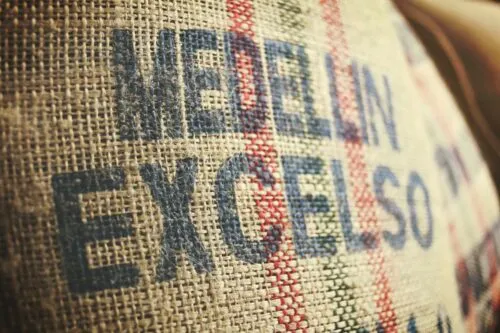
Among the takers, gardeners are again ideal recipients. Andrew Barton, a hobby gardener, lays jute bags between his vegetable rows. “They’re very tidy,” he says. “It’s like making a floor,” and that floor keeps weeds down. Jute is a plant fiber grown mostly in Bangladesh, so the bags are biodegradable yet tough. Barton says bags he laid down a year ago are still holding up.
Kona Paper neatly closes the jute loop by making paper from jute bags for menus, coasters, or cup sleeves. The Baker family at I Know Hope crafts coffee bags into a whole line of purses, larger totes, wallets, and journals. Independent craft stores often sell jute bags, and a free supply would be a windfall. For roasteries in farming communities, a few calls to farmers could clear a pickup truck’s worth of burlap. What farmer couldn’t use more sturdy bags?
Chaff
Of all the byproducts, chaff is arguably the most annoying. The silver skin that flakes off beans and is sucked out of the roaster becomes a lightweight, voluminous, static-charged mess. Roasters once burned it—more out of frustration than for disposal.
Dealing with chaff often discourages roasters from seeking solutions beyond the trash. But one group wants it: farmers and gardeners.
At Equal Exchange in Massachusetts, several farmers haul away 600 to 840 cubic feet of the roastery’s chaff each month. Because the roastery uses only organic beans, the chaff is ideal for local organic farms. After delivering herbs and edible flowers to Boston’s top kitchens, farmer Eva Sommaripa picks up the pillowy bags of chaff. The chaff dries and bulks up compost at her South Coast farm, Eva’s Garden, making it easier to spread.
On a smaller scale, Jenny Bush, a horticultural therapist at Trillium Family Services in Portland, will soon take chaff from Kobos Coffee for her therapeutic garden and flowerbeds. “It’s got nitrogen and other elements that fast-growing plants can use,” Bush says.
A less explored but growing use for chaff is chicken coop bedding. In cities with accommodating livestock laws (which are increasing), chickens are appearing in more backyards.
A few years ago, author and backyard chicken keeper Lyanda Lynn Haupt received a bag of chaff and replaced the wood shavings in her coop. “Like cats, they can be unnerved by novelty, and I wasn’t sure what they would think of their new chaffy home,” she wrote for Mother Earth News. “But they all immediately ran into the coop and started ‘playing’ in the chaff, tossing it up with their bills.” Many people who want grounds for composting also raise chickens. Perhaps they’ll take two or three byproducts off your hands.