Summit Coffee's Franchise Strategy: A Blueprint for Steady Cafe Expansion
In a specialty coffee market where independent shops often struggle to grow, Summit Coffee has turned to franchising to scale while keeping local ownership at the forefront.
By Morgan Hall6 min read
Most specialty coffee businesses are independent shops with just one or two locations. While many owners might dream of expanding to reach more communities, growth often feels unattainable due to several obstacles:
- High costs to build out new spaces.
- The time required for each new cafe to reach operational stability.
- The growing distance and disconnect between local staff and owners who are far away.
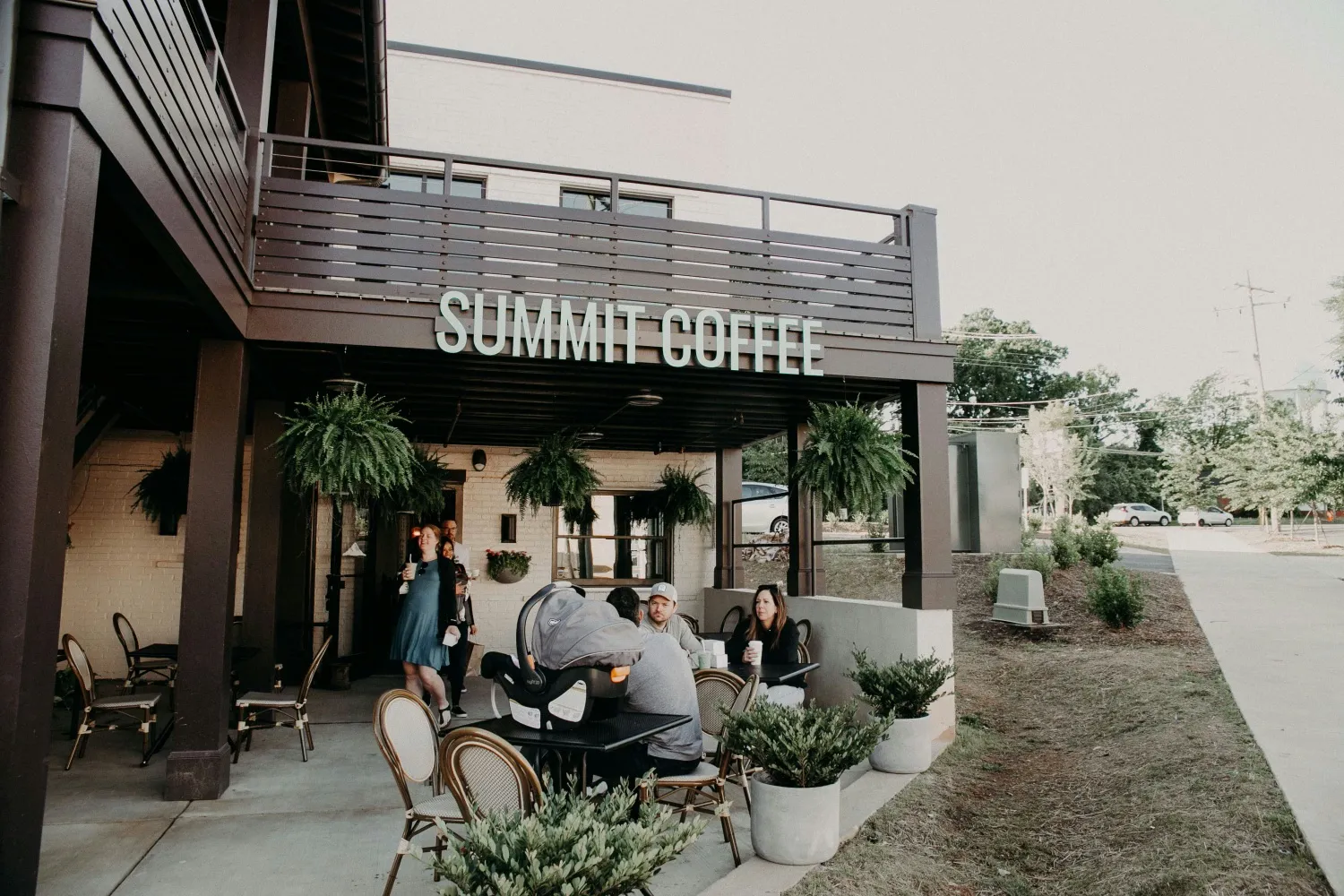
Summit Coffee, however, is charting a different course: the brand is set to open eight or more locations annually for the foreseeable future. In an industry where lasting growth can seem nearly impossible, Summit has found a creative answer: franchising.
Within just two or three years, Summit could rank among the largest specialty coffee chains in the United States.
A Specialty Coffee Franchise Two Decades in the Making
Summit Coffee first opened in 1998 in Davidson, North Carolina. Like many coffee companies, it grew gradually, adding a second location and a roastery by 2015.
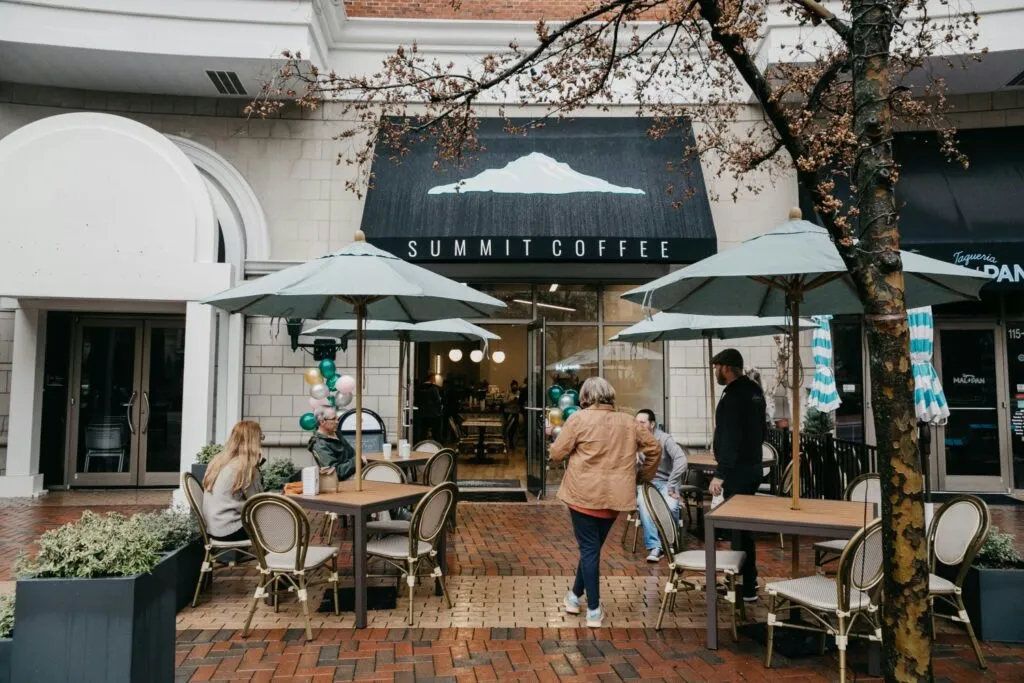
After nearly twenty years in business, brothers Tim and Brian Helfrich were ready to explore something new. Summit Coffee had proven itself as a cherished local business, but the team sensed greater potential for the brand.
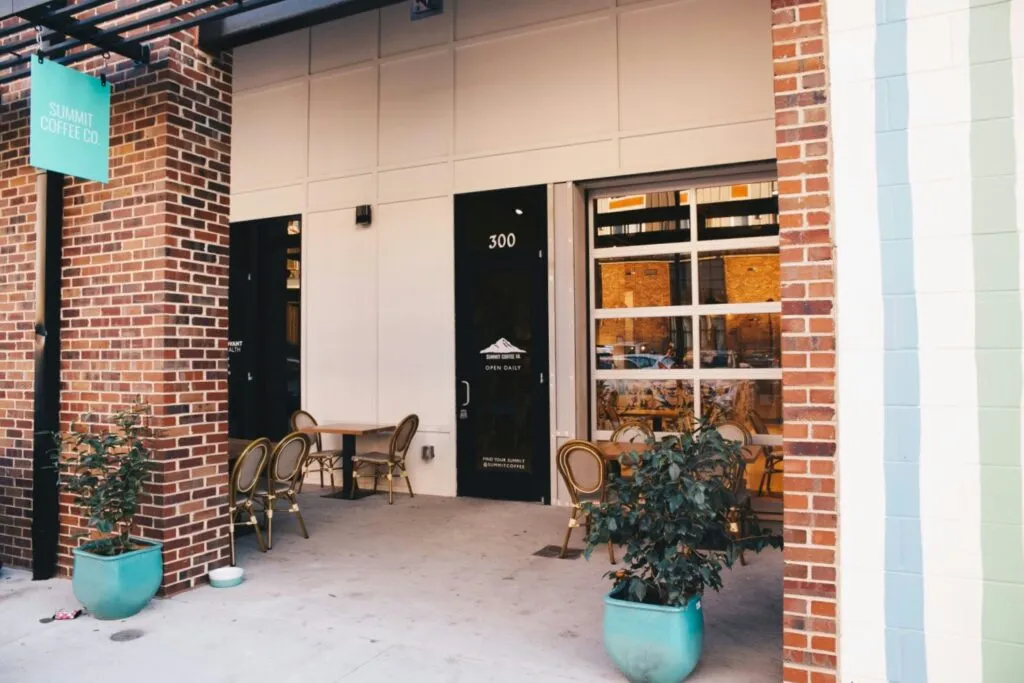
In late 2019, Summit Coffee announced it would shift to a franchise cafe model. A little over two years later, the company launched its eighth location in Charlotte, North Carolina—and many more are in the pipeline.
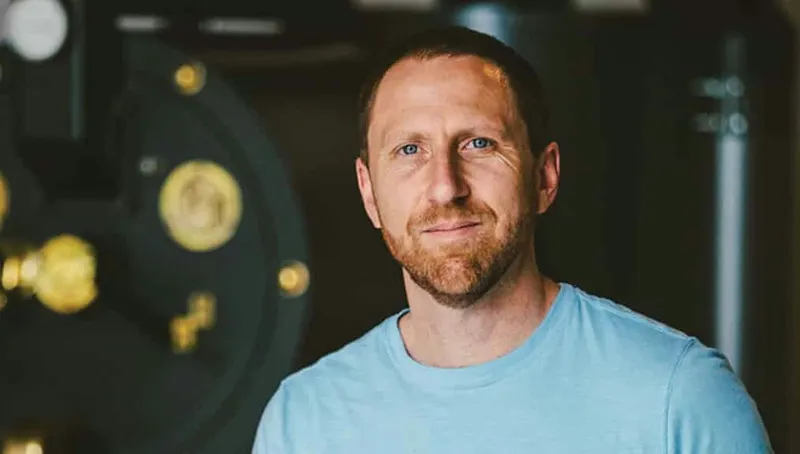
We spoke with CEO and former contributor Brian Helfrich to understand why and how Summit Coffee made the leap to franchising and how the model is fueling rapid growth.
Brian Helfrich on the Franchise Decision
This interview has been edited for clarity.
You describe Summit as the first specialty coffee franchise—what does that mean?
There are many successful coffee franchises. Summit comes from a third-wave coffee background. We’re an award-winning roaster, we do a lot of relationship-based coffee sourcing, and we follow the Counter Culture Coffee approach to roasting (the company we bought coffee from before we began roasting ourselves).
I saw a significant gap between third-wave coffee and franchise coffee in terms of creating a coffee concept that is both excellent and quality-focused while also achieving the ubiquity that a franchise can provide.
Why did you choose franchising?
It became difficult to explore what having five or ten cafes would be like—to reconcile that we as owners wouldn’t be present locally at each location—and that’s something we’re not willing to compromise on. We want to know our neighbors and our neighborhood. We’d rather scale in a way that empowers people to run Summits in their own neighborhoods than for me to be the CEO of a corporation where I only set foot in most cafes once a year. The franchise model simply made sense for us.
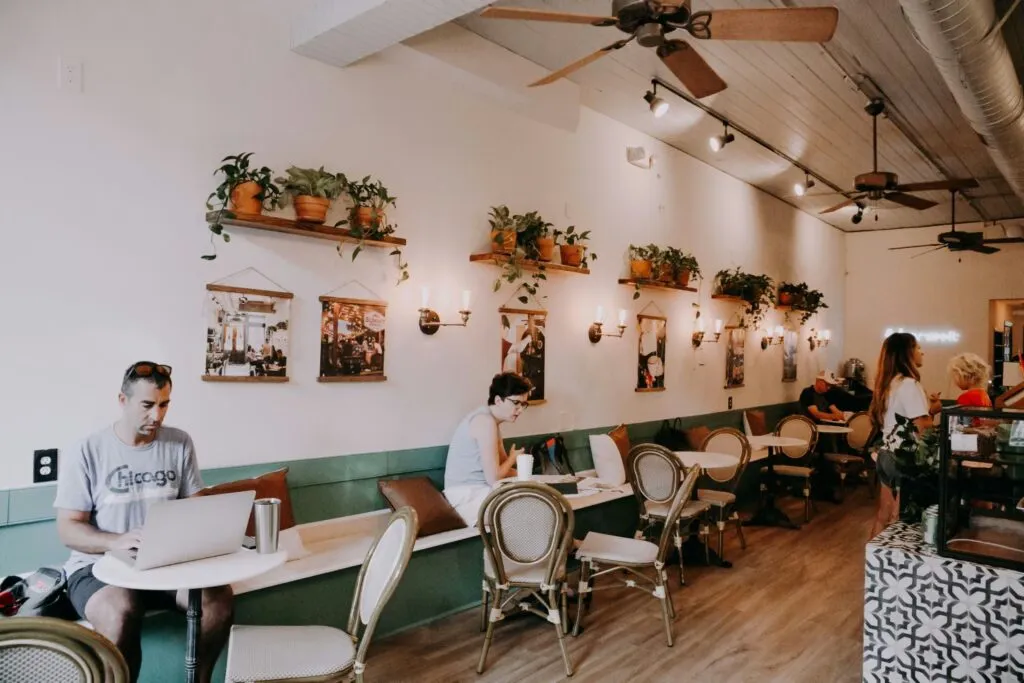
There’s a stigma that franchising makes a brand overly corporatized and commoditized. We understand that, so we aim to position ourselves as “the anti-franchise franchise.” We definitely don’t take the easy route that’s common in franchising. We hold incredibly high standards for franchise partners; every cafe design is fully custom. For us, franchising enables that connectivity because owners are local.
How did you assess the economic risks and rewards of franchising?
We felt our greatest strength was creating a cafe experience, and we wanted to do it far more than we were. But opening a cafe requires substantial money and time. So there’s a real ceiling on how quickly you can grow when you’re self-funded and essentially a small startup.
We looked at the potential return on investment from opening three more Summits, with, say, a quarter of a million dollars invested in each. We didn’t have that kind of money. And certainly, even if we raised it once, getting that amount again—to do it four or five more times—would be difficult.
It was the convergence of what we want Summit to be, how we get there, and what’s financially reasonable. Franchising allowed us to empower others with the financial resources to open one or two cafes, use our brand, skills, and systems, and set someone else up to run an exceptional Summit location.
Do customers notice or care about the model?
Less than we expected when we first launched. Some people know it’s a franchise and many don’t. I think that’s the right mix. We’re not trying to hide it, but we’re also not making a big announcement at every grand opening about being a franchise.
How did you find time for this transition?
I credit it mainly to having the right people on the team at the right time. Operationally, legally, branding—we had such a smart, dynamic team ready for the challenge. Our thirteen-person leadership team oversees the entire operation, and eleven of them started at Summit as baristas.
We have a culture of curiosity, we hire optimistic and intelligent people, and we’re generally good at learning what we need to learn.
What does a potential franchisee need to bring?
The franchisee pays for everything and provides the funding. But what they really need is a commitment to being a great cafe operator. That means hands-on, active time at the cafe, shared values about being a good employer, and a willingness to create something that impacts the local community.
What does Summit HQ provide?
We give franchisees everything they need to succeed operationally. We have proven systems and the experience and skills to help them avoid the mistakes small businesses typically make.
We provide over eighty hours of training, software, brand marketing, menu management, and scheduling systems. We support them in hiring staff and a manager. We even offer guidelines for manager bonuses based on specific metrics and are available to help them achieve those, so managers have upside and tend to stay.
Who handles marketing?
We have an internal marketing team that manages brand strategy, the online ordering experience, and helps local owners understand local marketing. We show them how to run their location’s social media and ads, and empower them to turn their cafe into a storytelling enterprise. Then they take it from there, so it’s truly local and authentic.
How do you maintain consistency across locations?
We’ve become increasingly prescriptive about our coffee program. Even if the cafe experience varies, we want customers to visit other Summits and trust they’ll get an outstanding latte or that the single-origin coffee will be dialed in. That became very important to us, so Summit HQ acts as the primary supply chain and supplier for everything on the coffee and drink menu.
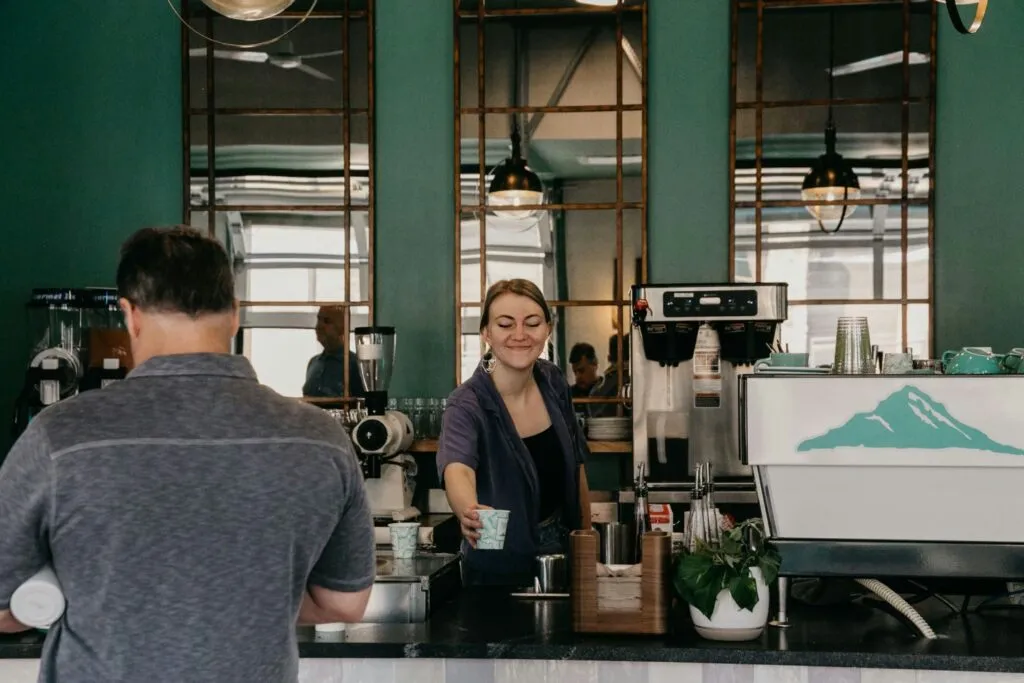
If we left batch brew dialing to each cafe, we’d get wildly different cups. That’s why we have a coffee quality coordinator who visits every cafe in person. They work with managers and franchise owners to dial in the coffee, so they know what the optimal cup tastes like, rather than just shipping beans and wishing them luck.
For items beyond the core goods—whether food, beer, or wine—we let owners engage more locally to source those.
What should other owners know about growing beyond one or two locations?
Two things.
First, relentlessly pursue what you know you’re best at. For us, creating a customer experience in the cafe is our top strength: the smells, sounds, decor, equipment placement on the counter, and what it feels like to be served by a barista. For others, it might be barista culture or a pure dedication to quality. Pick your focus and do it very well.
Second, you need to know your numbers inside out. In all my years running Summit, one of the things I’m most proud of is that we didn’t have to let go of a single employee through COVID. That’s because we scrutinized every penny spent, set targets, and made sure we got as close as possible. We eliminated some activities, built better systems, and hit our goals. You have to know exactly what you’re spending money on.
What’s next for Summit Coffee?
For growth specifically, we’re going to open eight to ten locations per year.
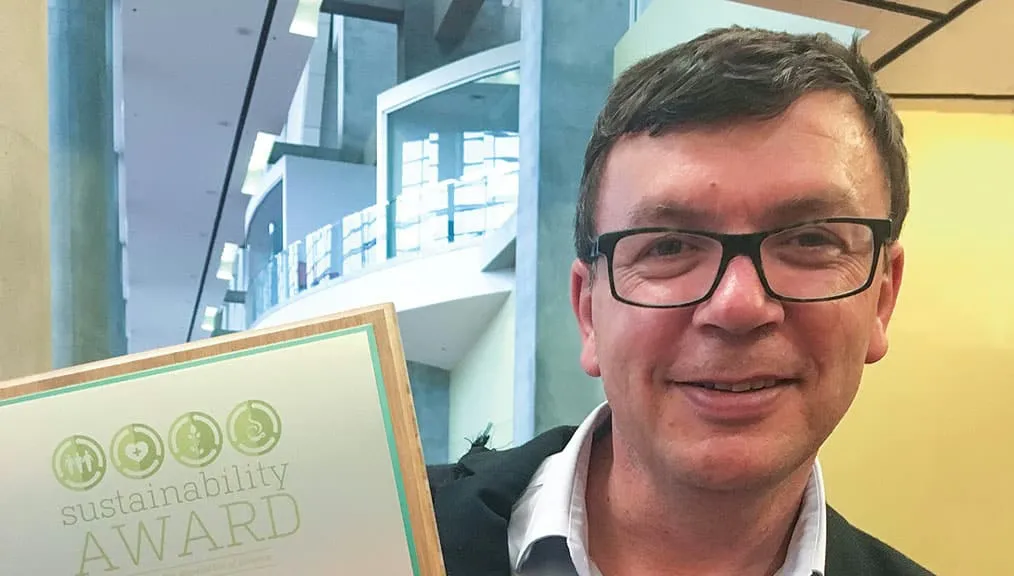
One major area we haven’t discussed much is our goal to become a leader in sustainability. That’s probably the biggest challenge the world will face over the next few decades, so we’re doing a lot of critical thinking about how we can do better.
We became a Climate Neutral roastery in early 2022. We’re testing a zero-waste cafe concept at one of our stores. We’re in the process of applying for B Corp certification. And I think this is important to us not just as a business strategy but as responsible people in the world.
Follow Summit Coffee and Brian Helfrich to keep up with the brand.
Garrett Oden is the owner of a coffee industry publication for professionals and Garrett Oden Copywriting, a content and copywriting agency for coffee, F&B, and food tech businesses.