Q&A with Christophe Montagnon: Coffee Research Priorities and Climate Realities
Christophe Montagnon, scientific director at World Coffee Research, reflects on 2016 breakthroughs and outlines goals for 2017—from the International Multilocation Variety Trial to new arabusta breeding work.
By Avery Gray4 min read
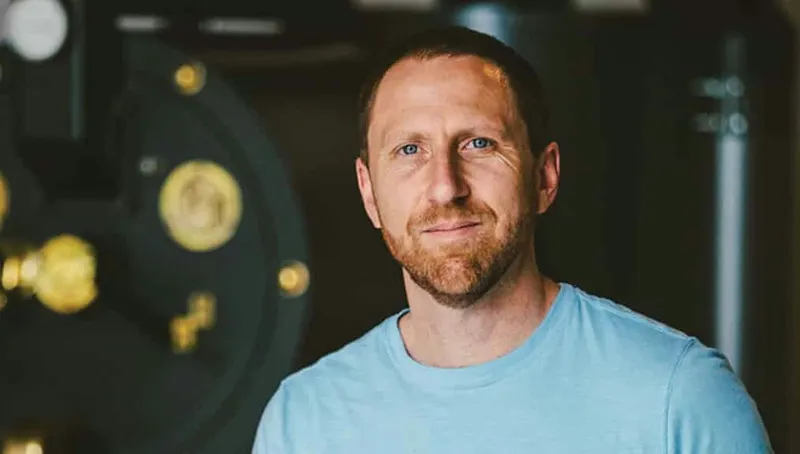
Christophe Montagnon serves as scientific director at World Coffee Research (WCR). In this conversation, he reviewed the organization’s major efforts from the previous year and looked ahead to what was planned for 2017.
This interview has been edited for clarity and length.
Looking back at 2016
What were some of WCR’s standout moments in 2016—projects or developments that made you especially proud?
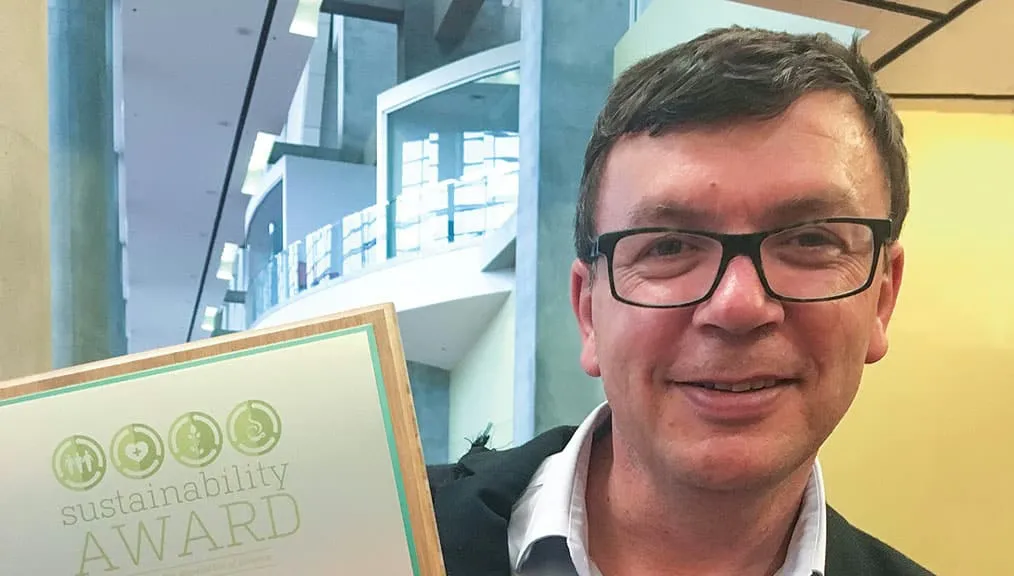
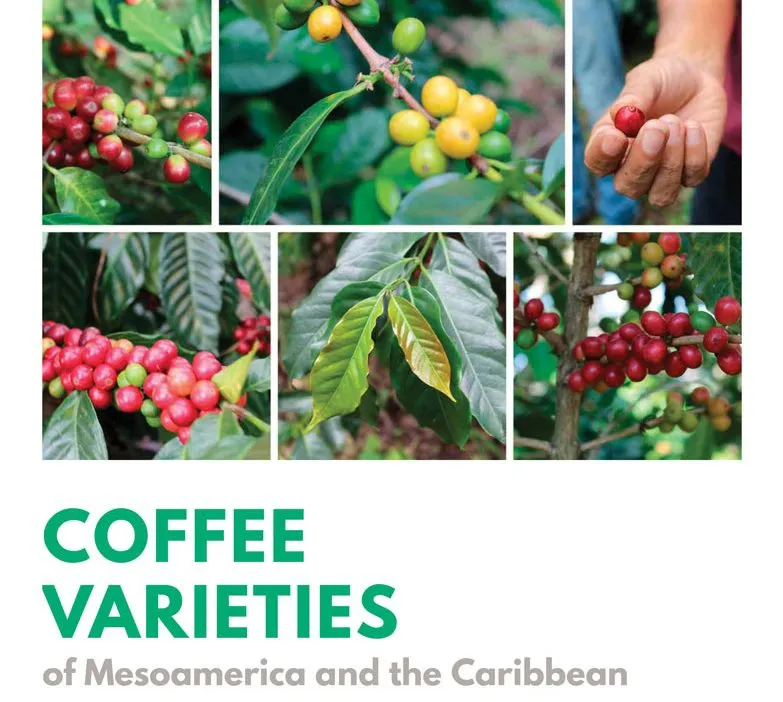
So many things come to mind. We released the first catalog of coffee varieties for Mesoamerica and the Caribbean, with an Africa edition slated for 2017. We also put out a technical manual on managing coffee leaf rust. A global coffee monitoring program was launched, one that is set to expand to hundreds of sites worldwide. Our International Multilocation Variety Trial (IMLVT) added three new countries and received the SCAA’s Sustainability Award that year. And in our global F1 hybrid coffee breeding program, we produced the first baby coffee plants.
The Sensory Lexicon came out in early 2016. How has it shaped WCR’s work since?
We’re putting the Lexicon to active use in evaluating coffee within our research programs. Take Fabian Echavarria, one of our PhD students: he’s examining the complex interplay among coffee leaf rust, plant yield, and quality. He uses the Lexicon to assess whether yield and rust infections affect flavor, and whether those effects can be linked to molecular and genetic changes in the plant. Over time, we’ll apply the Lexicon similarly in our breeding work and in the IMLVT.
WCR juggles many initiatives. Did any particular projects or focus areas gain noticeable momentum in 2016?
I believe people are starting to truly grasp that climate change threatens the very future of coffee. Scientists have been talking about this for four or five years, but 2016 was the year the industry really began discussing it and taking it seriously.
How can coffee professionals support WCR?
I hate to sound like a broken record, but the most impactful way is financial support. Because our work is research, it has to be done in labs or other carefully controlled settings—it’s not something you can easily just go out and do. So we need the coffee industry behind us. Through our Check-Off program, roasters can contribute half a penny per pound of green coffee purchased via participating importers. Alternatively, anyone can donate any amount through our website.
Plans for 2017
What are WCR’s goals for 2017—in the lab, the field, and the cup?
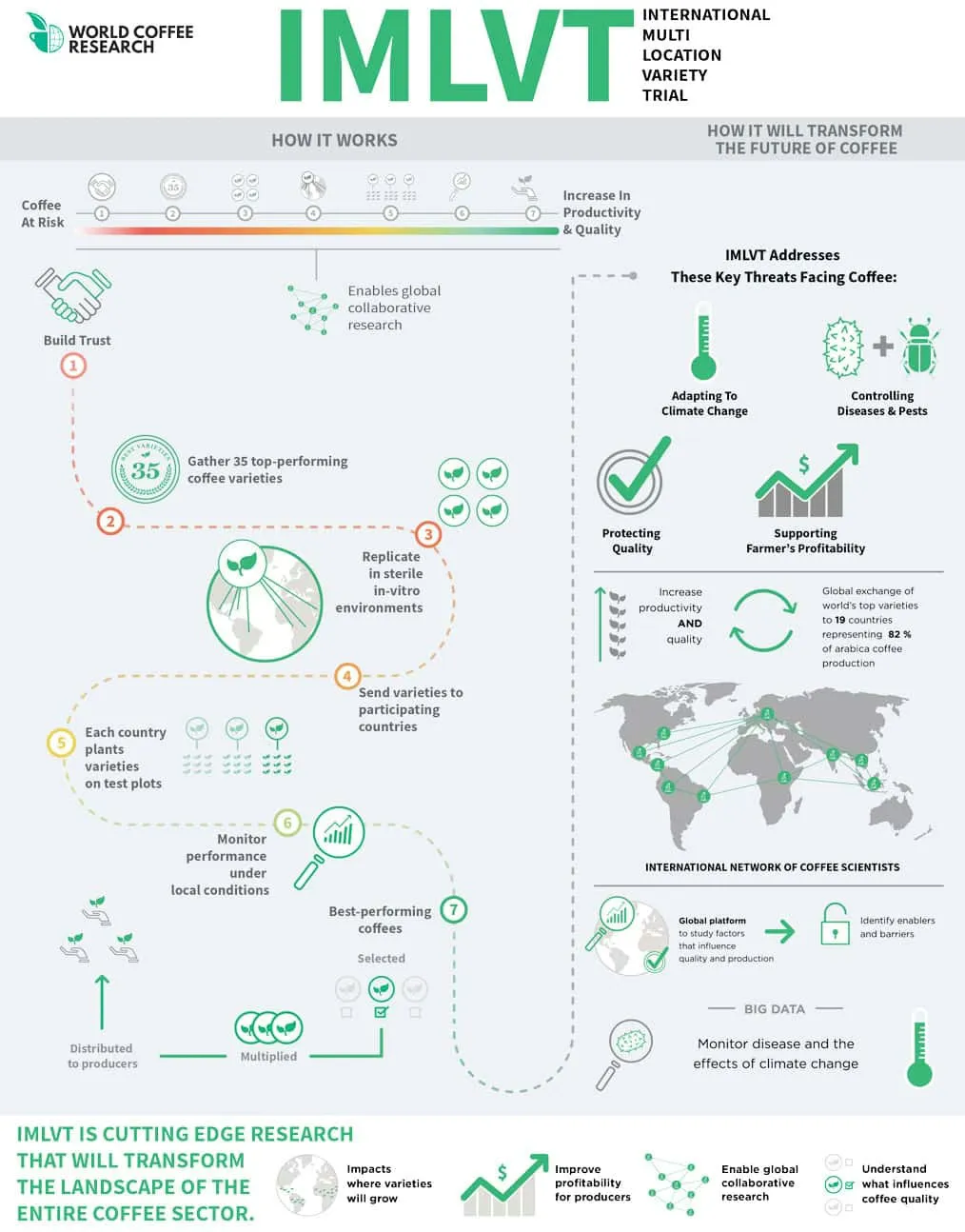
We’ll be doing much more work in the field, and many projects we’ve spent the last four years building will start yielding results. For instance, we’ve spent four years implementing the IMLVT across twenty-two countries—the largest global collaborative trial in coffee ever—and in 2017 we’ll begin to see how coffee varieties perform differently in different locations.
Can you walk me through the IMLVT timeline and what you hope it will achieve?
From 2012 to 2014, we built the program’s infrastructure, securing agreements from countries to participate and share their coffee varieties. Starting in 2014, seeds of the thirty-five varieties were shipped from donor countries to an in vitro tissue culture lab in Florida, so that disease-free in vitro plantlets could be safely sent to participating countries. By 2016, over 50,000 plantlets had been shipped to sixteen of the twenty-two participating countries and grown in nurseries; now, nearly all countries have moved the plants from nursery to field. From this point, the trial will run indefinitely, as long as national institutions can maintain funding for their experimental sites. We’ll be analyzing results over many years to come, hoping to unlock some of the mysteries of how coffee grows and thrives.
What other areas does WCR hope to impact in the coming year?
We’ll also be installing dozens or even hundreds of small trial sites on working coffee farms worldwide for our Global Coffee Monitoring Platform, which will assess how different coffee varieties and soil nutrition approaches affect farmer profitability. Together with Crop Trust, we’ll launch our strategy for protecting coffee genetic resources globally—resources that are essential for the future of coffee breeding. We’ll keep working to get better variety information to farmers by expanding our coffee catalog to include Africa, and to widen access to healthy, genetically pure coffee plants through the expansion of our Verified program. Our breeding work will continue and accelerate as we begin developing “arabusta” coffees—new (non-GMO) varieties that combine traits from arabica and robusta plants.
Challenges facing coffee
On that note, what are some of the short-term and long-term challenges coffee faces?
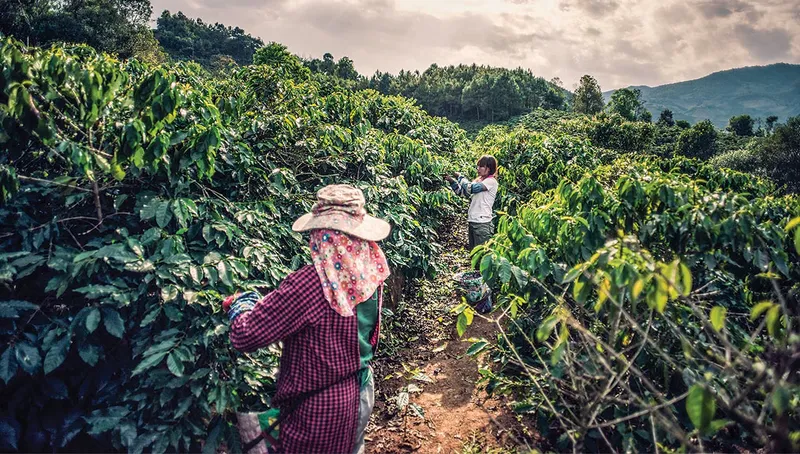
In the short term, the problems are familiar: in any given season and place, farmers routinely confront lack of profitability due to price volatility, diseases and pests, droughts or other extreme weather, difficulty finding labor to pick the coffee, and the list goes on. Long term, the challenges are similar but stretched out and magnified—extreme weather becomes more common, overall temperatures rise leading to loss of coffee quality and quantity, diseases and pests become more problematic, and chronic lack of profitability forces farmers out of farming. I think we are looking at a dire situation for coffee. In a few decades, or even less, there will be less land suitable for growing coffee, and fewer people willing to do the work unless we can change the dynamic.