Beyond the Bean: Repurposing Coffee Byproducts at Origin
Two producer-led initiatives—one in Mexico, one in Costa Rica—show how coffee pulp, mucilage, and parchment can be turned into valuable resources rather than waste.
By Jordan Turner3 min read
Rethinking Coffee Waste at Origin
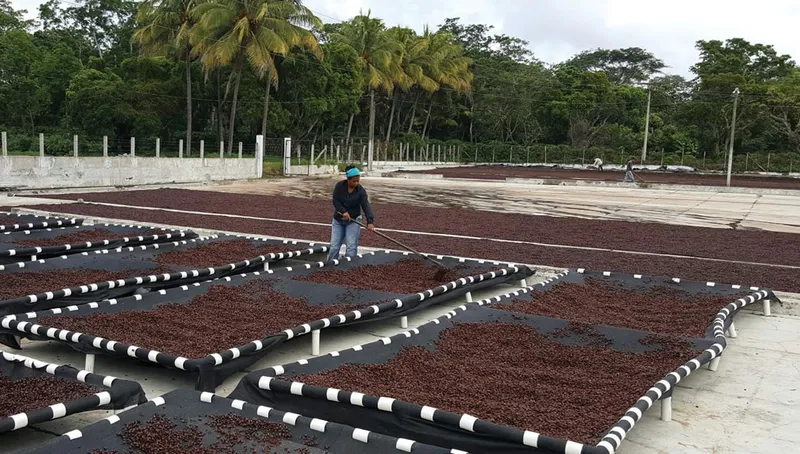
By the time green coffee reaches a roaster, the bean has lost all trace of its origin as the heart of a fleshy fruit. Milling strips away the pulp, mucilage, and parchment, and these byproducts are often discarded. That waste matters: untreated pulp releases methane, and byproducts can degrade soil and contaminate local water.
Earlier discussions have covered repurposing efforts such as coffee flour, cascara tea, biofuels, and T-shirt ink. Here, we look at related projects underway in coffee-growing countries.
A Mobile Solution for Coffee Pulp
“The ideal agronomy would be one that all of the products and subproducts of the plant have some value to the producer,” says Demetrio Arandia Muguira, president of Descamex, a Mexican decaffeination company based in Córdoba, Veracruz.
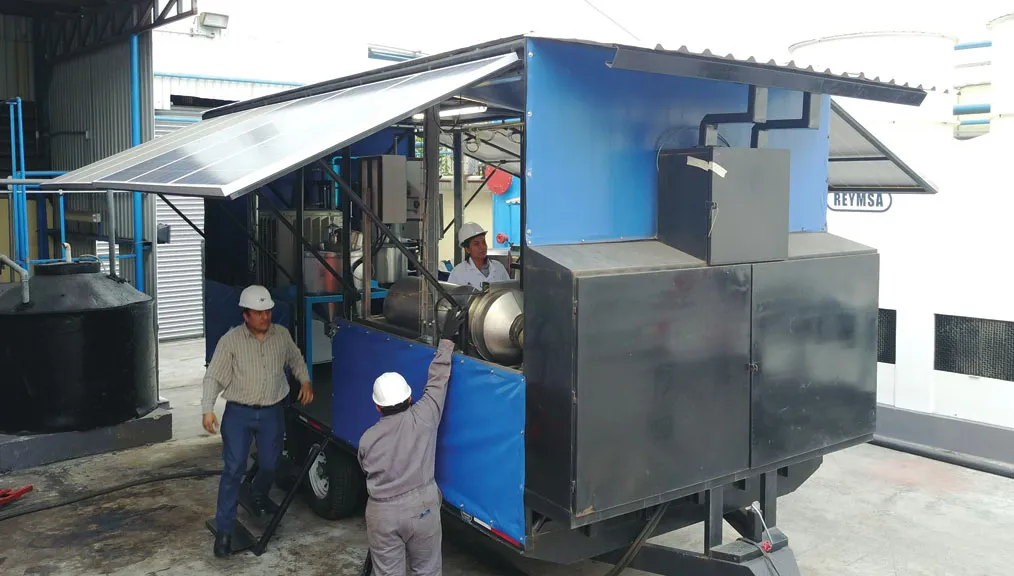
Two years ago, Muguira and his team began developing a mobile coffee recycling unit. They collaborated with Universidad Autónoma de Querétaro (UAQ) and Centro de Investigación y Desarrollo Tecnológico en Electroquímica (CIDETEQ) to study the most effective methods for extracting caffeine and chlorogenic acids from coffee cherry pulp.
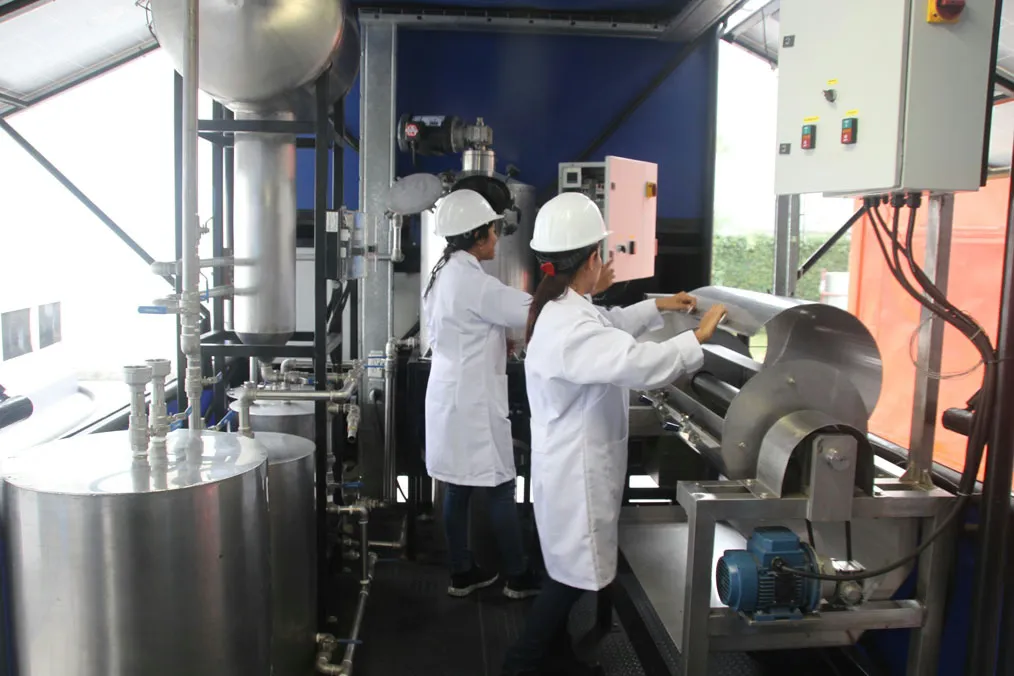
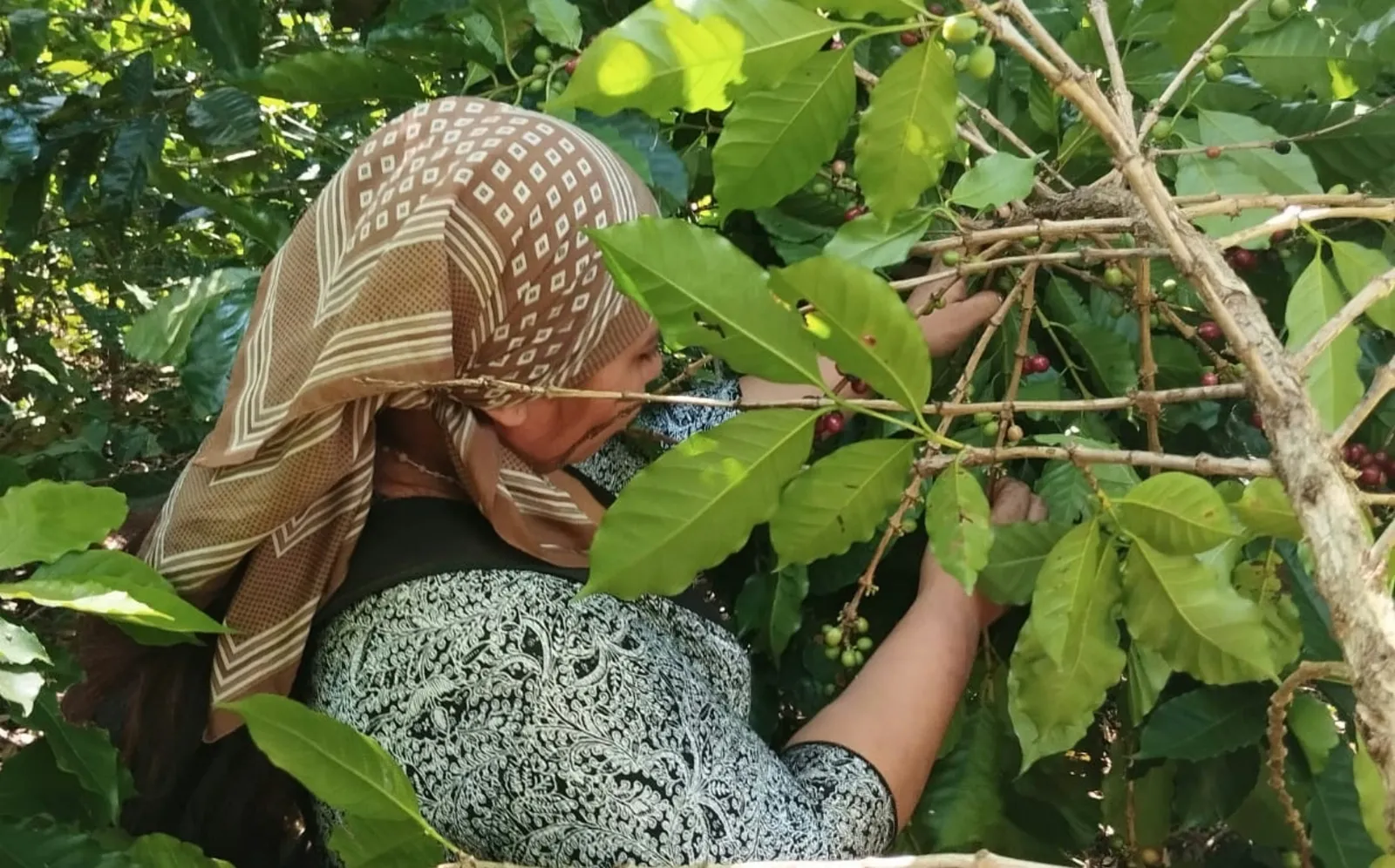
Women working on Descamex’s mobile coffee cherry recycling unit.
Although the caffeine yield from pulp is relatively low compared to that from beans, both caffeine and chlorogenic acids can be extracted and sold. “The main consideration taken for the development was to try to get the best extraction possible,” Muguira says. “The purpose of this extraction plant is to allow the coffee producer to have an additional income from the subproducts of their farms.”
To that end, the teams designed a unit that is relatively small, uses a cost-effective extraction process, and can be transported between regions, allowing it to be relocated according to harvest schedules.
After cherries pass through wet milling, the semi-wet pulp is manually loaded into the mobile system, which operates in three stages. First, caffeine and chlorogenic acids are extracted from the pulp. Next, a decantation and distillation process separates these compounds from the liquid extract. The caffeine and chlorogenic acids are then recovered, and the remaining pulp is dried.
Descamex used the unit on its farms for the first time this season and hopes to launch a full operation next year. The pilot project is housed in a trailer that can be pulled by truck from one mill to another.
Muguira’s company chose a scientific approach to turning byproducts into valuable resources, but reducing waste does not always require a team of engineers.
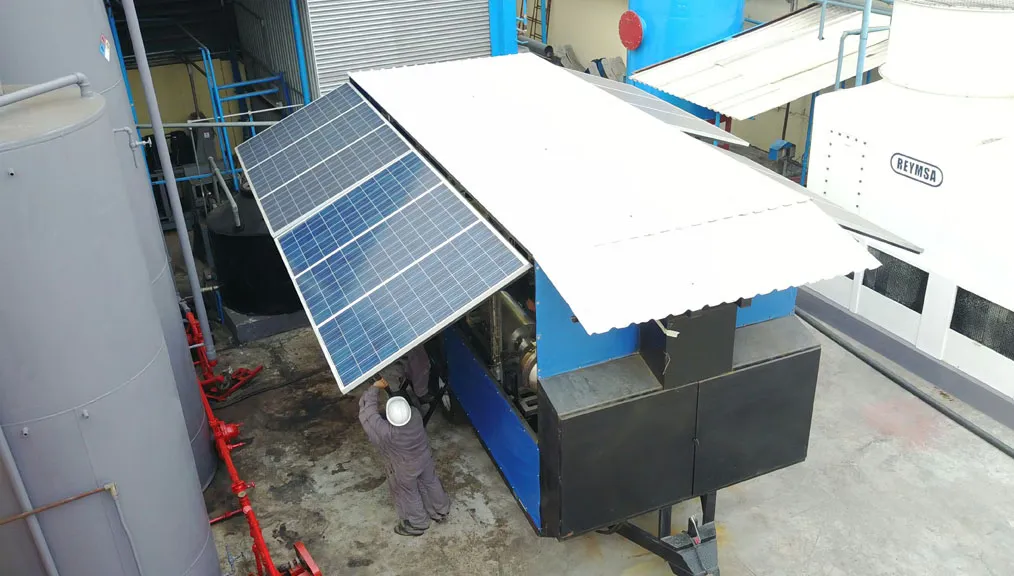
An aerial view of Descamex’s mobile coffee pulp recycler.
Compost, Mucilage, and Parchment Fuel
Distant Lands Coffee owns farms and mills across Costa Rica (plus one mill in Colombia), where farmers commonly sell their coffee to mills as whole beans. “We as a mill receive lots and lots and lots of coffee cherry,” says Scott Merle, vice president of sales for Distant Lands’ green coffee division.
The organization has several systems in place to combat coffee cherry waste and support area farmers. The largest use of pulp is as compost, both on its own farms and for growers who bring cherries to the mills.
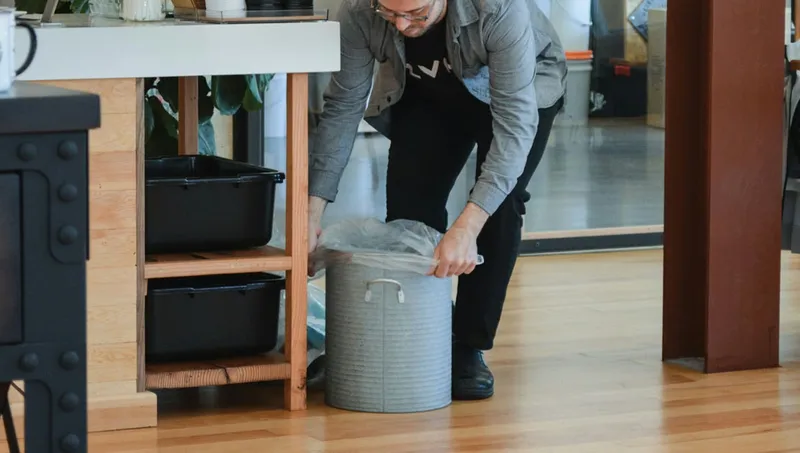
“Because coffee producers sell their whole cherries, they don’t have access to that byproduct,” Merle says. Distant Lands adds a small amount of lime to the pulp, mixes it into compost, and sells it back to farmers at cost for use on their farms. Any leftover compost is used across the company’s six farms.
Using pulp as compost is a relatively common way to repurpose milling byproducts. Distant Lands has also found uses for miel, the mucilage layer of the bean. “That should be considered a byproduct of the coffee because that’s either pollution or waste, or it needs to get reused somewhere,” Merle says, referring to the mucilage trapped by mechanical equipment. “We recapture all that mucilage, all that miel, and we’ve been adding that back into the compost too.”
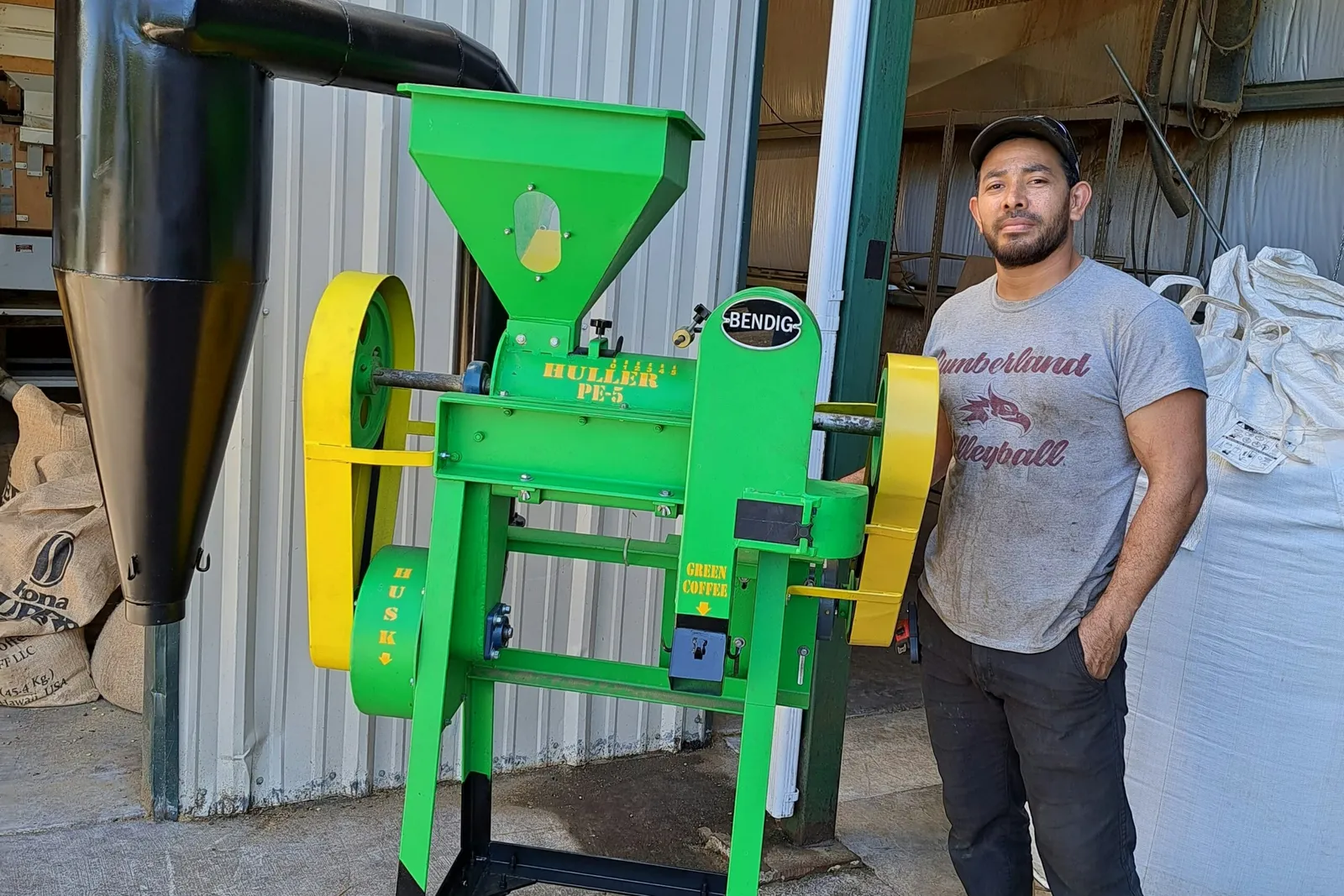
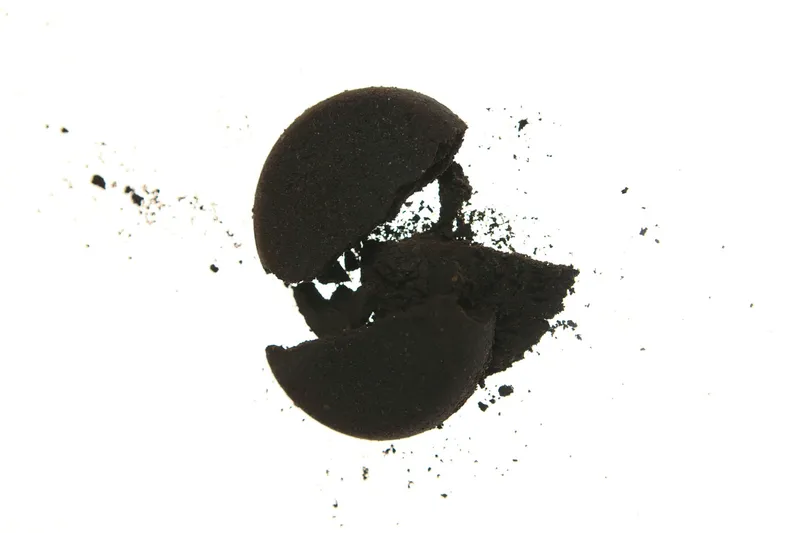
Distant Lands also uses parchment removed by dry milling equipment to fuel the dryers—a practice they have relied on for over fifteen years. “We’ve got specially designed biomass furnaces that we use to generate the heat needed to dry the washed coffee,” Merle says. A machine compresses the coffee parchment into discs, which are then fed into the furnace as a fuel alternative to wood.
The projects led by Distant Lands and Descamex are just two examples of producers working to find better solutions for coffee byproducts at origin—many others exist, and more developments are on the horizon. As Muguira’s description of ideal agronomy suggests, farmers are naturally resourceful when it comes to finding new uses for byproducts; no one benefits when waste is left unaddressed.