Selling at Farmers Markets: A Practical Guide for Coffee and Tea Brands
Farmers markets offer emerging coffee and tea businesses a way to reach customers and build a following, but success requires research, preparation, and a clear-eyed view of the costs and logistics.
By Riley Turner3 min read
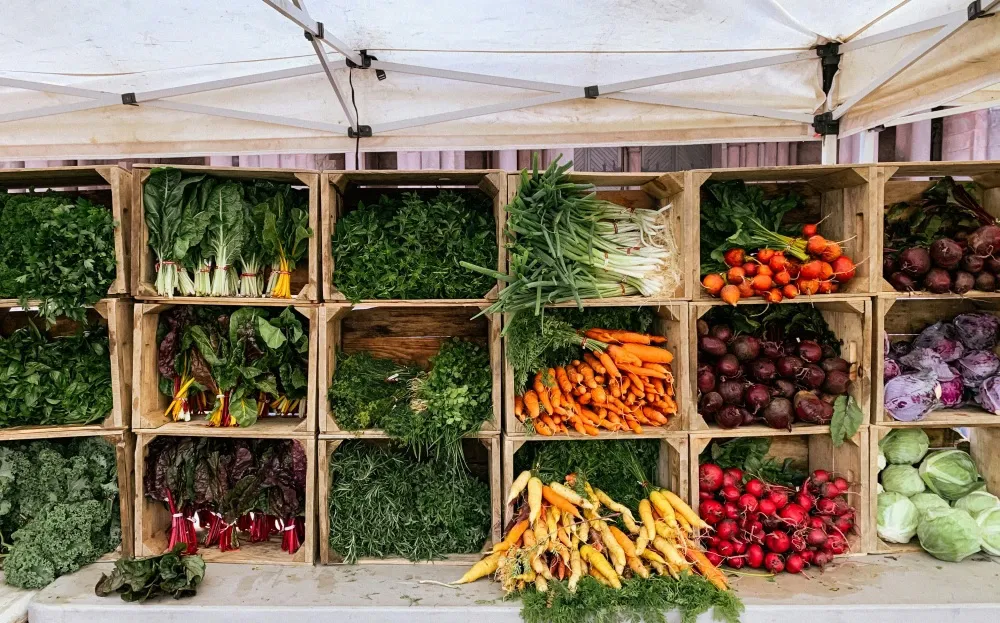
For newer coffee and tea brands, farmers markets can serve as a launchpad for community engagement, direct sales, and brand recognition. The 2019 National Farmers Market Managers survey reported that the United States has more than 8,000 vendors who have recognized benefits beyond selling to local shoppers.
Laura Scales, founder of Athena Coffee Roasters in Nesbit, Miss., began selling at farmers markets as soon as possible after launching her business in 2019. These events have been central to her company’s growth. “I’m growing to five markets in two years in my local area and western Tennessee and have created a great community that has helped me grow my wholesale business.”
“When we first opened our bakery in 2014, participating in farmer’s markets was a big part of our marketing strategy,” says Jennifer Sheets, founder of Frothy Monkey in Nashville, Tenn. “Our cafes had been operating for 10 years at that point, but the bakery as a standalone was a new endeavor and farmer’s markets were a great way to connect with our community and get the word out.”
Many coffee and tea companies find market vending unfamiliar. Yet succeeding at farmers markets involves more than showing up and hoping for the best. The following tips can help you make the most of your local market.
Scout the Market and Keep Notes
Before committing to a season, Scales recommends visiting the market in advance or conducting thorough research—including walking the market the previous season. When evaluating a market, she considers whether it draws substantial foot traffic and what the average price point of products sold there is. “I look for if there is a diversity of the types of vendors and if that compliments what I would be selling,” says Scales. “I also like to see if bagels, bread, or other consumable goods complement what I’m doing.”
Create a Packing List and Double-Check It
Plan your booth setup and breakdown process in detail. What tools and supplies will you need? Bring backups of everything—extra tent stakes, tape, extension cords, etc. Because it’s easy to forget items during the rush of preparation, make a checklist and add to it as you think of useful items.
Health and safety regulations vary at the local and state levels, so review them and pack accordingly. “In Tennessee, yes, I am very limited on where and what I can sell,” says Scales. “whereas when I’m in Mississippi, I have a lot more flexibility and adjust my setup to reflect that.”
Weigh the Commitment
Farmers markets can represent a significant financial investment. Beyond startup costs such as vendor fees, gear, and inventory, consider lost revenue from staff time away from your café or roastery during busy periods. “Most farmer’s markets require applications to get in, and if you do get a spot, you have to commit to all of the markets (usually weekly), so having dependable help staffing-wise is something to consider as well,” says Sheets. “I’ve definitely been stuck in a field in a lightning storm surrounded by rain-soaked loaves of sourdough before.”
Markets typically operate weekly or bi-weekly during peak months (May through October). Committing to a market means committing for the duration of its season. Make sure you can handle that before signing up—especially if you run your business solo.
Watch Out for Inventory Pressures
If your product sells quickly, it could deplete your inventory. For a small coffee and tea brand, this can be a problem if stock is insufficient to meet demand after a busy market day. You can bring more than you would typically sell at a farmers market, but you still risk selling out fast.
Perishable products or limited inventory add another challenge when preparing for events. “The products we sold were all perishable,” says Sheets. “So figuring out PARS for what to bring while knowing that business volume or the market operations themselves will be influenced by things like the weather is difficult and risky.”
Keep Your Broader Strategy in View
Farmers markets are valuable, but they are not necessarily a substitute for opening another brick-and-mortar location. Sheets says selling at farmers markets should be part of an overall business strategy that includes long-term goals. “It’s a lot of work but also a lot of fun! My biggest piece of advice is to be sure that a market strategy outside of a brick and mortar (or e-commerce) strategy is worth the effort,” says Sheets. “It should support your business, not distract from it.”
Farmers markets can offer valuable learning and relationship-building experiences. With so many options available, however, it’s important to approach each market cautiously and with a clear strategy. From there, you can develop a plan that will allow you to effectively grow your brand through farmers market experiences.
Photo by mk. s on Unsplash