Safeguarding Baristas: A Guide to Preventing Common Café Injuries
Strategies for café owners to reduce barista strain and injuries through ergonomic design, equipment choices, and staff education.
By Blake Brooks4 min read
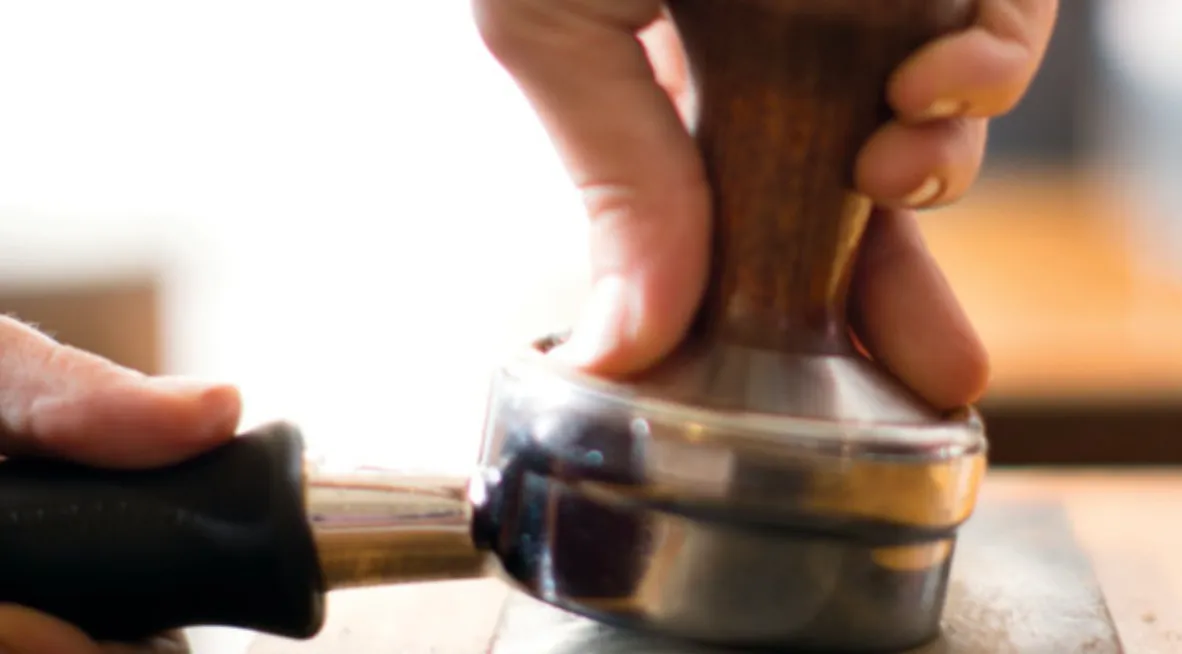
Working in a café comes with hazards that are easy to see: slick floors, boiling water, and lifting heavy items. Yet there are also less obvious risks that build up gradually from the repetitive motions required to pull expert shots.
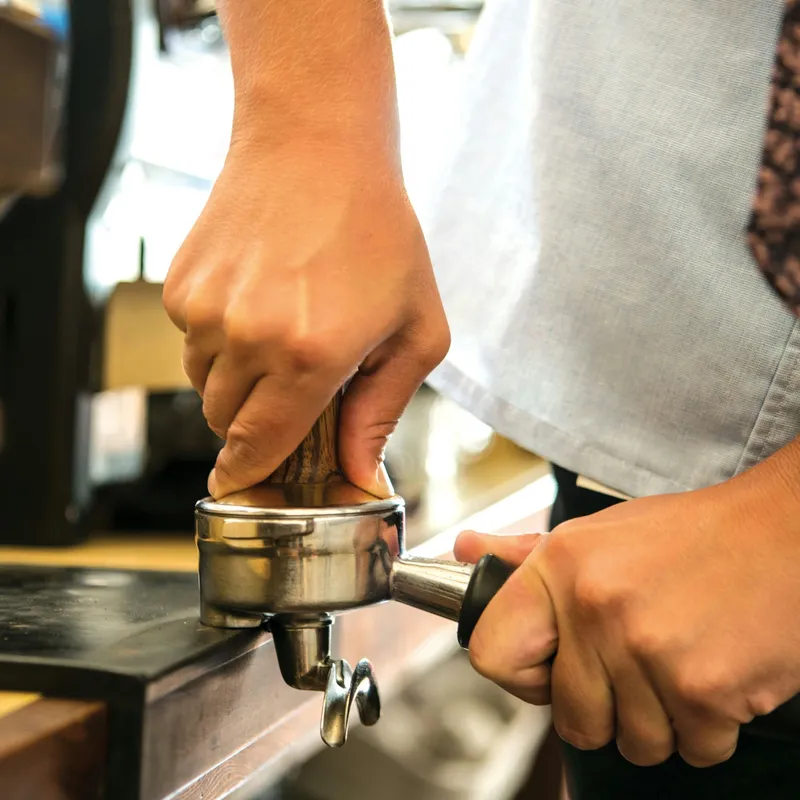
Tamping, steaming milk, and taking out portafilters—core barista duties—are not harmless routines. The repeated stress on muscle groups from these actions can cause injuries, chronic pain, and even lasting damage. These aches, though harder to notice than burns from a steam wand, are just as important to address and plan for when considering staff health and wellness. Thoughtful ergonomics are key to a successful café.
Understanding Workplace Injuries
Education is essential. As long as baristas have been making coffee, strains to wrists, necks, shoulders, and backs have been part of the job, but the frequency of these injuries is only starting to be documented. A 2014 study at Wilfrid Laurier University, published in the journal Ergonomics, examined occupational shoulder and lower back pain among baristas; sixty-eight percent and seventy-three percent of those surveyed reported pain in those areas, respectively. Half of the baristas surveyed linked that pain to their work. A series of surveys by Sprudge, as part of an exposé on ergonomics and barista health, reached similar findings.
The force needed for tasks like tamping espresso exceeds what is safe for a repetitive motion, and repeating that force hundreds of times a day can wear on the body. “Many people know that tamping is very stressful,” says Ben Put, two-time Canadian Barista Champion and co-founder of Monogram Coffee, a two-location roaster-retailer in Calgary. “The job of a barista, in general, is a very physically demanding job.”
Best-case scenario: overworked muscles require physical therapy or massage. Worst case: there is lasting damage and probably a career shift (at least out from behind the bar). “I worked with a barista a couple of years ago, and he could barely take portafilters out of the machine—he had messed himself up so badly,” says Put, who used an ergonomic tamper in his World Barista Championships performance earlier this year.
Plan for Ergonomics Before Building
In recent years, the prevalence of stories about safety and the maturation of barista culture have brought café ergonomics into the spotlight, making it increasingly necessary for retailers and equipment manufacturers. The good news is that resources and best practices are growing every year.
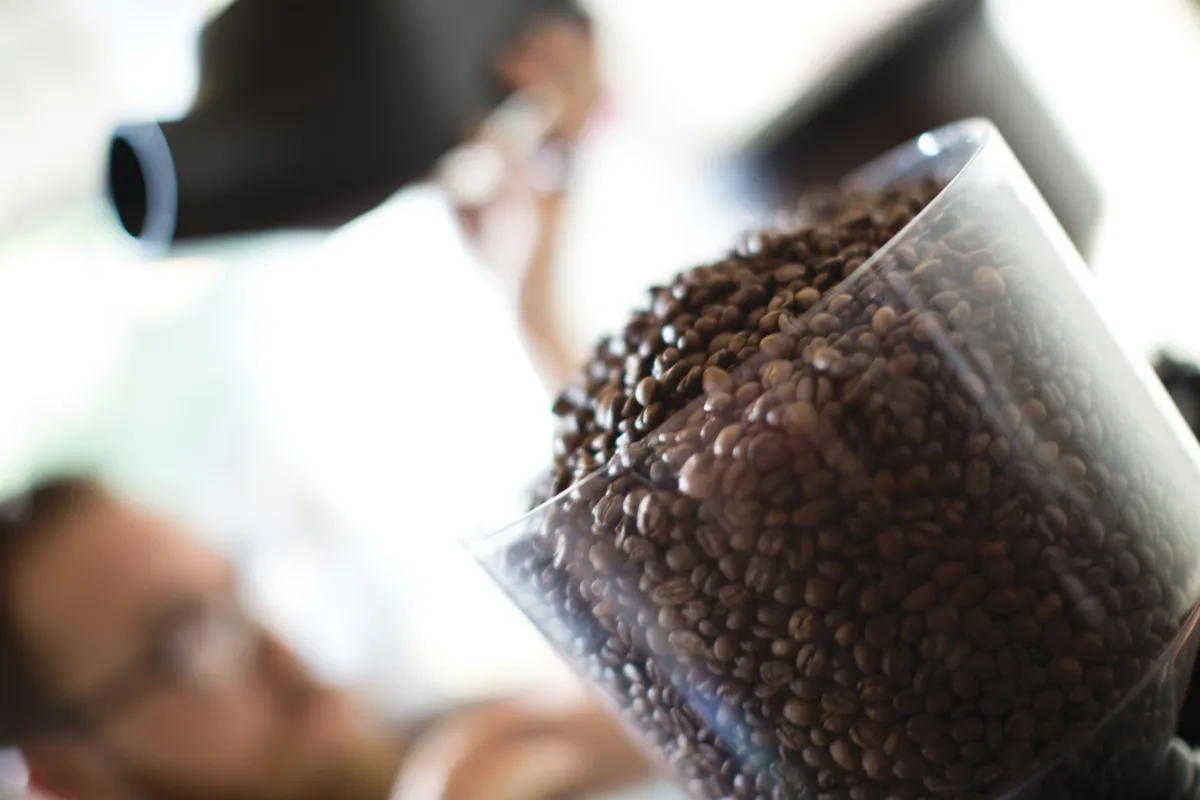
The first line of defense in protecting your baristas comes with your café’s build-out. Streamlining tools and stations behind the bar to minimize bending and reaching pays off in the long term and leaves more time for customer service. Consider bringing in an ergonomics consultant if building a bar from scratch. Evaluate the differences between a cramped bar and a roomier one, where baristas aren’t twisting to get around each other. Think about where baristas will stand: is there a hot appliance, like a dish sanitizer, nearby? Is the counter height right?
How you outfit your bar is also important. Doserless grinders sidestep the incremental dosing of espresso shots, which can be hard on the wrist. Anti-fatigue floor mats provide traction in wet areas and support for hours of standing. Fridge shelves on level with the bar, instead of under the counter, eliminate needing to bend over for refrigerated items.
Equipment manufacturers are also finding solutions to common barista injuries. Nuova Simonelli’s Aurelia II is the first espresso machine certified as ergonomic, built with cooperation from the European Institute of Psychology and Ergonomy. It boasts an ergonomic push-pull steaming system, cool-touch steam wands, and smooth locking portafilters.
Reducing Tamping Injuries
As a repetitive and high-impact action, tamping is a big concern when talking about barista safety. Luckily, the number of ergonomic tampers is growing. Put’s brother Tim, a barista and woodworker, designed the tamper that Put used at the 2015 World Barista Championship. Along with being eye-catching, its shape, which mimics the handle of a saw, helps with accuracy and healthy wrist motion.
“Most of the movements in coffee are highly unnatural,” says Put. “The new handle design takes some of that strain off the wrist, and you can tamp level in a more natural fashion.” (Without twisting the wrist and arm.) Put and his fellow co-founders at Monogram hope to bring Tim’s tamper into their cafés. In the meantime, the shops are focused on ergonomic education.
One of the Wilfrid Laurier University study authors, Dr. Diane Gregory, agrees education is a crucial preventative measure. “By teaching baristas the types of postures and tasks that increase their risk of pain and injury to their low back,” she writes via email, “as well as how to effectively utilize concepts like job rotation, education can be extremely successful at reducing not only work-place injuries but low-back pain in general.”
“Technique can protect you,” says Put, who also has experience with ergonomics and repetitive motion as a musician. “Similar to music, there are some things you just have to do. You will have repetitive tasks, and if you train to ensure that technique is there, it’s all you can do in some instances.”
Making sure baristas use the safest posture and the right amount of force when tamping, for example, can be vital in preventing injuries. Encouraging baristas to watch for strain and pay attention to what works for their bodies is also essential. And lastly, making sure shifts revolve between different tasks (the job rotation Gregory refers to) ensures that one part of the body doesn’t get overworked.
So put your baristas on the register halfway through their shift. Get mats down behind the bar, and be a taskmaster about breaks and lunches. Switch staff to stocking and cleaning, and get on the machine yourself. Set an example with expert form, and if something doesn’t feel right, fix it. You might not be able to prevent grumpy customers or chaotic summer rushes, but you do have the power to protect your baristas. Use it.