Tariff Shocks, Record C Prices and a Shifting Certification Landscape: Coffee's Tumultuous Year
A look back at the forces that reshaped the coffee trade: U.S. tariff policy, volatile futures markets, stalled retail prices, and the SCA's overhaul of quality assessment.
By Jordan Turner3 min read

The story that dominated coffee in 2025 from start to finish was, without question, tariffs.
President Donald Trump began threatening duties on most U.S. trading partners almost immediately after taking office in January, and by April those threats had become policy. August brought a 50% tariff aimed specifically at Brazil. Because Brazil supplies close to one-third of America's coffee imports, that single move reshaped global trade flows as Brazilian exporters went searching for alternative buyers.
Coffee prices were already close to record territory in 2024, and the tariffs pushed things further in 2025. The C price hit an all-time high in February, then fluctuated over the following months before that record was eclipsed in October.
The combination of elevated commodity prices, tariffs and inflation fed through to grocery aisles and café menus alike. The pressure wasn't limited to the United States: South Korea and Brazil both saw retail prices climb, and standoffs between major roasters and European supermarket chains left coffee shelves empty. Theft increased as well—including multiple hijackings—and some roasters resorted to blending in cheaper beans or even non-coffee ingredients to hold down costs.
After months of lobbying by industry groups, the Trump administration removed most of the coffee tariffs in November. That does not mean prices will fall anytime soon, however. Experts and executives have pointed out that prices tend to be sticky: once they go up, they rarely come back down.
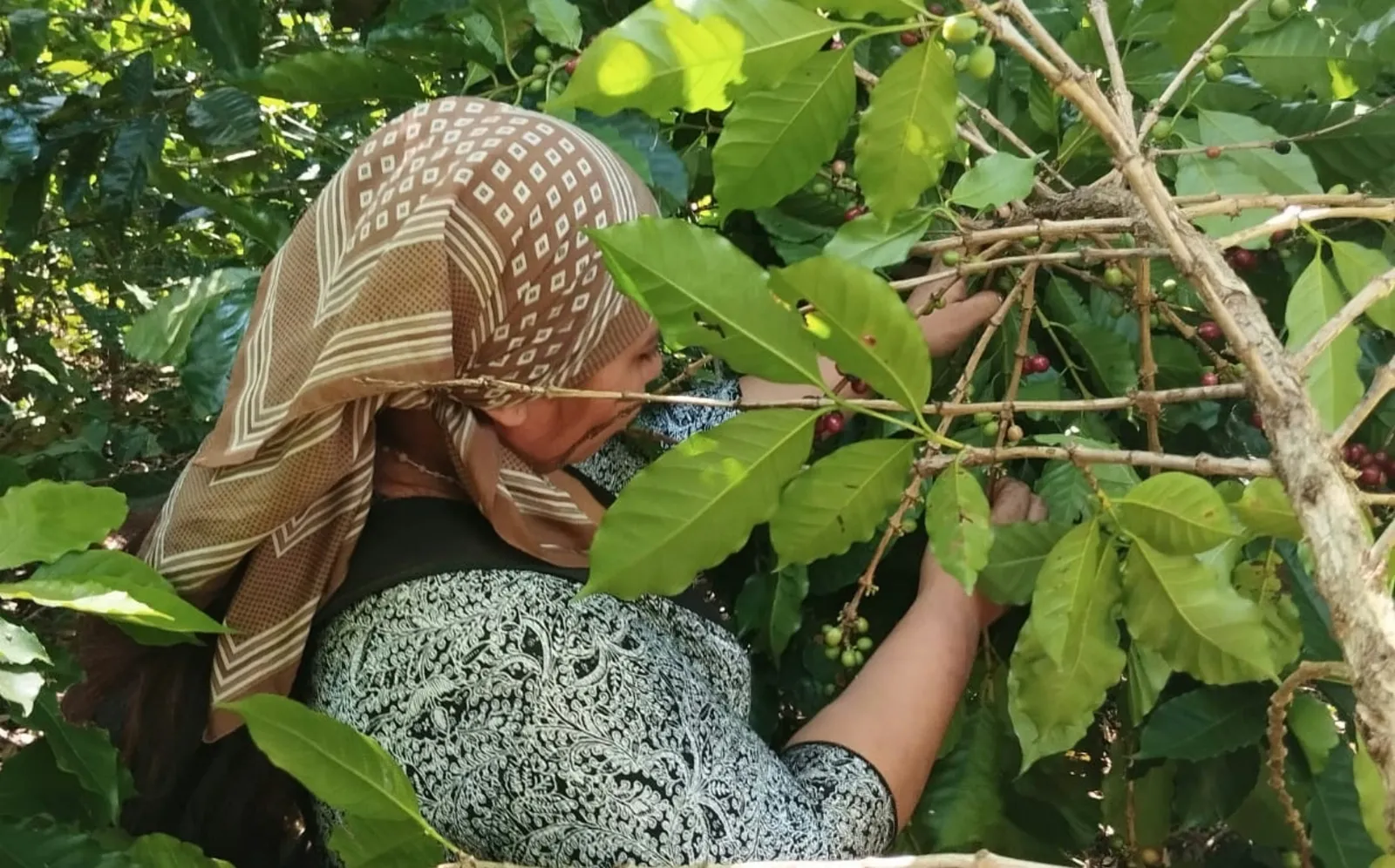
Tariffs were not the administration's only effect on coffee. In February, the White House announced broad federal layoffs and cuts to programs that had funded both foreign aid and domestic grants for Hawaiian coffee growers. Immigration and Customs Enforcement also focused on Kona coffee farms; with many pickers hailing from Mexico and Honduras, the prospect of raids made workers think twice about showing up and risking detention, putting the island's harvest in jeopardy.
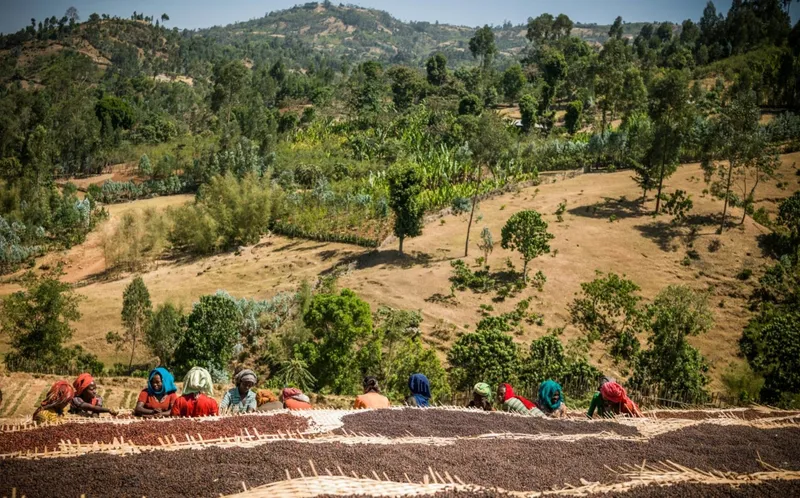
Coffee-producing countries elsewhere had uneven years. News of a better-than-expected Brazilian harvest briefly pushed the C price down in September, though the country's exports declined under the weight of tariffs. Uganda passed Ethiopia to become Africa's largest coffee exporter, and labor shortages tied to new migration laws in neighboring Nicaragua hit Costa Rica's harvest.
For a few countries, a very small quantity of coffee was enough. In August, the Best of Panama auction set a fresh record when a 20kg lot of gesha sold for over $600,000.
Although farming remains a male-dominated field, several initiatives sought to even the odds. In Uganda, entrepreneur Meridah Nandudu drew more women into the business side of production by paying a premium for coffee cherries from female farmers.
Brazilian cooperative Expocacer, meanwhile, runs a project that encourages women to take part in managing their family farms as part of its effort to support the next generation. And author and photographer Lucia Bawot started SANA to offer mental health services to women coffee farmers in Colombia.
The Specialty Coffee Association (SCA) also drove significant change during the year. In April, the SCA said it would take over the Q Grader certification exam from the Coffee Quality Institute, a move that split the coffee community. Some feared higher costs; others lamented the loss of a shared vocabulary for coffee quality; still others viewed the change as a positive step toward more equitable coffee education.
The decision formed part of the SCA's push to broaden adoption of its revised cupping standard, the Coffee Value Assessment (CVA), across the specialty sector. Over the course of 2025, the SCA announced partnerships with a range of regional coffee associations to use the CVA in place of older cupping standards.