What Coffee Importers Need to Know About U.S. Customs Compliance
A guide to navigating trade transformation, tariff classification, and country-of-origin rules for coffee shipments into the United States.
By Dakota Foster4 min read
The Shift in U.S. Border Policy and Its Impact on Importers
In 2013, U.S. Customs and Border Protection (CBP) introduced an initiative known as "trade transformation." For coffee importers who follow the rules, this represented a meaningful and positive philosophical shift—one that promised new advantages in international commerce while addressing major obstacles, such as border and port-of-entry delays and the reduced likelihood of container inspections, that had troubled importers in the years before the announcement.
The transformation stemmed from a changed worldview. Following the tragic events of September 11, 2001, America's relationship with the rest of the world shifted. Almost immediately, and understandably, national security became the central focus for the nation's international borders and ports of entry. In November 2002, U.S. Customs—previously a revenue-generating function of the Department of the Treasury—became U.S. Customs and Border Protection, placed under the newly formed Department of Homeland Security.
This heightened security focus instantly affected importing into the U.S., a phenomenon that came to be called the "thickening" of the border. Almost overnight, wait times at land borders and ports of entry increased dramatically as scrutiny of both freight and individuals intensified. International trade quickly grew more complicated.
For the U.S. business community, the repercussions of a thickened border created a broader economic problem: deterrents to international trade, such as costly delays, directly affected people's appetite for private investment and job creation. "Trade transformation" was a welcome adjustment. The policy's underlying theory was that the most effective way to facilitate legitimate trade is to aggressively target bad actors.
With the intricate and often-changing rules and regulations involved in importing, there is plenty of room for errors.
The challenge for many importers is that importing involves intricate and frequently changing rules and regulations, leaving ample room for mistakes—whether in marking, proper documentation, or even simple clerical errors on bills of lading or invoices. And the cost of errors can be steep: they can potentially lead to increased inspections, or a full CBP investigation into all of your transactions over the last five years, resulting in fines. While coffee may seem like a fairly simple product to import—unlike, say, machinery with multiple components—it is not difficult to get into hot water with CBP through carelessness or by assuming you have the right documentation.
Tariff Classification: Complexity Beneath the Surface
Today, the U.S. Harmonized Tariff Schedule (USHTS) is the organized listing of goods used as the basis for classifying imported products and identifying duty rates. Determining the correct classification can be complicated depending on the nature of the product, and companies are often penalized for an incorrect classification even when the one they used seemed perfectly logical. All goods are classified as closely as possible to the most specific provision available in the USHTS.
Coffee, for instance, comes in many forms. For CBP, there are separate classifications for roasted coffee beans, non-roasted coffee beans, coffee husks and skins, coffee substitutes, decaffeinated coffee, instant coffee, coffee extracts, coffee preparations, and coffee drinks. There is a lot to know, and the importer holds the ultimate responsibility for providing the right information. That means if anything is wrong, CBP turns to the importer for answers and possibly penalties—not to the various players in the supply chain, even if the "fault" was theirs. If CBP finds a problem, such as an incorrect tariff classification on a coffee shipment, policy dictates that a statement be included advising the importer to review five years of previous entries and remit past duties resulting from the tariff change. This opens the door to many potential problems for importers, as missing payment deadlines can result in additional fines and potential sanctions.
There is a lot to know, and the importer holds the ultimate responsibility for providing the right information.
Beyond CBP: Other Agencies and Marking Rules
In addition to CBP's rules, other federal agencies—such as the Food and Drug Administration—may impose additional requirements. CBP works closely with other agencies relevant to the product being imported to facilitate imports, and it is critical for coffee importers to understand the roles, regulations, and responsibilities of each department involved in both security and trade. Imported items lacking proper country-of-origin marking must be exported, destroyed, or modified at the importer's expense and under CBP supervision.
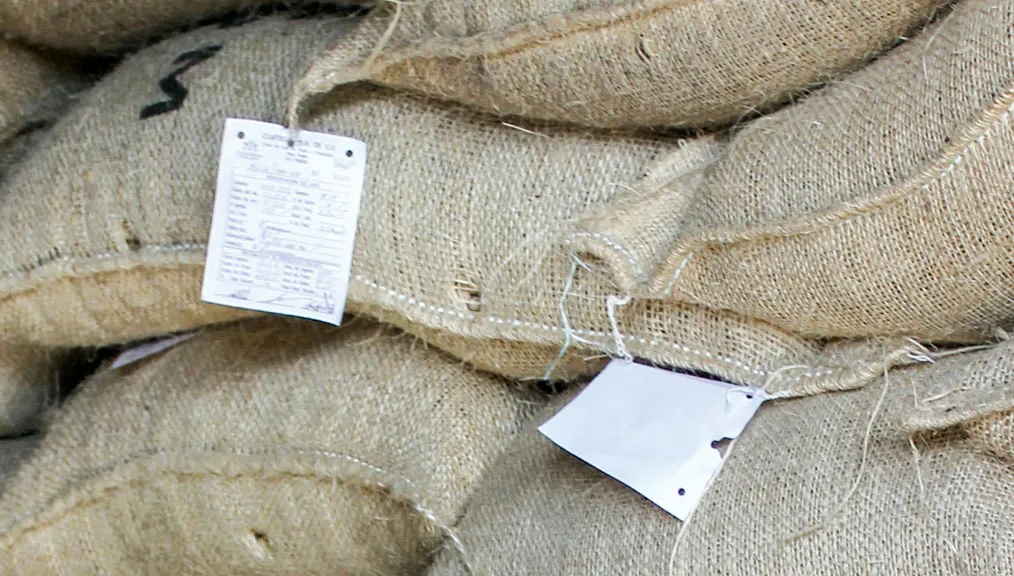
Importing companies are also subject to country-of-origin marking regulations. Every article of foreign origin entering the United States must be legibly marked with the English name of the country of origin, with only rare exceptions. For coffee importers, proper marking depends on the state of the coffee. Green coffee should be marked with the country of origin on the outer packaging. Roasted coffee will need additional FDA labeling requirements, such as nutritional information. All regulations are product specific.
A Timely Opportunity—With Caveats
With the current strength of the U.S. dollar, coffee importing can be a smart and timely business decision. It is not a process to enter lightly, however, as mistakes can be very costly—both in terms of delays that keep customers waiting and penalties that CBP can impose. Customs compliance—integrating your compliance program directly into your logistics processes from the start—has quickly become a priority for U.S. importers.
Importing rules are consistently changing, and keeping up with them is a 365-day-a-year responsibility. CBP's trade transformation places the onus on the importer to do things properly, but it is designed specifically to benefit those who do.