Farm-to-Cup Coffee Shops in Central America Put Local Communities First
In El Salvador and Guatemala, coffee growers are opening their own cafes to serve coffee from nearby farms. These businesses shorten the usual long journey from producer to drinker and give local customers a closer look at how their coffee is made.
By Morgan Hall4 min read
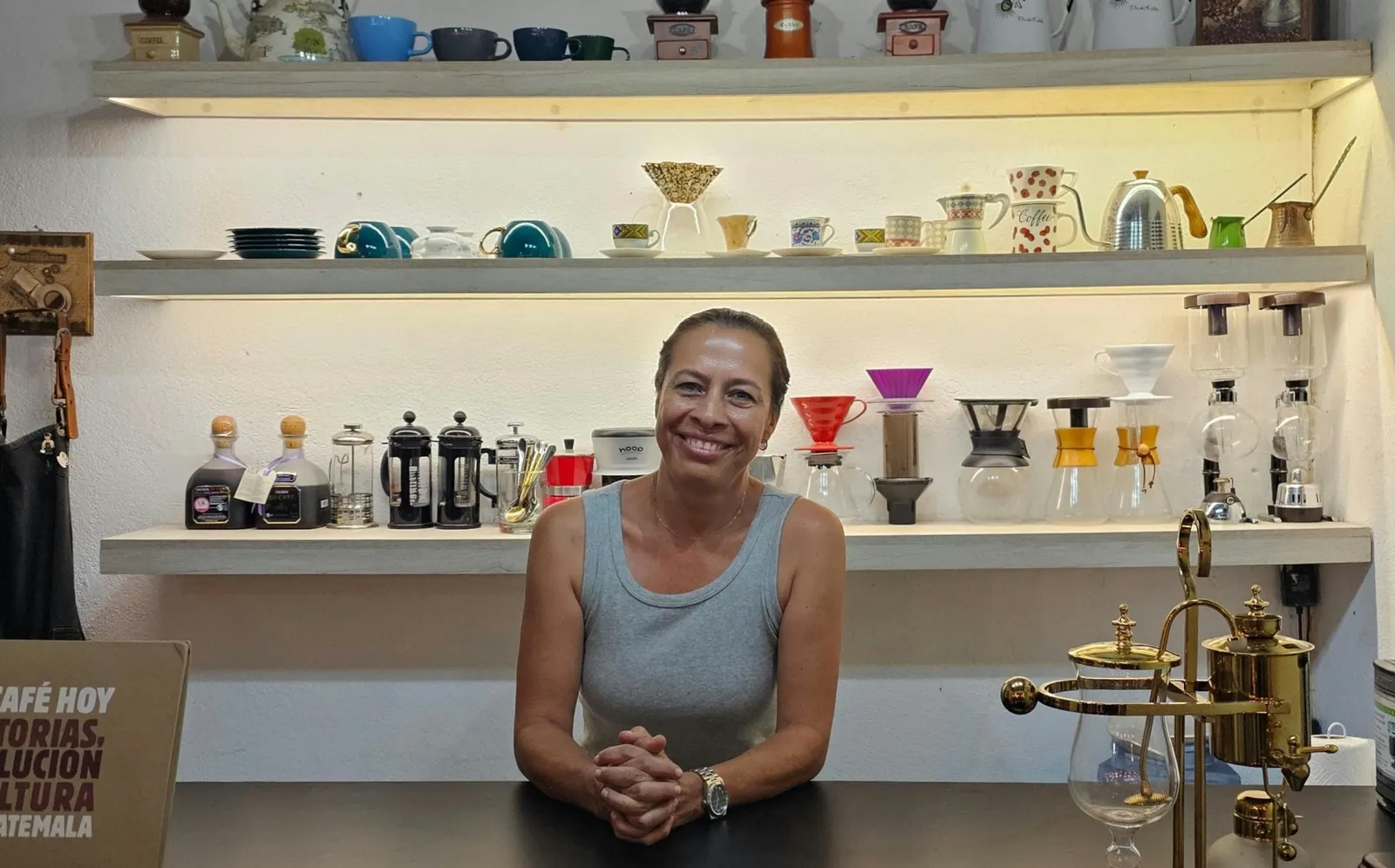
Coffee usually has to cover a great distance before it reaches the cup. Moving from the countries where it is grown to the countries where it is consumed involves a complicated, thousands-of-miles-long process, and the beans typically pass through a tangled web of go-betweens—exporters, importers, roasters, and distributors—each of which adds a markup.
Some growers, though, are trying to shorten that route. They are opening shops and pouring coffee grown only a few miles away, with their own communities as the priority.
Their work is rooted in a very small geographic area, yet its combined effect reaches around the world—particularly as specialty coffee businesses keep appearing in producing nations. What emerges is a more direct link between the people who cultivate coffee and the people who drink it.
A Family Legacy in Coffee
Lily Pacas has spent decades in coffee. A fifth-generation farmer, she was raised among coffee plants in El Salvador. Coffee people may recognize her surname: the Pacas variety takes its name from her family, who found it on their farm in 1949. In 2007 she chose to open a coffee shop called Viva Espresso (the business now operates under new management).
Before the shop opened, Lily went to Portland, Oregon, to sharpen her barista methods and roasting abilities. There she noticed a sizable gap between what professionals in consuming countries understood and the complex work of growing and producing outstanding coffee.
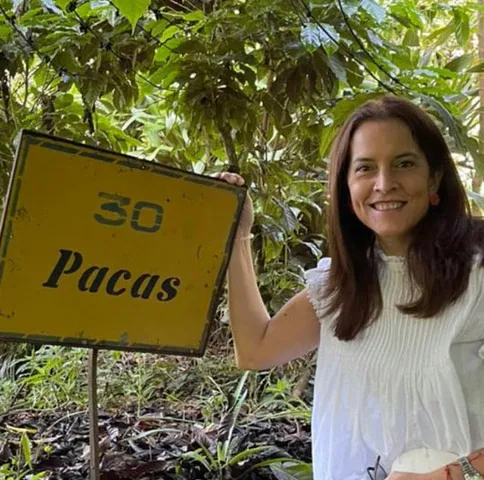
Lily Pacas
As a producer, she also came to see that she had no idea what happened to her coffee after it left her hands. "I learned about what was happening outside and within the value chain, and I saw that people were disconnected," she reflects. "I realized there was a need for better communication."
That realization led Pacas to launch her own cafe, where she could put the spotlight on specialty coffee from nearby Salvadoran farms such as Finca Santa Petrona. Her aim was to close the distance between producers and consumers and to deepen appreciation for the craft behind coffee.
Pacas now treats her role as an industry steward as a serious responsibility. She is a Q grader and has served as executive director of the Instituto Salvadoreño del Café, El Salvador's national coffee council. During her tenure, Viva Espresso added seven more locations in El Salvador. Pacas credits part of that growth to the strength of knowledge. "We embrace the idea that if a country produces coffee, we must be experts in our product," Pacas says.
At Viva, Pacas put barista training first for her staff, sending many employees to represent Viva Espresso in international competitions. The shop has been home to several national barista champions—Pacas herself won the Salvadorian Barista Championship in 2008—and in 2011 Alejandro Mendez, a barista from Viva Espresso, took first place at the World Barista Championship in Bogotá.
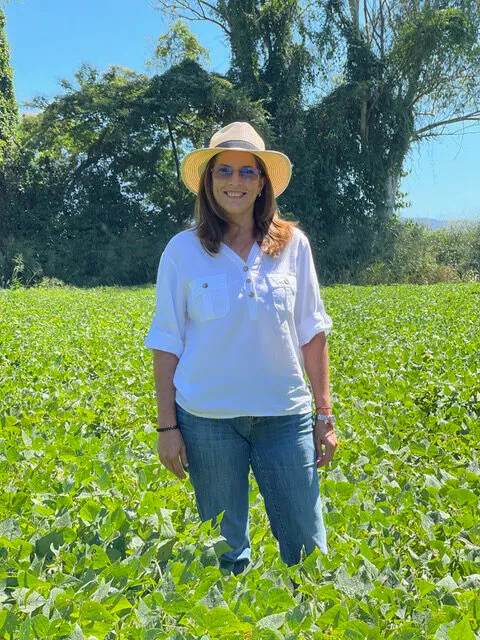
Pacas believes communication can close the gaps in the coffee value chain. "This is the work of creating more local coffee shops; we should all be ambassadors for our coffee locally and internationally," she says. "By explaining to consumers the types of varieties, brewing techniques, and roasting types, we offer the power of information to a consumer experience."
Viva Espresso has nevertheless confronted major difficulties, especially during the COVID-19 pandemic, when many of its stores closed; some of those locations have new owners (though Pacas is involved in some of the management).
One key lesson Pacas drew from running a coffee shop is how much global communication matters. She stresses that specialty roasters should engage more with producers so they better understand the harvesting techniques that directly shape the quality of the final cup. Having widened her own perspective, Pacas urges roasters to do the same.
Sharing Coffee Culture Locally
Pacas has years of experience behind her; Gerardeth Sagastume is new to coffee retail. In 2020 she opened Garden Coffee in Salamá, Guatemala, with the goal of selling coffee straight from her farm, Santa Teresa.
"My experience has been difficult. I started without knowing anything about coffee, and it took me 14 years to learn about cultivation and harvesting," Sagastume says. "It has been challenging from the beginning—figuring out what to do with that small product, then growing it and figuring out how to promote it."
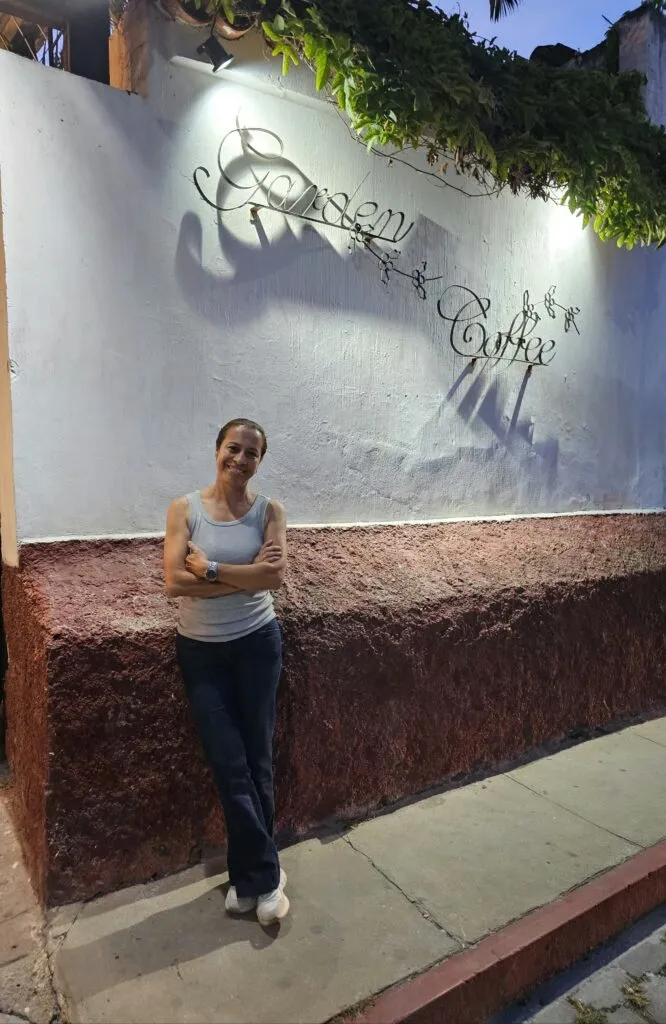
Gerardeth Sagastume
Sagastume began on a modest scale. "I started by selling coffee bags, focusing on the quality of the product, and promoting it door to door, in hotels, and at homes, facing a lot of rejection," she says. "I then decided to open a small coffee shop. I began with a small space and small machines, and now, it's more industrial."
Her marketing approach draws heavily on regional culture and coffee education. The cafe's immersive setting features traditional decor and local artwork, welcoming customers into a garden shaped by Guatemalan folklore.
Sagastume also recognizes how much sharing coffee knowledge matters, and she uses it to attract customers and keep the shop viable. "By taking advantage of having the coffee shop or roastery, another way to diversify and generate income would be to create small workshops for educating local consumers," she says. "These could include tasting sessions, as well as training workshops on how to prepare espresso-based drinks and brewing techniques."
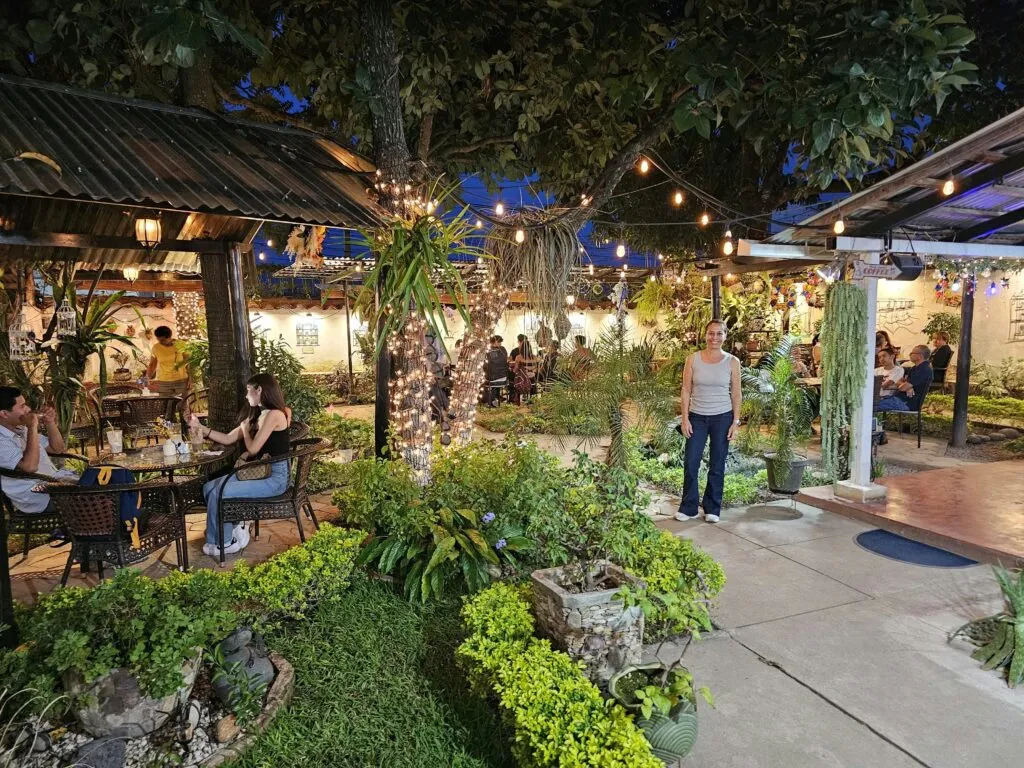
Producers such as Sagastume and Pacas, who have opened their own cafes, are important advocates for local coffee. Because they serve coffee sourced directly from their own farms, they give customers a fresh view of the route coffee takes from farm to cup. The approach does more than promote the product: it creates a space where people can "enjoy a good cup of coffee—a pleasant place, and above all, one where the atmosphere reflects and connects with the place where the coffee is produced," as Sagastume puts it.
In this way, these growers narrow the distance between producer and consumer and cultivate a closer, more personal connection between the two.