Geisha at the Top of the Hill: Notes from Finca la Mula
A climb through Panamanian rain to a geisha farm, a cup poured from airpots, and a question about whether wildness should ever be tamed.
By Toby Mitchell3 min read
A Soaked Arrival
Fifteen of us reached the workers’ house near the crest of the hill, and it was genuinely difficult to judge who had fared worse—the people in raincoats or the people without them. The downpour around Volcán Barú in eastern Panama had soaked the coatless into a sodden mess, even though the jungle canopy overhead was mostly intact. The climb itself, capped by a final twenty yards that forced us to brace our hands on our knees and push through burning thighs, had turned the raincoats into portable saunas. Two Peruvian farmers and an American who runs 100-mile races were the only ones not still gasping at the thin mountain air when Willem Boot, who owns the farm, started telling us about Finca la Mula.
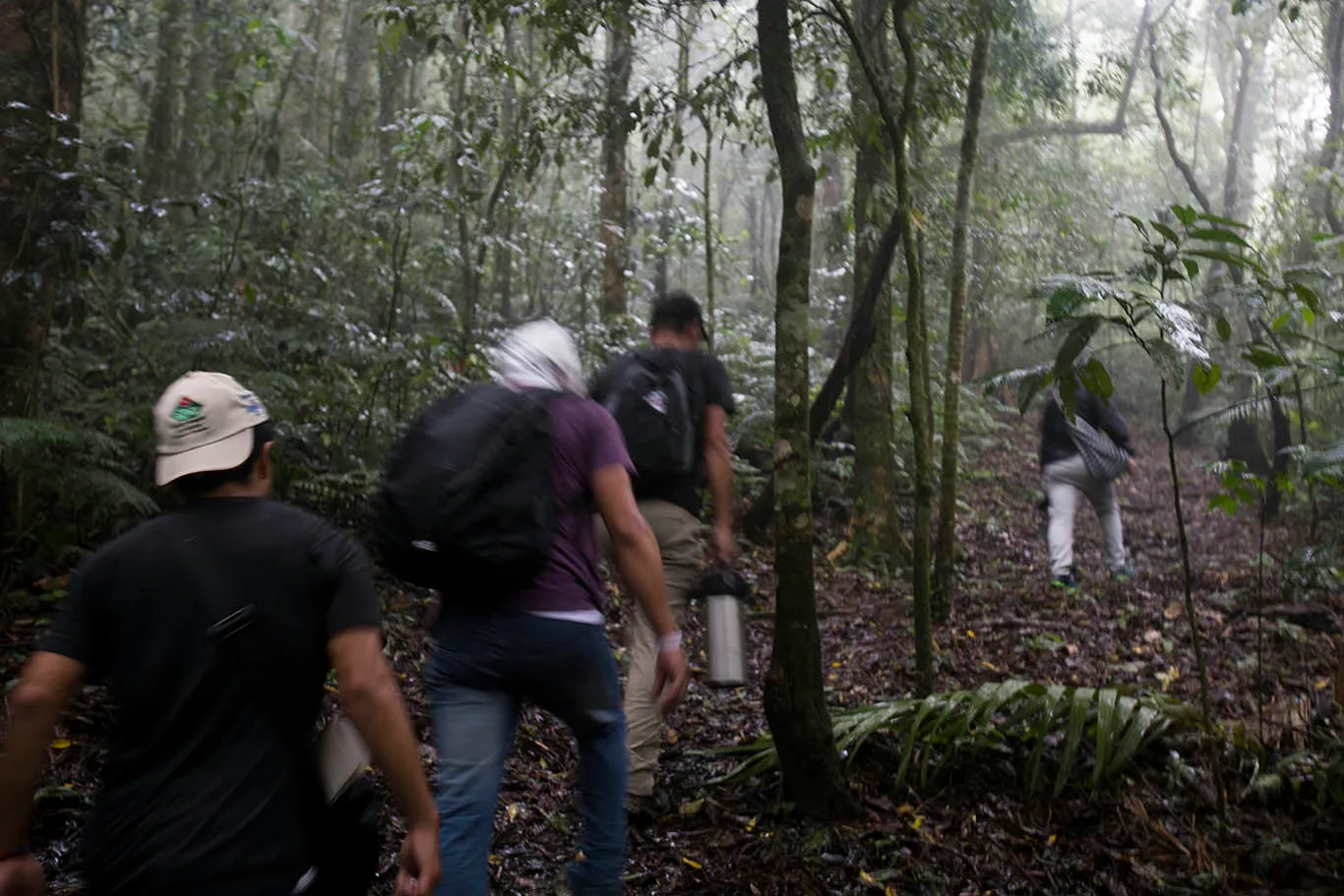
The trail up to Finca la Mula.
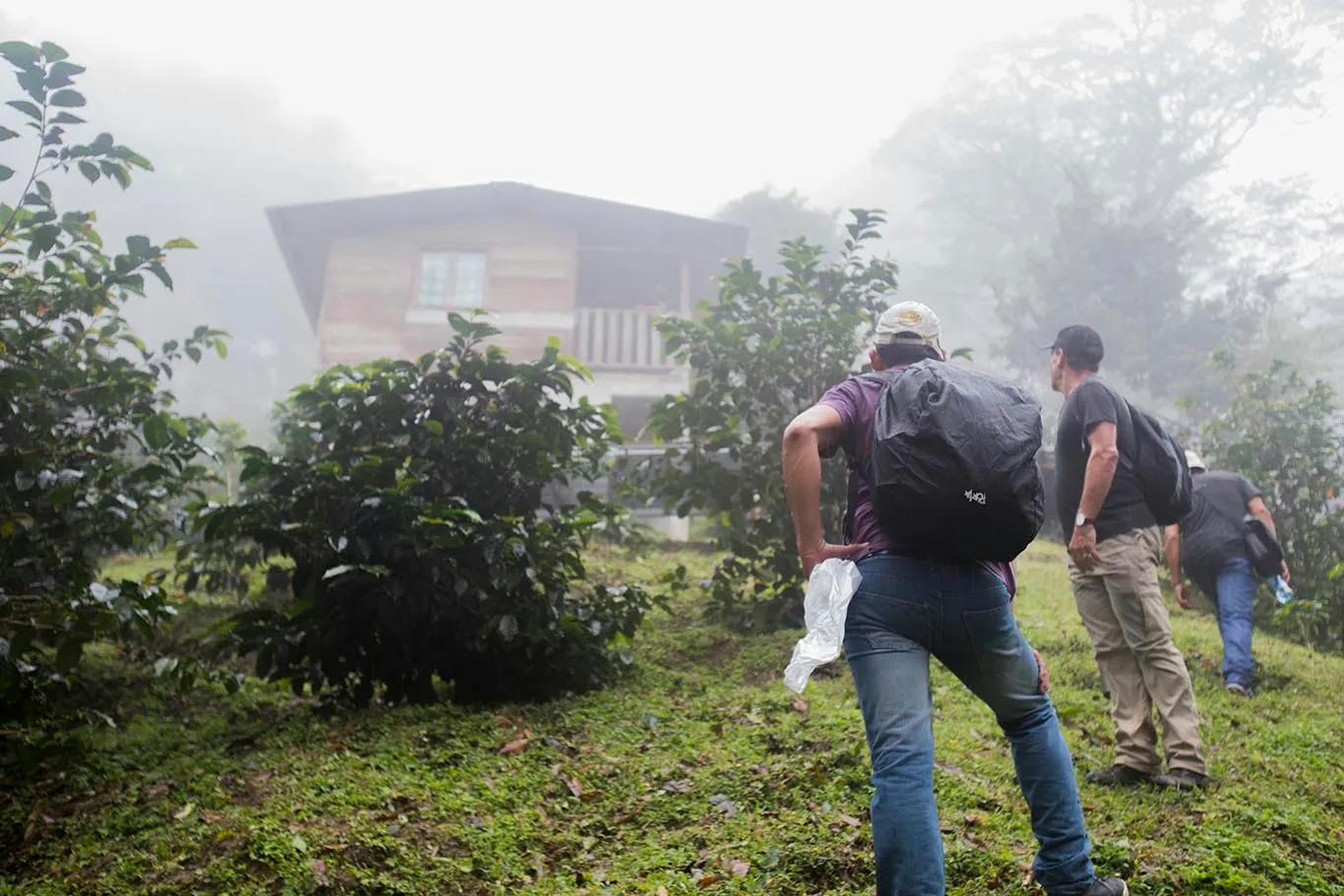
The workers’ house at the farm is surrounded by geisha plants.
What Brought Us Up the Mountain
Boot had spoken about his farm two days earlier, during the conference segment of Let’s Talk Coffee in Panama City. He sat on a panel of growers working with geisha, the half-wild coffee varietal whose flavor has no real counterpart outside Ethiopia and which can bring more than $100 per pound of green coffee. Geisha tends to drive people to distraction, and Boot has been badly afflicted since his first taste in 2004. He was no newcomer to coffee—his father was in the business—but after that first encounter he became a dedicated geisha obsessive. In 2007 he bought the land for Finca la Mula, and he has also partnered in a long-term effort to cultivate wild coffee that he has helped gather from the Ethiopian forests where geisha originated. That year, one lot from Finca la Mula’s harvest—only its second—won the Best of Panama competition and sold for $107 a pound.
The conference’s next two days brought remarkable lectures, excellent coffees, and long talks with some of the sharpest people in coffee, but all of it happened inside a resort hotel. What I wanted was to get up the mountain to Boot’s farm. The journey involved an overnight bus ride whose wheels I was not entirely sure stayed on the ground, a shorter bus leg, and then a four-wheel-drive bus trip that a muddy road cut short—after which we hiked.
A Lecture in Two Languages Under a Tin Roof
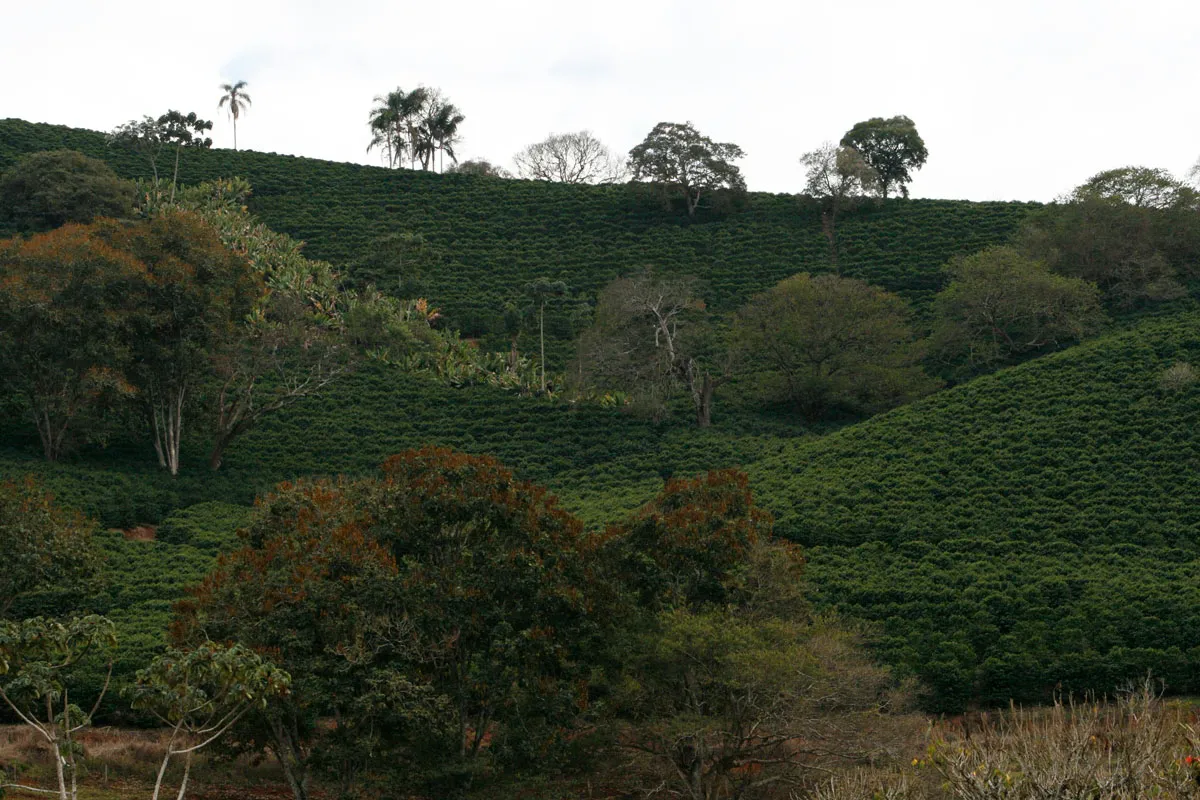
Standing under the tin roof, we caught our breath in a house whose every plank and pound of concrete had been carried up the mountain by men, women, and mules. Almost none of the farm was visible. Boot delivered part of his improvised lecture in English, translated himself into Spanish, then gestured toward a hillside less than forty yards away—where there was only mist and the shadows of tree trunks. Spread across that slope, up and down the hill, were twelve acres (five hectares) of geisha, still green and unripe.
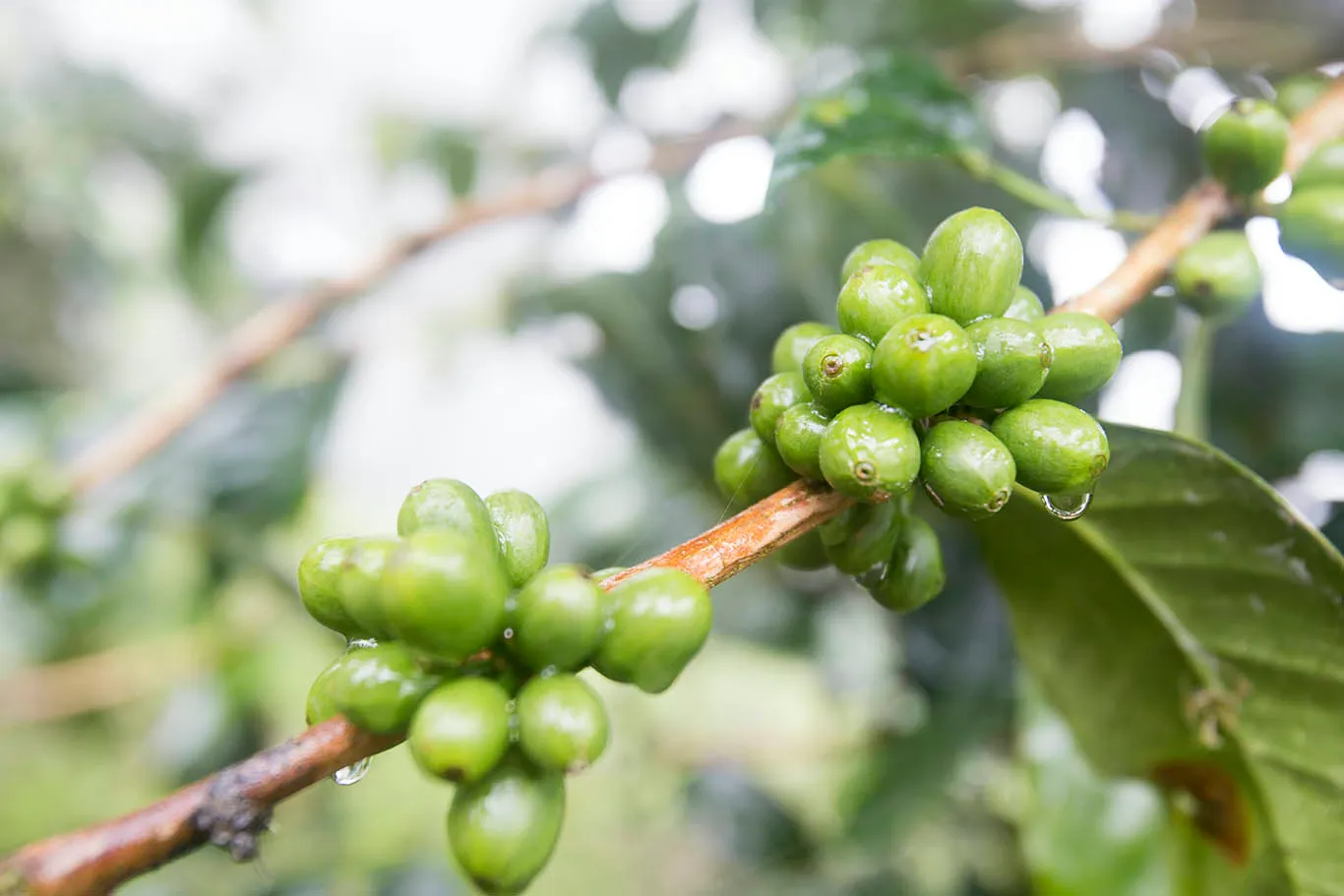
Unripe geisha at Finca la Mula.
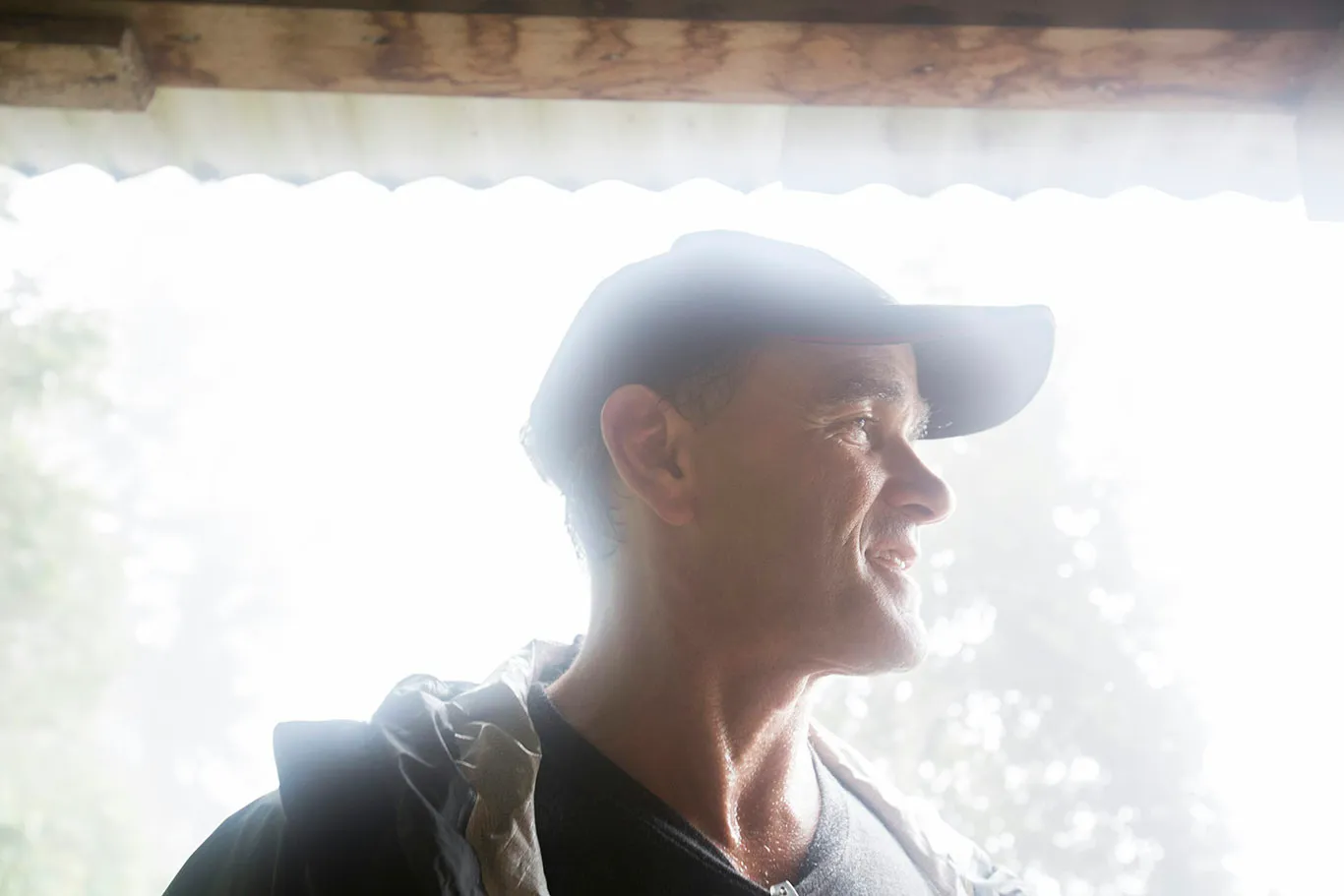
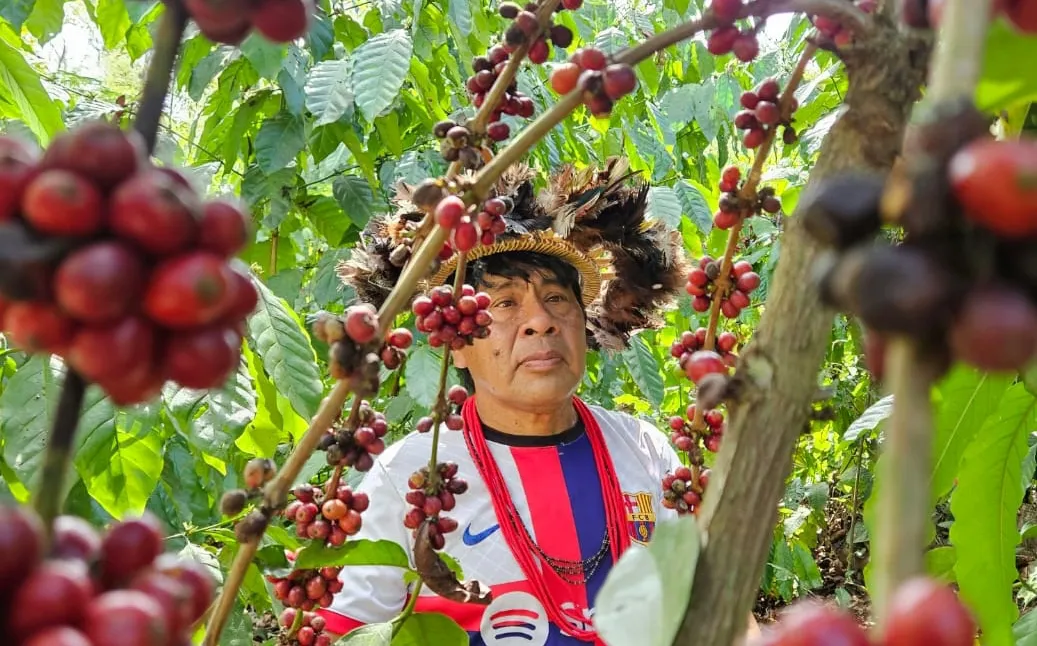
Willem Boot.
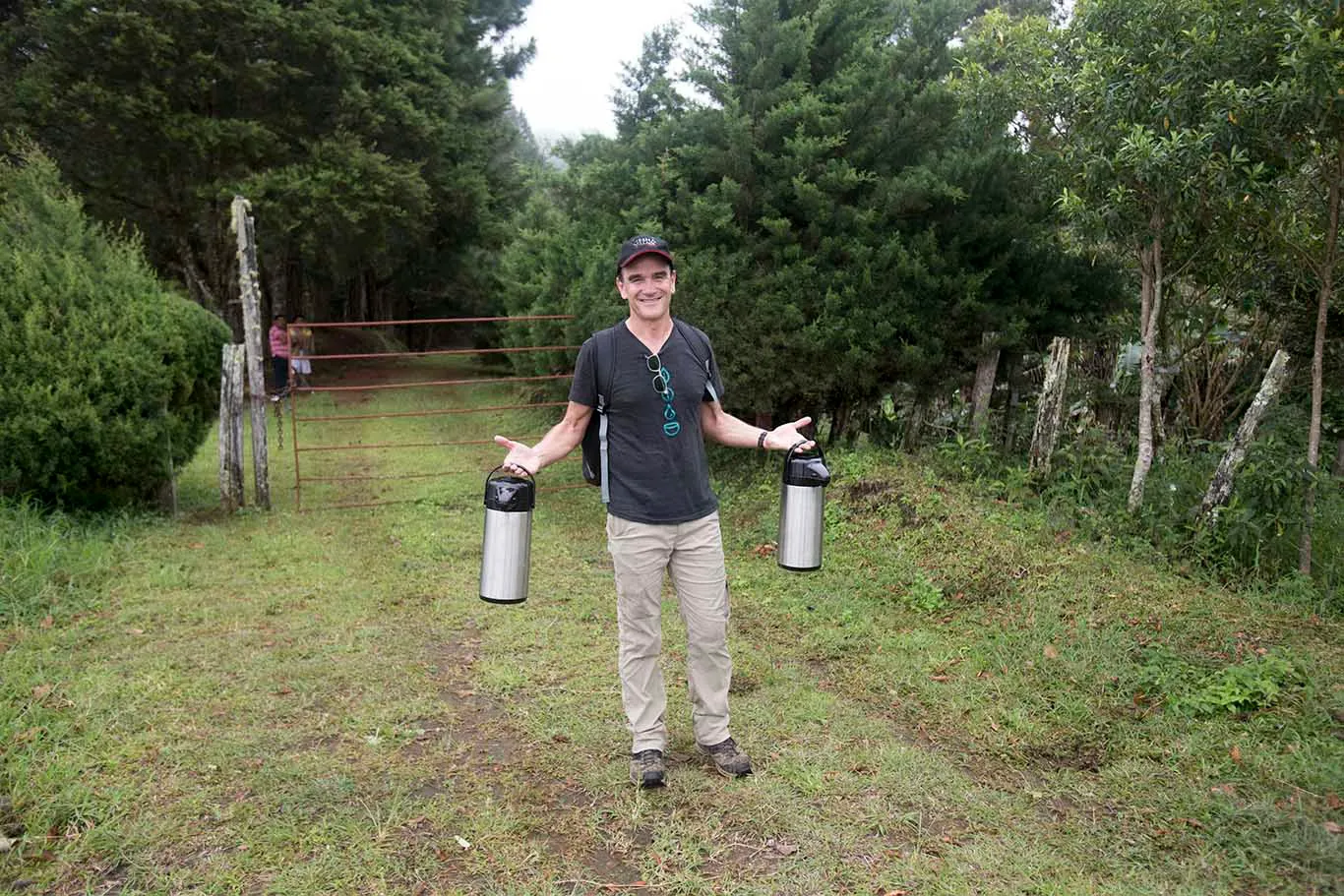
As he described the farm, we poured his coffee from airpots he had carried up the hill. I had taken a ceramic cup from our hotel (and later returned it), but the rest of the group drank from clear plastic cups that the heat of the coffee deformed. Even so, geisha’s characteristic floral bouquet and tropical-fruit finish came through—a combination that, oddly enough, calls to mind the spice-scented rice of Arab cuisine.
Walking the Rows
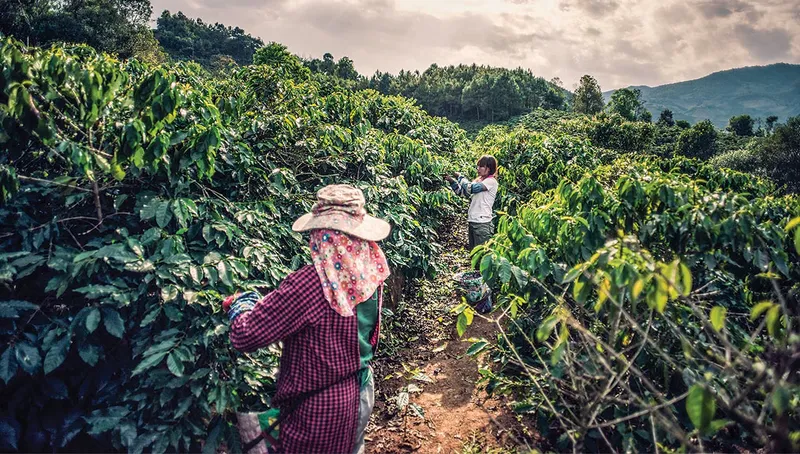
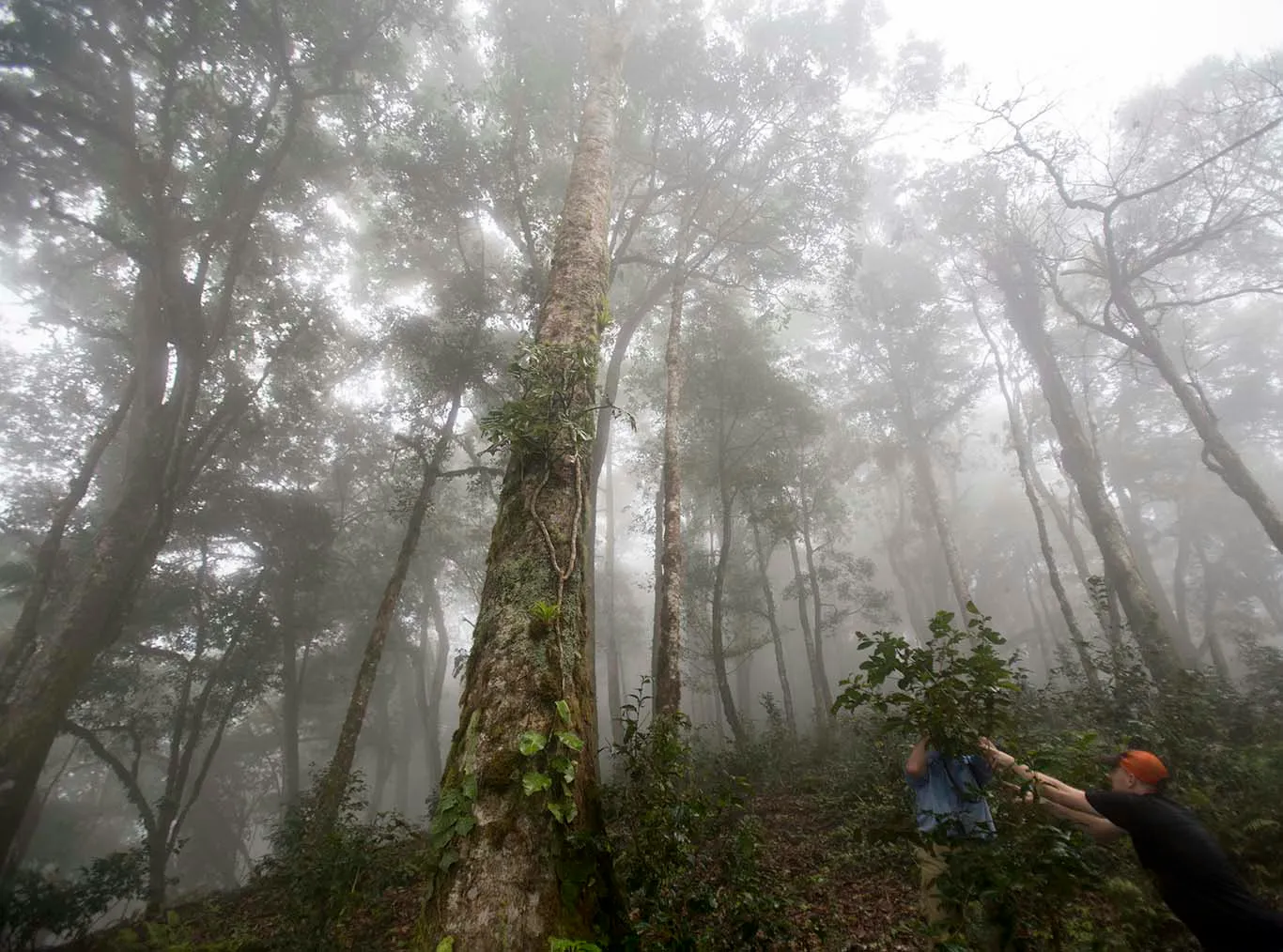
When his talk ended, Boot took us along a narrow path of pillowy but slippery volcanic soil that switchbacked across the hill. The canopy had been thinned only slightly, and native plants grew among the coffee trees. Geisha’s wildness makes it a finicky, mutation-prone plant that often seems to prefer dying to receiving anything short of exacting care. At least once, Boot came close to losing a large share of his plants. He estimates that domesticating geisha will take between fifty and 100 years, though I suspect Boot does not actually want it fully civilized. As Aaron Davis of the Royal Botanic Garden puts it, any organism loses an untold and unintended number of qualities when bred for specific traits. What could be worse than taming something whose wildness is what defines it?
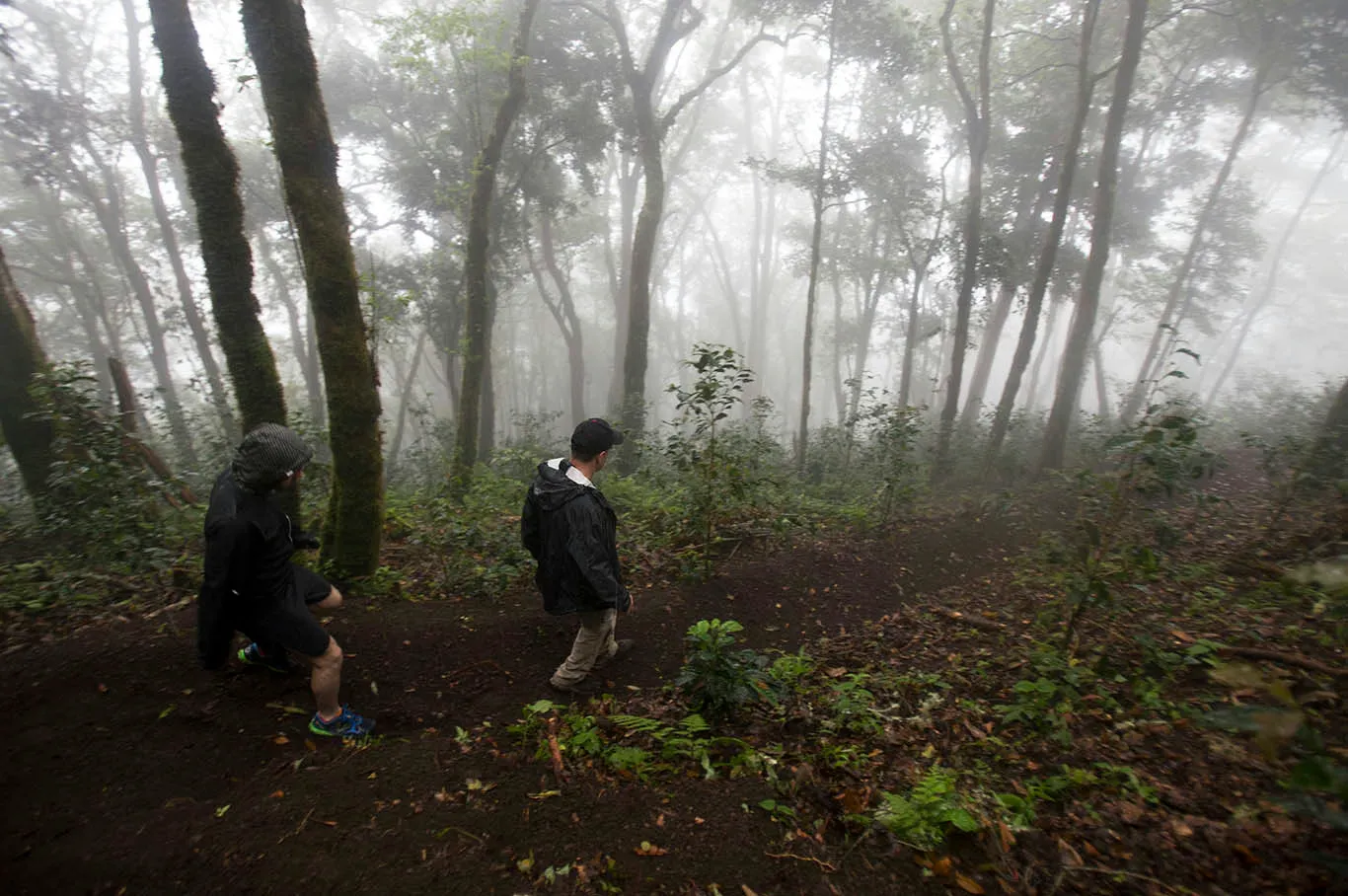
Willem Boot walking the rows of Finca la Mula.
Why the Cup Stayed With Me
When we recall our favorite meals or drinks—that best raspberry we ever had—the memory is usually tied to a striking or at least memorable setting. Falafel outside the Damascus Gate in Jerusalem, cheese in Versailles, salmon in Celilo’s longhouse. Taste depends on the situation as much as on the receptors on your tongue and the neurons in your olfactory bulb. Willem Boot’s geisha, drunk amid rain and mud and sweat at Finca la Mula: how could that ever lose its top spot?