How Collaboration and Experimentation Shape Costa Rica's Coffee Sector
Producers and buyers in Costa Rica are reshaping the coffee trade through joint problem-solving, new processing methods, and a shared drive to improve quality and returns.
By Toby Mitchell4 min read
A Coffee Culture Driven by Curiosity
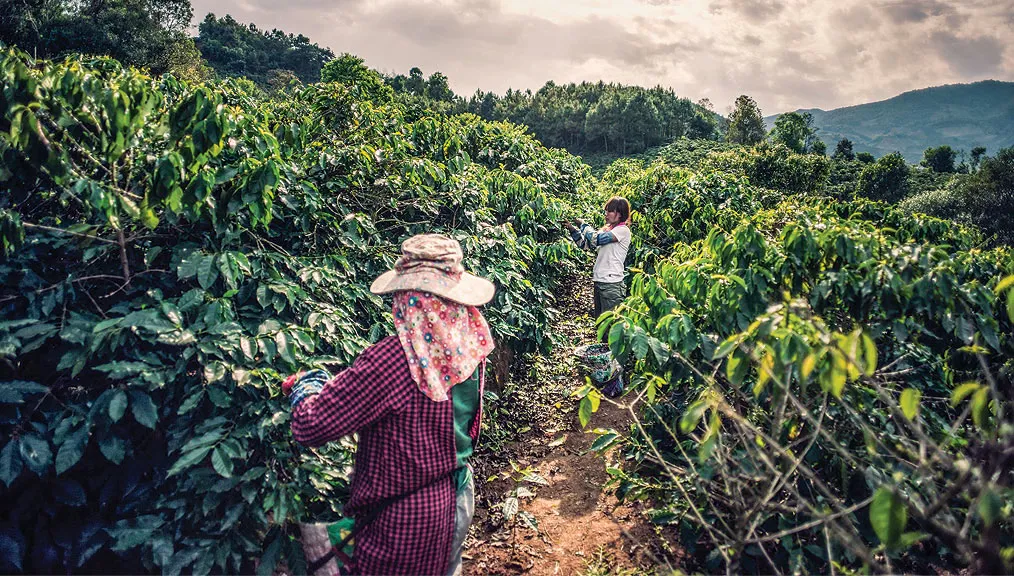
What sets Costa Rica's coffee production and consumption apart is a persistent urge to push boundaries. Many of the country's producers look for ways to better themselves and learn more about coffee—even when their livelihoods already hinge on it—by exploring fertilizer alternatives, pruning methods, different varieties, or processing techniques. At the same time, the global rise of specialty coffee has left its mark on producing countries. Growers have begun adjusting their practices to meet the new and attractive demands of the market.
When Production Responds to Demand
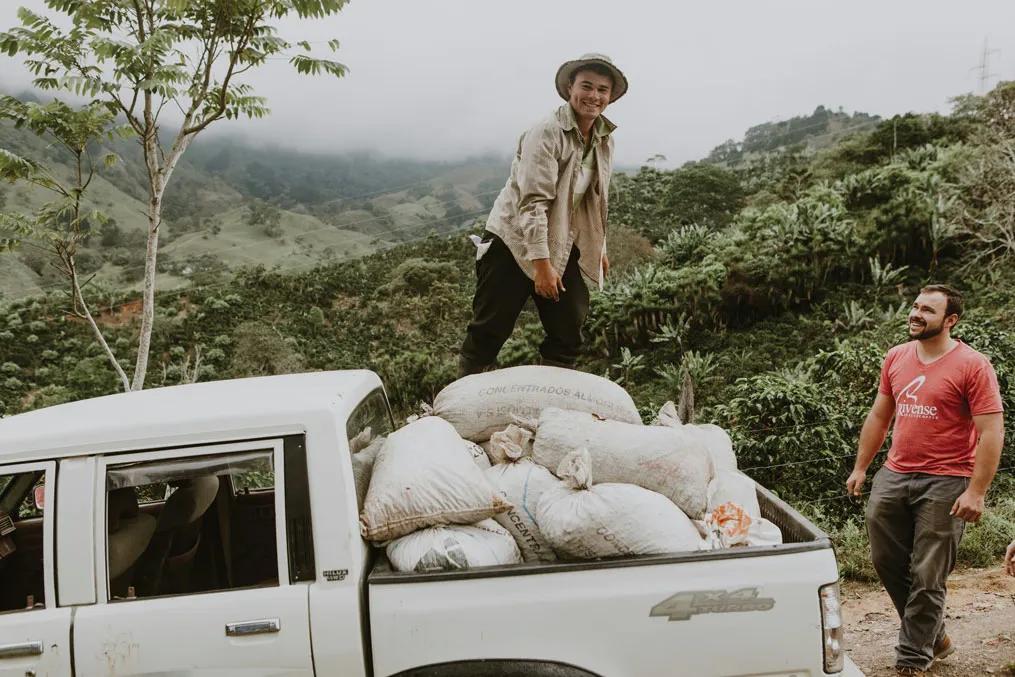
A major factor in how Costa Rican coffee has evolved was a shift in the standard production business model. Traditionally, farmers tended their coffee fields, harvested the cherries, and sold them to large cooperatives or mills that usually applied a fully washed process. Only fairly recently did individual farmers begin processing and selling their own coffee. Cooperatives, needing to keep pace with a changing market, started experimenting with different processing methods and separating lots.
Domestic Demand Shifts
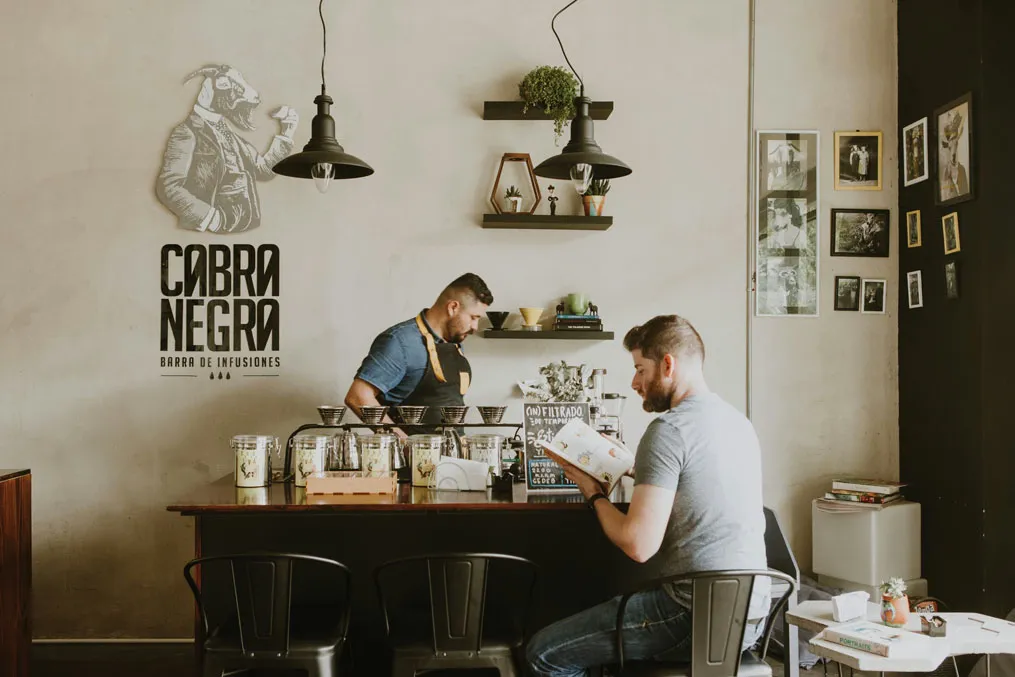
Meanwhile, a handful of dedicated coffee entrepreneurs began to change the country's coffee-drinking culture. The vast majority of Costa Ricans still drink commodity coffee, as in many other countries, but a growing number are choosing to support the businesses these forward-thinking professionals are building. Alongside retail stores and online information, consumers in Costa Rica can select from a wide range of respected coffee courses. Schools such as Asociación de Cafés Finos de Costa Rica, Academia Costarricense del Café, and Musa Lab have led the way with diverse and distinctive offerings. Courses covering home brewing, roasting, and Q Grade training are readily available to most Costa Ricans. These courses have inspired a new group of baristas to leave their mark on the Costa Rican coffee scene.
Jen Kalman of Franco Restaurant, an expat barista who has spent four years in Costa Rica, comments, “All these coffee proprietors are somehow connected to coffee production. You know how integral coffee production has been to the development of the country… Everyone here has picked coffee to help out, lived next to a farm, has a family member who produces, or has studied how coffee shaped their country. So you can see why they would have the utmost respect for farmers and the product itself.”
Working Together to Succeed
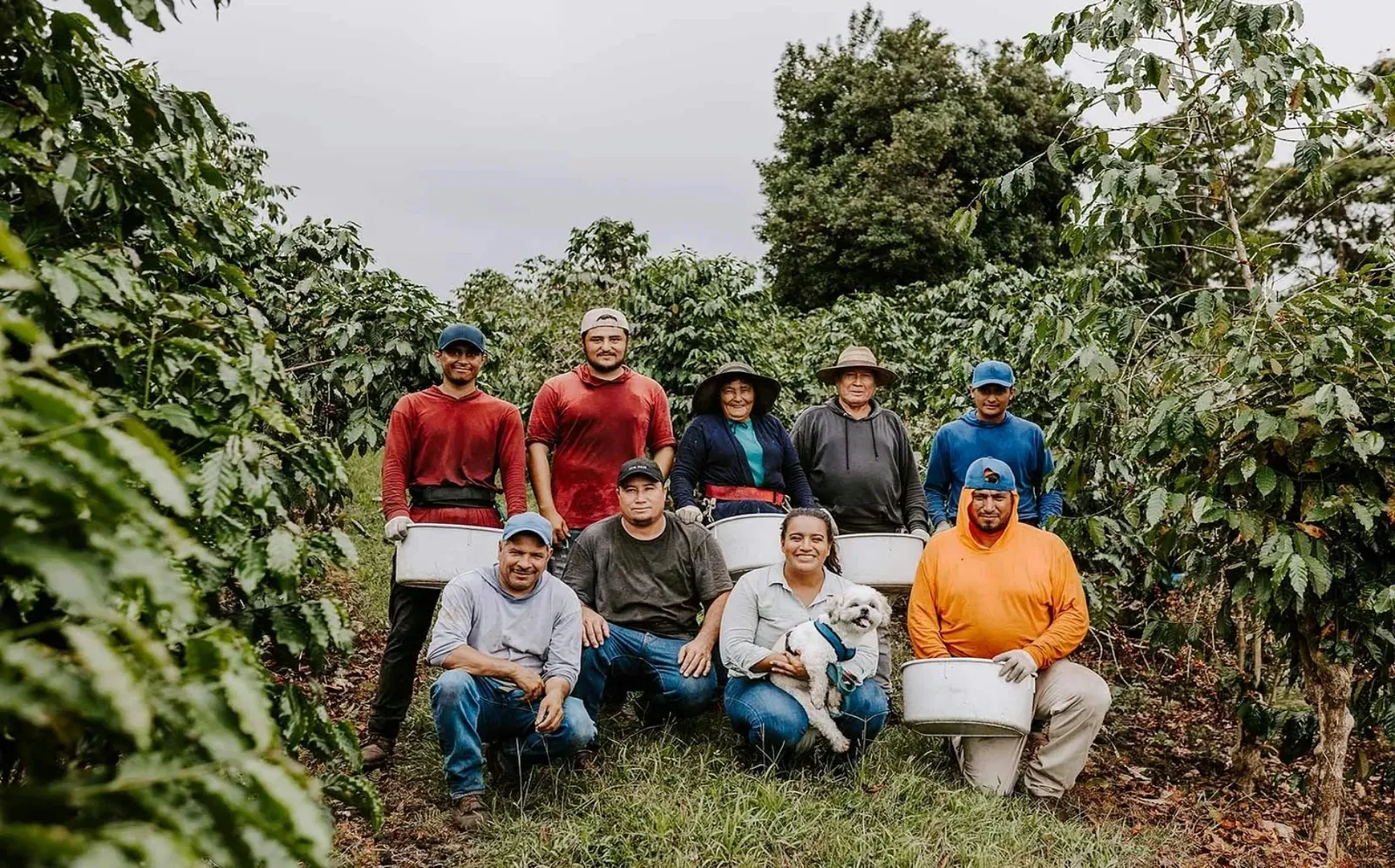
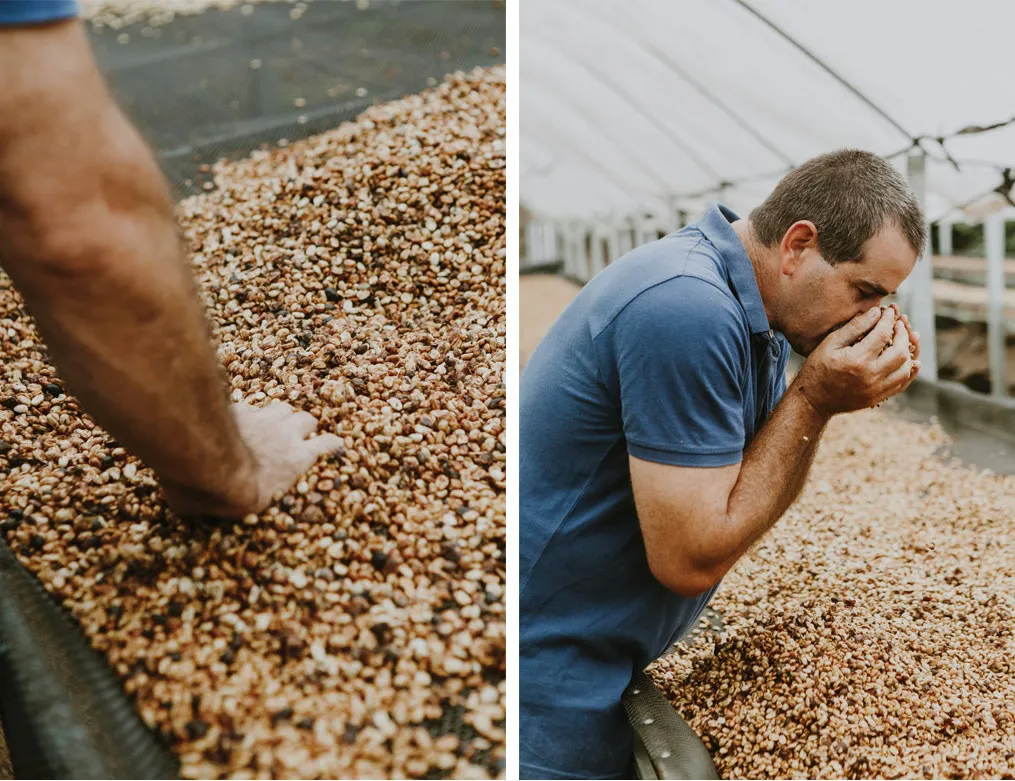
The investments involved are comparable in scale: the new wet mill for the producer and the retail coffee establishment for the barista. Substantial risk is offset mainly by the drive to earn a living independently and the passion to be counted among the best. For farmers, a steady year-after-year demand for coffee in a direct and more lucrative way is highly sought after by various micro mills. Baristas, for their part, are after unique coffees that offer their guests a new experience. When these two needs meet, the result is a symbiotic relationship that lifts the industry as a whole.
Marianela Montero of Don Eli Micro Mill, who comes from a family of coffee producers and has exported coffee under Nordic Approach/Tropiq for four years, states, “Unfortunately, the reality is that the best coffees do get sent to other countries. However, the producers still have seconds (the second-grade coffee that falls through larger screen sizes and higher density sorting machines) that are cupping really well and need to be sold in order to make the most of the production.”
In short, these two links in the chain cooperate so that each can succeed in a volatile market. The only step separating the local barista from the farmer is roasting, and in most cases this has a very small impact. A few farmers with a larger presence in the local specialty market own roasting machines and roast their own coffee. They then sell it to wholesale partners already packed and roasted, which gives them the highest return on their investment.
Often baristas buy green coffee and either rent time on a roaster or have it toll roasted by another service provider. Increasingly, producers are even choosing to open their own retail shops. Overall, these practices give more control over the roasting process and lower the cost of coffee for the retailer while raising the price normally received by the supplier.
Advancing Through Shared Effort
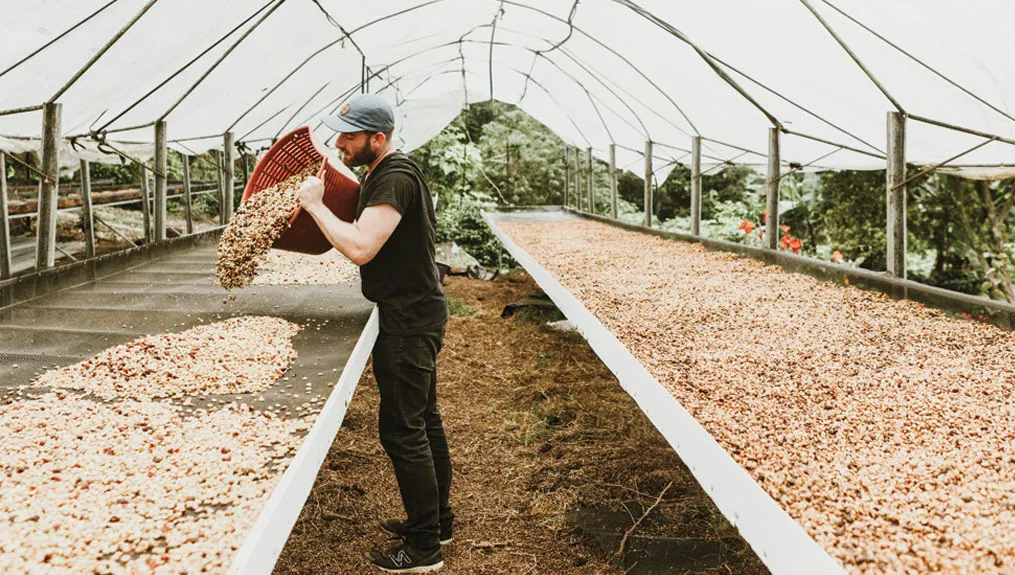
Costa Rica is often credited with originating the honey process, but it might better be described as a “processing innovation capital.” Honey process—where cherries are pulped and the seed is dried in the remaining mucilage—essentially came from a desire to use less water while adding a unique quality to the coffee. Asking a critical question about this part of the coffee process, and being willing to solve the problem, led to this discovery as well as the newer trend of anaerobic processed coffees. The fairly recent anaerobic process involves sealing cherries or pulped seeds in a tank and depriving them of oxygen for anywhere between 16 and 72 hours, causing a controlled fermentation. Some methods even use the mucilage of other coffees or the juice of other fruits in the controlled fermentation.
These new and innovative processes, together with the established washed and natural methods, allow Costa Rica to distinguish itself from other producing countries in terms of the variety of products it can offer. A catalyst for this system of improvement is the influence local coffee buyers have on their producers. Those retailing coffee mostly in the capital city of San José absorb information faster than ever, with ubiquitous internet access and connections to coffee professionals around the world. Often, when working closely with a producer over the years, a buyer can influence and suggest how producers might tweak their production recipes.
Together, buyer and supplier can work around supply and demand to not only move the industry forward but also thrive in a difficult industry.
Read Part One and Part Two of Perry’s Costa Rica series