Inside the Dominican Coffee Story: Quality, Climate, and Local Roasting
A researcher shares insights from a two-week trip assessing how climate change affects coffee farming in the Dominican Republic, highlighting the role of local roasters and the challenges posed by disease and shifting weather patterns.
By Casey Adams3 min read
The Dominican Republic’s coffee may not be widely known abroad, but it stands out for its exceptional quality. What gives this coffee its distinctive character, and why is it so hard to find beyond the island’s shores?
As a volunteer with Farmer-to-Farmer, a USAID initiative that connects American experts with farmer groups in developing and transitional countries, I spent two weeks in January in the Dominican Republic. Working alongside Texas A&M’s Center for Coffee Research and Education, my goal was to evaluate and enhance resource management practices to lessen the effects of global climate change on the country’s coffee output.
While the Dominican Republic is famous for its unspoiled beaches and deep historical roots—it was Christopher Columbus’s first landing site in the Americas and the birthplace of baseball star Sammy Sosa—visitors often overlook that it produces some of the Caribbean’s finest coffee. One reason for its uniqueness is the lack of a distinct rainy season, unlike many other coffee-growing areas.
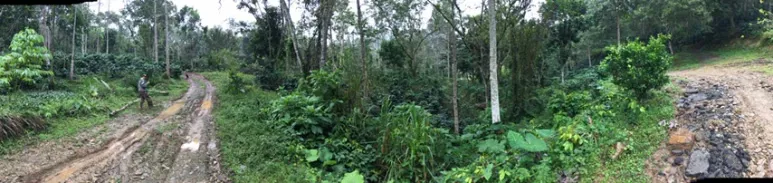
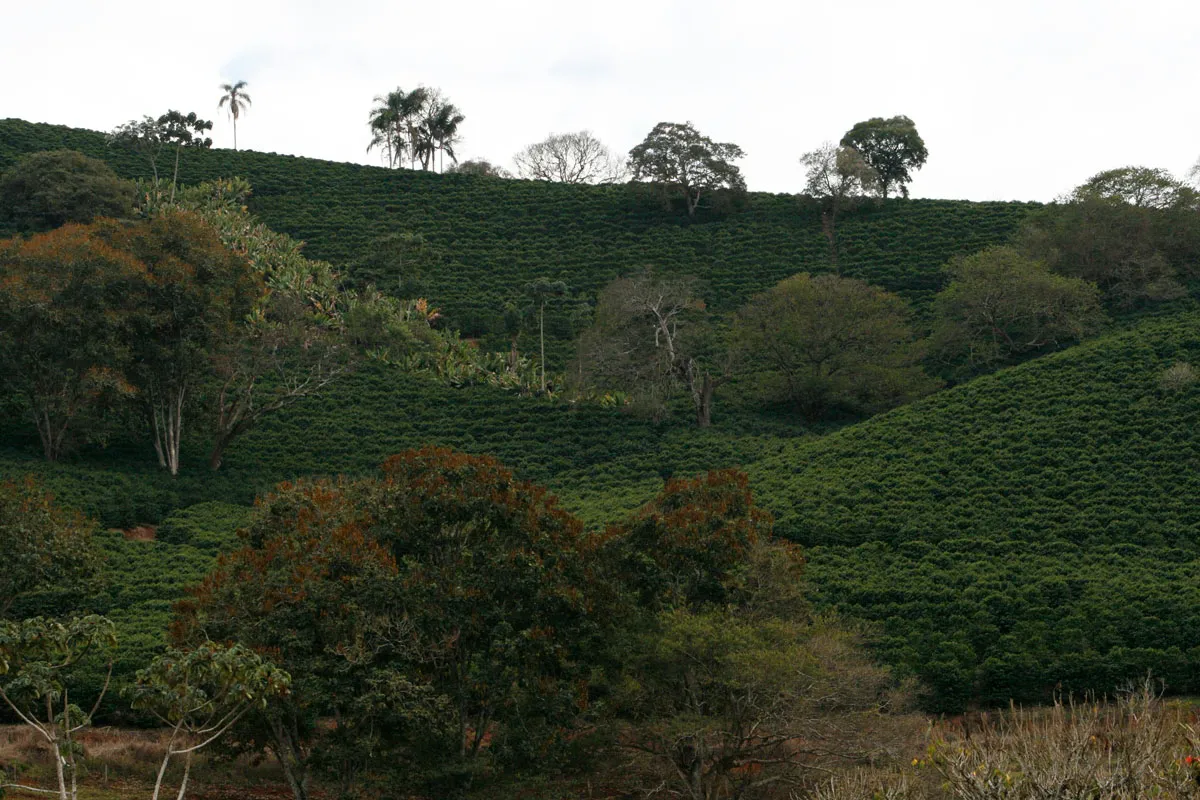
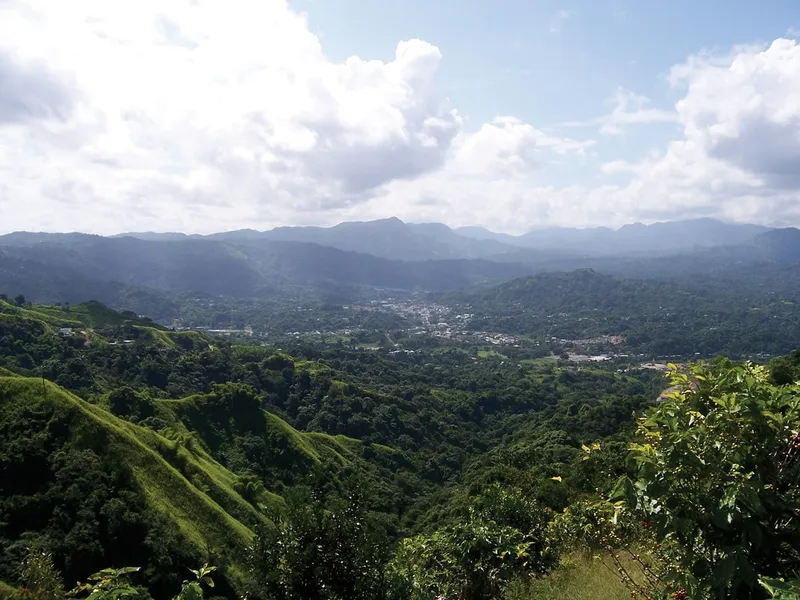
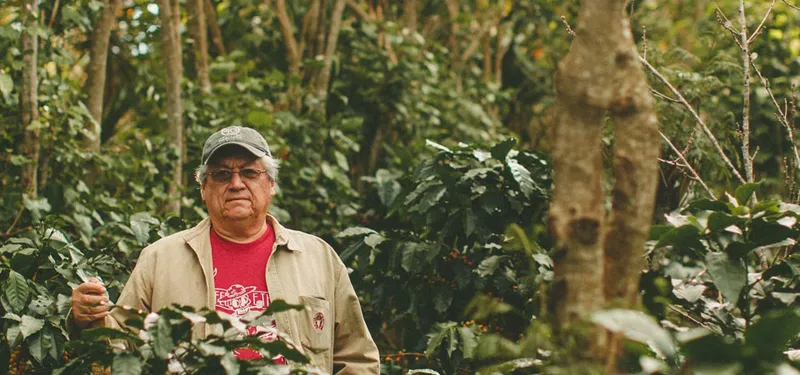
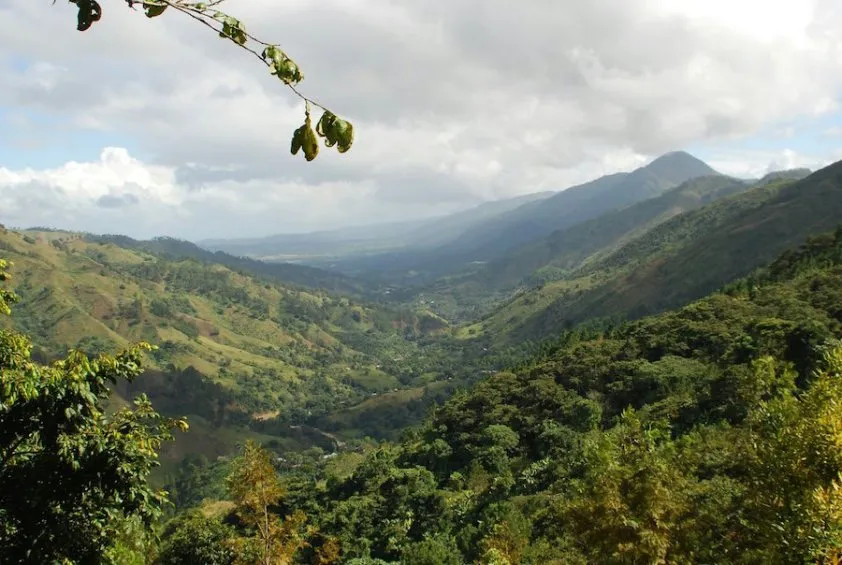
TOP: The Yaque Del Norte River Valley near its headwaters at Pico Duarte, Dominican Republic. ABOVE: Spirit Mountain coffee farm, owned by a fellow Aggie, Chad Wallace, stands as an excellent example of diversified organic coffee production in Dominican Republic.
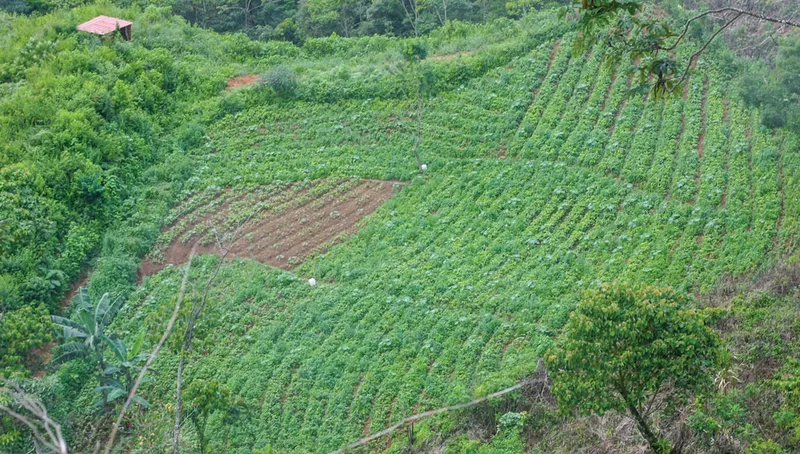
Typically, consistent year-round rainfall allows coffee cherries to ripen slowly, resulting in denser, higher-quality beans. But recent shifts in weather patterns are altering this trait of the Dominican climate. Total rainfall has remained steady, yet it now falls in more intense bursts over shorter periods. This has worsened soil erosion on the steep mountain slopes and led to contamination of watersheds. Consequently, many farmers have switched to other crops. Those who have persevered through these climate challenges, however, are producing some of the best coffee available.
Coffee was first brought to the Dominican Republic in 1735, and today the country’s farms are small—typically under eight acres—and distributed across six growing regions. Dominican farmers almost exclusively cultivate Coffea arabica, usually the typica and caturra varieties. These are highly vulnerable to Hemileia vastatrix, commonly known as la roya or coffee leaf rust, a fungal disease that has caused major crop losses throughout Central America and the Caribbean. Developing and introducing varieties with greater resilience to disease and climate change has become a priority (my research at Texas A&M and the newly emerging Center for Coffee Research and Education focuses on this development).
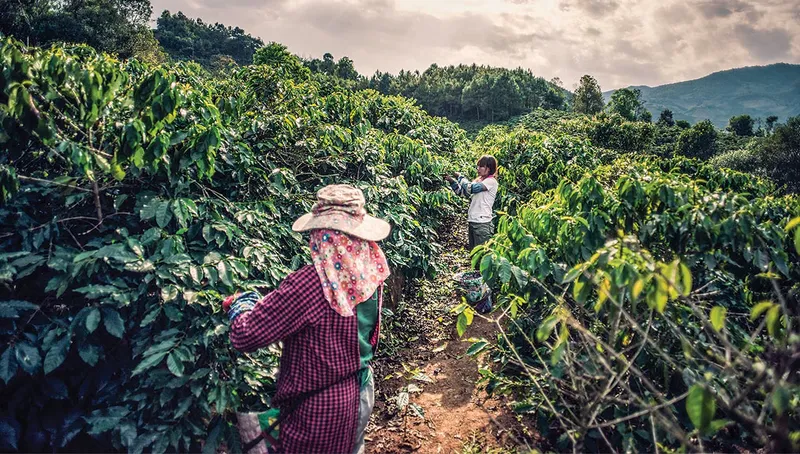
Many farms are struggling because of la roya and very old trees, sometimes up to fifty years old. However, a focus on diversified farms is helping many Dominican farmers recover from this disease epidemic. Most grow coffee under a mix of shade trees, which is important for providing soil cover, reducing water runoff, supporting biodiversity, and creating multiple income streams.
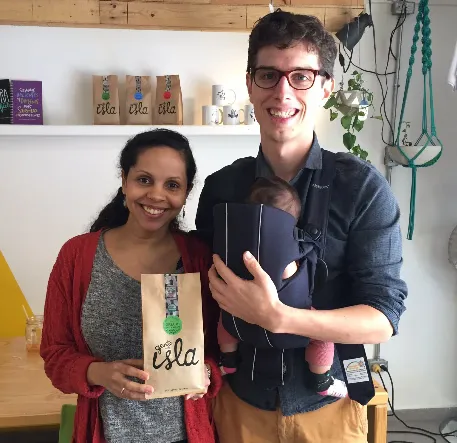
Edouard Beauchemin and Coral de Camps of Gente de la Isla.
Coffee production isn’t the only area with room for growth—the economics of coffee in the Dominican Republic are changing, too. About 90 percent of the coffee consumed in the country is imported from neighboring Latin American countries; the highest quality coffee grown in the Dominican Republic is exported for sale to European markets. The high domestic coffee consumption in-country means great potential for the Dominican Republic to sell their coffee exclusively within their borders until they have increased production to start exporting surplus.
Because of the high rate of importing and exporting, the current commodity chain’s carbon footprint is much higher than necessary. Therefore, identifying opportunities to roast and serve locally is of utmost importance.
Edouard Beauchemin and Coral de Camps of Gente de la Isla are doing just that. They are the first local Dominican roasters to process specialty coffee. Edouard and Coral sell to local grocery stores and coffee shops with the motivation to open their own shop this coming year in Santo Domingo. They are spearheading the specialty roasting market in the Dominican Republic using the highest quality coffee and buying organic beans when available. (Gente de la Isla coffee is now available online.)
As more coffee is retained by local roasters and efforts continue to provide better resources for farmers, the Dominican Republic has much to offer to coffee lovers around the world.