Sorting by Color, Raising Yunnan Coffee's Standing
A look at how a wet-mill color sorter, developed through trial and error with local partners, is helping farmers in southern Yunnan pick fully ripe cherries and lift cup quality.
By Parker Campbell3 min read
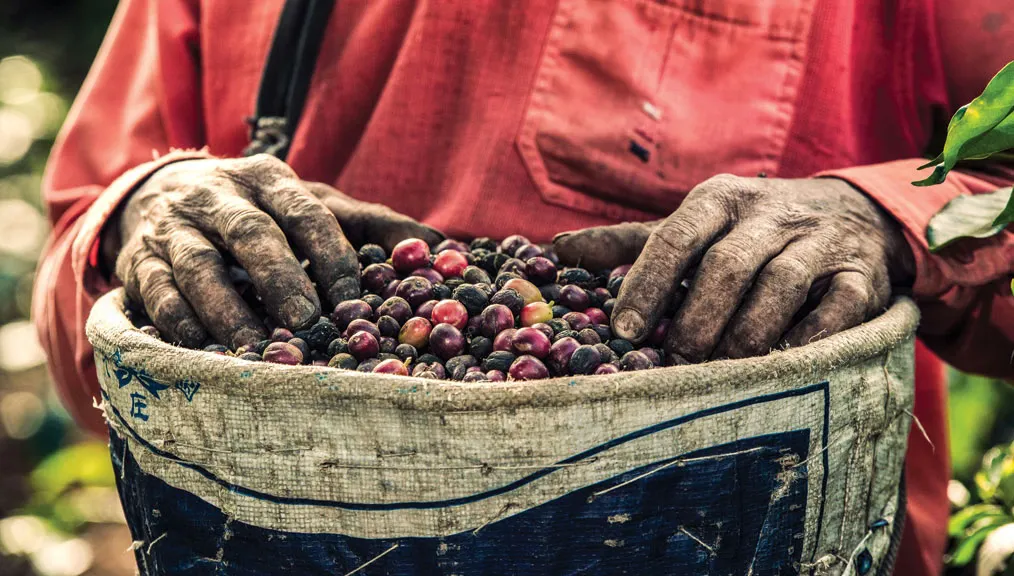
Those who spend their working lives supporting coffee-growing regions end up both watching and taking part in producers' daily lives.
The hard part is not simply understanding how to assist, but putting help into practice in a way that genuinely improves a farmer's work, family, and prospects. For the past eight years, that mission has driven Yunnan Coffee Traders, which works alongside coffee farmers in southern Yunnan.
My own arrival in China came in 2009, as part of an effort to invest in community development in rural Yunnan. As the communities we served began to shift their attention toward coffee, we saw that this promising industry could become a route to community development and to financial stability for low-income farmers in the region.
We started out as learners, studying the details of the coffee business, the geography, and the culture so that we would know precisely how to be useful. Industry bodies such as the Coffee Quality Institute (CQI), the Specialty Coffee Association (SCA), and other leaders gave us an essential educational grounding. The practical details of that framework, though, came from innumerable conversations with farmers in the area.
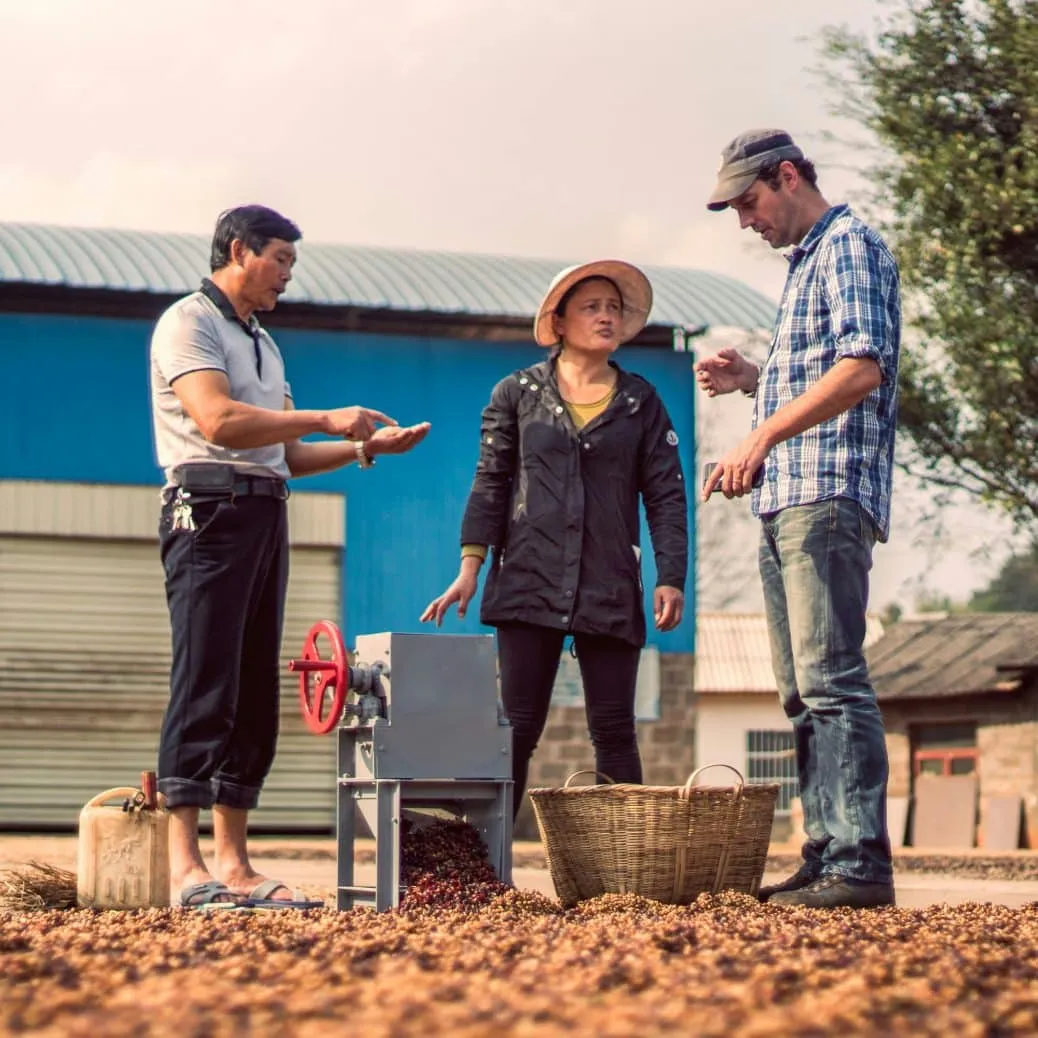
Our company began exporting coffee four years ago, bringing the region's specialty coffees to buyers abroad. Early on we saw several urgent needs: first, a clear understanding of how to produce and evaluate the quality of local coffees; second, a method for determining that coffee's value; and third, new markets in which to sell it. At times some of this work looked like a quick fix when what we wanted was a lasting solution. Gradually, innovation across the whole production process became the engine of our local efforts—no small undertaking, but one we are ready to take on.
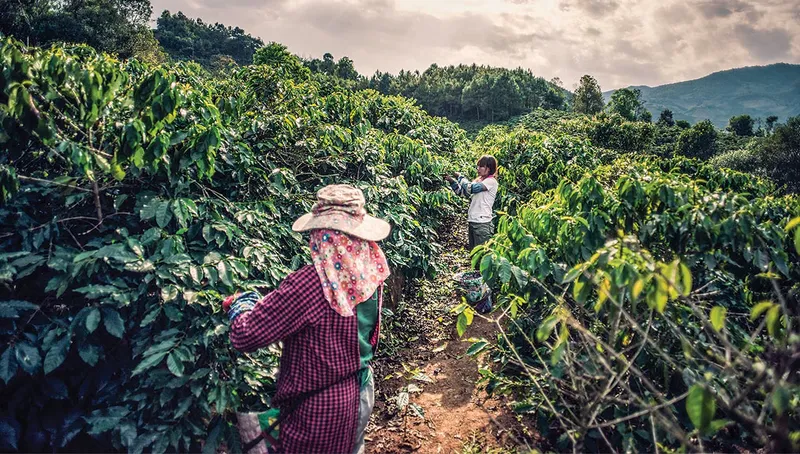
In 2015, I was speaking with our main coffee grower, Mr. Hu (highlighted in our December 2016 issue), about the difficulties facing members of our farming cooperative: they lacked enough time to harvest coffee. Tea, coffee, and sugar cane all demanded harvesting at once. Careful selective picking was hard to sustain, since the day simply did not contain enough hours. We were unwilling to sacrifice the high quality we had reached, yet the reality of limited time had to be dealt with.
Aware that many countries rely on mechanical harvesting, and curious about how they manage this problem, we found inspiration in the color-sorting technology commonly used at the dry mill. We decided to explore what it would take to bring that concept into the wet mill.
A color-sorting machine in action on a mill in Yunnan.
Wet mills elsewhere in the world have used color sorting, but it had never been deployed in Yunnan—and importing the equipment would not be inexpensive. I approached a domestic color-sorting company, described our challenge, and asked whether they had a machine capable of sorting ripe from unripe coffee cherries successfully, quickly, and accurately. We encountered many obstacles: the company had limited coffee knowledge, and conveying what a wet mill actually looks like in operation was difficult. The sorter needed to be waterproof and simple to operate, and it had to cope easily with the dirt and debris that inevitably appear.
After more than a year of research, development, and adjustment, we introduced the first commercially viable color-sorting technology for wet-mill use in China. We believe there is room for improvement, but the initial runs look amazing—and the coffee is excellent. Indeed, our naturals this year have consistently cupped among the best coffees in Yunnan. Farmers are already bringing their cherries to our mill for sorting and asking when they can install a sorter at their own mill.
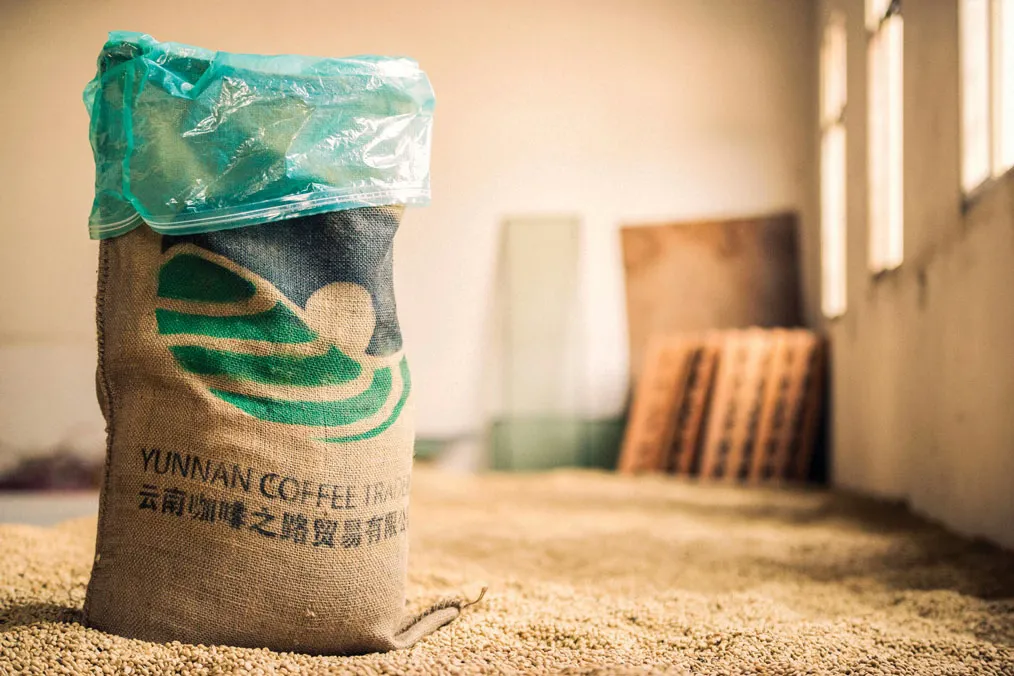
Putting the color sorter to work has made it very clear that this kind of technology can help farmers overcome many of the obstacles they face when they try to raise quality by using only fully ripe cherries. Even so, we are continuing to work with the manufacturer to raise the volume processed per hour and to offer machines at different price points. Our hope is that smallholder farmers and large plantations alike will be able to obtain this technology at a price they can afford.
In the end, we believe that raising the quality of what farmers produce opens the door to higher revenues. As our company keeps building acceptance for Yunnan coffee in foreign markets, we expect more and more opportunities worldwide for high-quality coffees from this region.