Wholesome Grab-and-Go Fare Finds Its Place in Cafés
Café operators are increasingly stocking substantial, healthful ready-to-eat options to meet customer demand for convenient, quality food.
By Dakota Watson5 min read
For years, café food has lagged behind the care lavished on coffee and tea. While beans and leaves are traced from farm to cup with reverence, the food case has often been an afterthought—at best a display of local pastries, at worst a neglected jar of stale biscotti. Although many shops now source premium local baked goods, a proper meal made of satisfying, nutrient-rich items remains uncommon. To fill that gap, producers of healthier ready-to-eat foods are showing retailers the potential of substantial yet hassle-free fare.
Companies focused on healthful grab-and-go project a youthful vibe. The homepage banner of Sweet Earth Natural Foods reads, “Heyyyyyy, enlighten up, man.” Scrolling down, visitors see terms like “plant-based,” “Non-GMO,” and “California,” along with a simple promise: “The burrito abides.”
That tone is humorous, wellness-oriented, and distinctly Californian. But its growing presence in the ready-to-eat category is not to be dismissed. More companies—both established and new enterprises eager to enter the health food market—are built on similar values, promoting qualities some call healthy and others go so far as to call enlightened. With consumers seeking both convenience and better-for-you options, a new kind of grab-and-go case has emerged.
The same customers who expect coffee to be traceable to its farm of origin apply a similar ethos to food, looking for sustainability, fair sourcing, and organic ingredients. Granola and protein bars have become café staples because they are one of the easiest ways for retailers to meet this mindset. Affordable and conscientious bars by the register are the first line of defense for any café aiming to offer more “real food” and fewer sweets and starches.
Jesse Malman, who handles public relations for protein bar maker Probar, defines “real food” as protein-rich and plant-based. The plant-based concept appeals to vegans and health enthusiasts alike, as it eliminates calories and ingredients from animals and those formulated in the lab. But for Probar’s makers and many seeking healthful food, sustainable and plant-based nutrition is also a philosophy.
“Somebody can pick up our product and know pretty quickly that they’re getting a high-quality product made with real food and sustainable ingredients,” Malman says. “Whereas when somebody picks up a pastry or another item in a coffee shop, tracking where that came from and what’s inside of it just becomes more and more difficult.”
Oatmeal is another avenue for reaching health-conscious customers. On-the-go oatmeal cups from companies such as Modern Oats and Umpqua Oats incorporate nuts, fruits, and seeds for a filling breakfast that requires little to no effort from the barista. Both brands use groats—minimally processed rolled oats—for firmer texture and higher nutrient content than instant oats. The easy-to-prepare cups simply need hot water and a stir. Oatmeal is a healthy, nonperishable option that travels well and pairs nicely with coffee and tea.
Ready-to-eat meals pose different challenges. Sandwiches and salads are standard cold-case items, but the inexpensive ones are often tasteless, made with less than ideal ingredients.
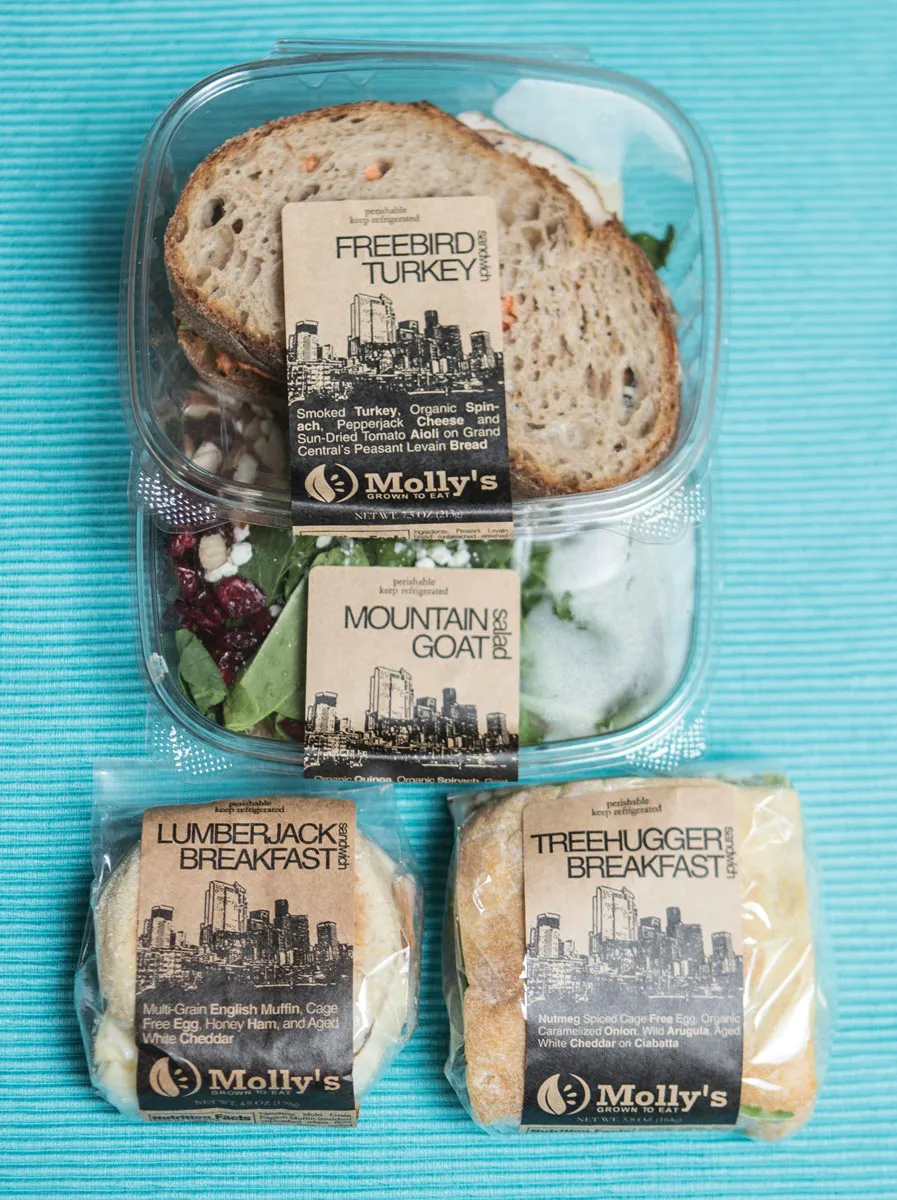
While working in downtown Seattle—an area dense with high-end coffee and tea—Stefan Kalb lamented the lack of healthy, convenient lunch options. Disappointed by the food near his tech job and inspired by his friend Molly, who had addressed similar frustrations by making artisan salads for her entire office, he launched Molly’s, a wholesale prepared-foods company.
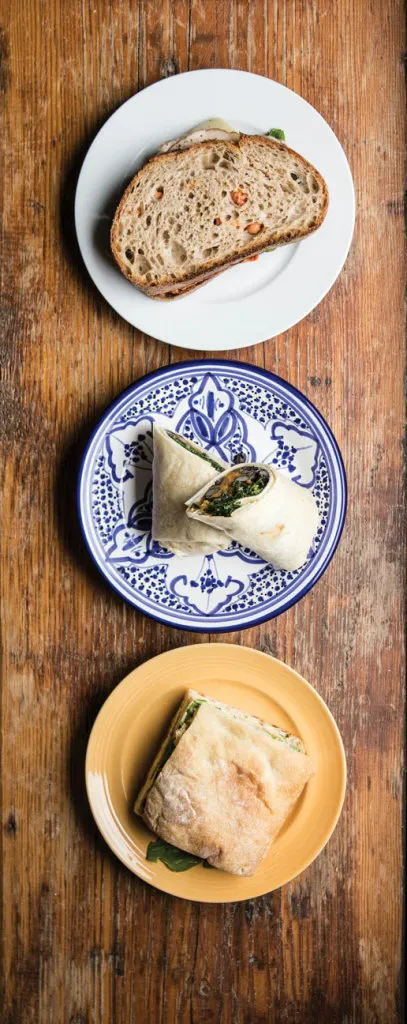
Since its launch in 2009, Molly’s sandwiches, salads, wraps, and granola bars have become so widespread in Seattle’s café scene that the specialty coffee food desert there is fading into memory. Capitol Hill retailers such as Victrola and Bauhaus benefit from a personalized food program that is low hassle. Molly’s makes the items, delivers them, stocks the shelves, and tracks inventory. The company even buys back what it doesn’t sell within its narrow peak-quality window and donates that food.
“When we started there wasn’t really anybody that was doing what we are doing,” Kalb says. “Most everyone was making sandwiches as cheap as they could. We went to coffee shops and the adoption was pretty phenomenal.”
For Molly’s, keeping cafés stocked with customized orders of fresh food requires extra time and labor, but the payoff is huge in a market that demands the ease and quality its business model offers. Sweet Earth has seen a similar surge in demand. The company, born on California’s Monterey coast, now ships burritos, sesame bars, and vegan burgers to shops across the country.
“Our products give retailers a chance to offer consumers something that has high protein, high fiber, and the phytonutrients you get from vegetables. I think it really is important to offer a healthy breakfast along with coffee and tea,” says Sweet Earth owner and CEO Kelly Swette.
While the company pokes fun at itself with surfer-speak branding, the “enlightenment” it jokes about and its coastal charm remain inherent in its products, which are mostly vegan and organic, infused with local and global flavors, and handcrafted near Big Sur. Swette is acutely aware of the shortage of healthy, portable fare.
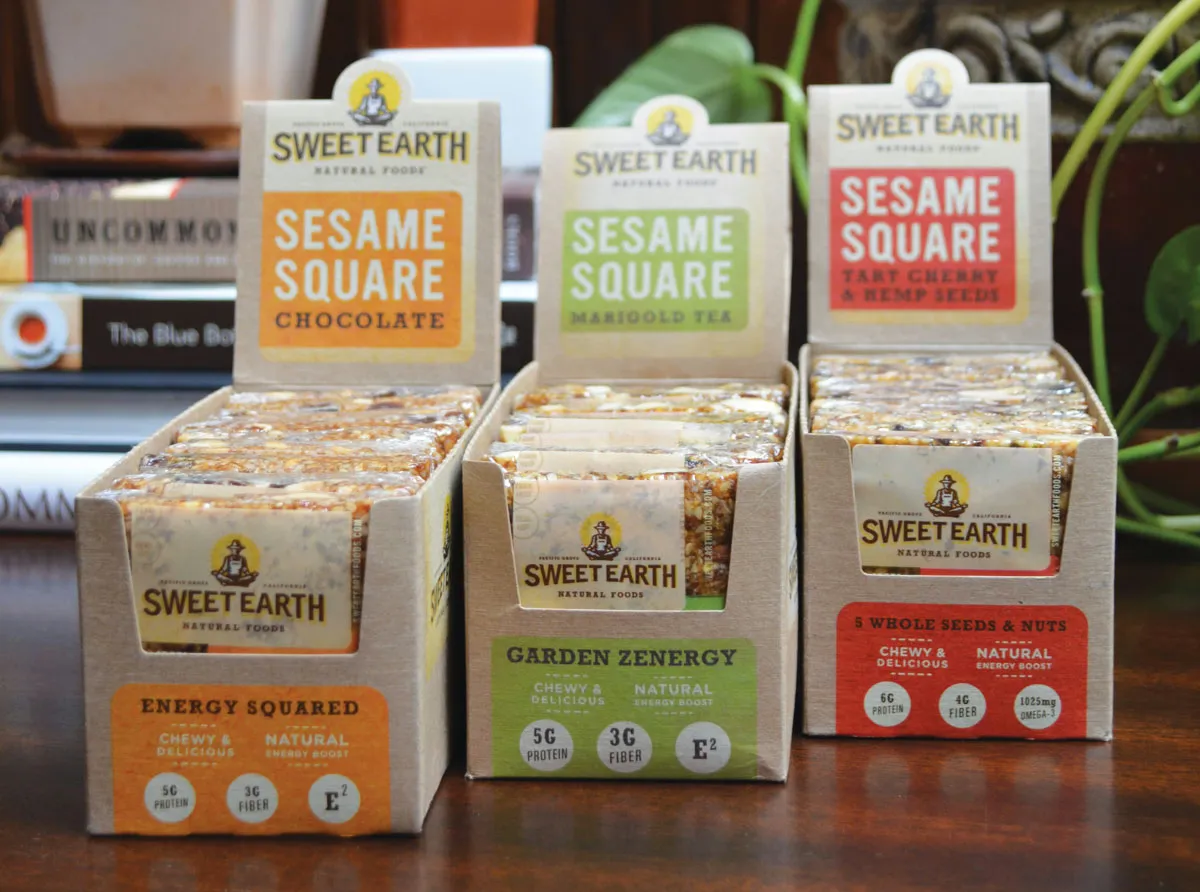
“Portability is essential,” she says. “That’s how we ended up getting to the product lines that we carry, we recognized that breakfast is changing, people have less and less time, they want something healthy, and there are very few options.”
Sweet Earth addresses the move away from the standard carbohydrate- and sugar-rich snack, as well as changing palates, with items that incorporate more adventurous ingredients like lentils, curried seitan, goat cheese, and spirulina. One of Sweet Earth’s best-selling burritos in San Francisco is the Kyoto, featuring adzuki beans, bok choy, edamame, and ginger.
More traditional flavors in a similar style are available in Burrito Kitchen’s all-natural burritos, which come in gluten-free and vegetarian varieties, appealing to the growing share of consumers with allergies or restrictive diets. There are various ways to reach hurried, hungry customers, and microwaveable burritos are among the easiest to ship and prepare.
The café has long been a place of indulgence—whether coffees and teas from distant lands, rich pastries, or sugary caffeinated drinks. But as consumers rethink their tastes and opt for food that is hearty and wholesome, sustainable, earth-friendly, and a good match for coffee or tea, the café menu is changing. Small steps—such as adding oatmeal, selling protein-rich snacks, and offering kombucha among ready-to-drink options—will excite customers seeking to feel healthier. Yet substantial, convenient food will bring them back for breakfast, lunch, or dinner, not just an afternoon pick-me-up.