CBD in Your Cup: What to Know Before You Sip
Researchers and beverage makers explain how CBD fits into coffee and tea, what labels really mean, and why dosing and sourcing remain unsettled as oversight lags.
By Elliot Green12 min read
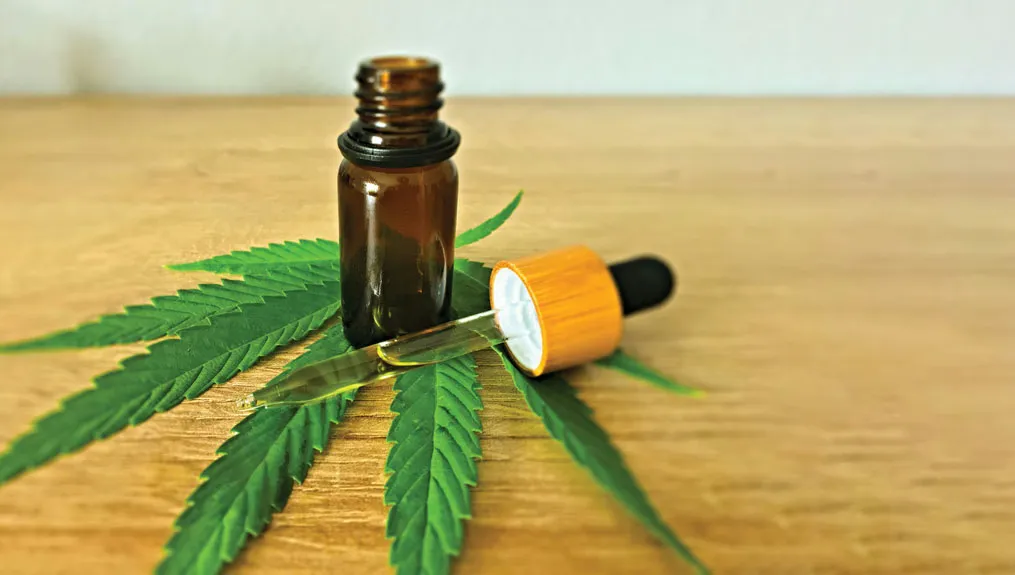
CBD moved from niche shelves to everyday drinks — but the details still matter
It can feel as though cannabidiol, better known as CBD, appeared on packaging almost instantly, turning up in everything from face creams to dog biscuits.
According to the Brightfield Group, a market research firm focused on cannabis and CBD, the category had grown into a $4 billion industry by the close of 2019 — a 560 percent jump over the prior year — and was projected to reach $22 billion by 2022.
Within specialty coffee and tea, CBD's expansion has been brisk. In states where it is permitted, many cafés have begun listing it as a drink add-on, a way to earn a little extra on each beverage while giving customers something new to try.
Will CBD settle in as an ordinary menu item, or fade as a passing fad? Industry brands and researchers explain how CBD and beverages can work together, what shoppers should consider before buying CBD products, and what the current CBD drink market looks like.
Laws governing CBD and cannabis are in flux. Nothing here should be read as medical or legal advice.
Where CBD comes from and how it is regulated
To understand CBD, it helps to start with its source, how the body responds to it, and what can legally be sold in the United States.
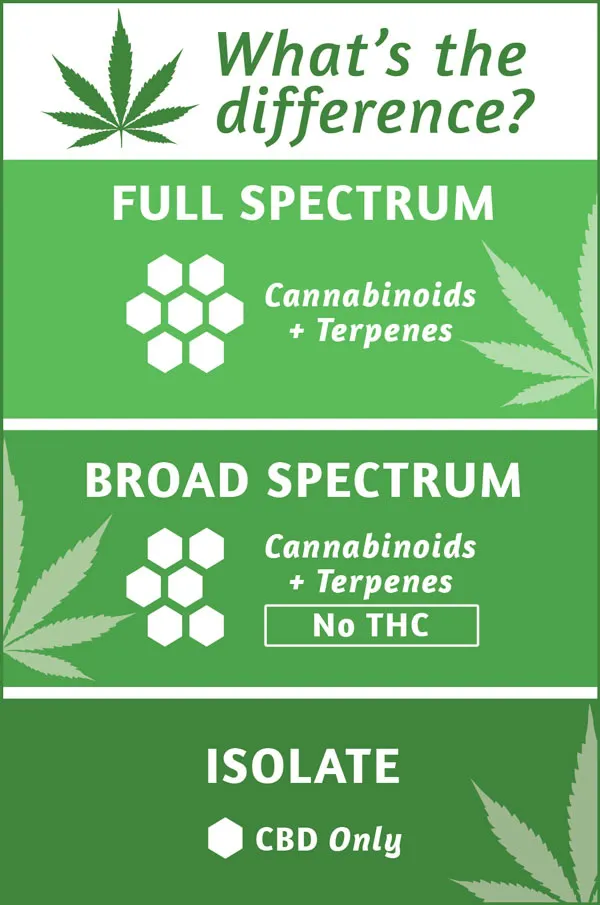
CBD has two possible origins: hemp plants, yielding hemp-derived CBD, or cannabis plants, yielding cannabis-derived CBD. On a molecular level the two look identical, and biologically they behave the same way. Though CBD is drawn out of these plants as an oil, it reaches the market in many formats — gels, oils, gummies, and supplements among them.
THC (tetrahydrocannabinol) and CBD both act on the endocannabinoid system, which helps regulate mood, appetite, and sleep. For a CBD product to be legal federally, it must contain less than 0.3 percent THC — the compound in cannabis responsible for the "high" feeling.
The 2018 Farm Bill, passed two years ago, made the sale and production of hemp and its extracts legal, provided they stay at or below that 0.3 percent THC threshold; anything above it is treated as cannabis, which remains federally illegal in the United States.
Put simply, CBD sold commercially under federal law must be derived from hemp.
The entourage effect
Zoe Sigman, based in Portland, Oregon, is a cannabis researcher and science editor for Broccoli magazine. She previously served as program director at Project CBD, a nonprofit that promotes and publicizes research into CBD's medical uses, and she regularly discusses cannabis science with patients, medical professionals, and consumers.
After working in coffee, Sigman moved into dispensaries and began her own research as a budtender, prompted by customers bringing her hard questions about cannabis and chronic illness. Early on she encountered a study of cancer patients who had not responded to opiates; prescribed a medication combining isolated THC and CBD for pain, they found the combination outperformed either compound taken alone. With hemp-derived CBD now legal, consumers often ask a related question: can CBD work without THC?
Yes, Sigman says — but it doesn't "have to."
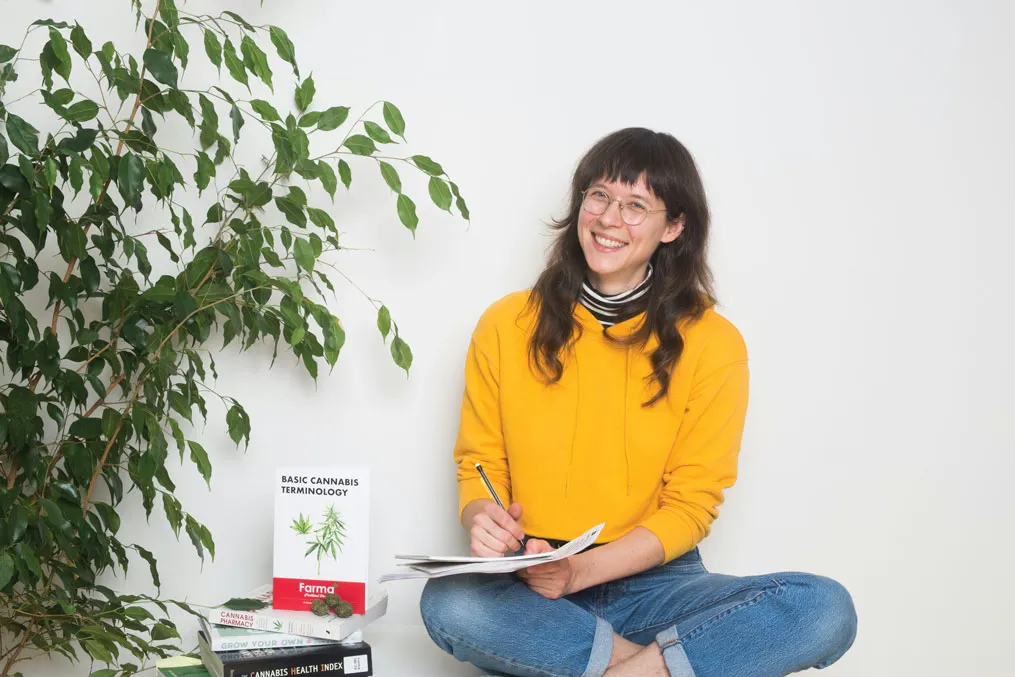
Zoe Sigman
"There is this theory called the 'entourage effect': that the sum of all of the active compounds in the cannabis flower working together is greater than individual compounds alone," she says. "That is not to say individual compounds are not effective—they are, but when you combine them, there is significant synergy."
Labels typically state CBD content in milligrams, yet an effective dose can vary widely from one person to the next. Researchers and physicians have not settled on dosing guidelines, and that gap shows up in the concentrations found in products. It also explains why the CBD per serving in caffeinated drinks ranges so broadly: no standard dictates how much to add.
"Caffeine reduces the expression of adenosine receptors, which are responsible for us feeling tired," says Sigman. "High dosages of CBD, on the other hand, can activate them, making us feel tired."
CBD might blunt some of caffeine's stimulating effect, but both compounds likely remain active in the body to some degree. More research is needed to understand how CBD and caffeine interact.
Labels lead the story
Then there is the marketing language.
Many CBD brands describe their products as "non-psychoactive." Neurologically, however, CBD has well-documented anti-anxiety properties that affect the mind, so it is inherently psychoactive, Sigman says. A more accurate claim would be that CBD is "non-intoxicating" — it will not produce the high that THC can.
Companies adopt scientific terminology hoping to convince consumers they know what they are talking about, Sigman says, but the terms are often misused. CBD is not intoxicating as such, yet depending on the amount taken it can make the user feel "different."
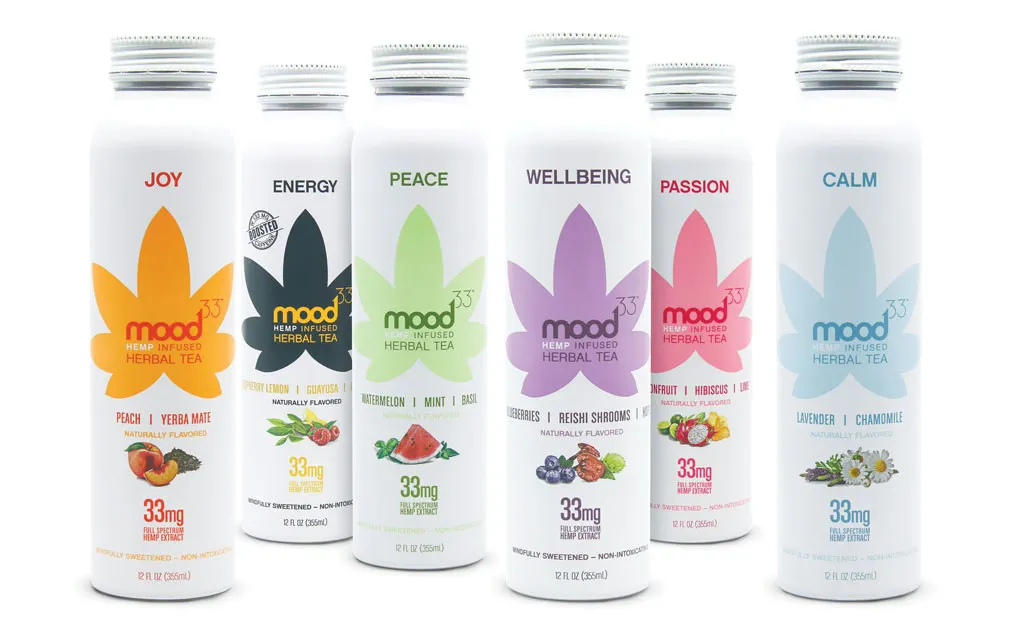
MOOD33's line of hemp-infused herbal teas
"What it does to your body is very similar to the processes that happen when you sit in a hot tub for 20 minutes—you get out and you feel different," says Sigman. "You feel calm, relaxed, and chill. Alcohol does a similar thing in your brain before you get tipsy or drunk—you feel more open and less aware of social anxiety. CBD can feel very similar at high doses."
Oil and water don't simply mix
How a company incorporates CBD into its product matters a great deal, Sigman says.
Coffee and tea are water-based; CBD is oil-based. When the two meet, they separate.
"If you are adding things to a water-based beverage, there are additional challenges," she says.
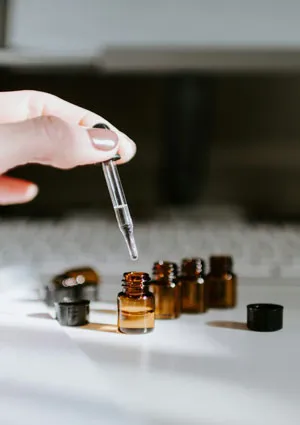
Technology exists to make oil more water-soluble, but information on how water-soluble cannabinoids are processed by the body is sparse. Sigman believes many companies are conducting their own research, but the science has not caught up with water-soluble CBD. She points to a study on CBD in drinks showing that it tended to cling to the container.
"It isn't the case for everything, but it is a good idea to shake it like salad dressing," says Sigman.
"When you take cannabinoids like THC and CBD, the absorption is much higher with fat, almost two to three times higher," she continues. "If you take coffee with cream, it could help your body absorb the CBD better. In just black coffee or plain tea, your body won't absorb as much."
The regulatory picture
CBD's legal status is still being worked out, but federal agencies have clearly registered the demand: the Food and Drug Administration requested $5 million in its Fiscal Year 2021 budget under the Trump administration to keep regulating the cannabis-derived products industry, CBD included.
"Each state has its own regulatory structures. In some states, like Oregon and California, CBD has gone through some sort of testing, so what it says on the packaging should be in the product," says Sigman. "Beverage companies are all over the map, meaning quality can be all over map too. There are no consumer reports really collecting information on different CBD products yet."
Sigman works with the Clean Label Project, a nonprofit that tests products for quality with the aim of informing customers and raising industry awareness. Founded by Jackie Bowen, the organization tested CBD products for pesticides, heavy metals, actual CBD content, and more. The findings showed how inconsistent brands can be, underscoring the need for stronger regulation.
Last year Sigman testified at an FDA hearing on CBD and cannabis regulation, and she says she will keep submitting comments to the agency on the subject.
"It's the Wild West," she says. "It is almost completely unregulated at the federal level. Each state has regulations depending on whether or not they legalize medical cannabis or CBD or recreational cannabis…those regulations are in effect, but then you have nationally available brands that don't really have to play by state rules. And the FDA has sort of turned a blind eye unless they're making medical claims."
Finding your dose
How much CBD is needed to see benefits differs from person to person. Knowing how much you are taking is the first step when trying CBD.
"There is a massive dosage range that people found beneficial in regards to taking CBD," says Sigman. "Consumers just have to start and see if you benefit. If they don't feel anything the first time, they can continue to adjust their dose as they go along to see if it is helping."
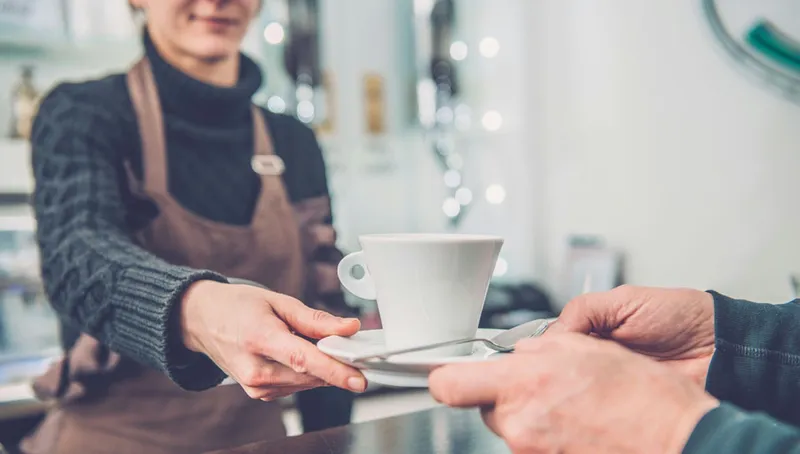
For café owners considering adding CBD to the menu, Sigman says it is vital to know how much is going into each drink and to train baristas to talk about CBD with customers.
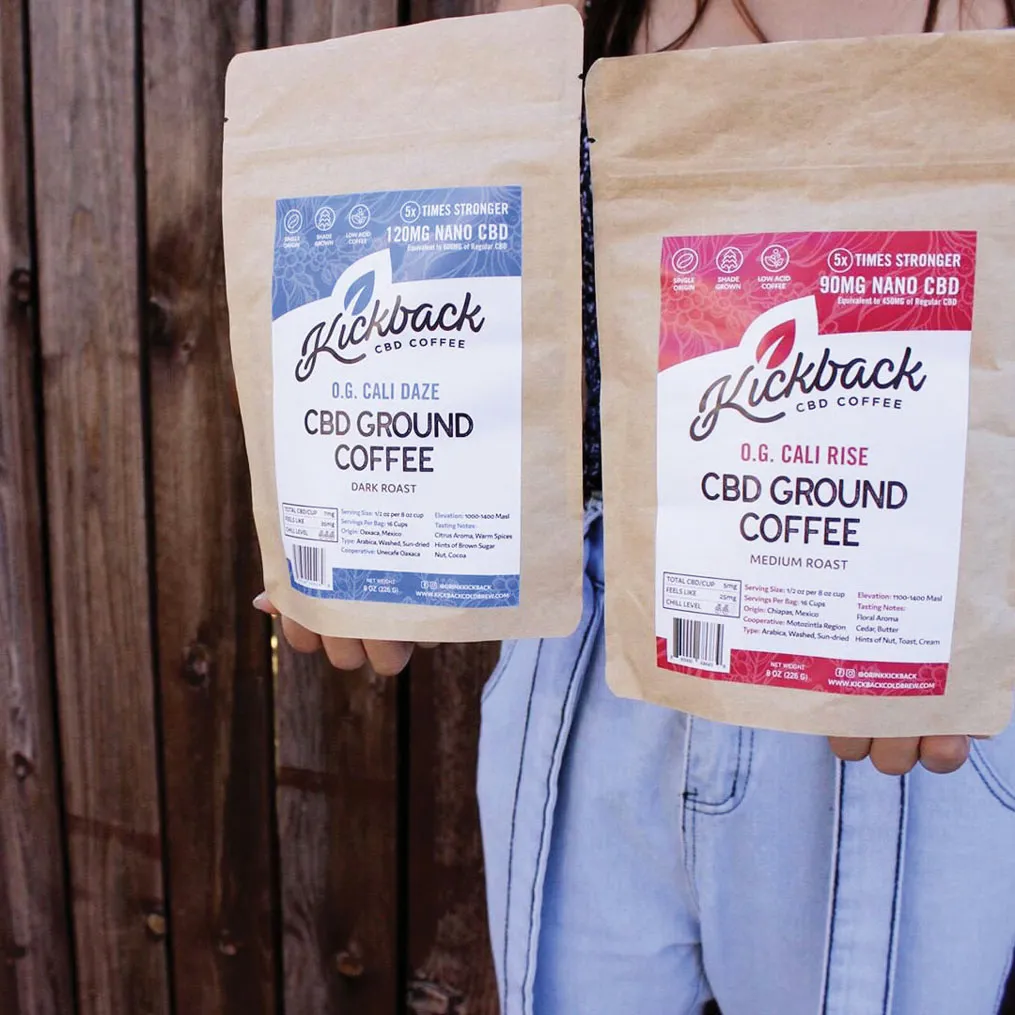
KICKBACK uses a proprietary extraction method that does not use any synthetic emulsifiers, preservatives, or harsh chemical solvents to create its CBD-infused coffee.
"If you are adding it to a latte, how much are you adding? Do you know?" she says. "It might not be your responsibility to determine how much is appropriate, but you should be able to communicate how much CBD is going into a beverage."
A few points are worth keeping in mind when buying CBD: look for a clearly labeled dosing mechanism (a dropper, for instance), confirm the label is backed by a third-party certified lab, and find out where the hemp was grown.
"You want to make sure you are getting what it says you are getting," she adds. "Be familiar with the brand."
Why brands see room to grow
Coffee, cold brew, tea, lemonade, sparkling water — a long list of beverage brands now carries CBD as a headline ingredient. Regulation dominates the conversation around the category, yet many businesses are trying to make the CBD experience as pleasant as possible.
Mary Joe, in Costa Mesa, California, launched in 2017 after its founders tried CBD themselves and saw a chance to pair it with coffee.
Mary Joe's CBD Cold Brew uses a water-soluble broad-spectrum extract, which lets it blend smoothly with the coffee's consistency.
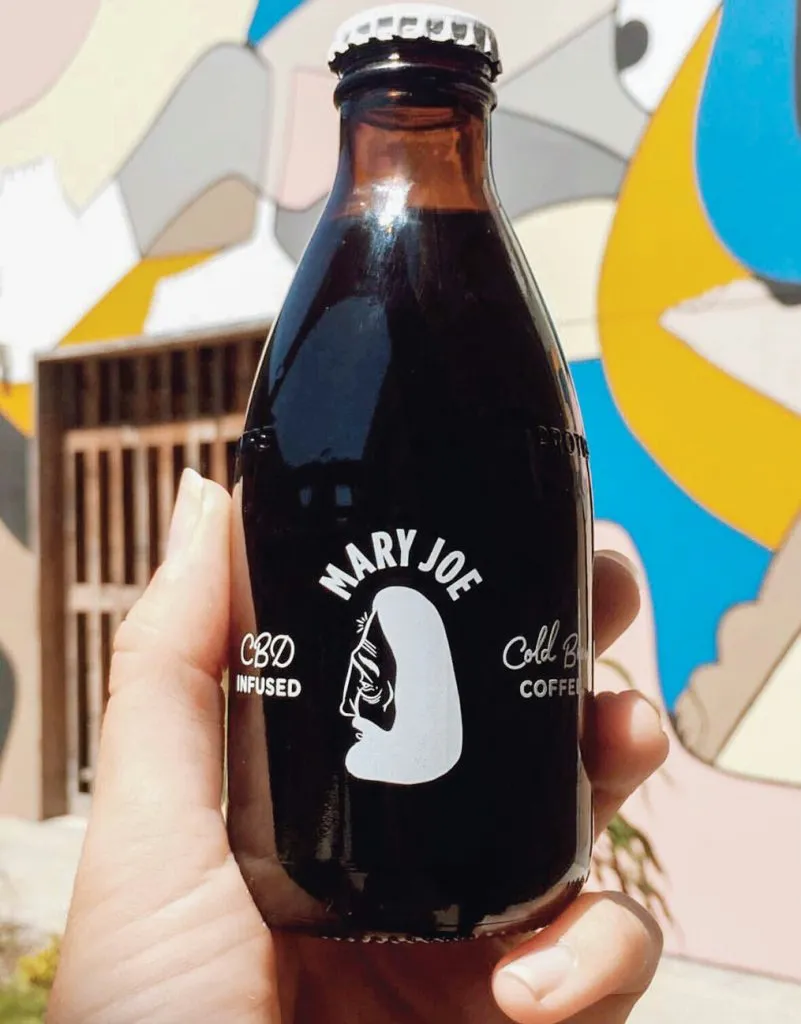
Mary Joe's CBD Cold Brew
In the early days, cofounder Ryan Rankin and his team experimented with combining coffee and hemp oil to avoid an oily aftertaste. The goal was a mixture refined enough that drinkers could enjoy both components, Rankin says.
"When we started, not many people knew about CBD and just going out and buying a dropper of it for them was daunting," he says. "It was taking something new like CBD and something familiar like cold brew. Combining them really makes for a great start to your day. We get messages from customers saying their first introduction to CBD was our product."
Consumers are drawn to CBD for reasons ranging from simple curiosity to personal lifestyle benefits, since it can help ease pain and manage anxiety, PTSD, and OCD.
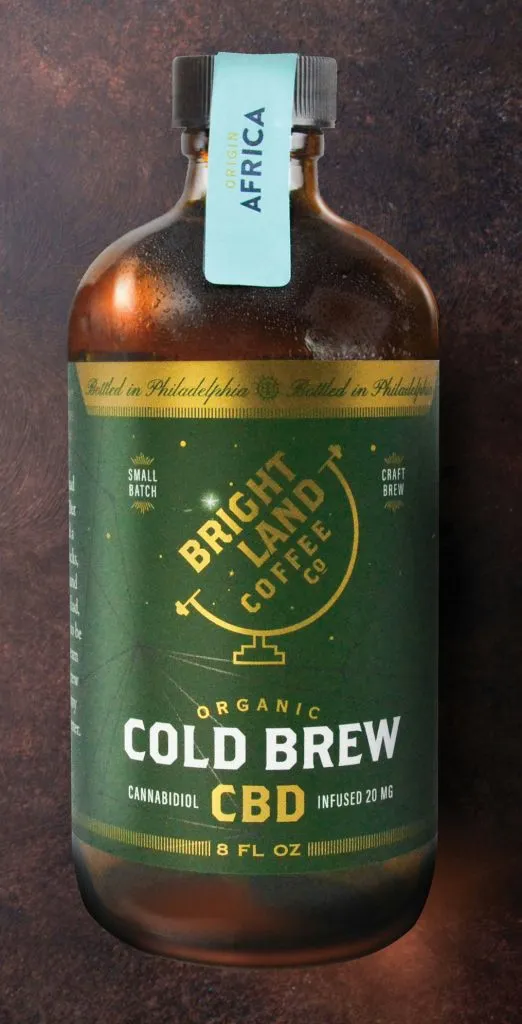
Brightland Coffee in Pennsylvania found many customers wanted a healthier alternative for managing various symptoms, says owner Gary Lambert, who undergoes chemotherapy treatment and brought CBD into his own routine before starting his cold-brew brand.
"I have customers who say they take it because they suffer from chronic migraines and they don't like the current regimen of medications they have to take," he says. "A lot of my customer base are usually in the older category who are long-time coffee drinkers, seeking an alternative to managing their pain."
Los Angeles-based Kickback includes a hemp-infused lemonade in its lineup to reach a broader audience beyond coffee and tea.
"Lemonade is in a lot of grab-and-go spaces and many people will drink juice if they don't regularly drink coffee or tea," says Kickback founder, Pierre Real. "That with CBD is like friendly universal batteries that everyone can enjoy."
Partners across the supply chain
California's Mood33 introduced a hemp-infused beverage line in late 2019. Its six flavors pair iced tea, botanicals, and fruit juices for a range of palates, from peach and mate to watermelon and basil.
Mood33 works with Evo Hemp, a hemp foods company in Boulder, Colorado, whose hemp is grown on the Pine Ridge Indian Reservation by Native American farmers in South Dakota. In 2017 the company partnered with Lakota tribal member and entrepreneur Alex White Plume to bring back local jobs.
"For us, when we started, it was all about the supply chain," says Mood33 cofounder Eric Schnell. "We chose to partner with Evo Hemp and basically have a fair trade supply economy created in the United States, which is the first of its kind, [partnering with] Alex White Plume and the Lakota Tribe from South Dakota. We felt that the story would resonate with consumers and resonate emotionally."
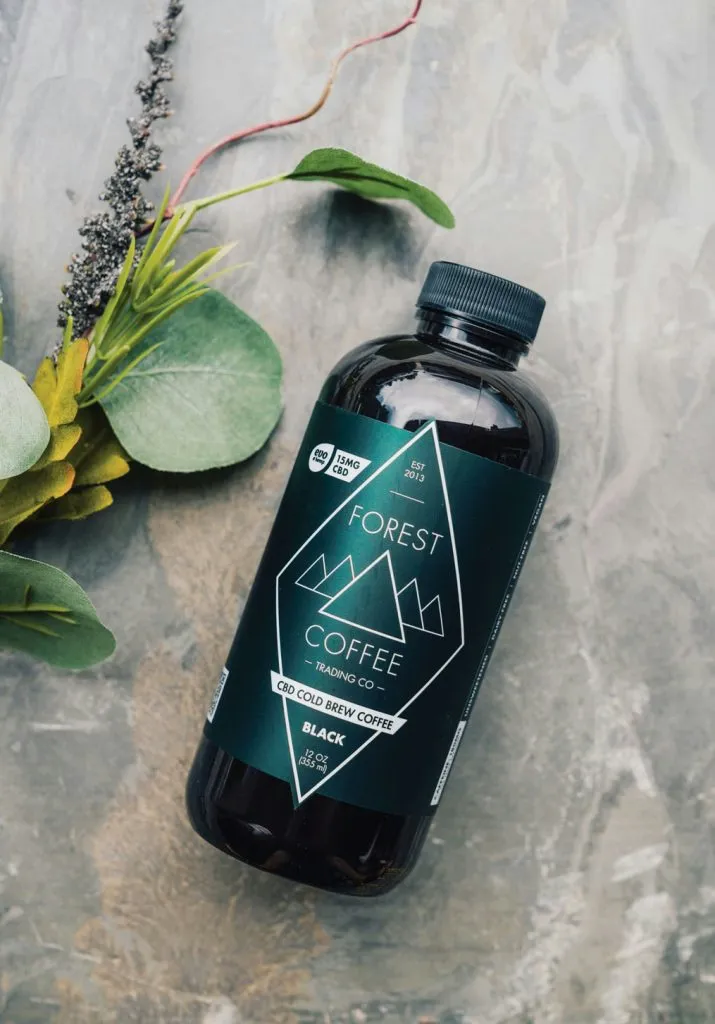
Evo Hemp products are now carried by thousands of retailers, and the company partners with other CBD ventures, including Forest Coffee Trading Company, which makes CBD cold brew.
Curious customers have begun approaching brands directly with questions, putting some companies in the position of serving as informal educators about CBD.
"I definitely had to read up," says Garrett Kidd, the founder of Forest Coffee Trading Company. "Evo Hemp has been a great resource for us and a great partner for us to help educate our audience…I think the biggest question we get is, 'What are the effects of caffeine with the effects of CBD going to do to my body?' And really it's nothing but a very harmonious relationship with the two. With something new like CBD that still has a lot of question marks, I think it's in everyone's interest to read up on it with an independent source and really understand what it is, because it is a fantastic supplement with a lot of benefits."
Trend or fixture?
Because CBD is present in beverage retail today, it is within easy reach of a broad cross-section of consumers.
SteepFuze of Boulder, Colorado, began because founder Devin Jamroz wanted to give people an accessible way to take a daily hemp extract dose.
"Right now, I think this is definitely a trend," says Jamroz. "Last year alone, I read that about 20 new LLCs [were]forming per week in Colorado alone. We're in the transition from the trend to mainstream right now. We're not completely there with the FDA not providing clear regulations and oversight, and we will be in the gray area until that happens."
Still, Jamroz believes CBD can last in the beverage space.
"We really started as coffee people and being really into coffee, sourcing, roasting," he says. "The idea that the interplay of the cannabinoids and the caffeine and the coffee creates a very unique experience. We're not as focused on CBD's effect on the person as we are about CBD's effect on the coffee. We endeavor to create a world that views hemp extract as less of a trend, and more like, say, vitamin C."
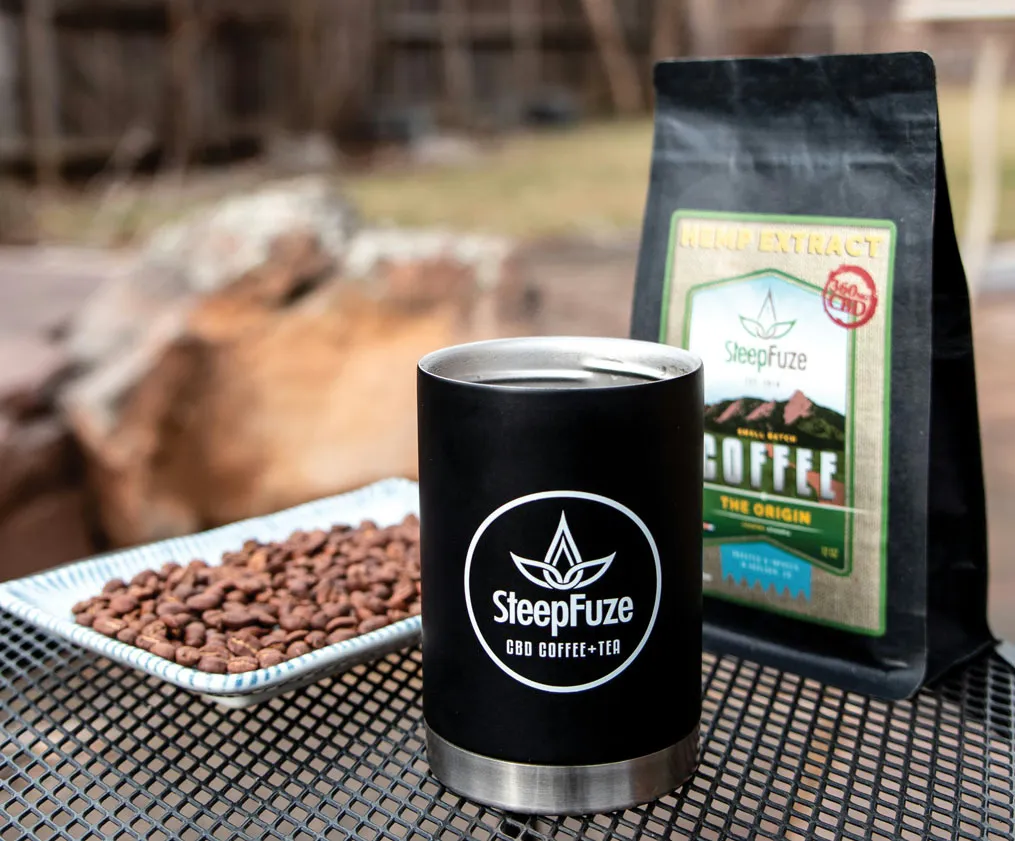
STEEPFUZE: Small-batch roasted coffee infused with CBD extract.
Education as the foundation
Elizabeth Bennett, an associate professor at Lewis & Clark College in Portland, Oregon, has built her career studying topics including ethical consumerism and fair trade in the coffee, cannabis, and clothing industries. In her research she found many cannabis edible companies using fair trade and organic ingredients but omitting information about which farms grew the cannabis or under what conditions.
"There's a missed opportunity to really privilege and highlight growers that are doing a great job [growing cannabis for] edibles," says Bennett. "One thing to note is that if coffee companies are going to be doing relationship trade, fair trade, or direct trade, all of which is important in the specialty coffee industry, they might also think about how to source their CBD."
What concerns her about CBD appearing in coffee shops is how little information reaches consumers.
"One of the primary sources of information that consumers have is the retailer that sells to them," says Bennett. "The role of someone who works in a coffee shop, the role that they play in explaining where coffee comes from, and how it's produced is extremely important….In the same way we would want budtenders to be able to provide great information about cannabis, we would want baristas to be able to provide great information about CBD."
As the sector keeps expanding in the United States, information about CBD may get closer scrutiny in the years ahead.
"A really optimistic finding I have is that in 2016, we gave each dispensary we visited a grade of an A or a B or a C based on the quality of information they provided about ethics and the supply chain they were selling," explains Bennett. "Very few dispensaries back then got an A, but in 2019, when we visited again, we not only had a large number of dispensaries getting an A, but we created an A+ category because so many dispensaries were able to provide high-quality, accurate information about ethics and supply chain in a way that almost no dispensary was able to in 2016.
"We're seeing improvements," she adds, "over the last three years in the quality of information about social responsibility and environmental stewardship and cannabis supply chains in talking to baristas and budtenders."