Turning Café Retail Into a Brand Statement
A thoughtful approach to café merchandise can transform shelf items into a meaningful part of the shop’s identity and bottom line.
By Riley Lee3 min read
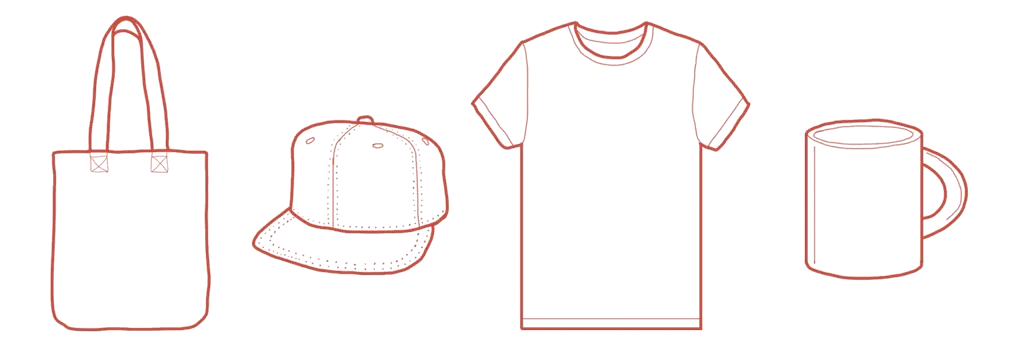
For many cafés, the core of the business is serving excellent coffee and tea. Yet plenty of shops also offer merchandise, and how that merchandise is presented and managed can be the difference between products that gather dust and items that become central to a café’s character and financial health.
A customer’s wait between ordering and receiving a drink lasts several minutes. Jackie Ardrey, a former merchandising executive who now owns Cold Brew Kitchen—a line of ground coffees intended for home cold brewing—points out that this kind of captive time is rare in other businesses. During that window, a café has a chance to capture attention, and a deliberate strategy for doing so can drive additional sales.
When planning merchandise, the first question is how the café will strike a balance between its brand and its customers. Although the two areas overlap, merchandising grows out of an established café brand and identity. Once a café begins selling branded items, customer feedback can then shape those decisions.
Urban Grinders in Greensboro, North Carolina, has learned this directly. The café operates as both a coffee shop and an art gallery, and its merchandising—which makes up 30 percent of revenue—centers on that dual identity. Owner Jeff Beck says the Urban Grinders brand and merchandise reinforce the shop’s art focus, but sometimes “you’ve got to accommodate the customer.” Marcus Moore, Beck’s business partner, explains, “We try to have merchandise that caters to our customer base. Coffee cups for businesspeople in the shop, but also vinyl records and art for the artists.”
Palace Coffee sits in what owner Patrick Burns describes as the “coffee desert” of Amarillo, Texas. For that reason, Burns’s merchandising approach emphasizes education and equipment, and presents the merchandise in a friendly, approachable way. Because some customers drive several hours to reach Palace, the shop carries a wide range of brewing accessories, and staff are always on hand to answer questions. “If they want us to be a one-stop shop, we can be that, so they can get everything they need for home brewing,” Burns says.
Just as important as knowing both your brand and your customer is being selective about products. Beck says that despite near-daily pitches from vendors, Urban Grinders sells only items that fit its theme and style. For Palace, Burns says, “The main thing I look for is a company known for quality.”
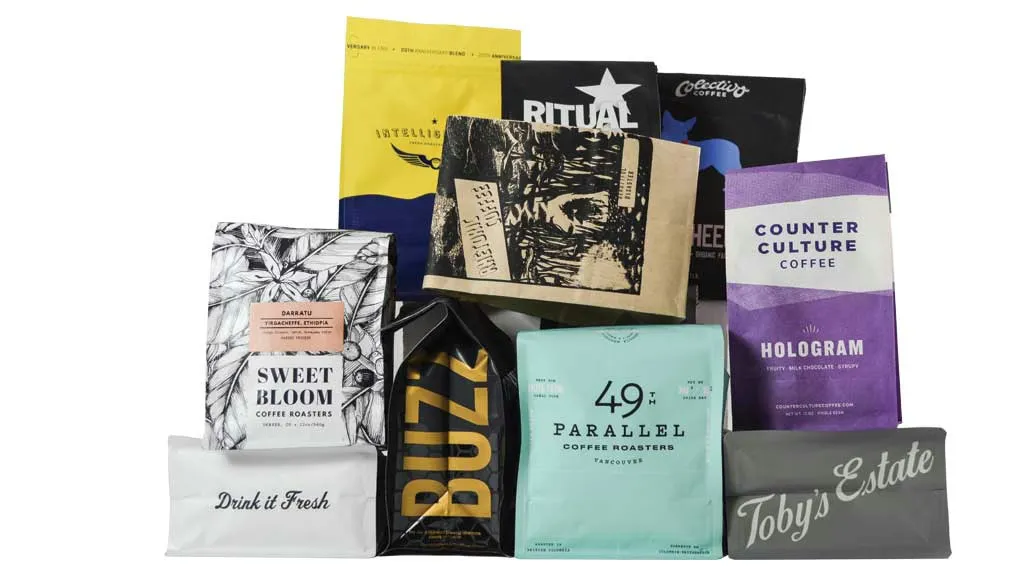
Once a café has quality, branded merchandise in place, the next step is to engage the customer. “You have the world of art open to you, but there’s a narrow place where that art and your brand intersect,” Ardrey says. She recommends incorporating brand-aligned prints, colors, and signage into displays of coffee bags and mugs to make those products stand out and attract interest. “Especially with a coffee shop, people coming in again and again, you need some change,” Ardrey notes, suggesting that new merchandise displays be designed to match the seasons. Burns, who worked in retail before opening Palace, likes to step out from behind the counter to create an appealing space. Viewing the area from the customer’s level helps ensure that his merchandise section works both functionally and aesthetically.
While physical products matter in a merchandising strategy, thinking beyond the goods themselves can also pay off. Consistent with its educational focus, Palace Coffee holds brewing classes once a month. These sessions also provide a hands-on chance to sell merchandise.
Ardrey says shop owners should reach a point where café vision and brand align with customer feedback—where they can say, “OK, this is what I want to be about,” while still offering enough variety to serve customers. Ideally, the merchandise a café carries is both a foundational expression of brand and identity and an evolving reflection of the people it serves. When merchandising connects with the café’s identity and customers’ needs, cafés gain the benefits of higher sales and satisfied customers.
*An earlier version of this story misspelled Jeff Beck’s surname.