Plant-Based Shift Reshapes Café Menus and Consumer Expectations
A growing wave of plant-based choices, from oat milk to meat-free burgers, is pushing cafés to rethink their offerings and their environmental footprint.
By Toby Mitchell6 min read
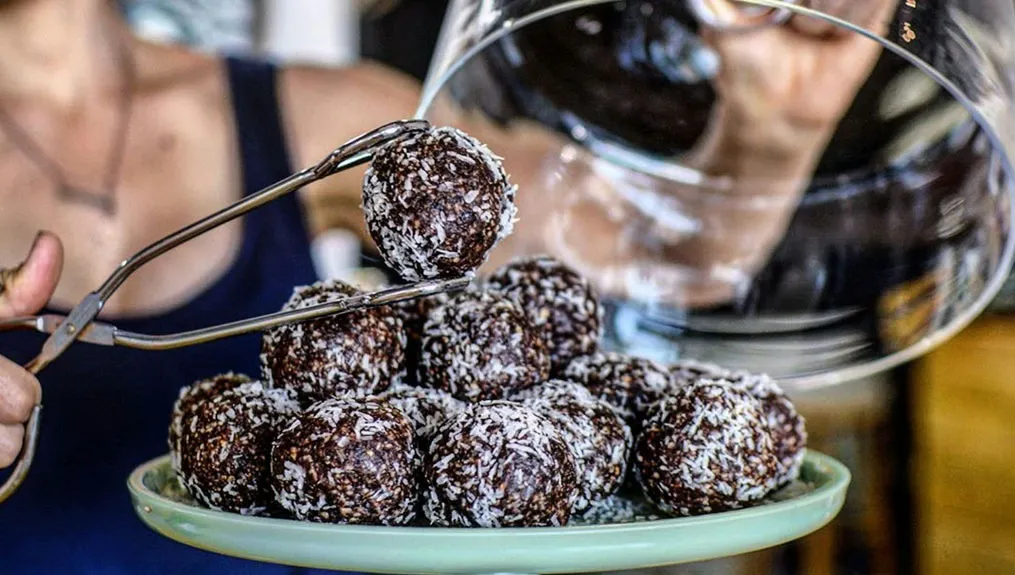
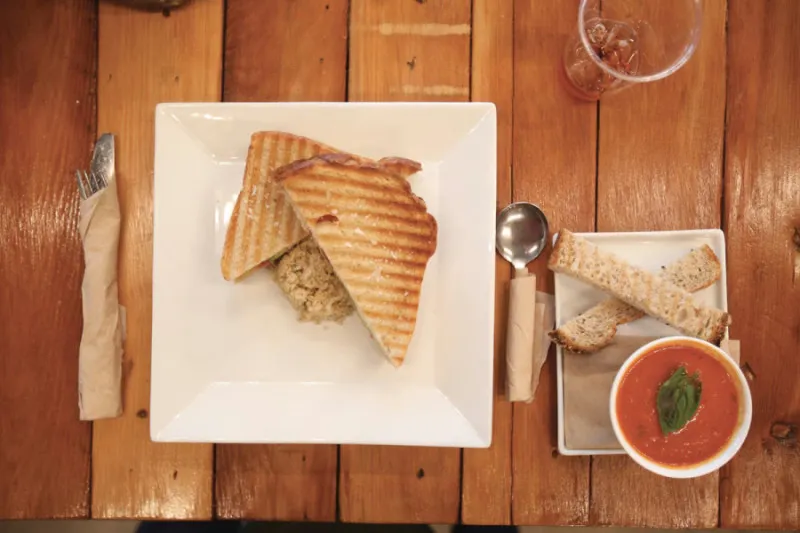
A tempting plate at Real Roots Cafe.
Over the past year, our coverage has explored everything from non-dairy milks and CBD to collagen and adaptogens, always with an eye on the next trend that might resonate with health-focused customers and boost business.
We are not a wellness lifestyle publication, nor do we endorse a single approach to chasing these trends. Yet certain developments are too significant to overlook. The last few years have brought a surge of novel flavors, vegan ingredients, and add-ins marketed for health, but amid the clamor of “better-for-you” products, a clear pattern has taken shape.
From oat milk’s remarkable ascent to the growing acceptance of Meatless Mondays, today’s diners are not only seeking personal health benefits—they are also motivated by a desire to protect the environment.
The Plant-Based Revival
Becky Reeves remembers a time when cafés and restaurants offered little more than a basic garden salad for vegetarians.
“Now,” she says, “we are seeing Impossible Burgers at Burger King, Beyond Meat at Dunkin’ Donuts, and a general understanding that meat/dairy substitutes need to be a part of any menu.”
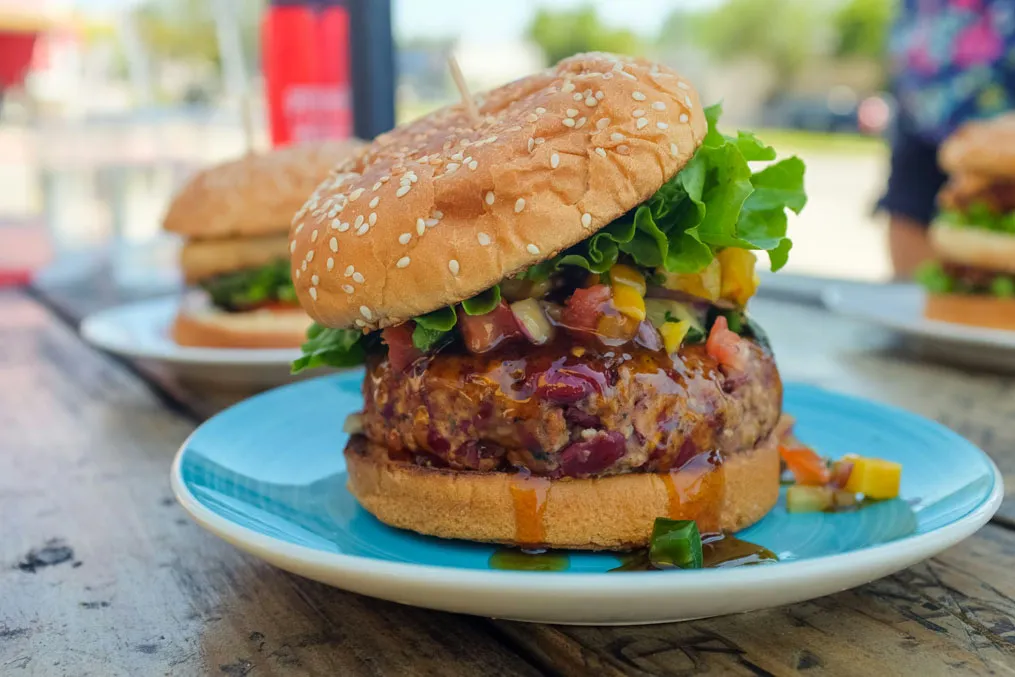
A veggie burger that mimics meat
Large foodservice providers have joined the movement as well. In August, within days of each other, Sodexo revealed plans to introduce the Impossible Burger at over 1,500 U.S. sites, while Aramark announced a collaboration with Beyond Meat.
“Consumer preferences were driving a need for quality plant-forward offerings and our culinary team has been working with a broad range of plant-based products to create more enticing menu choices,” Heidi Hogan, Aramark’s vice president of product development, said in a statement.
Building on the success of meat-like plant products, researchers nationwide are using biotechnology to develop lab-created dairy alternatives. Companies such as Motif Ingredients, Perfect Day, and New Culture are producing milk, cheese, and yogurt without animal inputs.
At the same time, new analysis from the World Research Institute projects the global population will reach 9.8 billion by 2050, driving overall food demand up by more than 50% and demand for animal-based food by nearly 70%. Livestock—cattle, sheep, and goats—currently occupy two-thirds of global agricultural land and generate roughly half of agriculture’s production-related emissions.
“If today’s levels of production efficiency were to remain constant through 2050, then feeding the planet would entail clearing most of the world’s remaining forests, wiping out thousands more species, and releasing enough [greenhouse gas] emissions to exceed the 1.5°C and 2°C warming targets enshrined in the Paris Agreement—even if emissions from all other human activities were entirely eliminated,” the World Research Institute states in the report.
The mounting evidence of climate change has prompted many concerned individuals—particularly millennials and Gen Zers—to reconsider their food choices, fueling what Reeves describes as a “plant-based renaissance where oat milk is kind of the Beverage General of it.”

As Oatly’s Southwest market development manager for the past 18 months, Reeves has been at the center of oat milk’s surge. Though she hesitates to call oat milk a trendsetter—since soy, almond, and rice milk have existed for years—she sees its popularity as a sign of the broader plant-based market’s growth.
“I think it is fair to say that the rise of oat milk definitely coincides with a general rise in plant-based options,” she says. “With more information available to us, especially as it pertains to the environment, our generation is saying enough is enough. We want a planet for our children and grandchildren…. Supporting a structure that allows meat and dairy to be factory farmed to become unrecognizable to the basic agricultural system, and on top of that creating so much methane pollution, this tired and damaging system just isn’t going to cut it anymore. Consumers are demanding change, transparency, and sustainability beyond buzzword but of action.”
Putting Down Roots
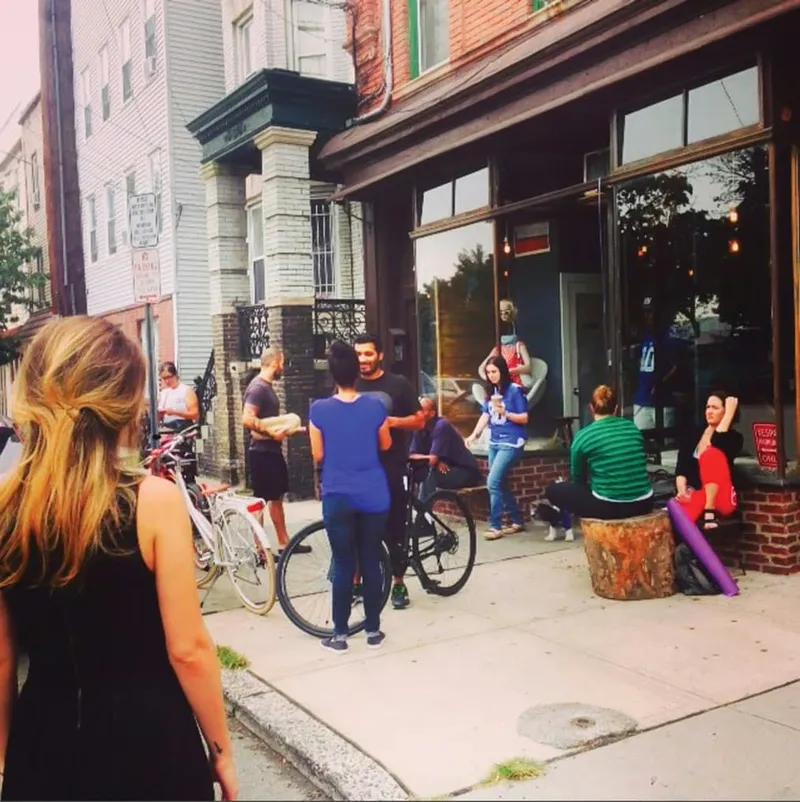
Real Roots Cafe, which opened in September 2017 in Fort Oglethorpe, Georgia—nine miles south of Chattanooga, Tennessee—is one business putting that demand into practice. After three years working and learning in plant-based kitchens around Chattanooga, Matthew and Tiffany Lake launched their own venture with a mission to serve delicious, plant-based whole food.
“We also understand our impact as humans and want to provide amazing dishes that lessen our impact on animals and the planet,” says Matthew Lake.
Since opening, Real Roots has built a loyal following in its community, with both committed fans and former skeptics of plant-based eating becoming regulars. Standout items on the fully vegan menu include jackfruit nachos and tacos, avocado toast with house-made “parmesan,” and key lime “cheezecake,” along with drinks made from local Mad Priest Coffee, such as the Ginger Snap Latte, Choco Latte, and cold brew.
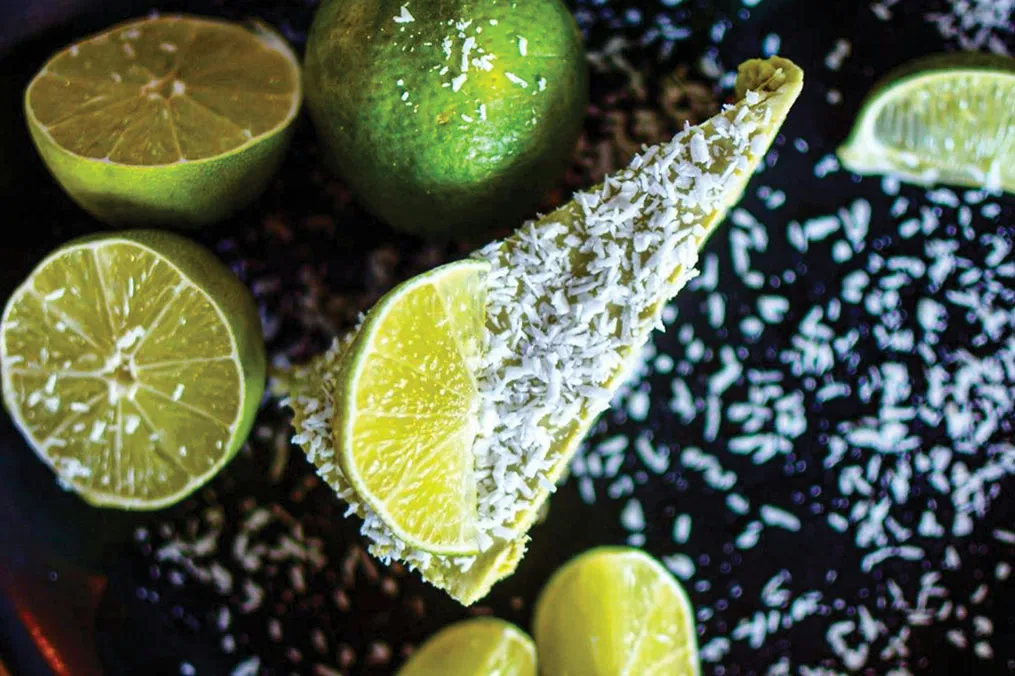
Key Lime Cheezecake at Real Roots Cafe
Lake attributes the trend’s momentum over the past few years not only to medical research on the benefits of plant-based diets but also to the growing number of celebrities and athletes who have adopted them. He expects plant-based offerings to keep gaining popularity as more consumers encounter them through mainstream food channels and become better informed.
“It will also continue as this is a lifestyle change instead of a ‘diet,’ and really lifestyle changes have a much higher long-term success rate,” he says.
Reaching a Tipping Point
Mirroring the moves of fast-food and chain restaurants, Lake believes that eventually every menu item will be able to be made vegan. Cafés in particular will need to provide plant-based options, especially dairy-free milks—“or get left in the dust” if they don’t, he says.
New research backs this up. In July, the Plant Based Foods Association and The Good Food Institute released data showing that U.S. retail sales of plant-based foods grew 11% over the previous year, bringing the total plant-based market value to $4.5 billion.
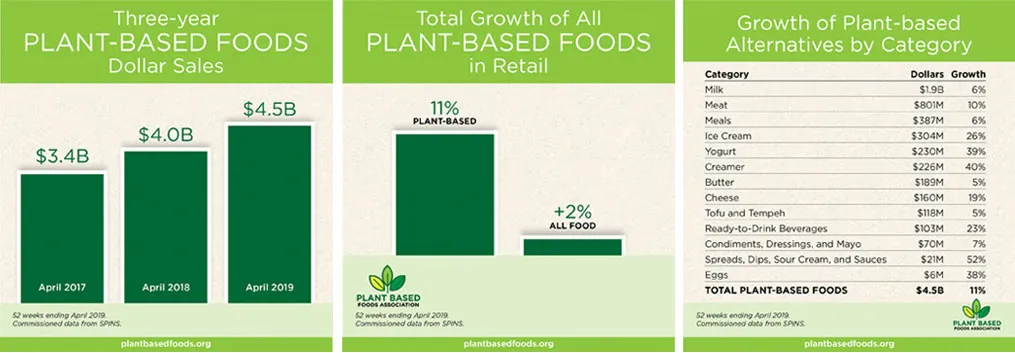
Graphs courtesy of Plant Based Foods Association
“Plant-based foods are a growth engine, significantly outpacing overall grocery sales,” said PBFA senior director of retail partnerships, Julie Emmett, in a statement. “We are now at the tipping point with the rapid expansion of plant-based foods across the entire store, so it is critical for retailers to continue to respond to this demand by offering more variety and maximizing shelf space to further grow total store sales.”
Retailers, restaurants, and café owners need to start adapting to the rising demand from consumers seeking plant-based choices. Whether by stocking a range of non-dairy milks and creamers, adding one or two plant-based dishes, or working with vegan chefs to develop an appealing new menu, today’s café operators have more ways than ever to show they understand their customers’ lifestyle needs and value their business.
However, Lake warns that simply updating a menu will soon not be sufficient. He believes traceability and transparency will become even more essential for business success.
“Integrity is also an important part of the customer-to-business connection, and many cafés have taken it upon themselves to show where beans are sourced and how they are washed/roasted,” he says. “Many people are now demanding the same ‘walk-through’ with their food, showing source and farming practices…Look for this to be a normalized practice (boards showing farms where produce is sourced and certain certifications the farm may hold).”
Beyond that, industry leaders are also urging greater accessibility as the shift toward plant-based eating continues.

Choco Latte at Real Roots Cafe
“Who are we granting access to sustainable choices? Those that can afford it? Who are we welcoming into cafés? People who look like us?” says Reeves. “I hope we continue to incorporate the conversation of access when it comes to sustainability. From farmers around the world, to the staff behind a bar, to the products cafés choose to buy, what systematic changes need to be met to make sure we aren’t leaving people behind?”
Historically, social movements have often left marginalized groups behind. But Reeves hopes that by including more voices and more ideas, the plant-based movement can grow in a way that reflects everyone.
“After all,” she says, “everyone deserves a sustainable and resource-filled planet, not just the folks who can afford the oat milk upcharge.”