Inside São Paulo’s Urban Coffee Experiment: A Living Lab for Brazil’s Bean Resilience
A small plot in São Paulo, run by a nearly century-old research institute, is testing coffee varieties and organic pest control in the heart of the city—offering clues for a warming climate.
By Reese Hayes4 min read
A Different Kind of Coffee Farm
Brazilian coffee usually brings to mind vast fazendas dedicated to monoculture. But in São Paulo, the Cafezal Urbano takes an entirely different path.
Spread across less than 2.5 acres in one of the world’s most populous cities, this tree-lined parcel is the largest urban coffee farm globally. It is managed by the Biological Institute (Instituto Biológico), among Brazil’s oldest and most respected research organizations.
When the institute was founded in 1927, its focus was on foodborne illnesses and biological pests. As coffee farming expanded across Brazil’s agriculture and landscapes, the institute shifted more of its attention to coffee-related diseases.
By the 1950s, Brazil’s coffee sector was thriving. Brazilian arabica was in strong demand, and the country led international efforts in developing new cultivars. The Biological Institute contributed significantly behind the scenes, serving as a foundation for Brazilian arabica research and development.
That same decade, the institute planted over 2,000 arabica coffee trees on its expansive São Paulo campus. At first, these plants were symbolic—a “living memory” of the institute’s commitment to studying coffee diseases and pests.
But the institute soon recognized that these urban-grown varieties could serve a more practical purpose: as a field testing ground for coffee diseases—a true urban coffee farm right on campus.
Touring the Urban Coffee Farm
The Cafezal Urbano sits in Vila Mariana, one of São Paulo’s more affluent South Zone neighborhoods, just minutes from the glamorous Ibirapuera Park. Picture a fruit tree farm and research center a few blocks from Central Park in New York City—that gives you a sense of the setting.
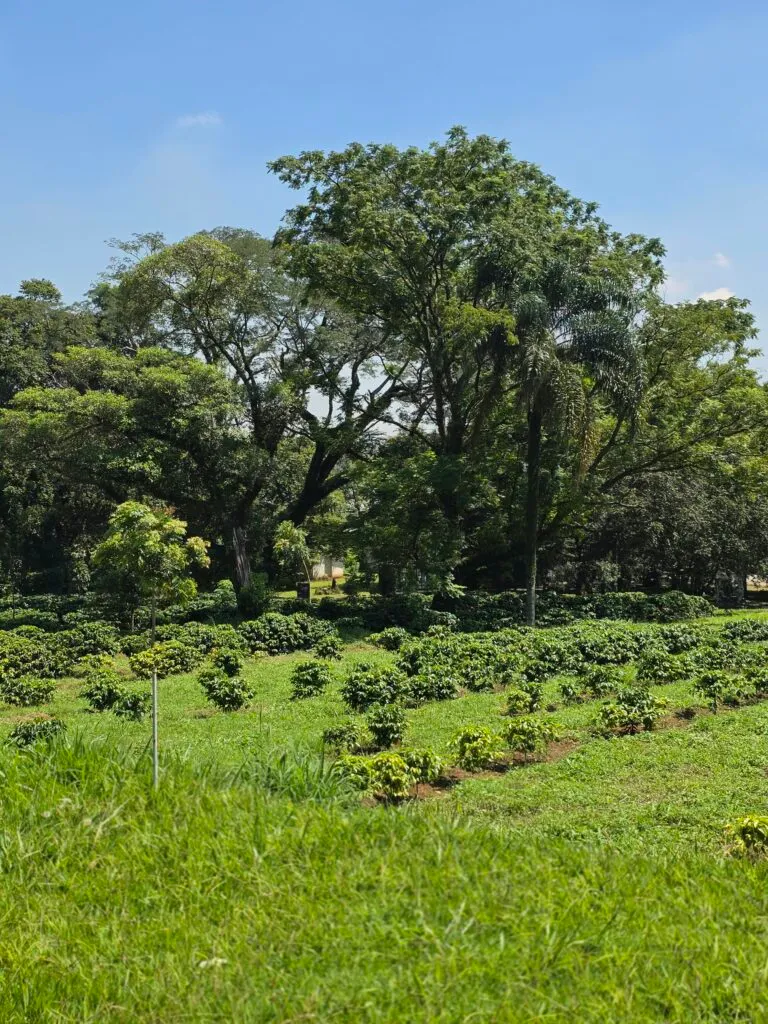
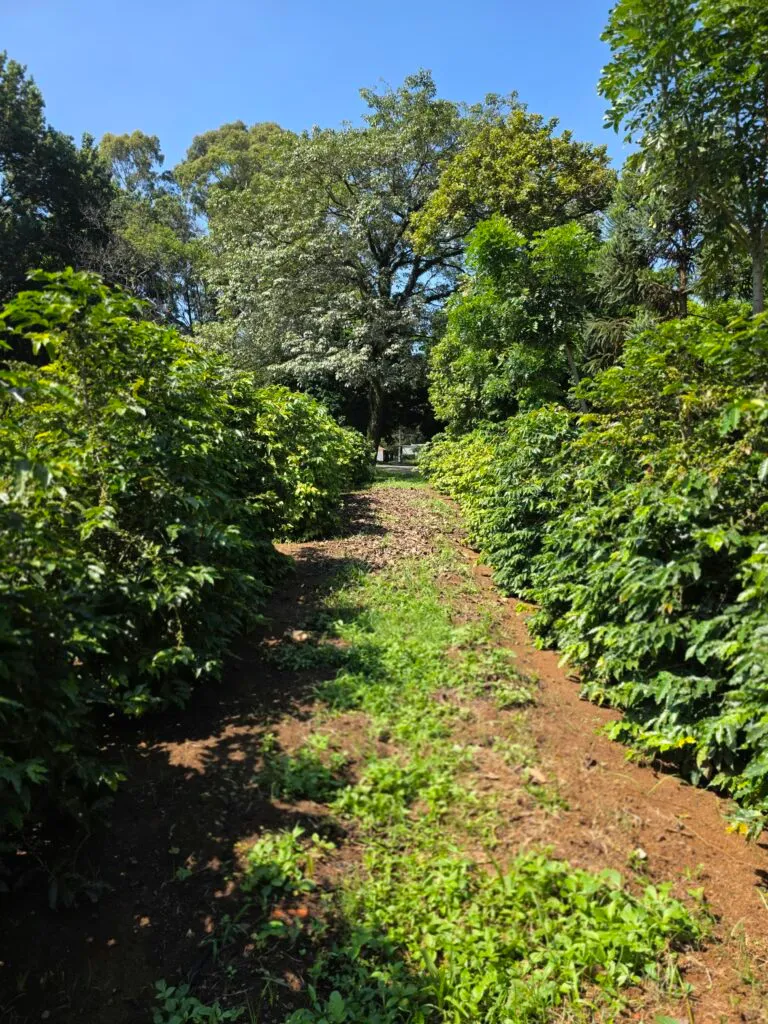
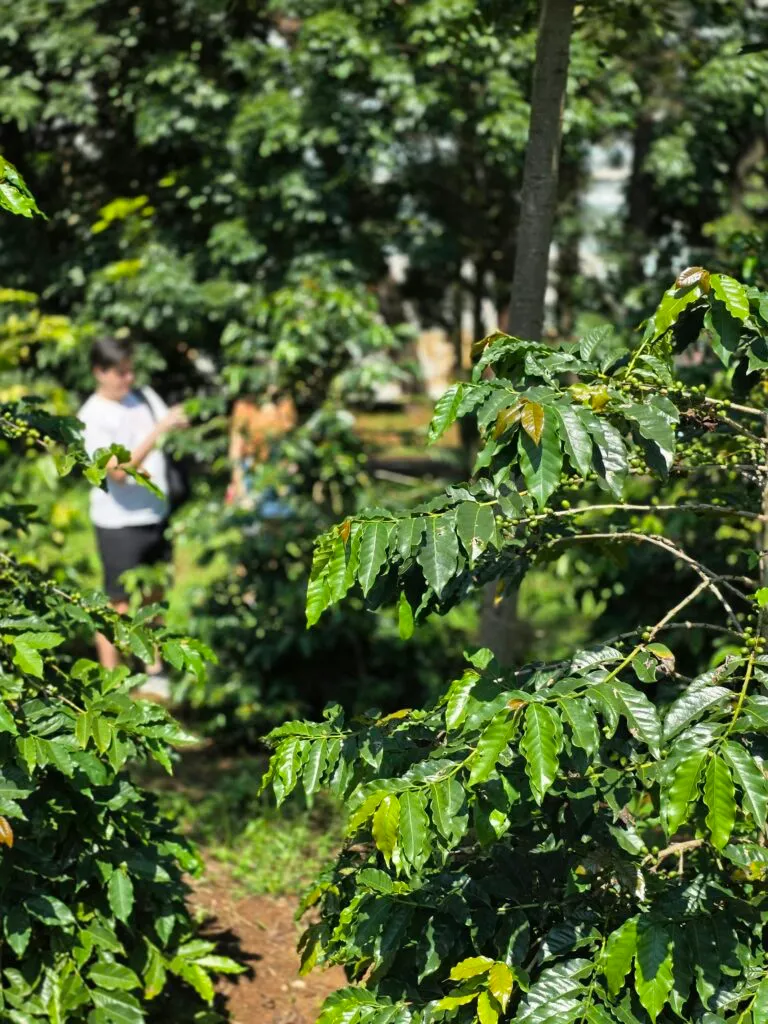
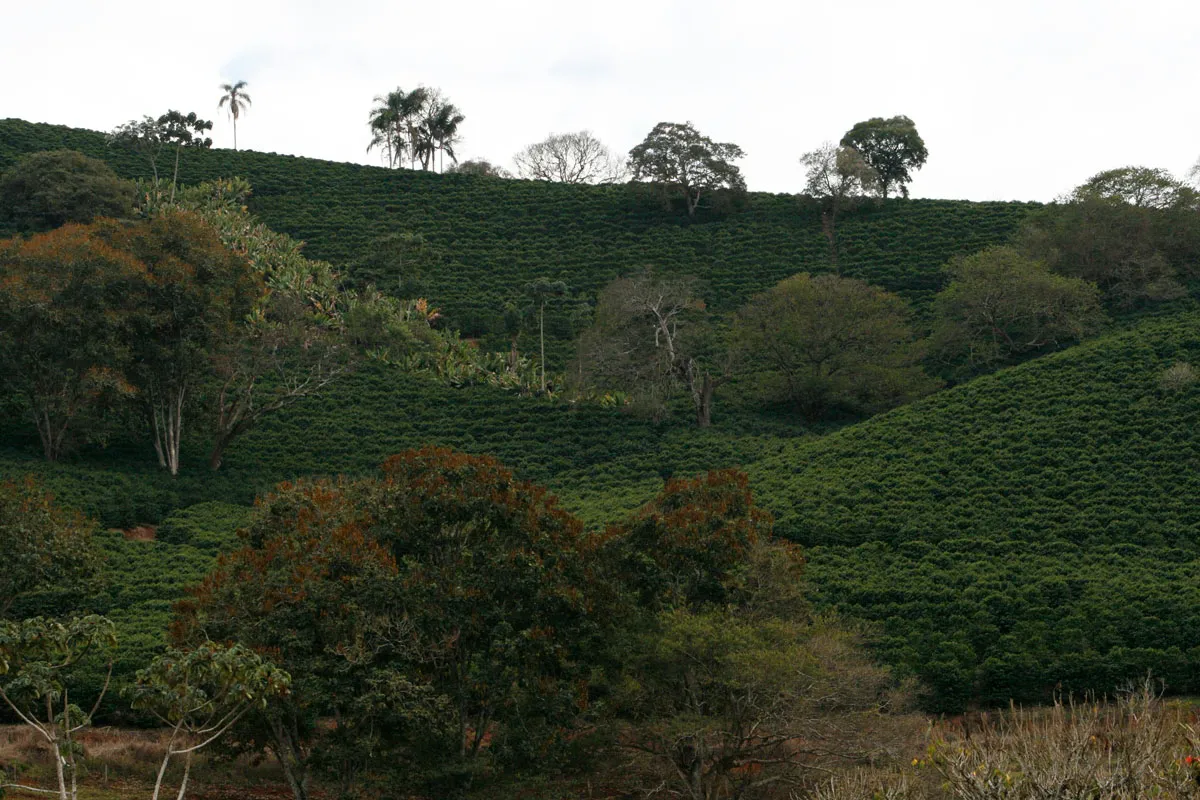
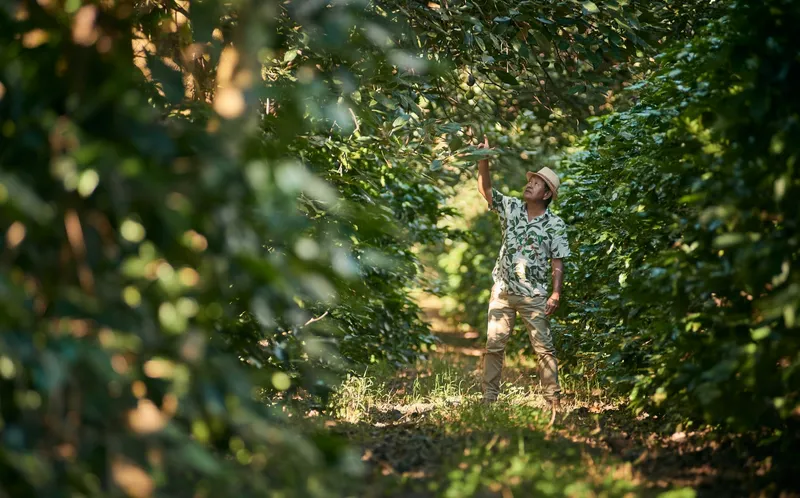
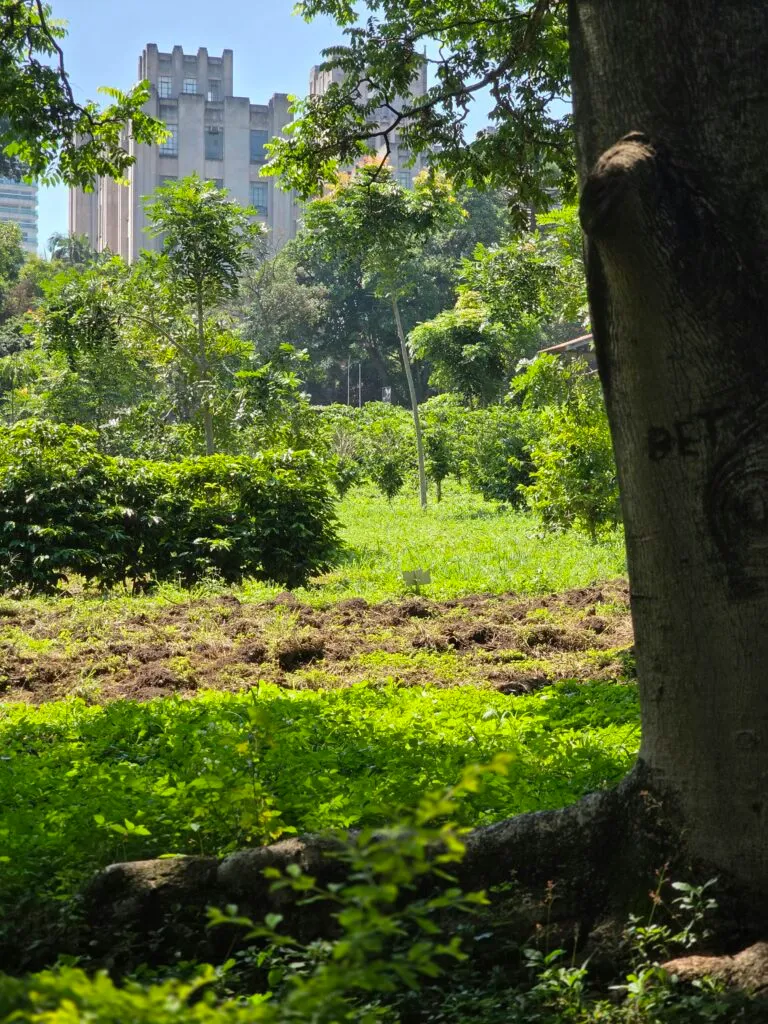
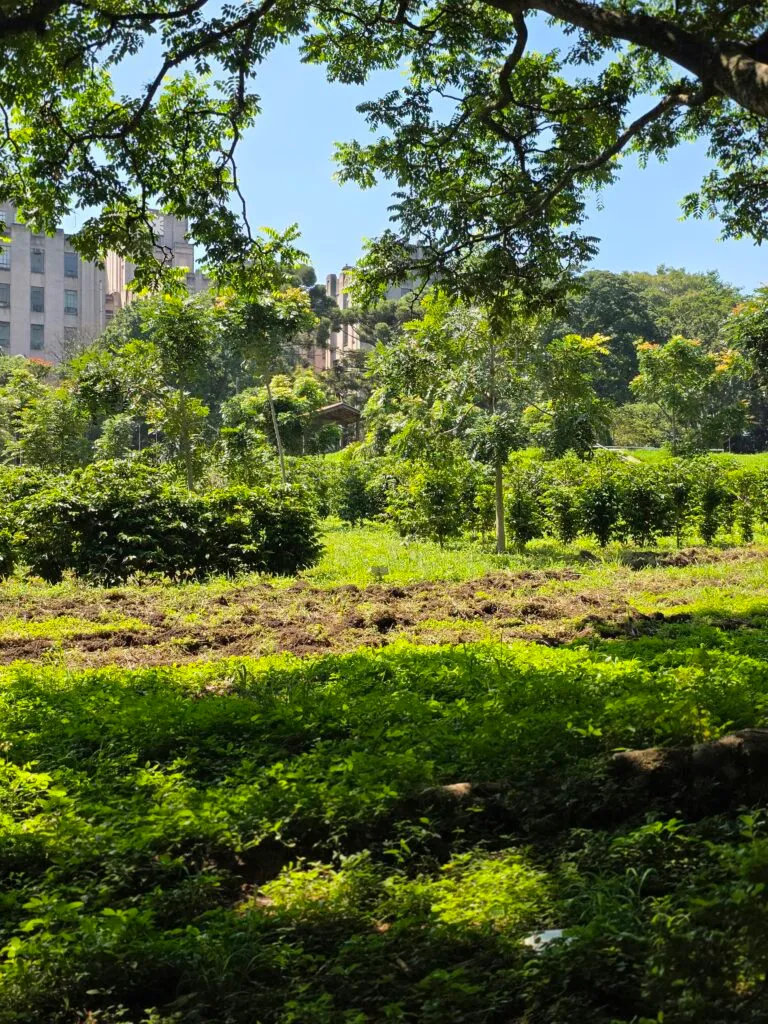
Nestled between two of the institute’s original historic buildings, the farm first appears like a well-kept orchard. Coffee trees—some planted only months ago—grow in curving rows, each separated by a broad grassy path. Towering above them are massive old oak and ipê trees, remnants of the original urban landscape.
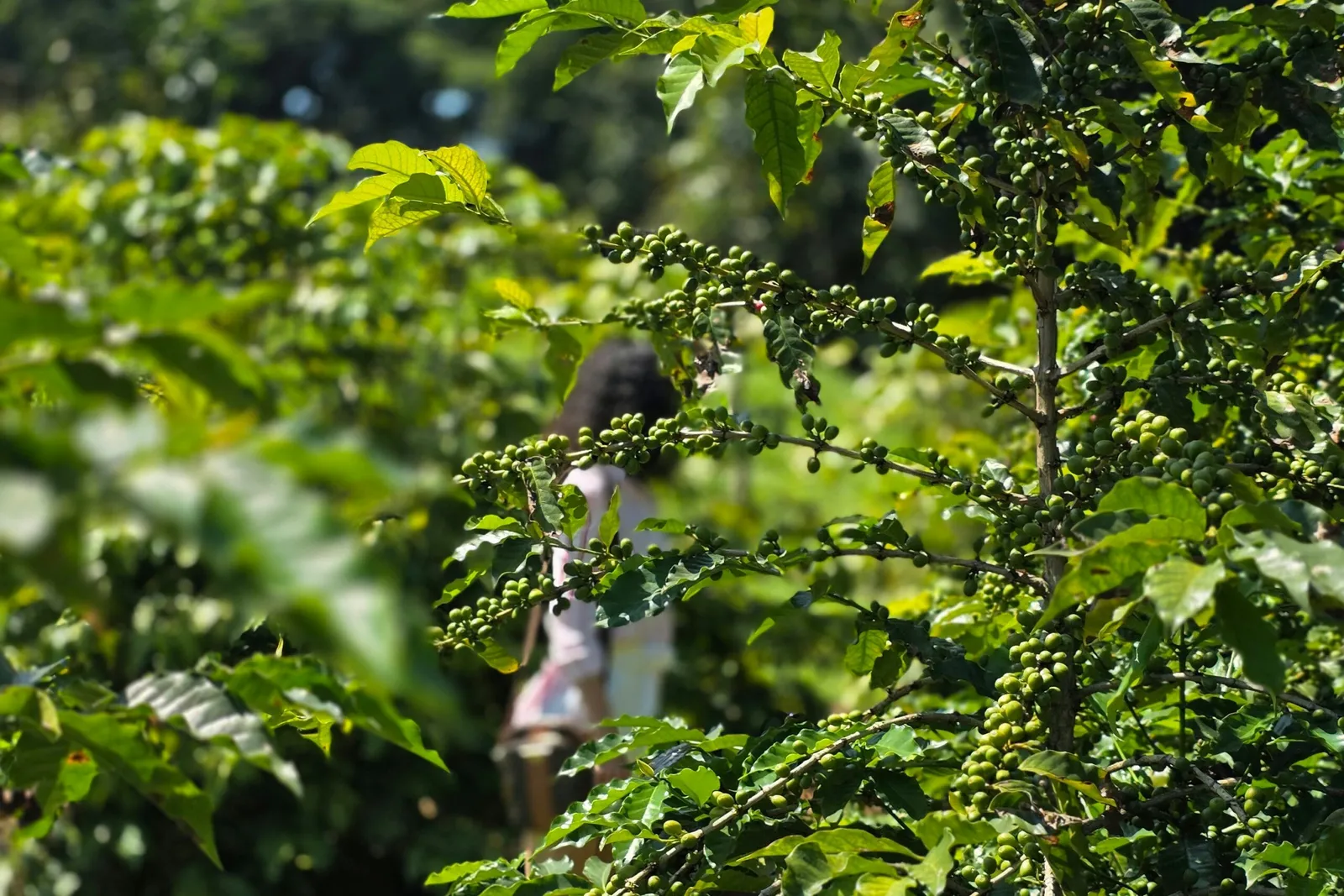
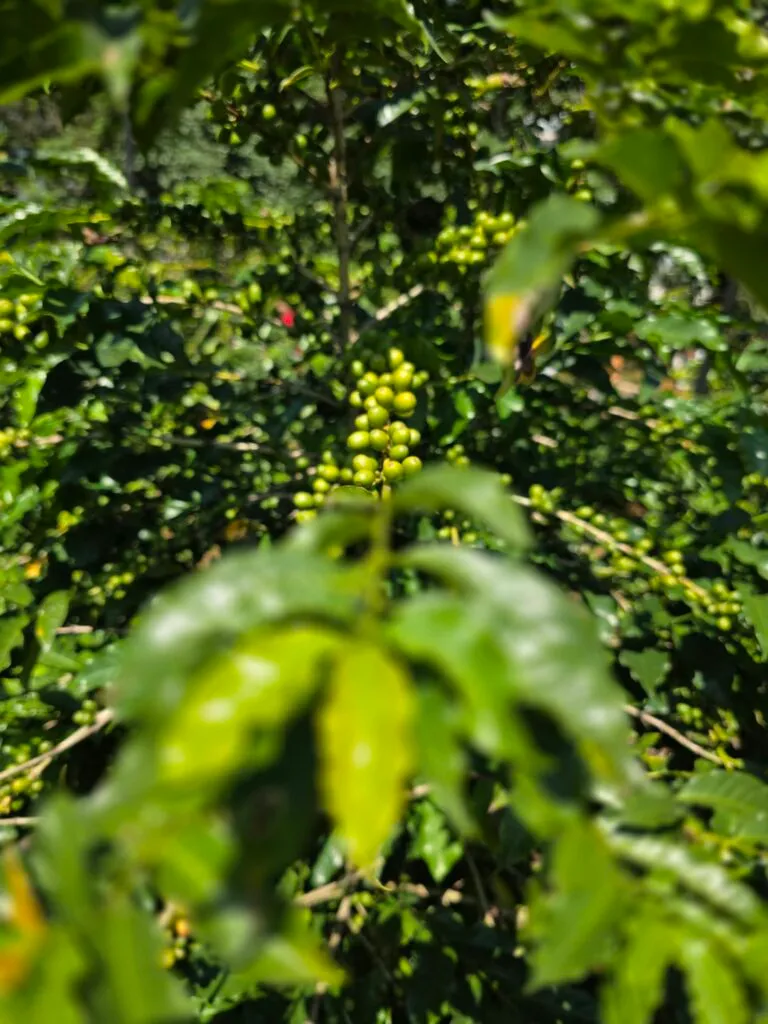
Having worked in the industry for nearly two decades, I was delighted to walk along the edges of a campus containing almost 200 years of pioneering scientific research. Among the rows of young, lab-created hybrids of Catuaí and Bourbon coffee trees, I felt awe as I bent to inspect the unripe fruits. Some of these coffees may become the next industry favorites; others may never be seen outside the farm again.
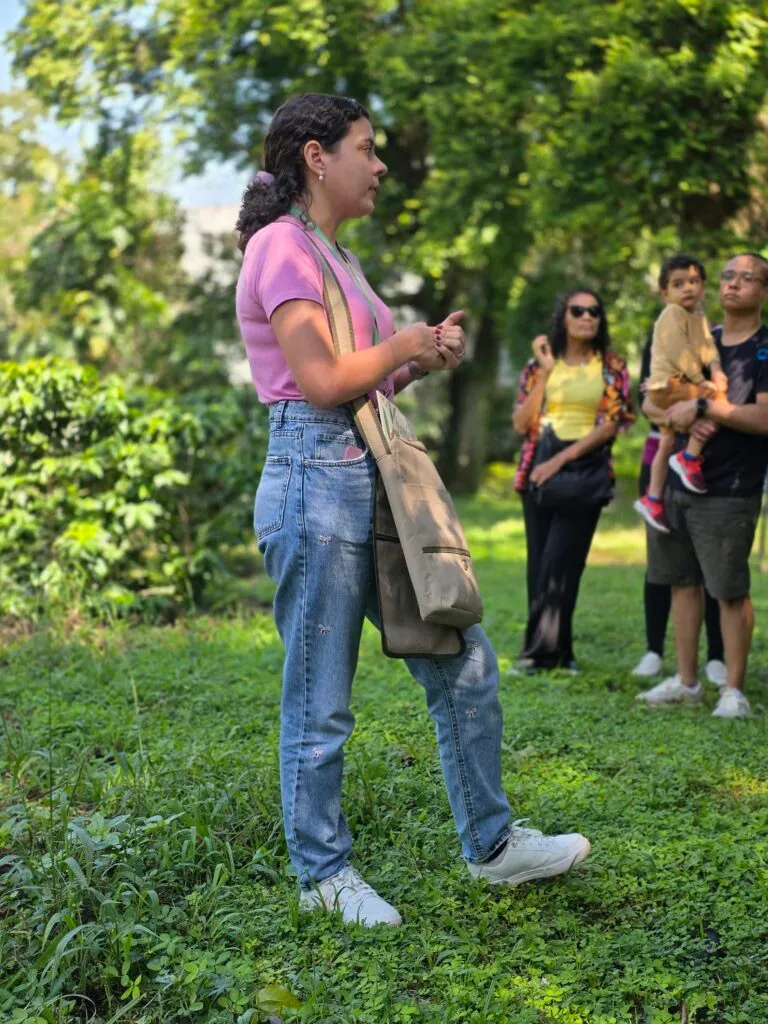
I joined a group of about 20 visitors, all from São Paulo. We kept saying, “I’ve lived in São Paulo all these years and had no idea coffee was being grown right here in the city.” Leading the tour was Beatriz Vaz, a future researcher at the institute. As we followed her, she explained the farm’s work on some of the most damaging pests in coffee farming.
“With the coffee beetle borer, we worked with a specific type of parasitic wasp and entomopathogenic fungi to eliminate the pest,” she told us. “After testing the whole Cafezal, we saw the results of this management approach: Practically 90% of the farm was pest-free, without the use of pesticides.”
Between the neat, grassy rows of experimental coffee varieties, I noticed the pristine green of their leaves. Surely there was more at play than just a biological pest management system?
“No, it’s 100% organic,” Vaz said. “No fertilizers, no additives. Just really progressive management and research.”
As the tour went on, our group walked past a patch of sugarcane stalks. Their bamboo-like stems reminded me of their hardiness—a sharp contrast to arabica, which needs constant research and development to survive in a warming world.
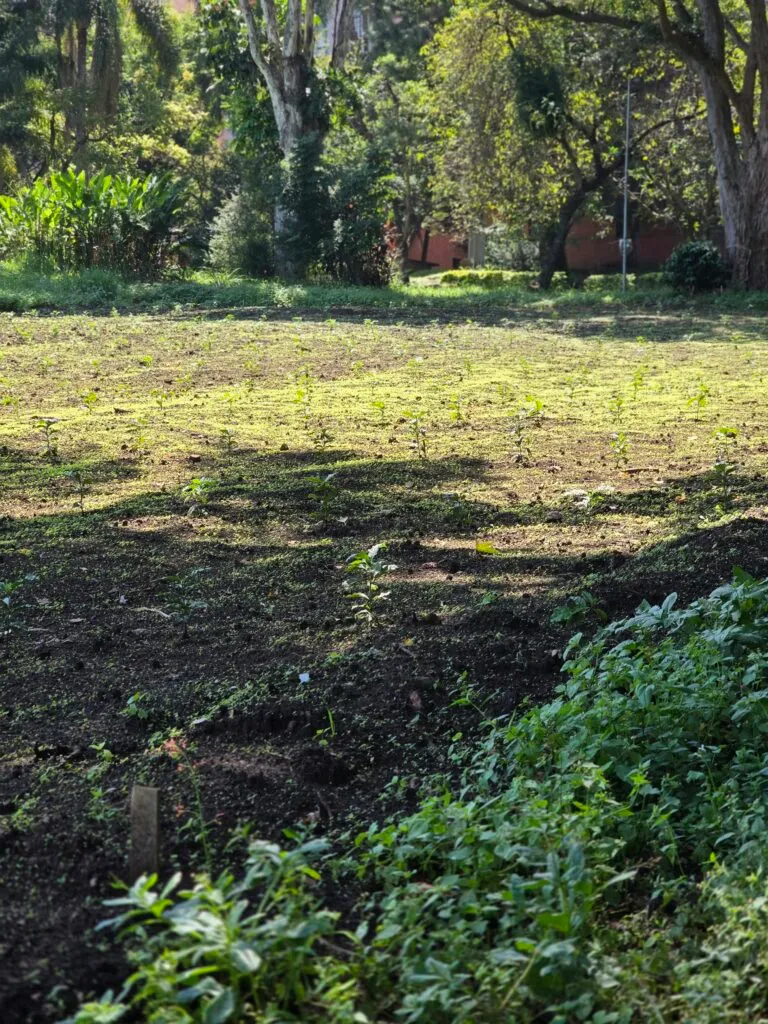
Next, Vaz stopped at a small field of freshly tilled soil with newly planted coffee seedlings. “We’re planting some new Obatã and Catuaí varieties here, sent over from the IAC,” she said.
The IAC, or Agronomical Institute of Campinas, has researched and developed some of Brazil’s most famous cultivars, including Catuaí and Mundo Novo. In fact, almost every Brazilian arabica coffee you’ve ever tried has likely been connected to the IAC.
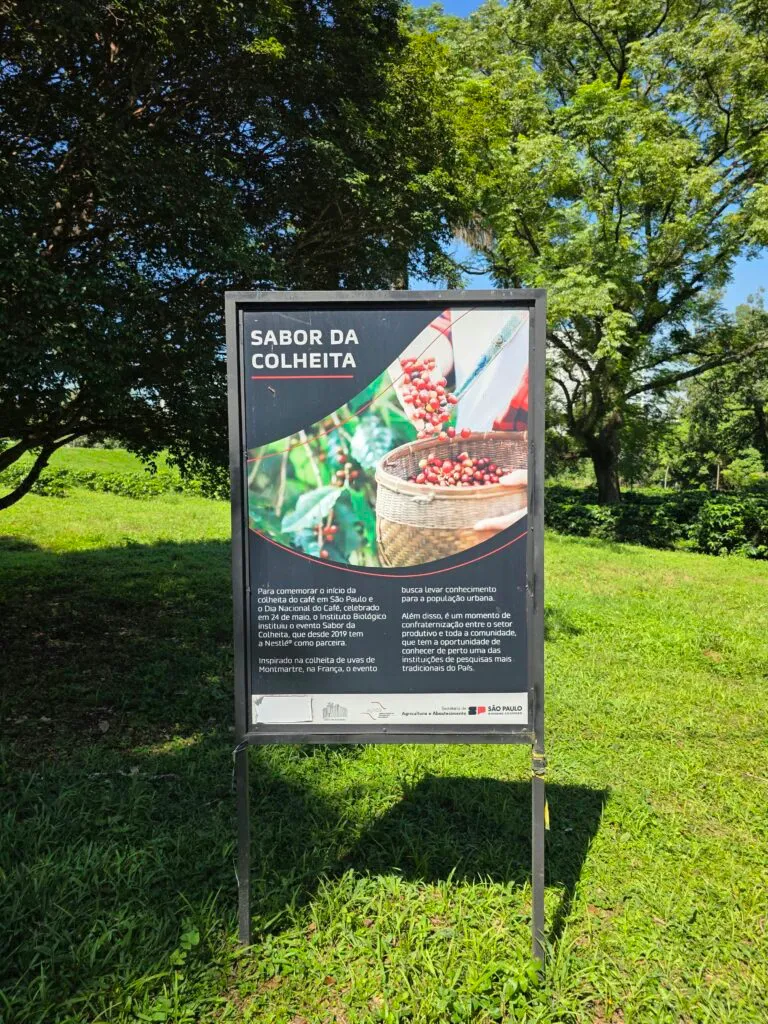
For decades, the Biological Institute has collaborated closely with the IAC to test new varieties for disease resistance and tolerance to extreme climate variations. By serving as a testing ground for the Agronomical Institute of Campinas, the Cafezal Urbano is more than just the world’s largest urban coffee farm. It is becoming a leading research and development center in its own right.
I noticed a small area that had been recently tilled. Little lime-green stems sprouted from the soil. I looked at Vaz, whose eyes lit up. “Just a few weeks ago, we received more than 900 seedlings from the IAC, including some varieties we’ve never tested before,” she said.
As climate change continues to harm coffee production, some of these more resilient, lab-tested coffees—with no-nonsense code names like IAC RN 125 and IAC SH3—could be the answer Brazil’s coffee industry needs. Vaz said she believed these new varieties, along with the farm’s commitment to regenerative agriculture, are essential to combating coffee-related diseases and climate change. But she also acknowledged that the process is slow.
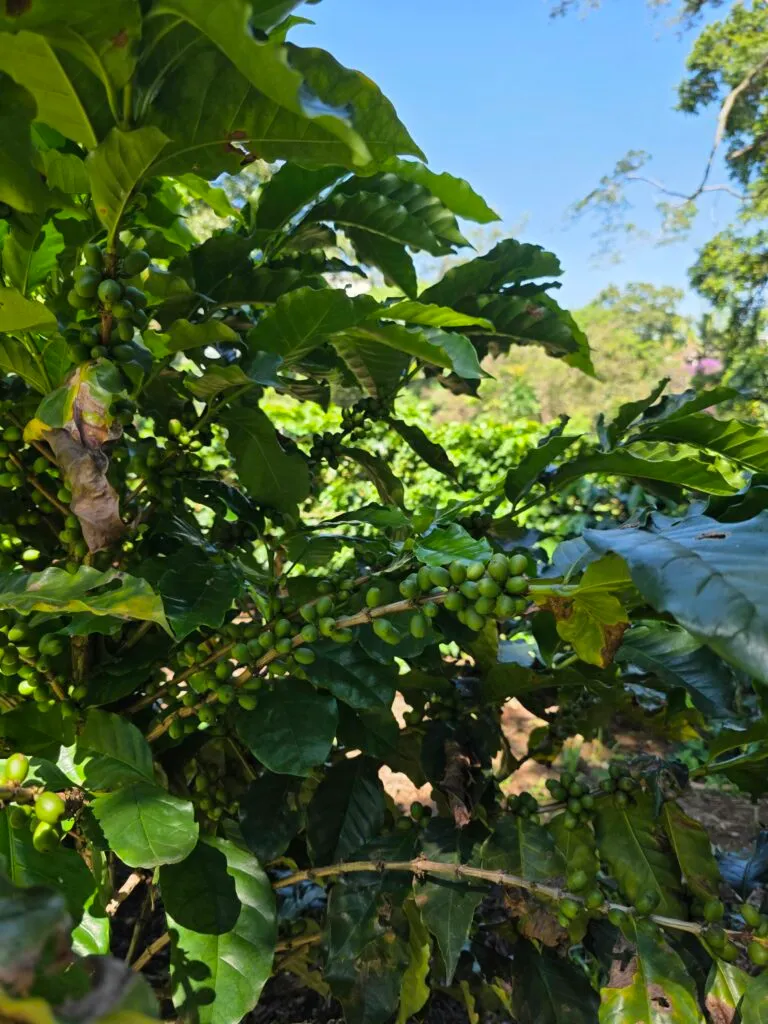
“It takes a really long time to see the results from our tests. We want to create a platform for producers, to spread accurate information from our research, but again, these things don’t happen overnight,” she said. “For example, with the bicho mineiro coffee leaf miner insect, which is a huge problem for Brazilian farmers, we’ve just started getting some data from our newer varieties. But we are still very much in the initial phases.”
As Brazil’s only urban coffee farm, the Cafezal Urbano is deeply connected to the Biological Institute’s long history of coffee disease research. And in the coming decades, it could produce some of your new favorite beans. As our group dispersed, I asked Vaz what excited her most. She smiled as she looked out over the trees.
“The majority of the original coffee trees planted here were replaced by newer, more resistant varieties. And, because they are all grown organically here on the farm, it is going to be so exciting to watch and see which ones are able to thrive.”