Two Colombian Coffee Growers on How Regenerative Farming Reshaped Their Work
In Colombia’s coffee regions, producers are rethinking cultivation methods. Two growers describe how soil-focused practices brought changes to their farms and communities.
By Casey Adams4 min read
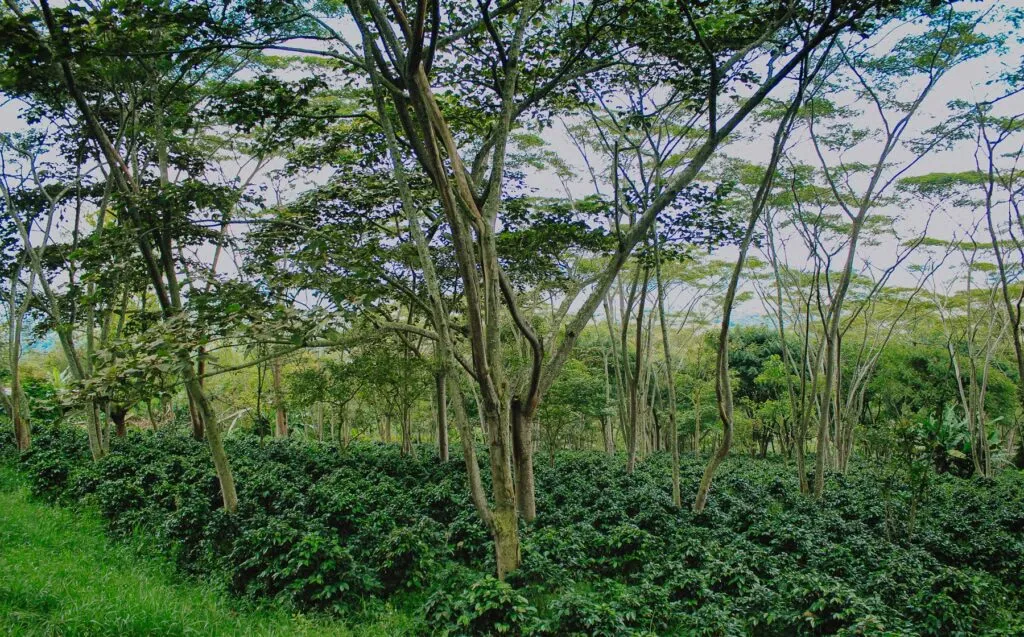
In Colombia’s main coffee-growing area, longstanding cultivation methods have traditionally shaped the sector. In recent years, however, growers around the country have started adopting practices aligned with regenerative agriculture—an approach centered on soil health. For two producers, these methods have brought significant changes: better coffee quality, greater biodiversity on their land, and more diversified crops. Their experiences have encouraged other growers in Colombia to consider similar practices and find ways to apply them.
Traditional Production and Early Experiments
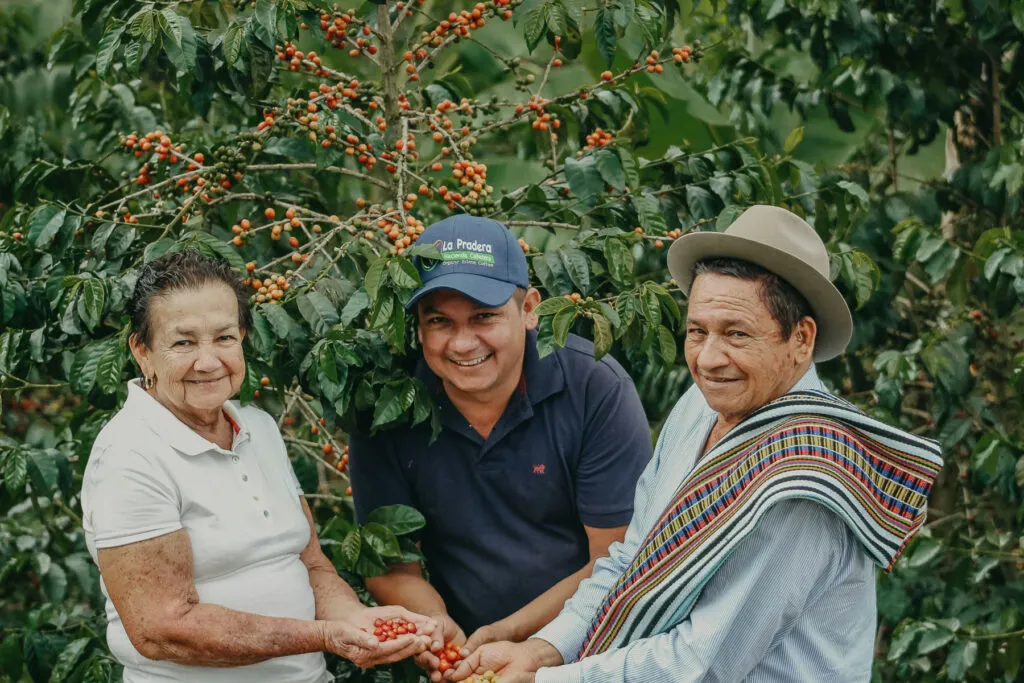
Oscar Daza is a third-generation coffee producer at Hacienda La Pradera, in Aratoca, a town in the Santander department of northeastern Colombia. For him, coffee cultivation initially meant following ancestral methods passed down through the generations. About a decade ago, he began trying out regenerative practices.
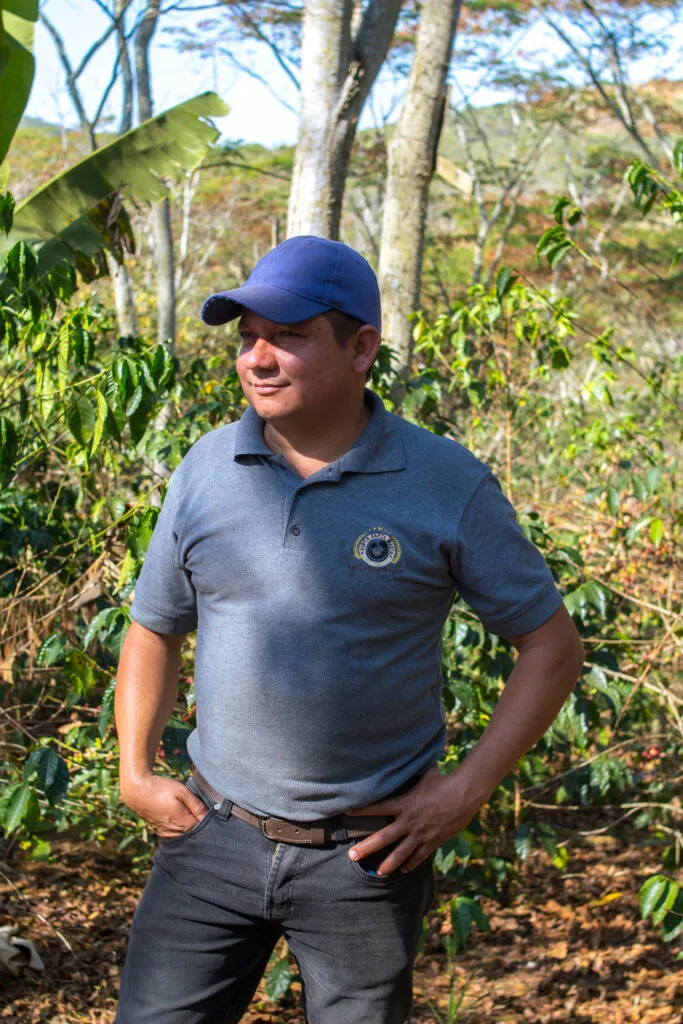
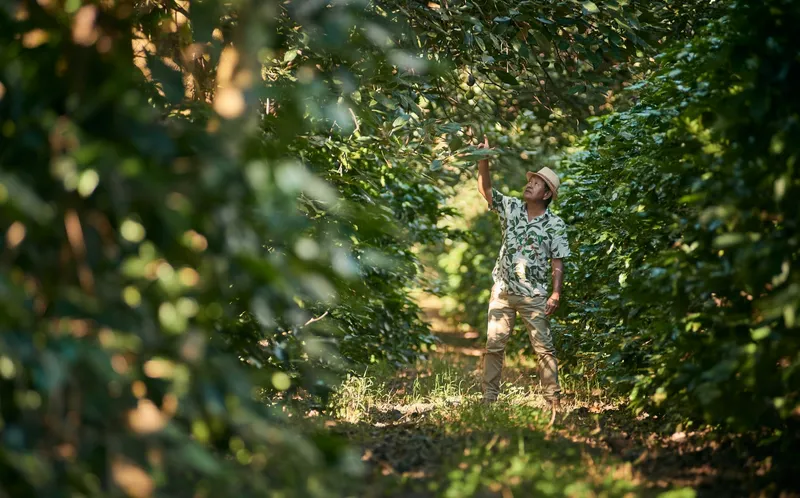
Oscar Daza
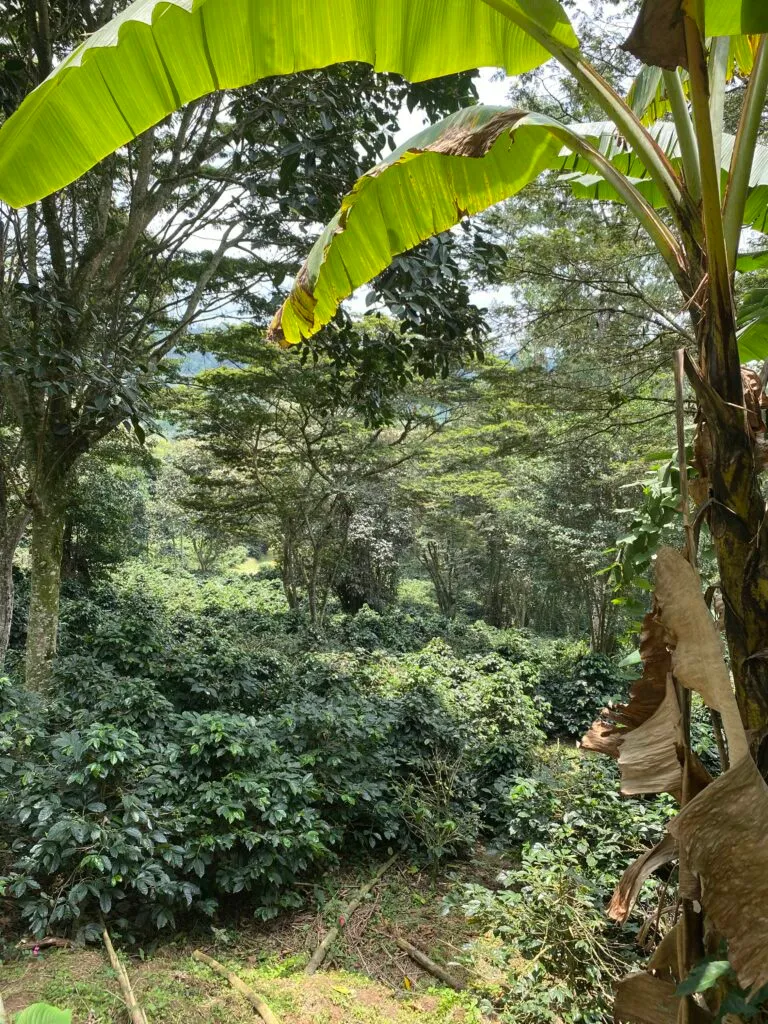
Before Oscar took charge of the family farm, the operation used timber trees for shade. He soon observed that these trees were depleting the environment and the coffee plants of essential nutrients. The farm then introduced a new system with eucalyptus and pine trees to raise nitrogen levels in the soil. “Throughout the ten years of implementing this new system of producing coffee,” he says, “we were able to improve our coffees and experiment with different technologies to improve our shade-grown coffee.”
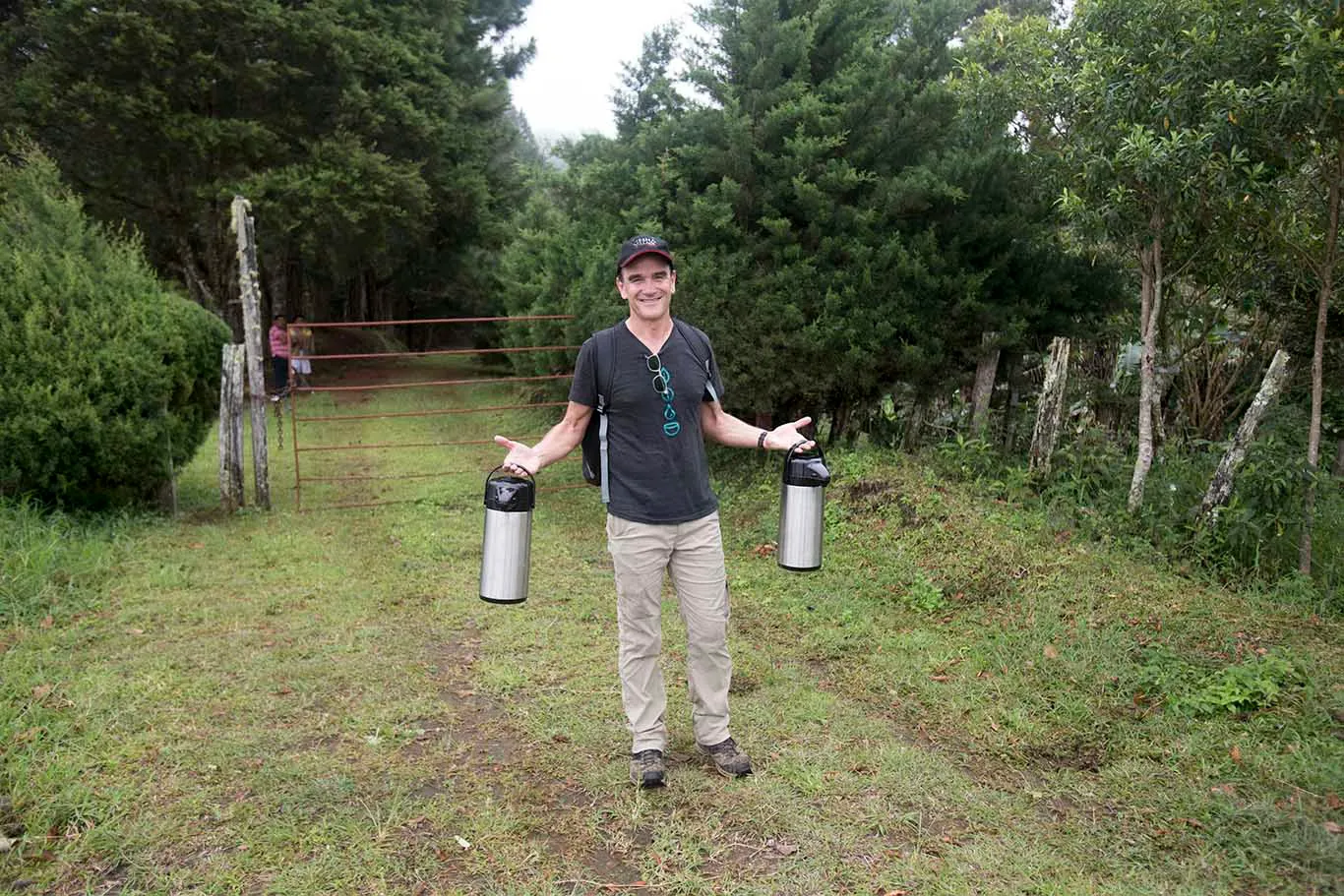
Francisco Tamayo, of Finca La Primavera in Silvania, just outside Bogotá, encountered a similar challenge and started looking into regenerative practices after noticing soil problems. “When we began producing coffee in 2012, we quickly learned that the soil was deteriorated and had a high acidic pH level,” he says. “This meant we had to implement basic regenerative practices to regenerate the soil, such as applying rocks, compost, and microorganisms to the soil, which helps make nitrogen and phosphorus more available to the plant.”
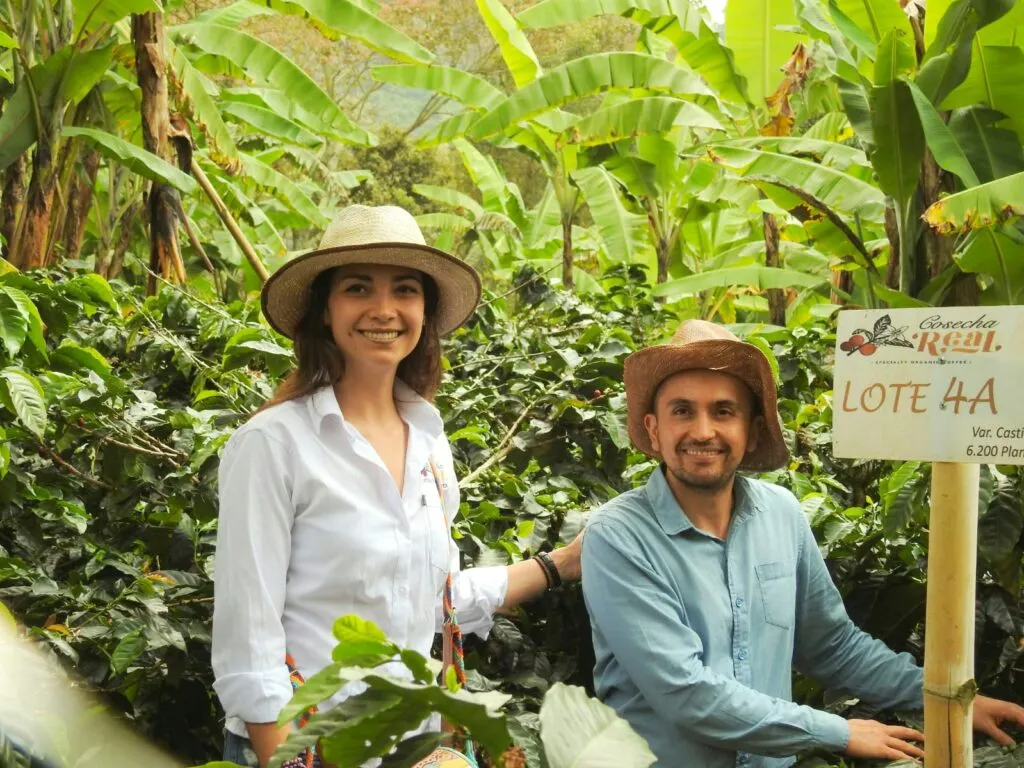
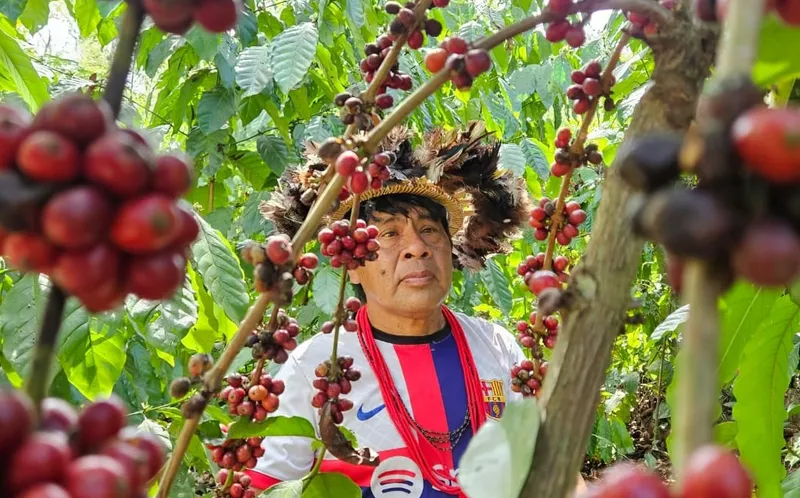
Francisco Tamayo (right)
As Daza and Tamayo adopted practices such as cover cropping, composting, and agroforestry, they saw notable changes on their farms. “Our soil became alive again,” Tamayo says. “After making yearly soil assessments, we continuously saw our soil improve drastically due to the implementation of these regenerative practices. Our plants now have readily available nutrients and properties, which gives us a more stable production. We saw an increase in biodiversity, with birds and insects returning to our fields.”
The shift to regenerative agriculture was not only about improving their farms—it was also a personal process of discovery and change. “Regenerative farming opened our eyes to a new way of thinking about our relationship with the land,” Daza says. “It’s about working with nature, rather than against it.”
A Growing Movement Across Colombia
In coffee regions throughout Colombia, a regenerative movement is building momentum, driven by the experiences of farmers like Daza and Tamayo. Producers across the country are paying attention to these practices, particularly in the communities where the two men live.
“We’re seeing increasingly more producers embracing regenerative practices,” Tamayo says. “It’s not just about growing coffee—it’s about caring for the land and ensuring its health for future generations.”
“Specialty coffee has, for the most part, been focused around the cup, flavor profiles, processes, varieties, etc,” Tamayo says. “However, with the effects of climate change and more businesses looking for more environmentally responsible producers, our model is finally becoming more visible and rewarded for our sustainable practices.”
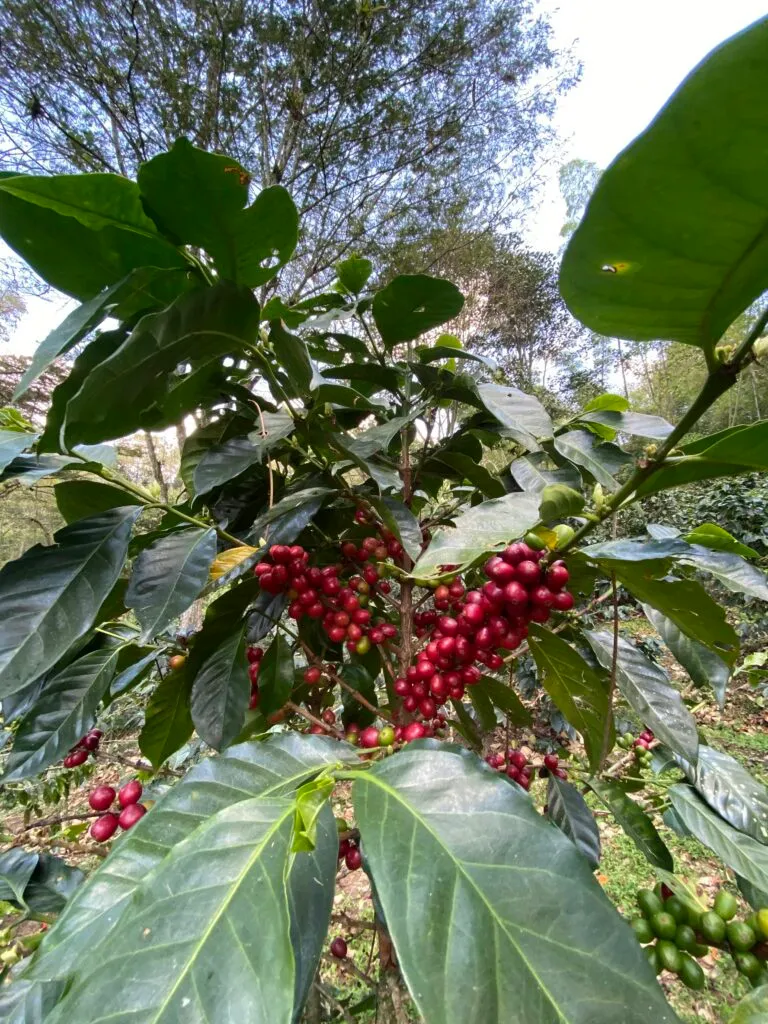
The National Federation of Coffee Farmers (FNC) has also committed to social, economic, and environmental goals by 2027. Part of this includes a plan to create a more sustainable coffee-producing ecosystem for the country. The environmental component of the plan covers six areas: Water, Land, Biodiversity, Waste, Energy, and Emissions—all of which are relevant to regenerative agricultural practices.
While regenerative practices may affect yields for some producers, there are economic benefits that extend beyond high volume. A 2015 study found “that shade management of coffee farms does increase ecological sustainability, but in general gives lower yields of coffee. However, shaded coffee systems have the potential of increasing economic resilience for farmers by providing diversified income possibilities.”
Effects on Local Communities
The adoption of regenerative agriculture is not only changing how coffee is produced but also bringing positive effects to local communities in Colombia. Because he does not use fertilizers, pesticides, fungicides, and herbicides, Daza says “that more labor is required on the farm, which has created more employment locally and gave us an opportunity to give great benefit to workers and their families.”
Regenerative agriculture also helps communities withstand the effects of climate change. “With climate change all around us, regenerative agriculture has allowed us to be resilient against the effects of climate change,” Daza says. By promoting biodiversity, improving soil health, and enhancing ecosystem resilience, regenerative farming practices help reduce the impacts of extreme weather events and environmental degradation on local communities.
The move toward regenerative agriculture is reshaping Colombian coffee production and positioning the country as a global leader in sustainable farming. As Daza and Tamayo look ahead, they see many possibilities for regenerative agriculture to transform the Colombian coffee industry.
“We’re not just growing coffee,” Tamayo says. “We’re nurturing a movement—one that has the power to change lives, landscapes, and the world.” Regenerative agriculture is gaining ground in Colombia, offering a promising way to preserve the country’s coffee heritage and support a more sustainable future for coming generations.