Bridging Language Gaps for Fair-Trade Coffee Growers
Free translation services aim to help farmers connect with consumers and share their stories.
By Quinn Ross2 min read
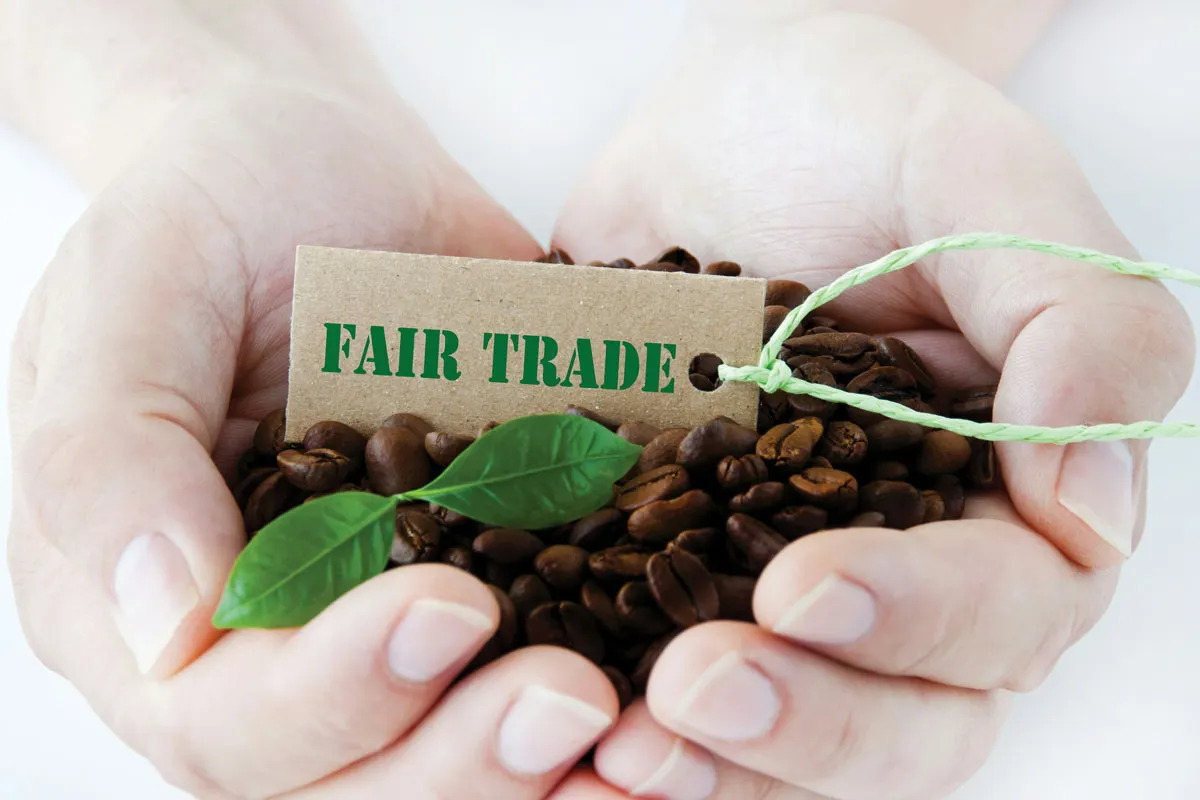
Coffee’s status as a major global commodity is clear, but the money it generates does not always flow back to the people who grow it. Farmers and workers frequently receive insufficient compensation for their harvests. The fair-trade movement has emerged to address this imbalance by working to secure fair prices for farmers, encourage sustainable agriculture, and improve living conditions in farming communities. Yet one significant hurdle remains for many farmers—whether they participate in fair trade or not: limited access to education. In particular, language differences can prevent farmers from connecting with buyers and telling the story behind their product. In a crowded global market, effective communication is essential.
One Hour Translation (OHT), an online translation service, recognized this gap and in December began providing free translation to fair-trade producers worldwide. The same high-level translation used by large international corporations is now offered at no cost to small, fair-trade-certified coffee farms that want to communicate their commitment to quality to consumers in hopes of earning better returns. “Fair trade reflects values from our company vision,” said Yaron Kaufman, co-founder of OHT. “We are minimizing the language and cultural barriers between companies and people. We facilitate their communication and trade abilities with each other. Offering fair-trade … growers (and their representatives) the ability to communicate with their target markets—by translating with us for free—is a natural choice for One Hour Translation.”
OHT describes itself as the web’s most comprehensive professional translation service, providing human translation in 73 languages to prominent clients such as Coca-Cola, Shell, and IBM. Each month, the company translates millions of words through specialized departments focused on fields like software, marketing, and aerospace. The organization’s scale illustrates how vital communication is in international trade—and how severely language barriers can hinder small businesses. “We were thinking of a way to give back to the global society in a way that helps those who could really benefit from our services,” Kaufman said. “We checked our databases and discovered that fair-trade organizations are using our services constantly.”
The company has since partnered with two major fair-trade organizations—Fair Trade USA and Fair Trade South America—as well as a growers’ representative in Tanzania. Kaufman noted that OHT has received numerous other applications to join the program. “If a farmer or an organization representative wants to participate, all they need to do is to contact us. We train them how to use the service, create an account for them and add credits which can be used to send translation projects around the clock.”
Fair-trade sales are expanding quickly. Fairtrade International recently reported a 16 percent increase in the total number of producers since 2011, indicating a substantial market for fair-trade-certified goods. As that market continues to grow, OHT is positioned to play a key role in fostering a fairer coffee community, smarter farming practices, and a more ethical supply chain.