Why Washed Coffee Still Holds Its Ground in a Changing Market
Despite a wave of experimental processing methods, washed coffee continues to be a preferred choice for producers, roasters, and importers, driven by market demand, roasting consistency, and ongoing efforts to reduce its environmental impact.
By Sawyer Carter6 min read
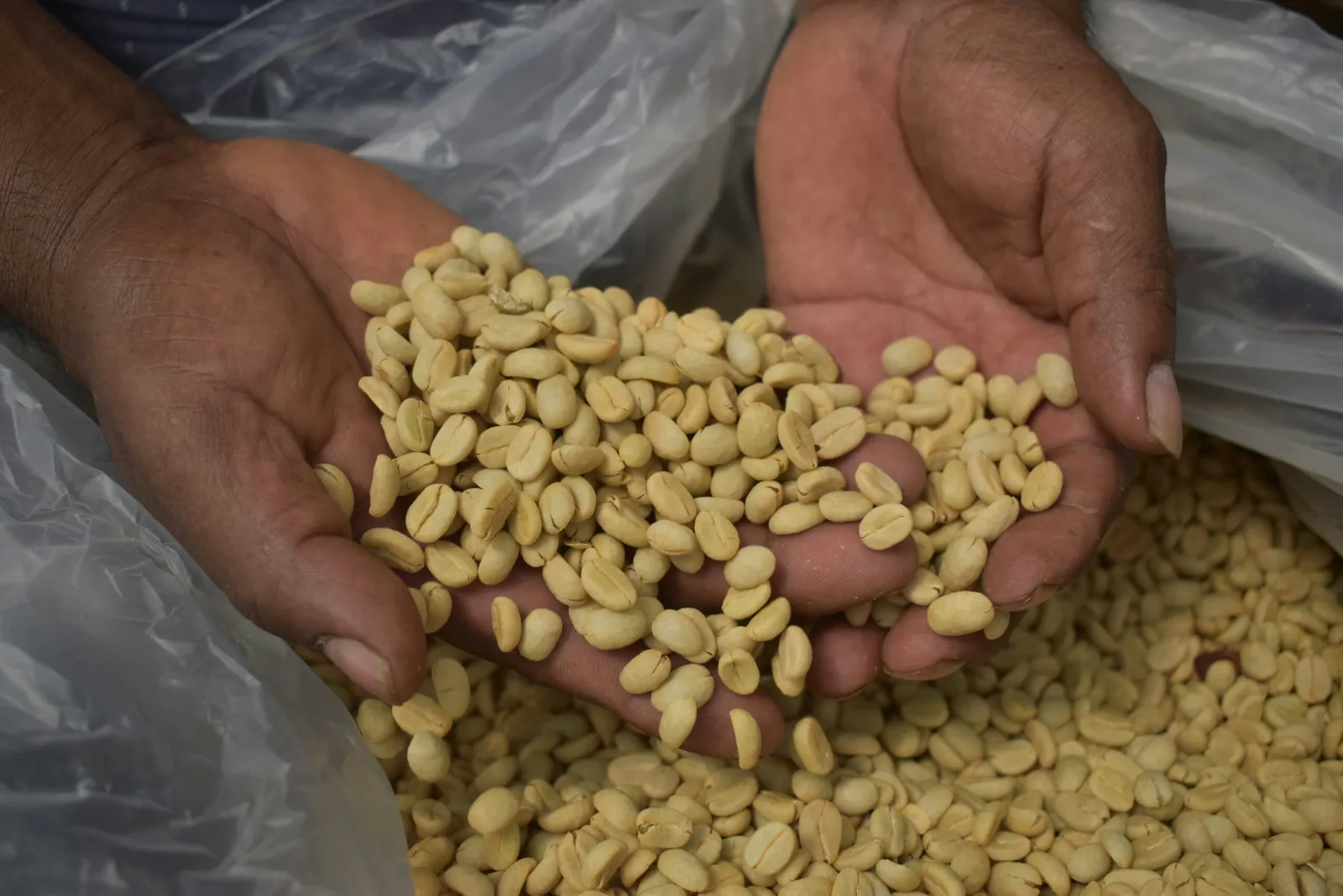
Coffee beans begin as the seeds inside the coffee fruit. To reach them, the skin, mucilage, and parchment—layers that protect and nourish the seed—must be removed through processing. After that, the green beans are roasted, ground, and brewed into the cup that many people rely on daily.
The washed process is one of the most common ways to strip those layers away. It uses water to wash the fruit off the seeds, and although the exact method varies by region, it is generally linked to clarity in the cup—some say it lets a coffee’s inherent flavors come through. The version of the washed process familiar today took shape in the 20th century.
Producers are now trying new techniques at the processing stage, searching for ways to improve cup quality. Even so, farmers around the world say washed coffees remain popular and continue to hold their own in a time of rapid change and experimentation.
Buyer Demand and Regional Habits Shape Processing Decisions
Producers weigh many factors when deciding how to process their coffee—weather, local traditions, cherry weight—but for many, the client and the market are central.
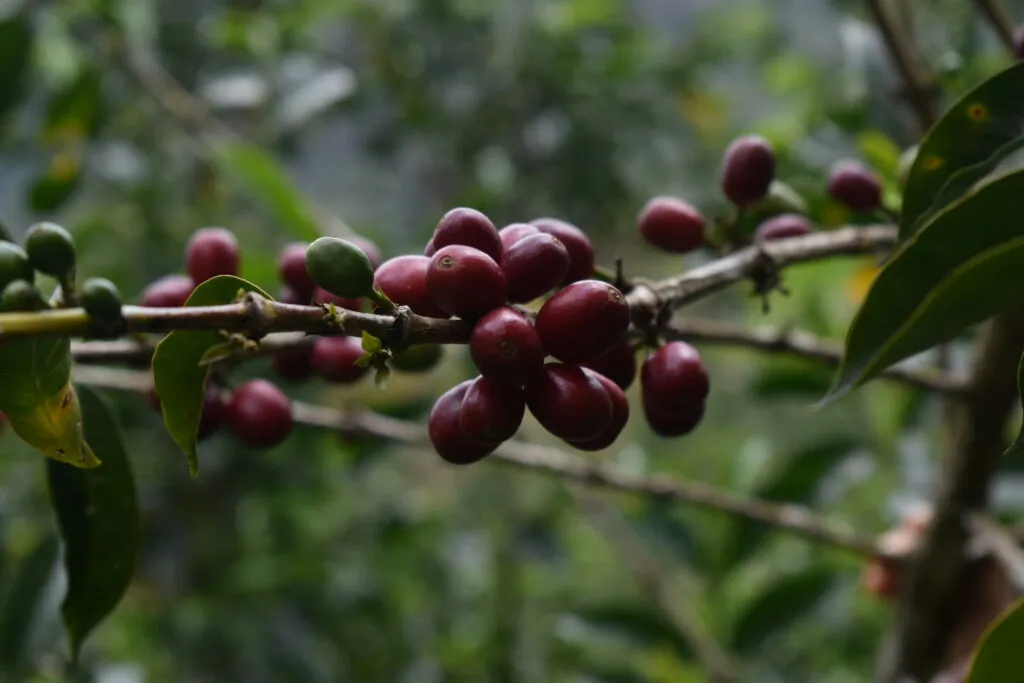
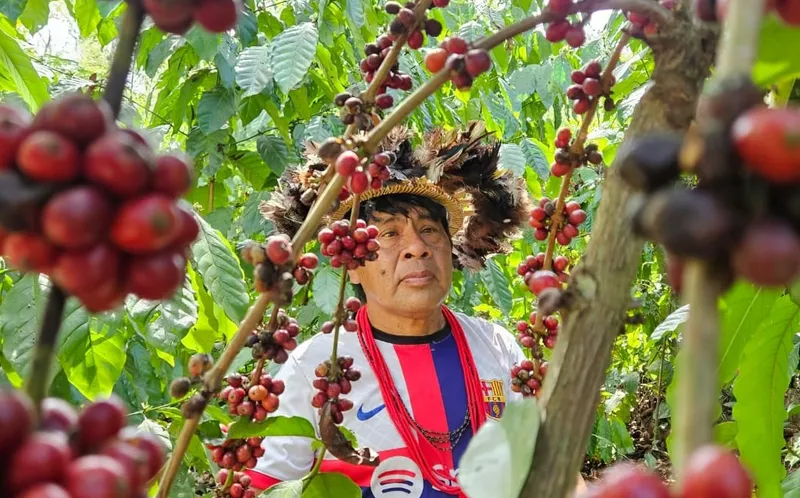
Cherries at Santa Luisa farm in Unchubamba, Peru
“We decide based on demand,” says Rohan Kuriyan, a coffee producer at Balanoor Plantations in Chikmagalur, India. Kuriyan coordinates with his buyers, and many of them ask for washed coffees. “We ask our buyers what they require, and based on the feedback we get, we process what is needed. There is no point in doing something that is not wanted by our buyers and then struggling to find a buyer for the coffee. The washed process allows us to provide our buyers and consumers with a uniform complex cup, bringing out high-quality, clean, bright flavors without extreme funkiness,” he says.
Regional customs also play a role. A region may have a预期 flavor profile or informal standards for what local vendors consider good coffee. “The process of washing coffee is widespread in Peru; it has always been practiced in Peruvian coffee growing,” says Dula Julcarima, a coffee producer at the Santa Luisa farm in Unchubamba, Peru. “The natural and honey processes are new for us because there is not much market in Peru to sell them. If we don’t find buyers, we have to sell it as discards.”
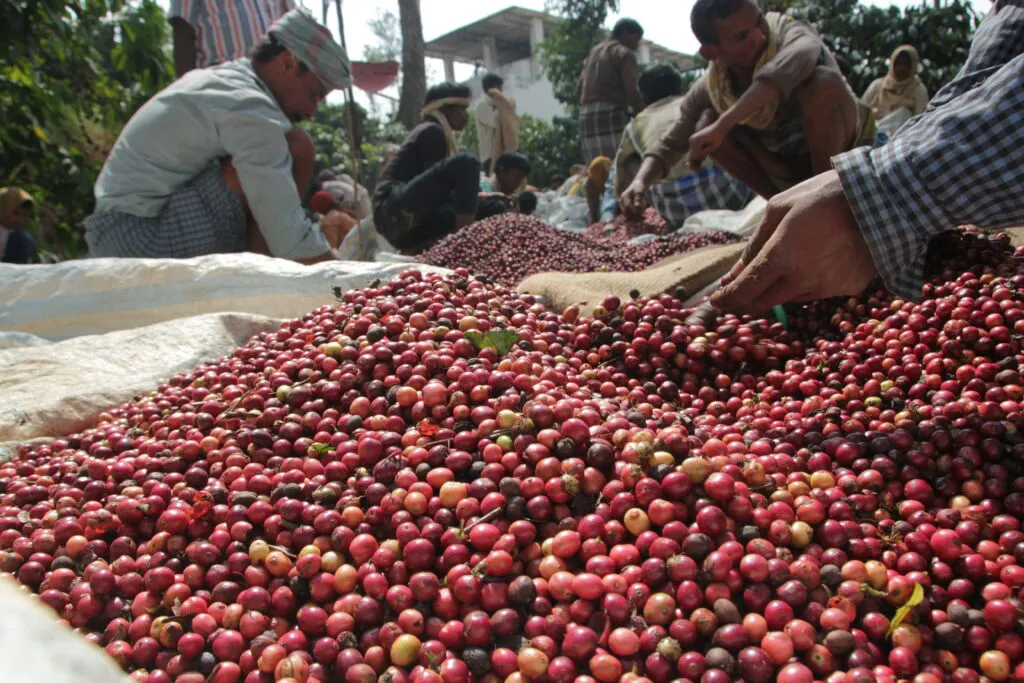
Cherry sorting at Balanoor Plantations
Still, Julcarima has not been untouched by other techniques. “In 2008, when I learned more about coffee processes, I decided to ferment a pulped coffee for 30-40 hours instead of the usual 12-18 hours. The coffee took on a yellowish color. When I tasted it, I got a nice raisin flavor, sweet and bright,” she says.
But testing new methods without a committed buyer carries real risk. “I did not find a market to sell this coffee,” Julcarima says. “The usual buyers in Peru refused to take it. I had to take the coffee to street buyers, but even they didn’t want to buy it because of the unusual color. They perceived it as poor quality coffee since it was very different from the usual washed coffees. Eventually, I had to sell it at a much lower price than normal.”
Why Roasters Lean Toward Washed Coffee
Many farmers make processing choices together with their buyers, but why do importers and roasters favor washed coffees? While not a universal rule, washed coffees tend to perform well both as filter coffee and in milk-based drinks.
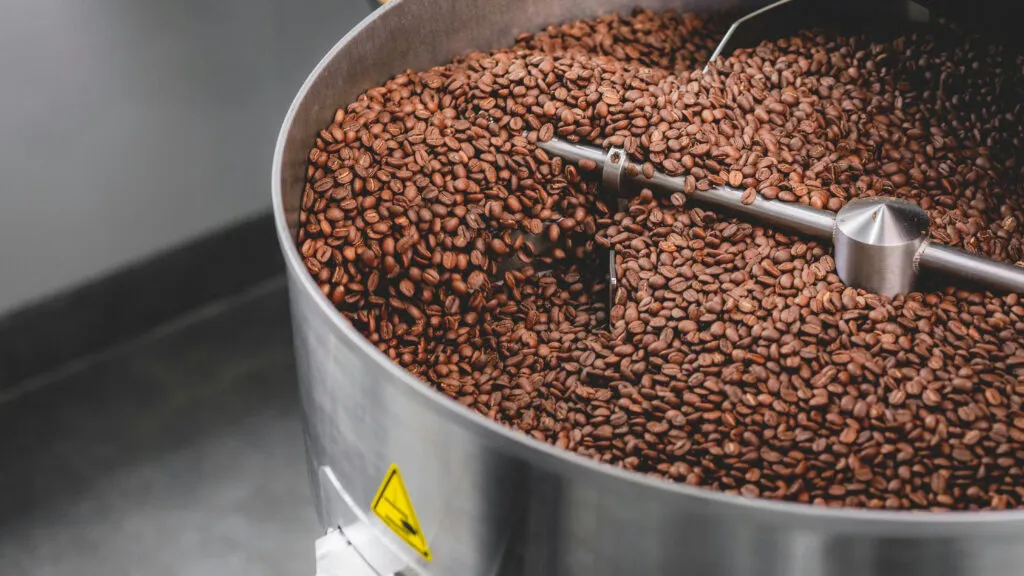
Cooling tray at Caarabi Coffee
Some also see washed coffees as highly adaptable. “When roasting commercially, we want coffees that will work great for standalone offerings as well as blends,” says Ajit Joshi, co-founder and roaster for Caarabi Coffee in New Delhi, India. “Washed coffees are usually quite balanced and do not have the funky flavors of naturals, honeys, and experimental processes, which consumers may not often associate with coffee.”
Beyond flavor and flexibility, Joshi finds washed coffees easier to manage logistically. “I also find washed coffees to be more shelf-stable. I have found naturals to go funky when held in storage at the roastery for long durations, but washed coffees won’t turn as quickly,” he says, referring to other popular methods—broadly, natural processing lets the cherry dry around the bean, while honey processing leaves some mucilage to dry on the bean. “Moreover, I find washed coffees easier to roast—they are more consistent and can stand more heat.”
“About 90% of the filter menu at my roastery is washed coffee,” says Stanislav Tyan, founder and roaster at Massimo Coffee in Almaty, Kazakhstan. “Due to processing-specific attributes, washed coffees are more stable for roasting, in my opinion. Washed coffees won’t develop as quickly as coffees processed by other methods, and the heat, especially at the first crack stage, is easier to manage with washed coffees, generally.”
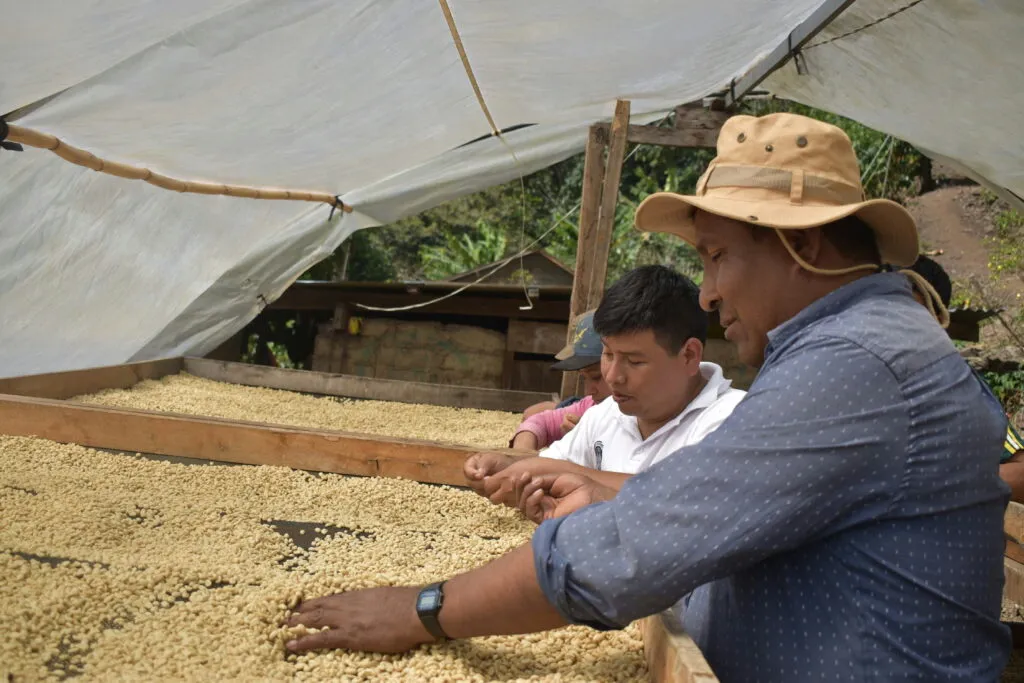
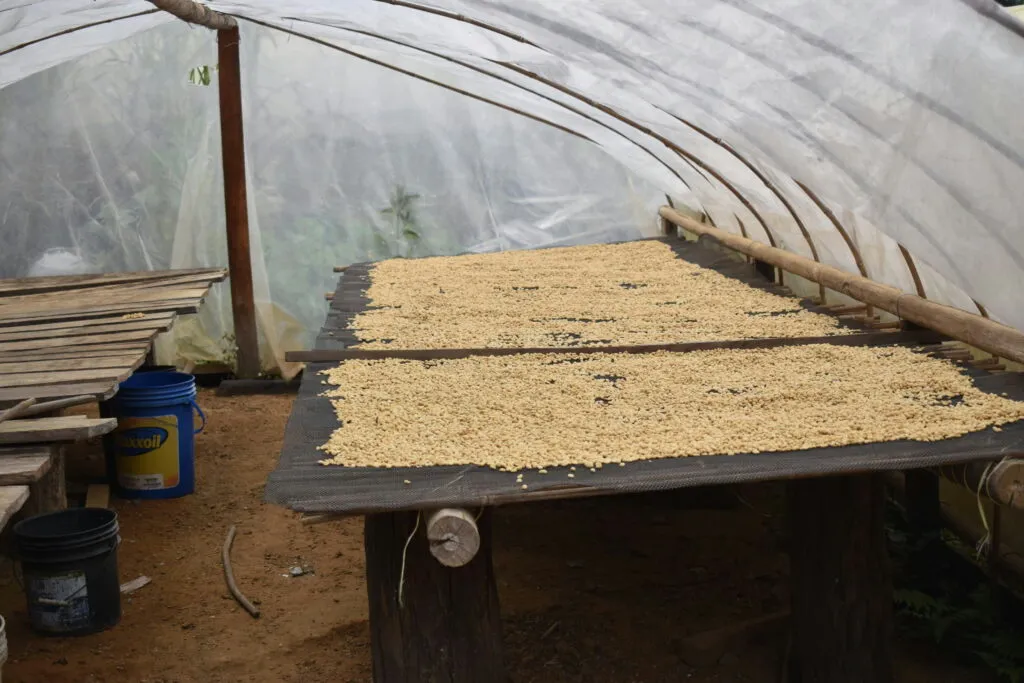
Michalina Sujewicz, an importer at the New Zealand branch of Opal Coffee, has observed that the buyers she works with base their processing preferences on how the coffee will be served, noting that buyers may pick more “experimentally processed” coffees for limited releases. She also sees washed coffees being purchased more quickly than other types. “This could be because washed coffees come in bigger volumes and roasters know their purpose for longer periods, while funkier coffees usually come to the country as smaller lots and may be available in smaller volumes; more thought goes towards making them a seasonal offering,” she says.
Cutting Water Use in the Washed Process
The washed process typically demands a lot of water, a resource that is becoming scarcer. What’s more, the water used cannot be reused or released into the environment without treatment because it carries high levels of BOD and COD (Biological Oxygen Demand and Chemical Oxygen Demand—two key indicators of how much oxygen is needed to break down organic matter in water, often a sign of pollution). If released untreated, it can cause significant water pollution and harm aquatic life.
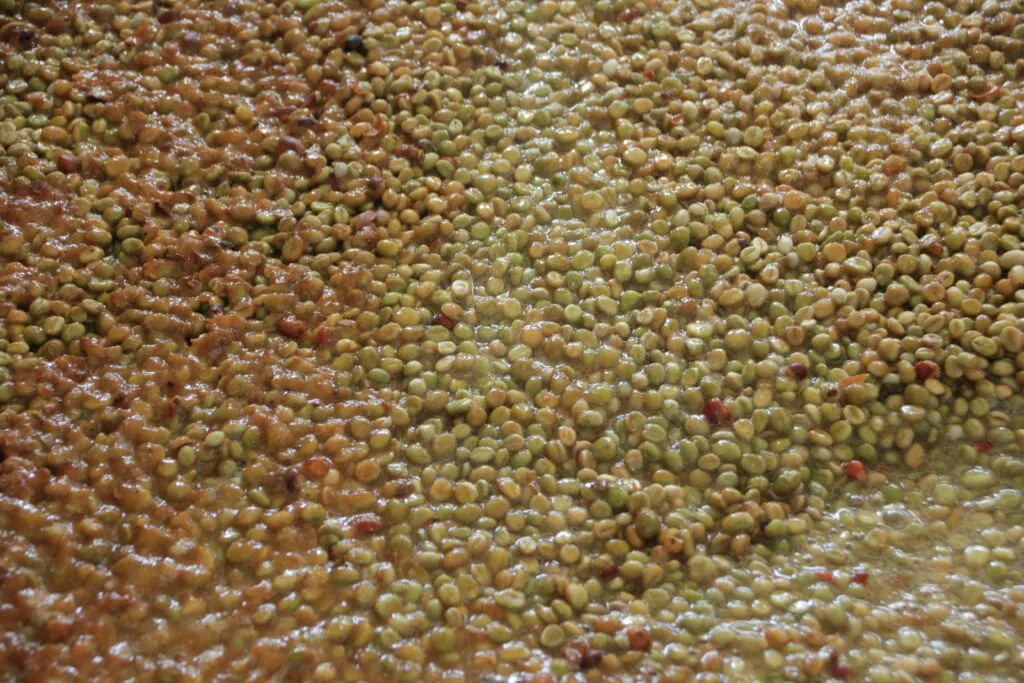
Pulped beans at Balanoor Plantations
Phạm Mạnh Hùng, a coffee producer at Hung’s Farm in Vietnam, has given this a lot of thought. His farm uses a three-part approach to shrink the environmental footprint of washed coffee. “We carefully sort the cherries before floating. This saves the amount of water we have to use in floating cherries, as the manual sorting step removes the unsuitable berries and other organic matter—leaves, twigs, etc., thereby reducing the volume and ensuring only the best, ripest cherries move forward,” he says. “Second, we very carefully monitor the fermentation. More efficient fermentation will lead to less water needed for washing away the mucilage. Lastly, we treat the water used for fermentation.”
Farmers are also putting money into wastewater treatment to limit their impact. “We put up an effluent treatment plant and holding tanks to contain and treat the water used for processing the coffee, ensuring no water leaves the estate untreated as it would contaminate the river near our farm,” Rohan shares.
Technology is helping too. “Newer machines are also being developed to make the process more resource-efficient,” says Francisco Quezada, specialty coffee producer at Finca La Labor, Montenegro Farms in Guatemala. “Our milling process is done with high-efficiency eco-equipment that helps us reduce our water consumption significantly.”
Each processing method draws out something different in a coffee, and more coffees are now being made with new techniques. Even so, washed coffees remain in demand throughout the supply chain. Making the washing process more environmentally sustainable still requires considerable work, but washed coffees have clearly endured, giving drinkers a clear and crisp expression of a coffee’s inherent flavor.
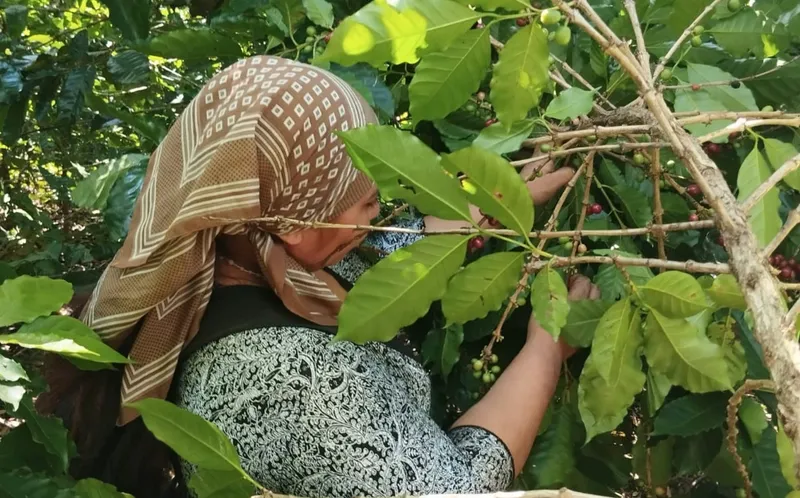
Cover photo from Santa Luisa farm in Unchubamba, Peru.