Same Lot, Three Treatments: A Tasting Lesson in Coffee Processing
A Milwaukee roaster's three-bag release shows drinkers how washed, semi-washed and natural methods shape the cup.
By Alex Martin2 min read
Roasters generally agree that how a coffee is processed matters enormously to what ends up in the cup—some would rank it behind only origin. Most customers, though, have never encountered the term processing, let alone understood how it influences flavor. The core difficulty is one of isolation: with so many variables interacting in a single cup, pinning a particular flavor on a particular method is hard to demonstrate. And processing is simply one more layer of complexity in a beverage that resists easy explanation. Short of a cupping lab stocked with dozens of coffees from many countries, processed across the full spectrum between washed and natural, how can a drinker learn which flavors trace to origin, which to varietal, which to roasting, and which to processing?

Case Study Series No. 1.
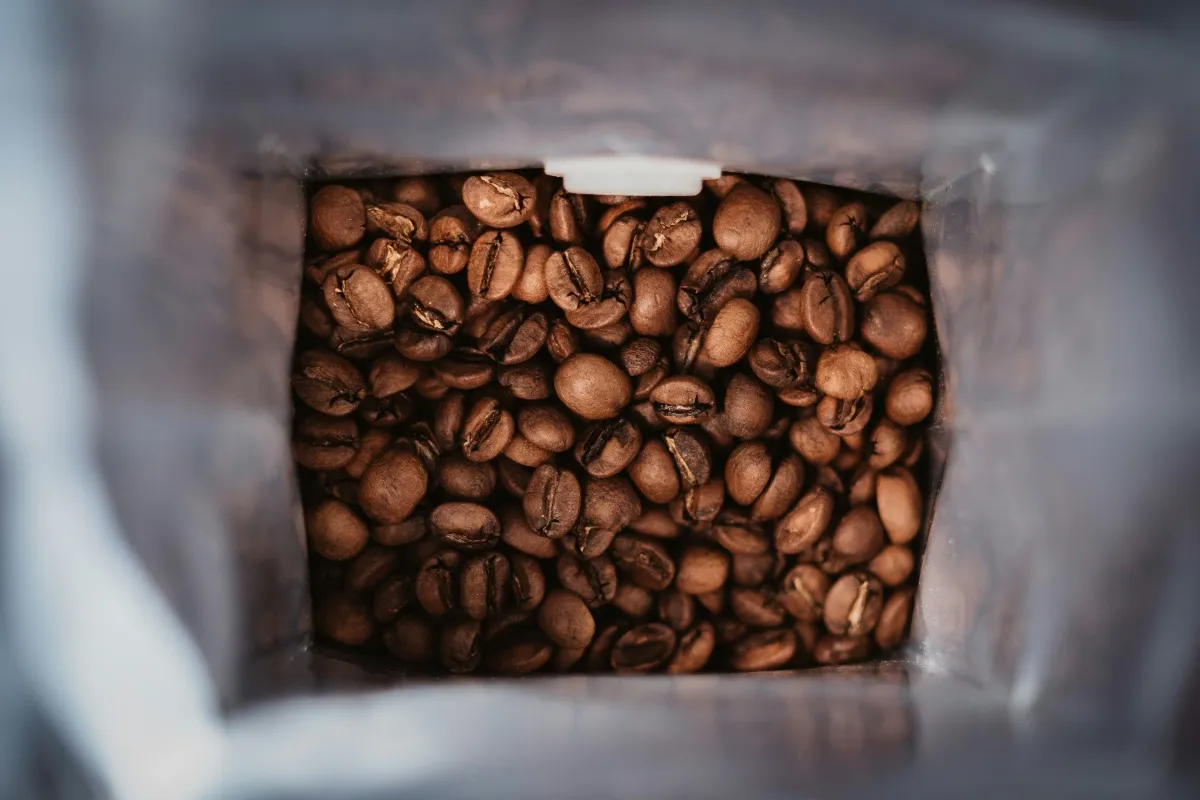
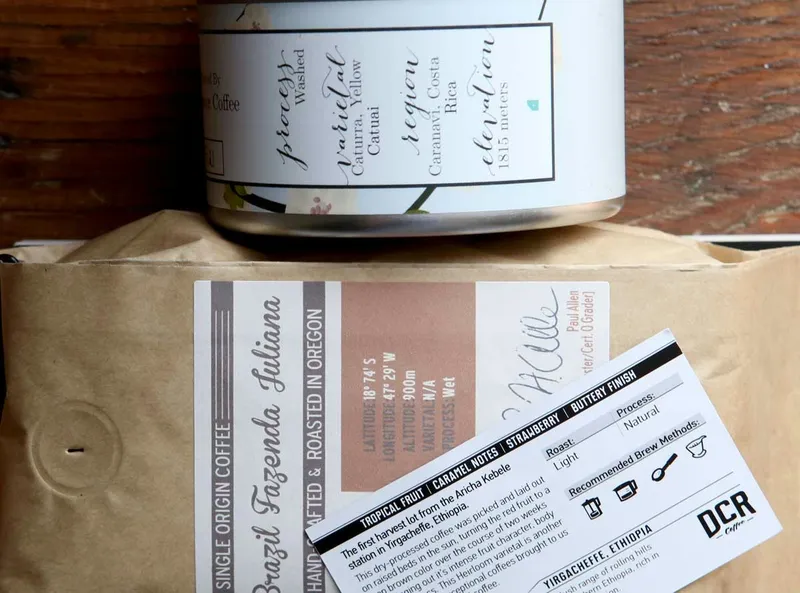
A few weeks ago, a Milwaukee-based roasting company sent our publication the first installment of what it calls its Case Study Series. The box held three eight-ounce bags, all filled with coffee from Finca San Sebastian in Antigua, Guatemala. More precisely, all three came from the same loamy soil of the farm's Santo Domingo lot, situated 1,500 meters above sea level, and all were yellow Caturra. The difference: one was washed, one semi-washed, one natural. Drawing a few breaths from each bag amounted to the most effective lesson on processing's influence on aroma I have come across.
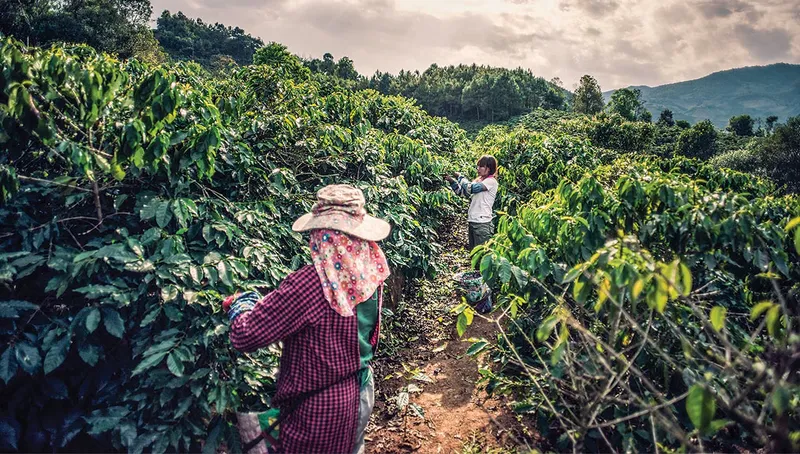
Christian Ott, director of coffee and green buyer at Stone Creek Coffee, toured the farm in January and observed cherries being put through several different processes. He asked whether coffee from a single lot could be handled three separate ways, and the farmers, Estuardo Falla Castillo and Edgar Cabrera Cozza, agreed. Once the coffees reached the cupping lab, Ott and the rest of the team saw that they had ordered a solid coffee and, beyond that, an unusually good teaching tool.
The processes announced themselves like horns, and it was obvious which was the trumpet, which the sax, and which the clarinet.
The shipment also included a poster-sized sheet: one side lays out the coffee's processing and origin, the other a diagram of the variables that shape flavor. Much of this is likely new to the customer—and Ott deliberately left off one item commonly printed on coffee packaging: tasting notes. His reasoning was that he did not want to bias the drinker's experience or use language that might alarm or confuse them.
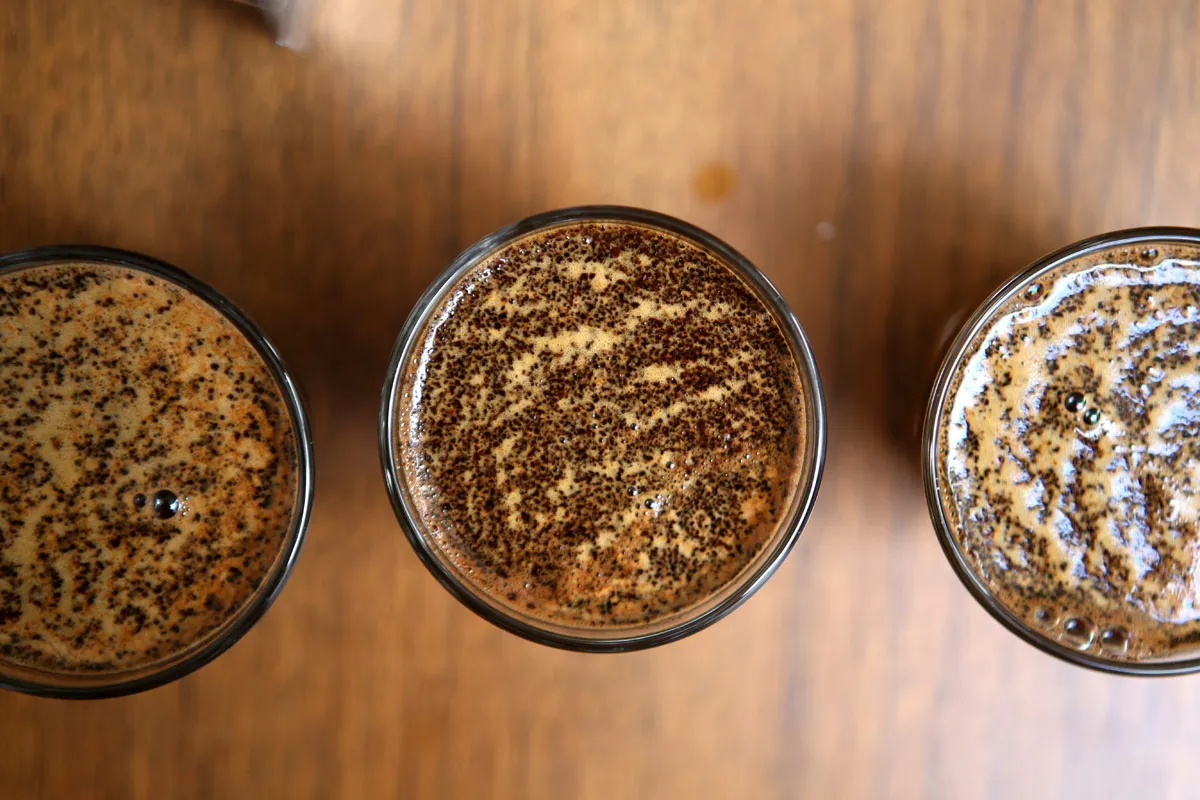
In our office, Steve Lanphier—roaster, consultant, friend of our publication and all-around good guy—led an informal cupping. Each stage of it offered a plain view of how the three processes altered the coffee. There was no guessing where the currant note in the natural came from, no squinting through a fog of variables to catch the subtle shift from washed to semi-washed. The processes announced themselves like horns, and it was obvious which was the trumpet, which the sax, and which the clarinet. More striking still, each was playing the same tune. They were plainly the same bean, grown in the same place.
Tasted side-by-side-by-side, processing moved from a vague factor to a clearly defined characteristic.