Place Names and Bean Names: A Lesson from Wine
Coffee is increasingly defined by origin and process, just as wine once was; examining how wine’s labeling conventions evolved can inform coffee’s own path.
By Morgan Hall2 min read
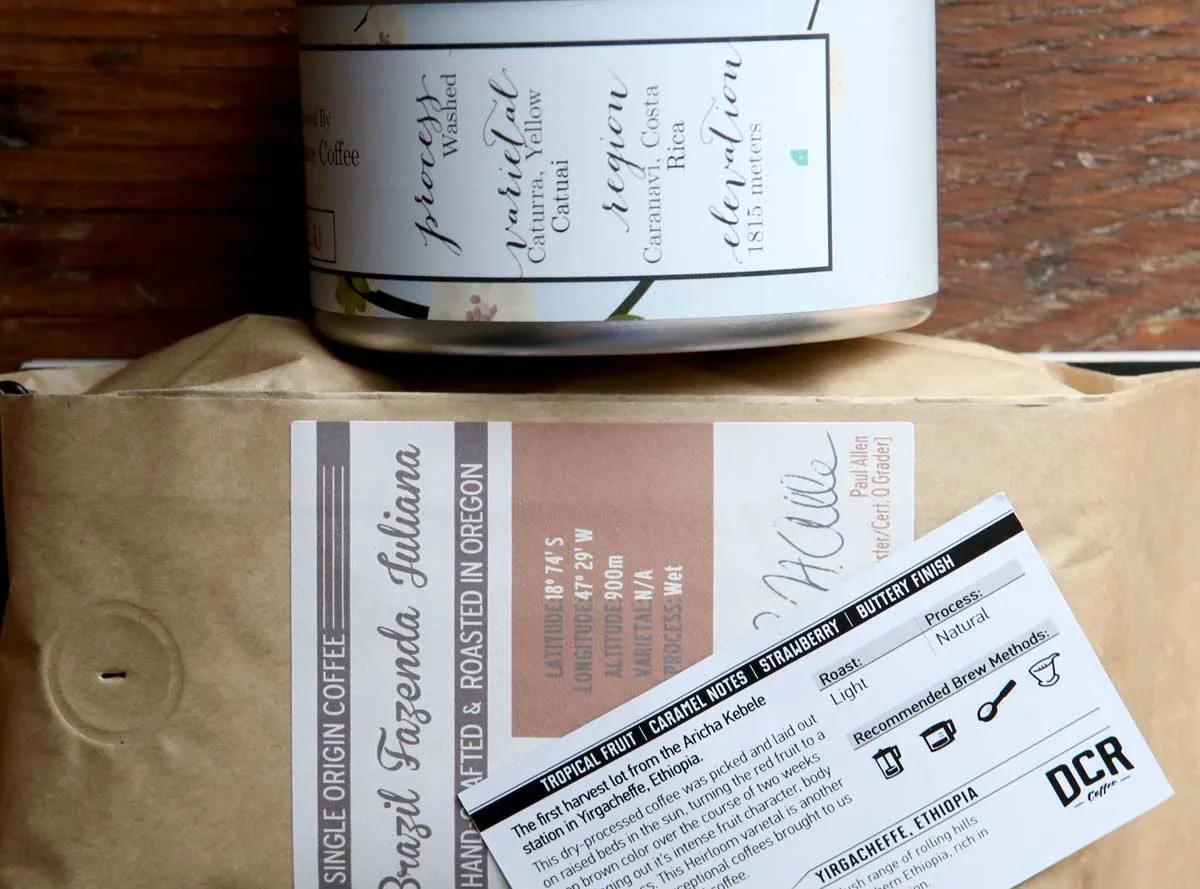
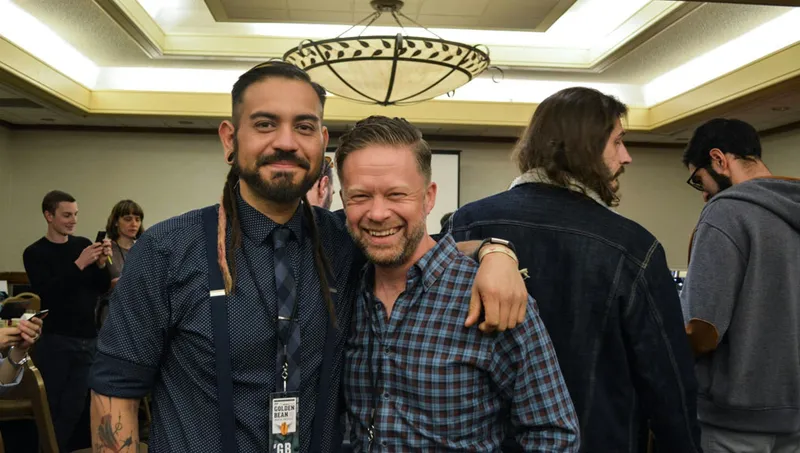
As coffee drinkers grow more attuned to the distinctions among beans and their subtle characteristics, curiosity about what ends up in a café shot or a home grinder has moved beyond the cupping lab and into everyday conversation. Jon Allen, owner and roaster at Onyx Coffee Lab, described how the dialogue with customers has shifted: people now ask him which naturally processed coffees he carries. They request specific processes—and this is happening in Arkansas.
That’s a win for roaster-led education, but it also creates a puzzle: how do you describe your coffees when one customer wants elevation details and another just wants something Italian-style? The responses have varied widely.
Looking at how other industries have handled this can be instructive. Wine is often cited as a forerunner, having traveled a path that coffee is now on or approaching. To understand how wine arrived at its descriptive conventions, I spoke with Paul Lukacs, author of several wine books, including The Invention of Wine.
“Nobody says to you, in France, ‘You mean sauvignon blanc?’ No, you want a bottle of Sancerre.”
Lukacs recounts in the book how Cistercian monks in Burgundy first articulated terroir and its influence on grapes around the turn of the first millennium. Terroir became so entrenched in European wine that varietal is barely considered. “You want a bottle of Sancerre,” Lukacs says. “Nobody says to you, in France, ‘You mean sauvignon blanc?’ No, you want a bottle of Sancerre. It’s made out of 100 percent sauvignon blanc, but no one thinks in terms of varietal because nothing else can legally be planted there and called Sancerre.” He adds that when a European wine bottle displays the varietal, it’s typically because the wine was intended for export to the United States.
In the U.S. and Australia, wine is discussed differently because growing regions are younger and experimentation with what grows best where is so extensive that no varietal has become synonymous with a single place. After World War II, vintners began using varietal names to describe their wines, driven in part, Lukacs says, by a wish to compete directly with French wine. In the 1970s, “Californian” wine signified little, but cabernet sauvignon could stand up to red Burgundy.
Four decades later, grocery stores arrange hundreds of wines from dozens of regions by varietal. Lukacs suggests this may not be the final stage. “Starting this century, which is now fourteen years old, there are people who are beginning to focus as much attention on place,” he says. “The person who thinks about this more says, ‘I really like Willamette Valley pinot noir, but I really like the ones from Dundee Hills.’” That person still says pinot noir, not just wine, but a day could come when a customer picks up a bottle and knows it’s merlot because it’s from Walla Walla, no label required.
None of this proves that terroir should or will become coffee’s primary descriptor. Varietal, processing, certification, tasting notes, and roast level all have a claim to best describing what’s in a bag. It could suggest a dual approach: minimal information for general-audience blends, detailed data for mid-level single origins, and a single place name for a $30 eight-ounce standout.