Bean Shelf Reckoning: A Coffee Professional's Guide to Retail Freshness
A roaster's view on why old beans on café shelves undermine years of effort—and practical steps to keep retail coffee moving before it goes stale.
By Riley Carter3 min read
The Shelf That Makes Me Wince
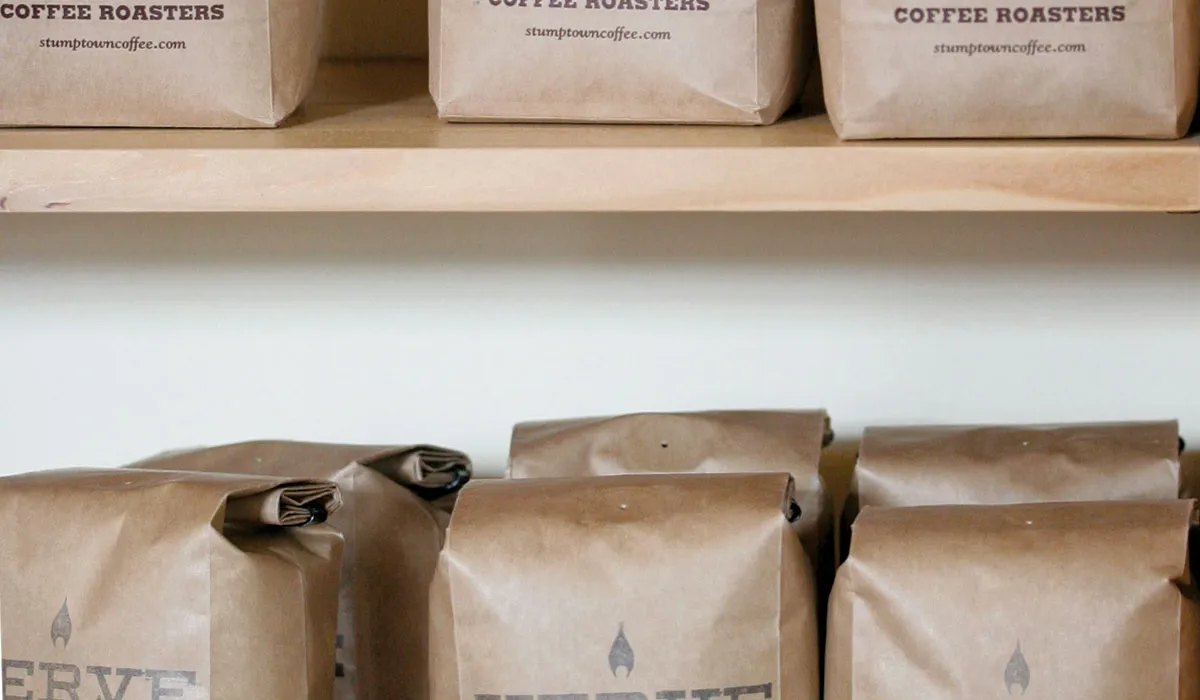
When I walk past the retail bean display in an independent café or grocery store, I often have to suppress a reflex. It isn't snobbery. It's the recognition that these shelves frequently hold coffee that is shockingly past its prime—not merely a couple of weeks off-roast, but often two, six, or even twelve months old.
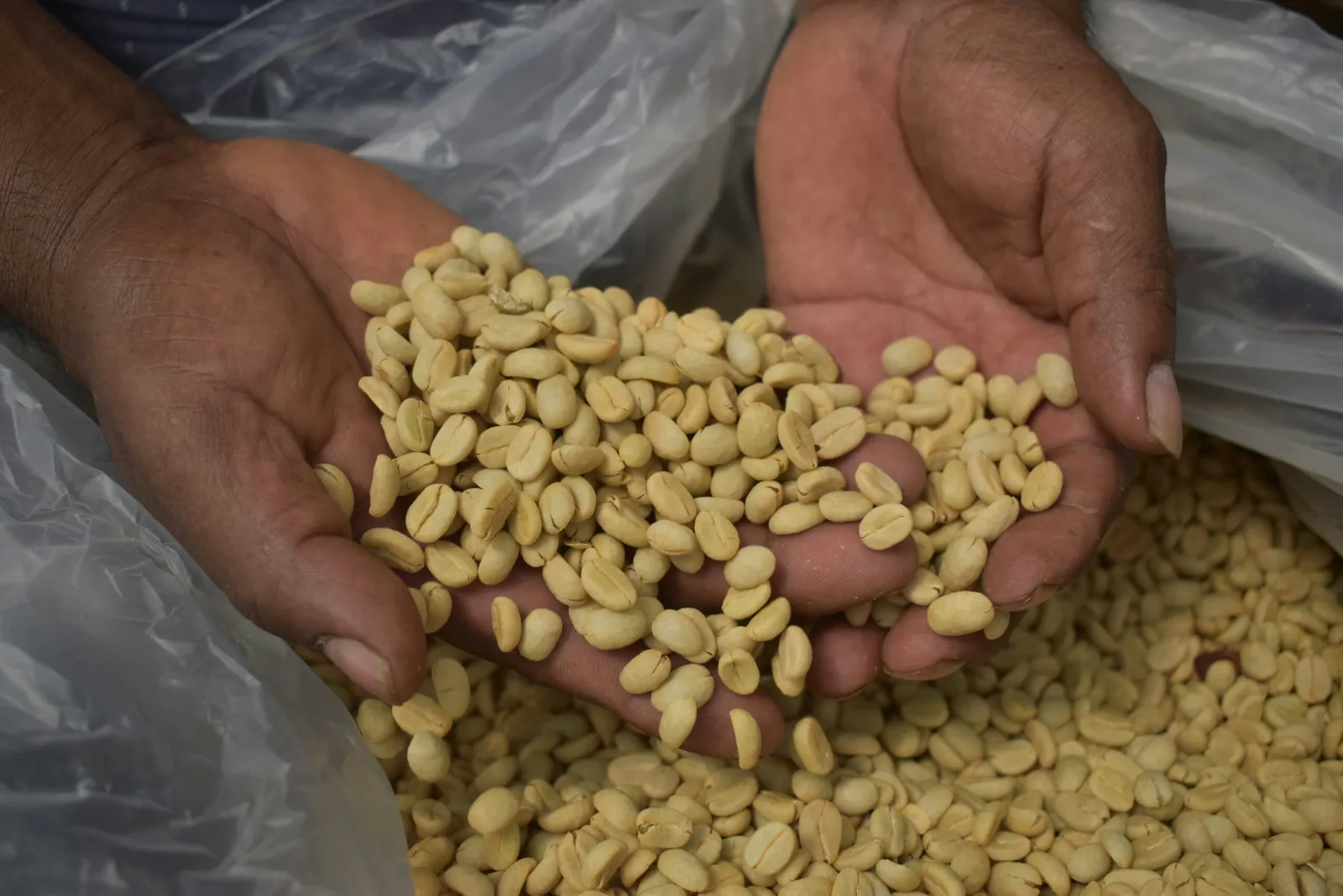
The reason this bothers me is that I've seen the labor behind every bag. Someone nurtured seedlings in a nursery and tended the trees for years. Someone else hand-picked and sorted thousands of cherries so that only the finest reached the mill. A whole team monitored the beans through washing, careful drying, and packaging for safe shipment to the roaster.
“The café is the last stop before the consumer enjoys a near perfect bean; it is the place where the consumer experiences great quality—or a lack thereof.”
The roaster ran tests to reveal what each bean could offer in the cup. Roasting triggers chemical reactions and physical changes in the bean's structure. Consequently, once roasted coffee leaves the drum, it begins releasing carbon dioxide and oxidizing. Limiting oxygen exposure slows staling and helps preserve the best flavor. When everything is done right, the seed of the coffee fruit stays in near-perfect condition from tree to café. What happens next is up to you.
Ordering and Merchandising That Preserve Quality
It starts with ordering the right quantity. How much coffee you bring in should be tied to your current or expected sales of drip coffee and retail beans—and those two figures are connected. You can source both from the same supply by bagging retail portions from your roaster's five-pound wholesale bags. As bagged retail coffee nears the end of its freshness window, pull it from the shelf and use it at the bar. This approach helps control waste and keeps your retail stock fresh. Ask your roaster whether they can supply empty bags you can fill on demand. Bags or containers placed where customers will notice them signal that coffee is available to take home and can add a useful revenue stream.
If you're opening a café, talk with your roasting partner about how they manage beans. They have a strong interest in helping you determine the right weekly amount.
Storage and Rotation
A bag or container with an airtight seal and a one-way air valve is the ideal vessel. Jars, bins, or bean dispensers will speed up staling and hurt flavor. Check roast dates on your inventory every day. While every roaster has their own preference, my company, Stone Creek Coffee Roasters, advises that coffee should not remain on the retail shelf for more than two weeks. After that point, brew it on your batch brewer right away. Try not to order more coffee than you will brew or sell within a two-week period.
The Shelf as a Brand Statement
Retail coffee represents the culmination of years of work by many interconnected people. It is one of the simplest links in the coffee supply chain, and it is often the most overlooked. The café is the final stop before the consumer enjoys a near-perfect bean; it is where the consumer experiences great quality—or a lack thereof. It's understandable that, as a café owner, you aren't always focused on the roast date of beans gathering dust on a corner shelf. You have more pressing concerns: a late delivery, a staff member quitting, a disgruntled customer posting complaints online; the list of challenges is endless. Still, the beans for sale in your café directly reflect your brand and deserve careful attention.
As a café owner, it is in your interest to offer the highest-quality products available. The specialty coffee industry grows more competitive as cafés seek to be seen as leaders in quality coffee. Quality shows up in the skills of the baristas at the espresso bar, in the layout, functionality, and feel of the café, and in the products customers purchase. Together these elements create a memorable customer experience that builds trust and loyalty. Your brand is defined not only by what customers experience inside your door but also when they take the beans they bought home. So do yourself a favor and keep me from cringing the next time I stop by the bean shelf.