Tracing the Bean: James Hoffmann’s Global Coffee Survey
In his first book, the Square Mile founder blends origin detail with an argument for clearer traceability and a reckoning with coffee’s difficult history.
By Blake Lee2 min read
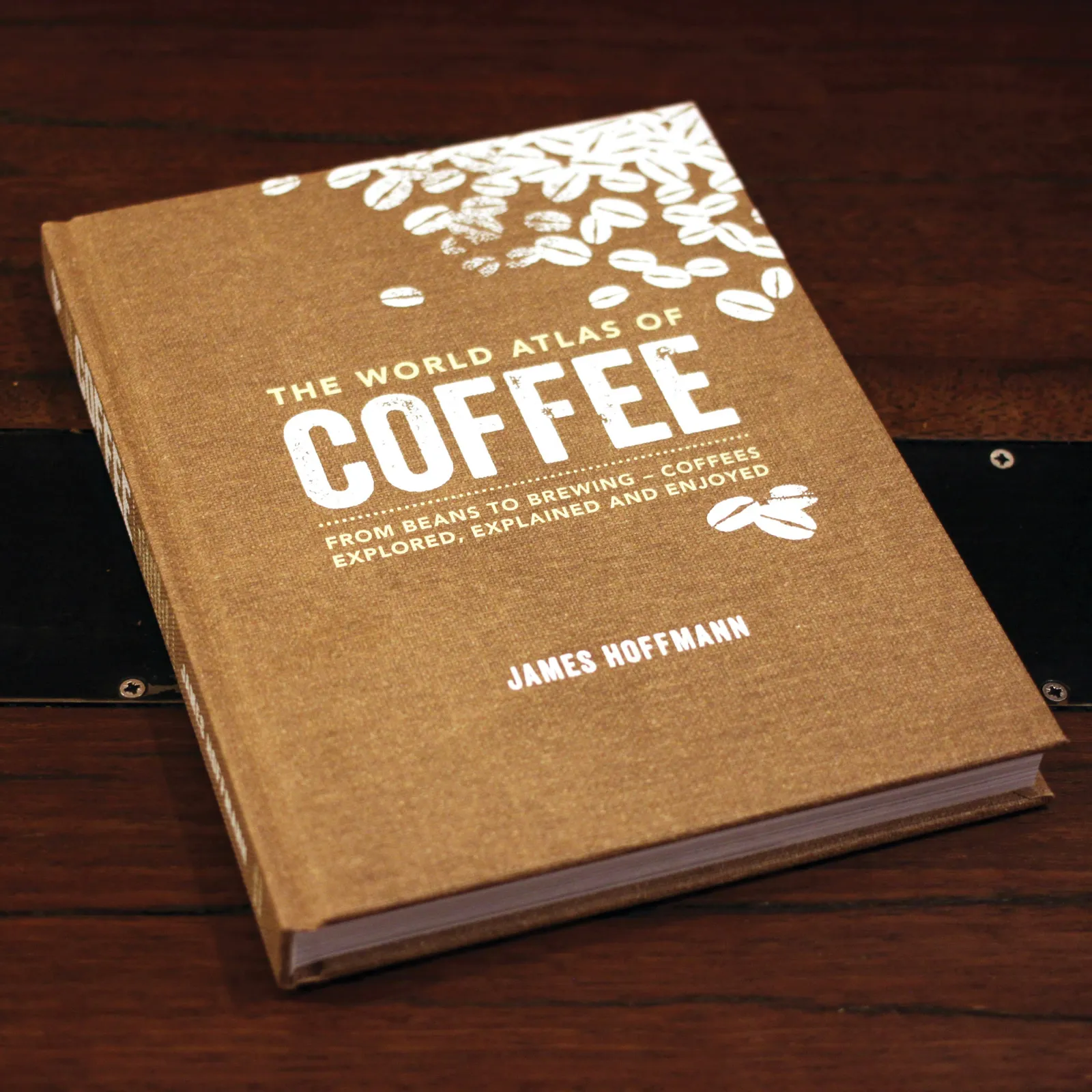
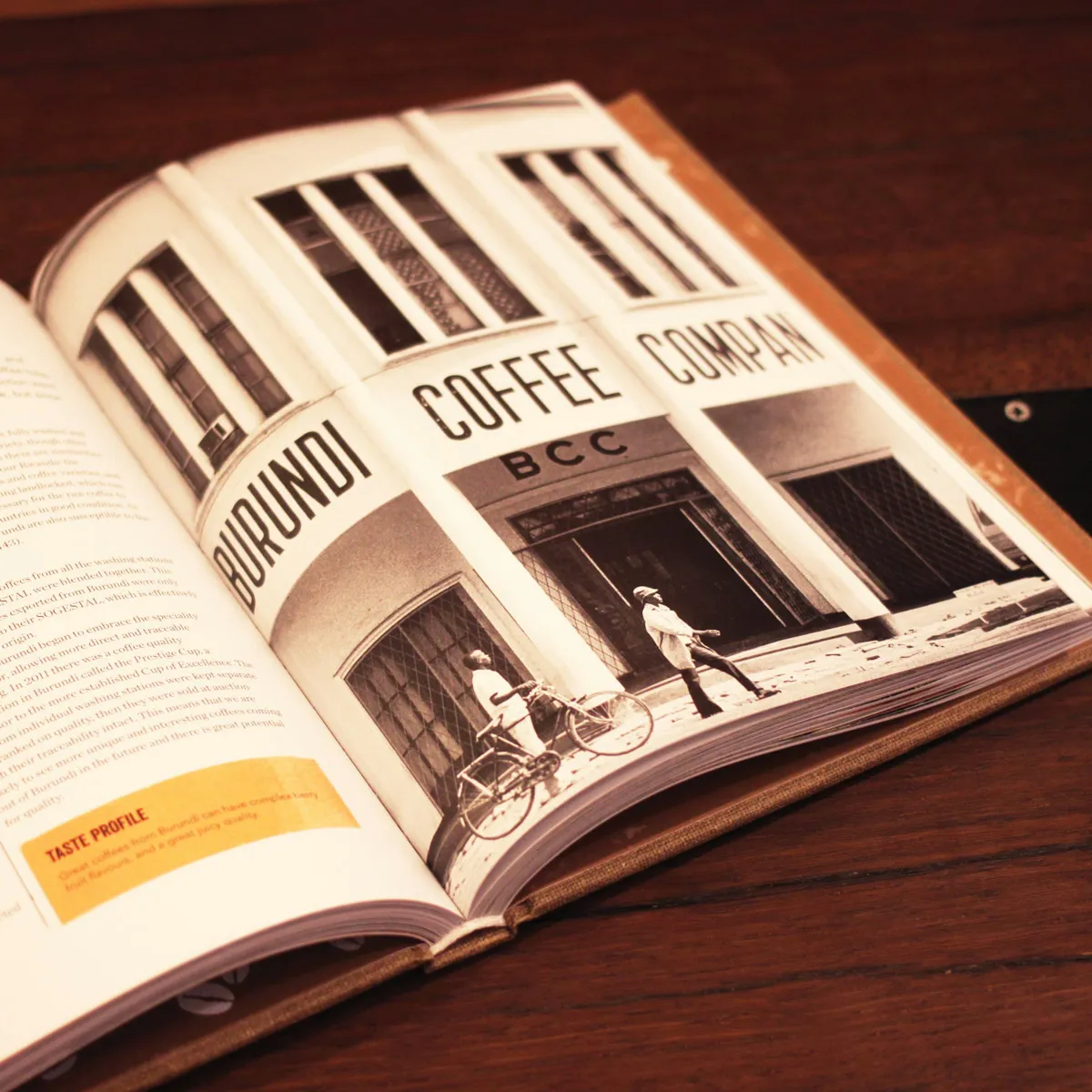
James Hoffmann’s first book, The World Atlas of Coffee, begins with ambition and then aims for thoroughness. It does not reach an unmanageable level of detail, which works in its favor: the result is dense yet easy to navigate. In the Burundi section, for instance, Hoffmann covers fourteen growing regions. Coffee professionals and enthusiasts alike should not merely add this book to their shelves but mark it up and return to it often.
Hoffmann opens with coffee’s history, production, retail, and brewing before spending over a hundred pages on origin, with particular emphasis on traceability. Lavish photography and a design meant to guide readers through the often confusing process of brewing a simple cup make The World Atlas of Coffee as much a book to look at as to read.
We spoke with Hoffmann, founder of London’s Square Mile Coffee Roasters, while he traveled between London, Moscow, Seoul, and Athens.

Q: What drove you to write this book?
James Hoffmann: The main reason was wanting to own it and use it myself. Throughout my time in coffee, I’ve wanted a reference book for origin information—something to consult for details about a coffee I might be tasting, roasting, or considering buying.
Q: Your blog, Jimseven, which just marked its tenth anniversary, speaks directly to the coffee industry. Why write a book for coffee drinkers?
JH: More and more people are taking a mild interest in coffee. They’re buying better coffee, brewing it better at home, and spending more in coffee bars. But I don’t think the growth of specialty coffee has come with much clarity. Coffee is more confusing than ever now, and I wanted to write something that might help fix that.
Q: What does the book offer the coffee professional?
JH: A great deal, I hope. Having a single reference point for information on coffee-producing countries—harvest times, altitudes, varieties, even locations—is a valuable resource.
Q: On your blog you said that during research for each origin chapter, you reached a point where the Europeans were jerks. How did that change your understanding of coffee?
JH: I entered coffee at a very positive time (about ten years ago), when Fair Trade and other certifications seemed less important because we were pushing pricing boundaries and changing our trading models. As a result, I didn’t have much understanding of the unfair and abusive history of coffee in most producing countries. Writing those histories really highlighted how much need for change remains. We dismissed Fair Trade (as a specialty-focused movement) because it didn’t meet our quality requirements. However, we never really examined what it did achieve and how we might build on it to improve it.
Q: Your origin country sections focus on traceability. Why?
JH: I think traceability is a key tenet of specialty coffee. It’s how coffee people see coffees—we talk about where a coffee is from and who grew it as the defining information of a product we sell. However, the “rules” for traceability vary from country to country. As a consumer, I think knowing what is possible for traceability in any country (and ideally why) is helpful when you’re buying and looking for the best and most traceable product.