When Good Coffee Goes Bad Too Soon: Rethinking Premature Aging in the Cup
A Guatemalan roaster's multi-season field investigation into why carefully grown, high-scoring coffees lost their vibrancy and density within months, and what shifting rainfall, nutrition timing, and out-of-season flowering have to do with it.
By Sam Watson4 min read
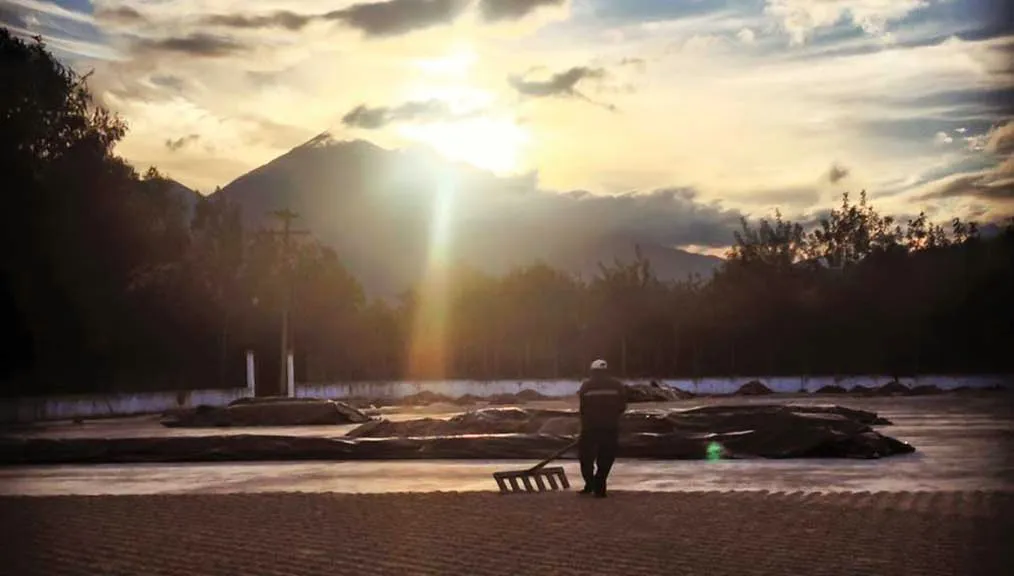
Four years ago, a puzzling problem surfaced on our farms in Guatemala—one that the wider industry had no choice but to confront as well. Coffees that had been cultivated with great care and ranked among our best began, within just a few months, to look washed out and to taste old, flat, and exhausted. We could not work out why. If the cherry was being picked at precisely the right ripeness and processed with all the patience in the world, what had gone wrong? In the years that followed, I set out to answer that question through an extensive investigation, trying to understand a phenomenon I now call "the premature aging of coffee."
The Case
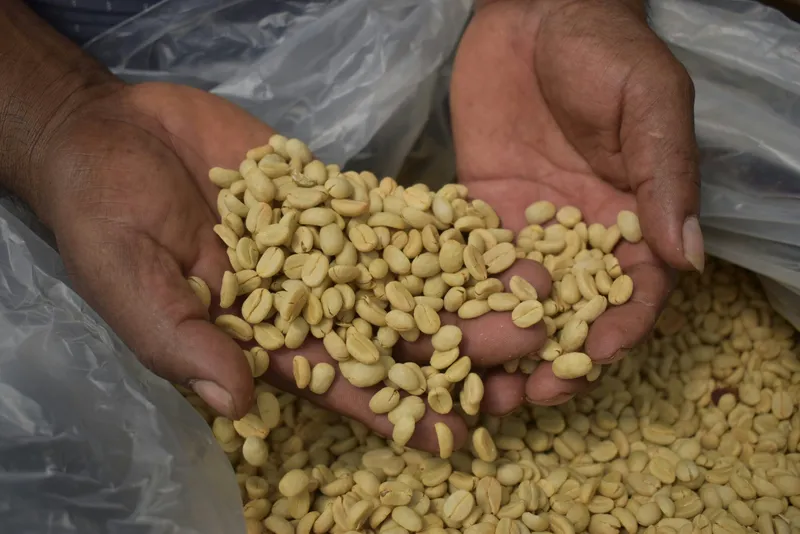
A) Green beans have a short lifespan—roughly six to eight months—before pronounced changes set in: the lot turns pale and whitish, and the flavors that emerge are not the familiar aged-coffee profile but something cardboard-like (flat, ashy, thin), with acidity and complexity almost entirely gone.
B) Density and moisture readings for the bean drop noticeably, and this shows up in the roast as well, requiring substantial temperature adjustments.
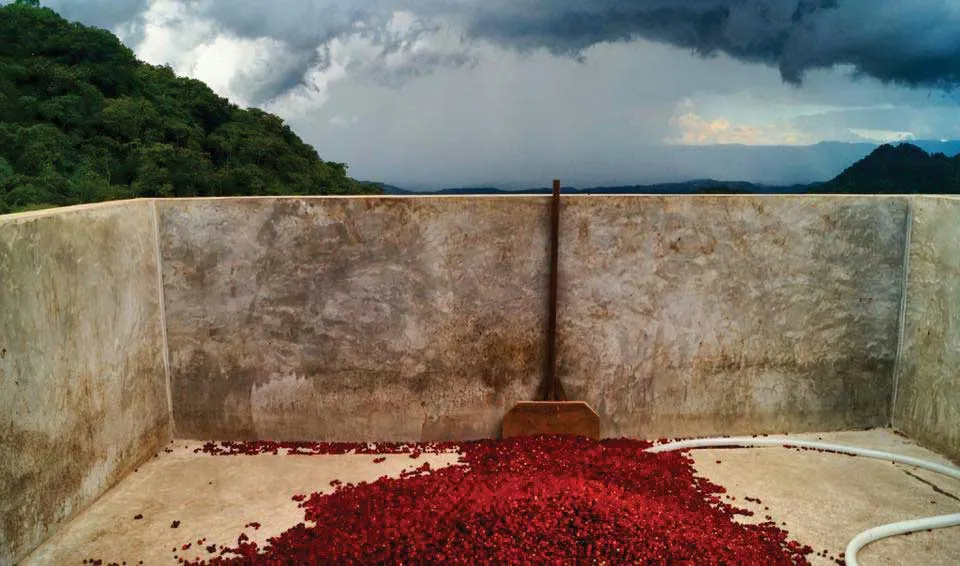
Initial Theories from 2013
- The cell walls of the green bean are breaking down, which produces premature aging, lost density, and a pale color. The cause is coffee being dried too fast and to low moisture percentages, so that water activity inside the bean never gets the chance to settle and distribute properly.
- Weather shifts—drought and highly erratic rainy cycles—along with unscrupulous fertilizer use, irregular atmospheric temperature cycles, and variable shade conditions on the farms allow cherries to ripen very early while the bean itself fails to develop.
- Inadequate nutrition, and over-application of fertilizer—especially foliar products—leaves the plant intoxicated.
The cases I observed appeared mostly in high-altitude plantings, particularly those harvested in March and April on farms unaccustomed to tackling pests, or on farms whose fertilization programs were being changed constantly in reaction to the problem. I saw instances in both conventional and certified organic coffees.
Where Things Stand as of 2017
As the phenomenon spread, I stayed in the country as much as I could, and over the next four harvests I traveled to Guatemala's most remote coffee regions to understand why our coffee was behaving this way. I also consulted with, and visited, producers in other countries facing the same issue.
In one way or another, everything in my early theories holds true—up to a point. All of the factors mentioned above play a simultaneous and significant role in premature aging.
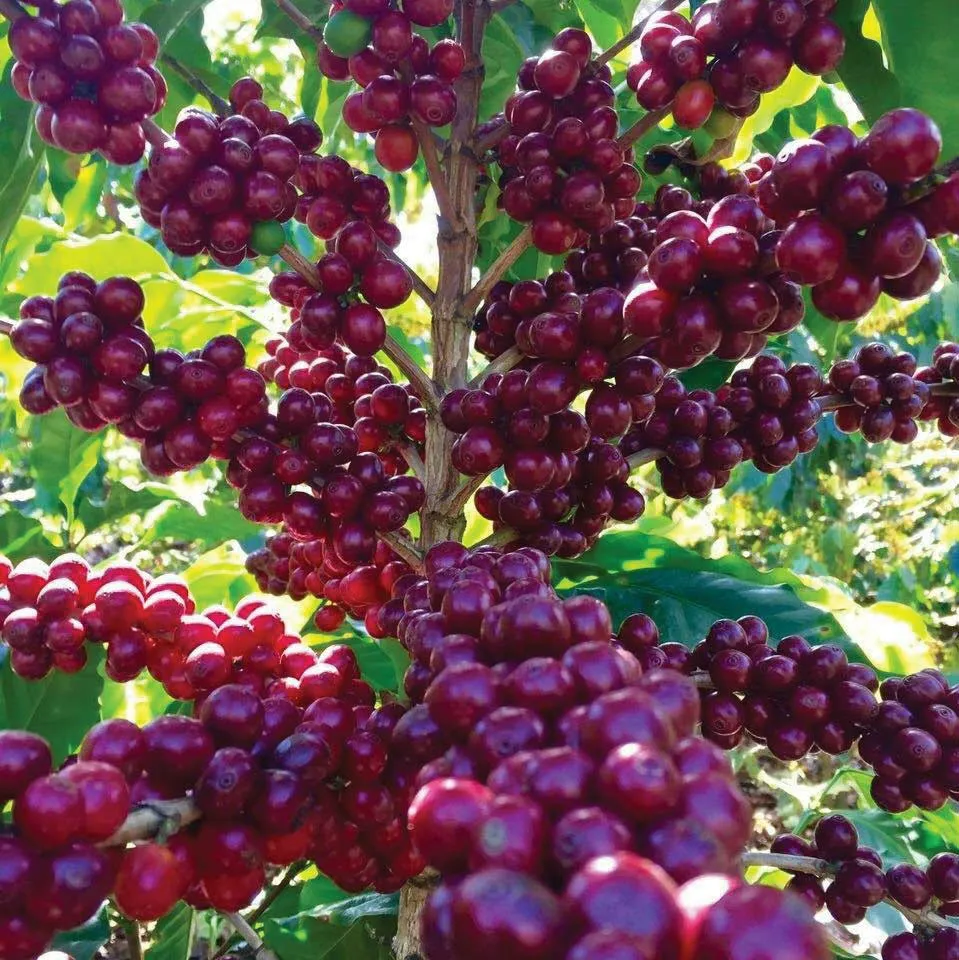
Rainfall patterns in coffee regions have shifted markedly. Overall rainfall has stayed at constant levels, but it now falls out of season. Historically, the first rains arrive in May, the rainy season settles in around late July, and it ends in early October.
Today it is these off-season rains that drive flowering patterns in the coffee grove. When the first rains fall in January and February, an out-of-season flowering occurs, which as a rule will produce a coffee harvest eight to nine months later. An additional drizzle in late April or mid-May triggers another flowering—no longer the historic one, but a lesser version of it. The celebrated traditional spring bloom that would regularly yield the famous "last cut" coffee no longer materializes.
On top of this is the massive problem of drought between harvests, during the critical period when fertilizers are applied and the developing beans take up nutrition. We count on rain to activate the fertilizer components so they reach the plant, but they remain in hot soil and are often lost to evaporation. The chance to feed the plant and build density in the bean is lost entirely during this dry cycle.
The final rains that set off the bean's last stage of maturation also fall outside the rainy season, in October and November. By the time rain finally arrives, what sits in the soil are the components of the last fertilization—formulas with high doses of elements meant specifically for maturation, not for nutrition. The end result is a very sweet cherry with the right color, but a bean of low density.
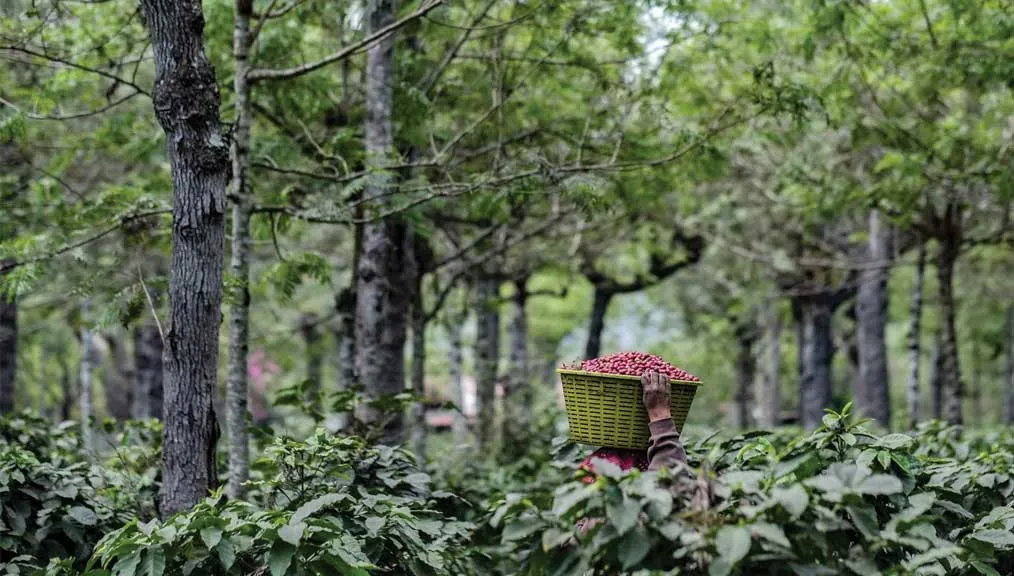
The cumulative effect of these factors is an out-of-season harvest in which the bulk of high-altitude production comes in December instead of March. At that point the plant is still developing yet another crop, the product of the April and May flowerings—a crop that will not ripen until February or March, when the plant is already weakened and often carrying new fruit thanks to further off-season rains. That final harvest, if it has not been sacrificed or picked green to prevent additional stress on the plant, lacks all the necessary nutritional elements.
All of this is seen most clearly in the microclimate-specific zones typical of Guatemala's central region. Even so, coffee regions everywhere are undergoing similar changes on different timetables, with many of them now harvesting in April, in May, and in some cases even June.
After four harvests I returned to my original theories and to the first documents I wrote on the subject. Fortunately, my observations today are more optimistic—though harder for the producer community to accept. Coffee quality and the future of the crop face complicated variables: culture, neglect, and resistance to change.
Plants adjust and adapt to the program and to the new climate conditions, but we as an industry have been slow to accept that our assumptions about when and how quality is produced are not fixed—nor are the ways and timing by which these coffees are rotated into the roaster.
To be continued.
—Josué Morales is a master roaster and cupper at Mayaland Coffee and TG-LAB, based in Guatemala City. Translation by Miriam Araos.